
Spilanthol: Natural Anti-Aging and Muscle Relief

Many shoppers search for a single ingredient that can soften wrinkles and ease tight muscles. Spilanthol appears in several skincare and topical muscle products, promising both effects. This guide explains what Spilanthol is and how consumers can use it safely.
What is Spilanthol?
Spilanthol is a plant-derived compound found in several herbal species. It comes mainly from the flower buds of certain plants used in traditional remedies. Studies show that Spilanthol acts on nerve endings and skin receptors, which may explain its local numbing and soothing sensations.
Because of its sensory effects, manufacturers add Spilanthol to creams, serums, and balms. Research indicates topical Spilanthol can create a temporary tingling or warming feeling that many users describe as pleasant. Dermatologists recommend patch testing products with active botanicals like Spilanthol before regular use.
Recommended Products
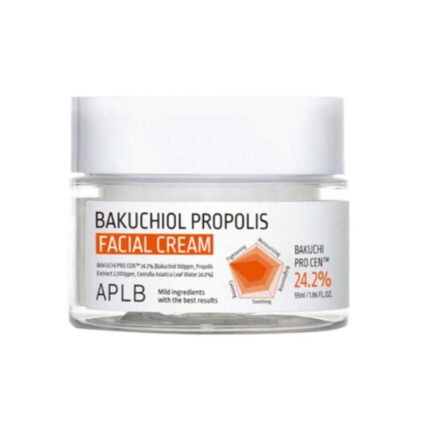 Sale
SaleOriginal price was: ৳ 1,380.00.৳ 966.00Current price is: ৳ 966.00.
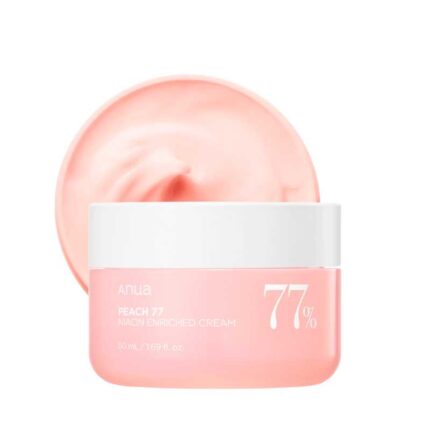 Sale
SaleOriginal price was: ৳ 2,950.00.৳ 2,688.00Current price is: ৳ 2,688.00.
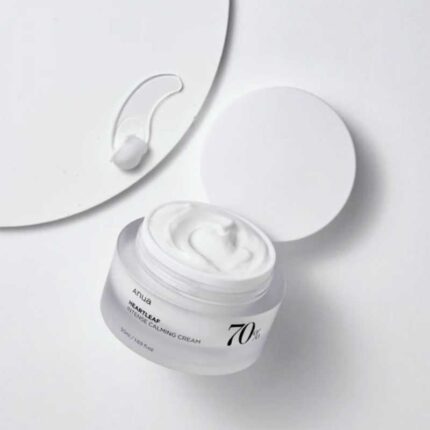 Sale
SaleOriginal price was: ৳ 2,950.00.৳ 2,674.00Current price is: ৳ 2,674.00.
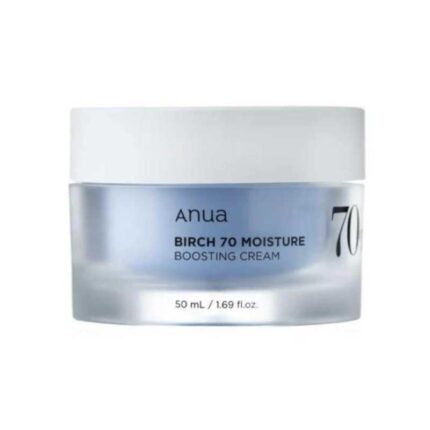 Sale
SaleOriginal price was: ৳ 3,380.00.৳ 2,366.00Current price is: ৳ 2,366.00.
How Spilanthol Works on Skin and Muscles
Spilanthol acts at the skin surface and at shallow nerve endings. As a result, it can change how the skin feels and how nearby muscles respond. This dual action explains why people notice both smoothing and mild relaxation when they use Spilanthol-containing products.
Mechanism on nerve endings
Spilanthol interacts with sensory receptors in the skin. For example, it can activate receptors that cause a tingling sensation. That reaction distracts from pain and can reduce perceived discomfort from tight muscles.
When the skin senses Spilanthol, local blood flow often increases. That is why the area may feel warm or flushed after application. Increased circulation can help deliver nutrients and speed topical absorption.
Effects on muscle tension
Spilanthol behaves as a mild, topical relaxant near treated areas. As a natural muscle relaxing ingredient, it can ease small, surface-level muscle contractions. Research indicates this effect remains local and temporary rather than systemic.
Still, users report smoother facial expression lines after regular topical application. That is linked to reduced micro-contractions in expression muscles. For deeper or chronic muscle issues, stronger medical treatments may be needed.
Skin-level actions and collagen influence
Topical Spilanthol can stimulate mild circulation and sensory pathways that improve skin tone. Because blood flow supports skin repair, the compound may support a firmer look over time. Studies show botanical stimulation of the skin can lead to improved texture when combined with good skincare routines.
That means Spilanthol works best alongside hydration, sunscreen, and gentle exfoliation. Dermatologists often recommend pairing active botanicals with backing ingredients that support collagen and barrier health.
Benefits for Skin: a Wrinkle Smoothing Compound?
Many brands market Spilanthol as a wrinkle smoothing compound. Consumers have reported softer lines after consistent use. However, effects vary by formulation, product concentration, and individual skin type.
Research indicates topical sensory agents can temporarily reduce the appearance of fine lines by relaxing superficial facial muscles. For example, certain creams with Spilanthol and film-forming agents create a visible smoothing effect. That effect often appears quickly and lasts with repeated use.
Because results differ, choose products with transparent ingredient lists and tested formulations. Clinical testing by reputable brands provides stronger evidence than marketing claims alone.
Benefits for Muscle Relaxation and Pain
Spilanthol offers mild relief for tight, surface muscles in areas like the jaw, neck, and shoulders. As a natural muscle relaxing ingredient, it helps reduce local tension after topical application. People who experience jaw clenching or cosmetic tension find it a helpful adjunct to massage and stretching.
Research shows topical sensory agents can alter pain signaling by engaging cutaneous receptors. That means Spilanthol may reduce perceived discomfort without affecting the whole body. For stronger or persistent muscle pain, clinicians recommend medical evaluation and targeted therapy.
Common Uses and Product Types
Manufacturers include Spilanthol in serums, creams, facial oils, and balms. Many formulations aim for wrinkle smoothing, while others target sore muscles. For example, a light serum may focus on fine lines while a balm emphasizes relaxation for localized tightness.
When shopping, note the delivery system and concentration. Studies show delivery affects performance, so a well-formulated cream can outperform a raw extract. That means product design matters as much as the active ingredient itself.
How to Choose Spilanthol Products
Choose products with clear labels and reputable testing. For instance, look for statements about clinical trials or consumer studies. That indicates a brand has invested in proving its claims rather than relying solely on marketing language.
Also consider complementary ingredients. Products that combine Spilanthol with hydrating humectants or barrier-supporting lipids often perform better on aging skin. If you want muscle relief, prefer formulations that include warming or soothing botanicals known for topical comfort.
Concentration, Formulation, and Application Tips
Spilanthol concentrations vary widely across products. Low levels produce subtle sensory effects, while higher levels increase intensity. Because stronger sensations may irritate sensitive skin, start with a low-concentration product and increase use gradually.
Apply Spilanthol products to clean, dry skin and follow the brand’s recommended dosage. For muscle tension, massage the product gently into the affected area for improved absorption. If you notice persistent irritation, stop use and consult a dermatologist.
Safety, Side Effects, and Allergies
Spilanthol is generally well tolerated when applied topically in moderate amounts. Still, some people experience redness, burning, or mild allergic reactions. Because of that risk, dermatologists recommend a patch test on a small skin area before broad application.
Pregnant or breastfeeding individuals should consult a healthcare provider before trying new topical actives. For people with severe dermatitis or open wounds, wait until skin heals before applying Spilanthol-containing products. That reduces the risk of deeper irritation or sensitization.
Evidence and Expert Opinions
Studies show botanicals with sensory effects can help with short-term smoothing and comfort. Cosmetic researchers note that these compounds act through known nerve pathways rather than changing deep muscles. That means Spilanthol provides cosmetic and sensory benefits more than long-term structural change.
Dermatologists recommend combining Spilanthol with proven anti-aging routines for best results. For example, sunscreen use and retinoid therapy remain gold standards for long-term wrinkle management. Still, Spilanthol can be a useful adjunct for immediate smoothing and localized relief.
Comparing Spilanthol to Other Topical Actives
Spilanthol differs from strong neuromodulators and muscle relaxants because it acts briefly and locally. Unlike prescription neuromodulators, Spilanthol does not paralyze muscles. Instead, it mildly calms superficial contractions and alters sensory feedback.
Compared to common topical ingredients, Spilanthol offers both sensory and cosmetic perks. For example, hyaluronic acid hydrates, peptides signal repair, and Spilanthol provides gentle sensory modulation. That combination can create a more complete topical strategy for many consumers.
Combining Spilanthol with a Skincare Routine
Use Spilanthol alongside hydration and protection. For best results, include sunscreen in your morning routine and gentle retinoid or peptide products at night. That balanced approach supports both immediate smoothing and long-term skin health.
When layering products, apply light serums first and thicker creams last. This order helps active ingredients reach the skin effectively. If irritation appears, reduce frequency and consult a skincare professional.
DIY and Natural Sources
Some consumers extract Spilanthol from fresh plant material at home. While DIY options exist, controlling concentration and purity is difficult. For safety and consistent results, many experts recommend professionally formulated products instead.
When buying natural extracts, verify the extraction method and the reputation of the supplier. That reduces the risk of contamination and inconsistent potency. High-quality brands invest in testing and stability checks to ensure product safety.
Who Should Try Spilanthol Products?
Spilanthol suits people who want mild wrinkle reduction and relief from surface muscle tension. It particularly helps those seeking noninvasive cosmetic improvements. People with sensitive or reactive skin should start slowly and seek products with calming ingredients.
Because the compound acts locally, it can complement medical treatments. For example, someone using prescription muscle relaxants may still use Spilanthol topicals for surface comfort. Always check with a medical provider before mixing treatments.
Real User Experiences and Expectations
Many users report an immediate tingling sensation followed by softened lines and relaxed muscles. That immediate feedback can be satisfying, even if changes remain subtle. Consumers often note the effect lasts a few hours and improves with regular application.
Remember that individual responses vary. Skin type, product formula, and consistent use all influence results. Keeping realistic expectations helps you judge a product fairly during a trial period.
Manufacturing and Sourcing Considerations
Quality matters when sourcing plant-based actives like Spilanthol. Ethical suppliers test for purity and environmental impact. Certified botanical suppliers provide documentation that helps brands and consumers assess product integrity.
Brands that disclose third-party testing and stability data tend to earn more trust. For shoppers, transparency in sourcing and formulation signals a product made with care. That often means better performance and safety.
Cost and Value
Spilanthol products range from budget to premium. Price often reflects formulation quality and testing. For example, a well-formulated serum with stabilizers and supporting actives may cost more than a simple extract in a base oil.
Consider value rather than price alone. A product with proof of effectiveness and safe concentrations gives a better return on investment. Trial-size options help you test a product without a large upfront cost.
Storage and Shelf Life
Store Spilanthol products in a cool, dark place to preserve potency. Heat, light, and air can degrade botanical actives over time. Closed containers and opaque bottles extend shelf life and maintain stability.
Check expiration dates and discard products that change color, smell, or texture. That prevents irritation from degraded components. Brands that provide stability testing often include clear shelf-life guidance.
Regulatory and Labeling Notes
Regulation of botanical actives varies by country. Brands must follow local cosmetic rules and labeling laws to sell Spilanthol products. That is why reputable brands list concentrations and provide safety statements on packaging.
Always read labels and ingredient lists carefully. If a product claims medical benefits, consult a healthcare professional before use. Cosmetic claims should not replace professional medical advice.
Frequently Asked Questions
Is Spilanthol safe for daily use?
Many people tolerate Spilanthol well when used daily in moderate amounts. Still, individual sensitivity differs, and patch testing is wise before regular use. Stop use and consult a doctor if irritation occurs.
Will Spilanthol permanently remove wrinkles?
No topical Spilanthol product permanently removes deep wrinkles. Instead, it can smooth fine lines temporarily by relaxing superficial muscles. For lasting structural change, medical procedures may be required.
Can I use Spilanthol with retinoids?
Often you can combine Spilanthol with retinoids, but monitor for irritation. Because retinoids increase skin sensitivity, apply Spilanthol in reduced frequency at first. Consult a dermatologist if you have concerns.
Does Spilanthol work faster than other ingredients?
Spilanthol can produce a quick sensory effect that feels immediate. However, long-term benefits depend on formulation and consistent use. For sustained improvement, pair Spilanthol with proven anti-aging practices.
Final Thoughts
Spilanthol offers a useful mix of cosmetic smoothing and localized muscle comfort when used correctly. For many shoppers it serves as a valuable adjunct to a broader skincare and self-care routine. Try a tested product at low concentration first, and consult a professional if needed.