
Shampoo Online BD | Hair Wash Care | Padmamart
Shop shampoos for oily scalp, dry hair, dandruff-prone scalp, frizz, damaged-looking hair, colour-treated hair and daily cleansing routines. Explore cleansing, moisturizing, clarifying, anti-dandruff, smoothing and colour-care shampoos at Padmamart.
Showing 1–10 of 11 resultsSorted by popularity
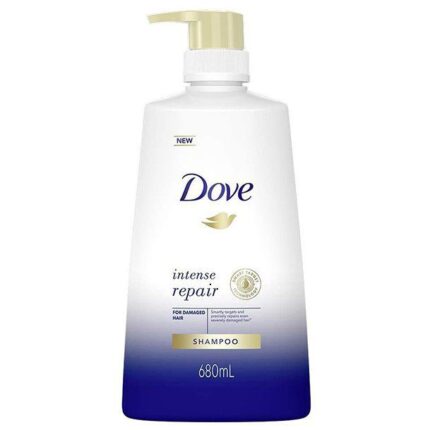
Dove Intense Repair Shampoo 330ml
Original price was: ৳ 1,120.00.৳ 850.00Current price is: ৳ 850.00.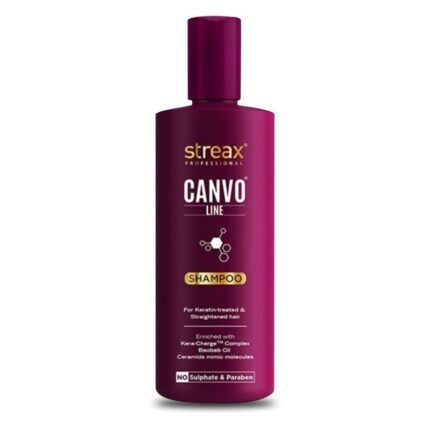
Streax Professional Canvo Line Shampoo for Keratin Treated & Straightened Hair 300ml
Original price was: ৳ 1,100.00.৳ 799.00Current price is: ৳ 799.00.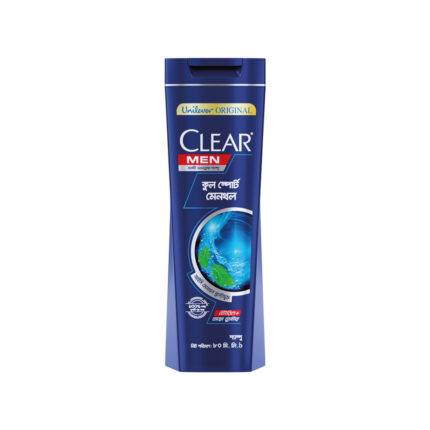
Clear Men Cool Sport Menthol Shampoo
Price range: ৳ 120.00 through ৳ 930.00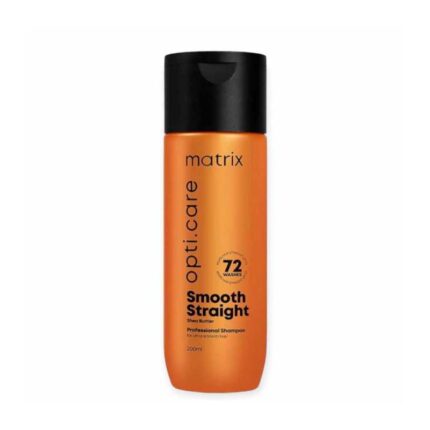
Matrix Opti Care Smooth Straight Shea Butter Shampoo 350ml
Original price was: ৳ 1,100.00.৳ 750.00Current price is: ৳ 750.00.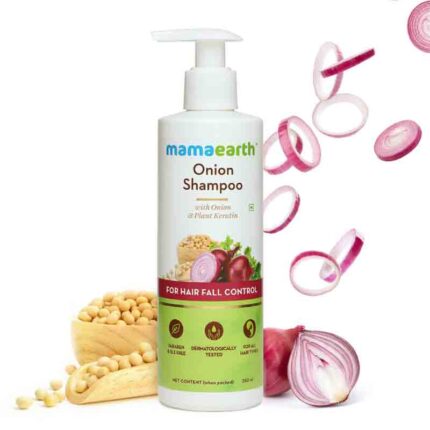
Mamaeath Onion Shampoo for Hair Fall Control – 250ml
Original price was: ৳ 900.00.৳ 790.00Current price is: ৳ 790.00.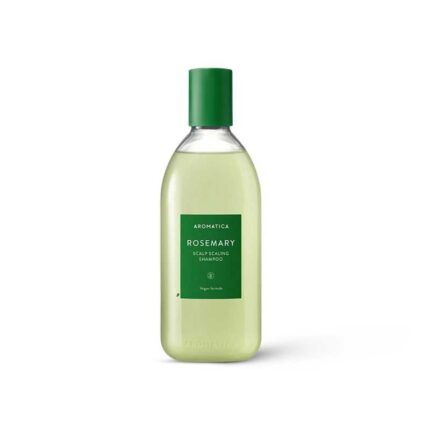
AROMATICA Rosemary Scalp Scaling Shampoo 400ml
Original price was: ৳ 3,300.00.৳ 2,970.00Current price is: ৳ 2,970.00.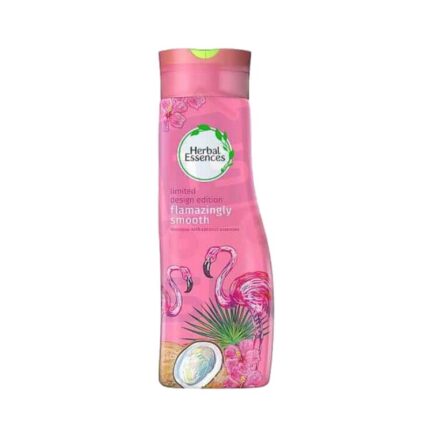
HERBAL ESSENCE FLAMAZING SMOOTH SHAMPOO-400ML
Original price was: ৳ 1,000.00.৳ 750.00Current price is: ৳ 750.00.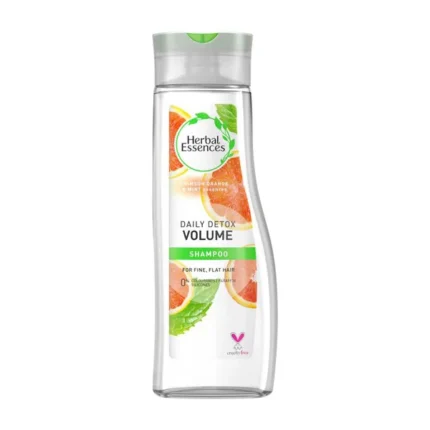
Herbal Essences Daily Detox Volume Crimson Orange & Mint Shampoo 400ml
Original price was: ৳ 1,000.00.৳ 750.00Current price is: ৳ 750.00.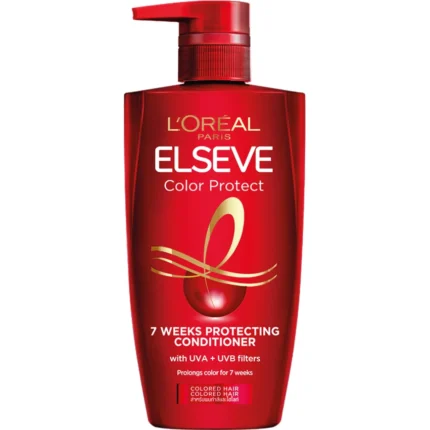
L’Oréal Paris Elseve Color Protect 7 Weeks Protecting Shampoo 400ml
Original price was: ৳ 1,700.00.৳ 1,250.00Current price is: ৳ 1,250.00.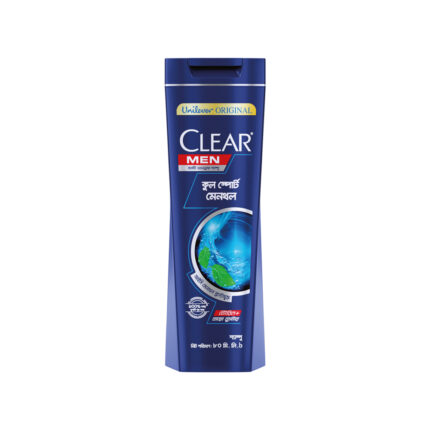
Clear Men Cool Sport Menthol Shampoo
Price range: ৳ 120.00 through ৳ 930.00Shampoo Online BD
Shampoo Online BD products are essential for keeping the scalp clean, fresh and comfortable while preparing hair for conditioner, mask, serum or styling products. At Padmamart.com, you can explore shampoos for oily scalp, dry hair, dandruff-prone scalp, frizz, damaged-looking hair, colour-treated hair, hair fall appearance, daily cleansing and weekly deep-clean routines.
Shampoo is mainly a scalp-cleansing product. It removes sweat, oil, dust, pollution, product buildup, styling residue and daily dirt from the scalp and hair roots. Many people choose shampoo only by fragrance or brand, but the best shampoo should match your scalp type first. Your scalp may be oily, dry, normal, sensitive, dandruff-prone or buildup-prone, and each condition needs a different cleansing approach.
A shampoo can make hair feel cleaner, lighter, fresher and easier to manage. However, shampoo alone cannot fully solve dry ends, frizz, breakage appearance or damaged-looking hair. For the hair length, you may also need conditioner, hair mask, serum, hair oil or leave-in products. A good shampoo starts the routine, but it is not the entire hair care routine.
The right shampoo should clean effectively without making the scalp painfully tight, itchy, greasy, irritated or overly dry.
What Shampoo Is Used For
Shampoo is used to cleanse the scalp and remove buildup from the hair roots. It helps maintain scalp freshness and prepares hair for the next care step.
Shampoo may help with:
- Scalp cleansing
- Sweat and oil removal
- Dust and pollution buildup
- Product residue removal
- Oily scalp freshness
- Dandruff-prone scalp support
- Dry scalp comfort, depending on formula
- Hair that feels heavy or greasy
- Itchy-feeling scalp caused by buildup
- Hair wash routine
- Fresh fragrance
- Clean roots
- Better conditioner performance
- Lighter hair feel
- Weekly deep cleansing
Shampoo does not permanently repair split ends, cure medical hair loss, treat scalp infection or guarantee new hair growth. It mainly cleans the scalp and supports the foundation of a hair care routine.
Shampoo Is Mainly for the Scalp
One common mistake is treating shampoo like a full hair-length treatment. Shampoo should mostly be applied to the scalp and roots, because that is where oil, sweat and buildup collect.
Scalp needs cleansing
Your scalp produces oil and collects:
- Sweat
- Dust
- Pollution
- Dead skin buildup
- Styling product residue
- Hair oil residue
- Dry shampoo residue
- Environmental dirt
This is why shampoo should be massaged gently into the scalp.
Hair length needs conditioning
The mid-length and ends usually need softness and protection, not strong cleansing. Conditioner, hair mask, serum and leave-in products are better for the hair length.
If you apply too much shampoo directly to dry ends, hair may feel rough, tangled or frizzy after washing.
Shampoo vs Conditioner
Shampoo and conditioner have different roles.
| Feature | Shampoo | Conditioner |
|---|---|---|
| Main purpose | Cleanses scalp and roots | Softens hair length and ends |
| Main area | Scalp | Mid-length to ends |
| Texture | Gel, cream, foam or liquid | Cream, lotion or mask-like texture |
| Use step | First step in wash routine | After shampoo |
| Best for | Oil, sweat, dirt, buildup | Tangles, dryness, frizz, roughness |
| Overuse risk | Dryness or tight scalp | Greasy or heavy hair if applied to roots |
| Routine role | Cleansing | Smoothing and moisture support |
Use shampoo to clean the scalp. Use conditioner to soften the hair length.
Choose Shampoo by Scalp and Hair Concern
| Concern | Shampoo Type to Consider | What to Look For |
|---|---|---|
| Oily scalp | Oil-control or clarifying shampoo | Fresh cleansing, lightweight finish |
| Dry scalp | Gentle or moisturizing shampoo | Mild cleansing, soothing ingredients |
| Dry hair | Moisturizing shampoo | Nourishing formula, less stripping feel |
| Dandruff-prone scalp | Anti-dandruff shampoo | Dandruff-care formula, label directions |
| Frizzy hair | Smoothing shampoo | Anti-frizz and moisture-support formula |
| Damaged-looking hair | Repair shampoo | Protein, keratin, bond-care or strengthening support |
| Colour-treated hair | Colour-safe shampoo | Gentle cleansing, colour-care formula |
| Fine hair | Volumising shampoo | Lightweight cleansing, non-heavy finish |
| Curly hair | Moisturizing shampoo | Hydration, frizz support, gentle cleansing |
| Product buildup | Clarifying shampoo | Occasional deep-clean formula |
| Sensitive scalp | Gentle shampoo | Low-fragrance, mild formula, soothing support |
Choose shampoo based on the scalp first, then choose conditioner and treatment products based on the hair length.
Types of Shampoo
Daily Shampoo
Daily shampoo is usually made for regular cleansing and a fresh scalp feel. It should clean without feeling too harsh.
Daily shampoo may be useful for:
- Normal scalp
- Light oiliness
- Regular hair wash routine
- Sweaty scalp
- Office or school routine
- People who wash hair frequently
- Fresh fragrance
- Basic hair cleansing
Daily shampoo should not leave the scalp painfully tight. If it does, choose a gentler formula.
Moisturizing Shampoo
Moisturizing shampoo is designed to clean while reducing the dry, rough feeling that some shampoos leave behind.
Moisturizing shampoo may be useful for:
- Dry hair
- Rough texture
- Frizzy hair
- Curly hair
- Colour-treated hair
- Hair that feels dry after washing
- Winter hair care
- Damaged-looking hair
Moisturizing shampoo works best when followed with conditioner or hair mask.
Clarifying Shampoo
Clarifying shampoo is used for deeper cleansing. It helps remove product buildup, heavy oil, styling residue and pollution from the scalp and hair.
Clarifying shampoo may be useful for:
- Product buildup
- Heavy hair oil residue
- Styling cream buildup
- Dry shampoo buildup
- Hair that feels heavy
- Oily scalp
- Occasional deep cleansing
- Swimmers or outdoor exposure, depending on formula
Clarifying shampoo should not be overused. It can make hair dry if used too frequently, especially on colour-treated or damaged-looking hair.
Anti-Dandruff Shampoo
Anti-dandruff shampoo is made for dandruff-prone scalp and flaky scalp routines. It may include dandruff-care ingredients depending on the product formula.
Anti-dandruff shampoo may be useful for:
- Dandruff-prone scalp
- Flaky scalp
- Itchy-feeling scalp related to flakes
- Oily scalp with flakes
- Scalp buildup support
- Regular dandruff-care routine
Follow the product label carefully. Persistent, painful, severe or spreading scalp issues may need professional advice.
Oil-Control Shampoo
Oil-control shampoo is designed for people whose scalp becomes greasy quickly.
Oil-control shampoo may be useful for:
- Oily scalp
- Sweaty scalp
- Greasy roots
- Hair that becomes flat quickly
- Humid weather
- T-zone-like scalp oiliness
- People who wash hair often
Oil-control shampoo should clean well without damaging the scalp barrier. If your scalp feels itchy and dry after use, the formula may be too strong.
Sulphate-Free Shampoo
Sulphate-free shampoo is often chosen by people who prefer gentler cleansing or have colour-treated, curly, dry or sensitive-feeling hair.
Sulphate-free shampoo may be useful for:
- Colour-treated hair
- Curly hair
- Dry hair
- Sensitive scalp
- Keratin-treated hair, depending on aftercare instructions
- People who dislike strong foaming shampoos
Sulphate-free shampoos may foam less than regular shampoos, but less foam does not always mean less cleansing.
Colour-Safe Shampoo
Colour-safe shampoo is designed to be gentler on coloured hair and help maintain a better-looking colour finish.
Colour-safe shampoo may be useful for:
- Dyed hair
- Bleached hair
- Highlighted hair
- Fashion colour hair
- Dry colour-treated hair
- Hair that fades quickly
- Hair that feels rough after colouring
Colour-treated hair often needs conditioner and hair mask along with shampoo.
Repair Shampoo
Repair shampoo is used for damaged-looking, rough, brittle or heat-styled hair. It may include protein, keratin, amino acids, bond-care positioning or strengthening-support ingredients.
Repair shampoo may be useful for:
- Heat-styled hair
- Bleached hair
- Chemically treated hair
- Rough texture
- Breakage appearance
- Damaged-looking hair
- Hair that feels weak
- Frizzy ends
Repair shampoo can improve the feel and appearance of hair, but it cannot permanently repair split ends.
Volumising Shampoo
Volumising shampoo is made for fine, flat or limp hair. It usually focuses on lightweight cleansing without weighing the hair down.
Volumising shampoo may be useful for:
- Fine hair
- Flat roots
- Oily roots
- Hair that lacks volume
- Lightweight cleansing
- People who dislike heavy formulas
Avoid applying heavy conditioner to the roots if you want more volume.
Smoothing Shampoo
Smoothing shampoo focuses on frizz, roughness and manageability. It usually works best with conditioner and serum.
Smoothing shampoo may be useful for:
- Frizzy hair
- Rough hair
- Wavy hair
- Dry ends
- Humidity-related frizz
- Hair that tangles easily
- Smooth styling routine
Smoothing shampoo may feel heavier on fine hair, so choose texture carefully.
Herbal Shampoo
Herbal shampoo may include plant extracts, oils or traditional botanical ingredients. It is often chosen for natural-inspired hair care routines.
Herbal shampoo may be useful for:
- Traditional hair care
- Mild daily cleansing
- Scalp freshness
- Hair softness
- Herbal fragrance preference
- Family hair care routines
Natural or herbal does not always mean irritation-free. Sensitive scalp users should check fragrance and ingredient suitability.
Baby or Mild Shampoo
Mild shampoos are usually gentler and may be suitable for delicate hair care needs depending on the product.
Mild shampoo may be useful for:
- Gentle cleansing
- Sensitive-feeling scalp
- Frequent washing
- Soft hair routines
- People who dislike strong shampoo
Use only age-appropriate products for children and follow label instructions.
Shampoo for Different Hair and Scalp Types
Shampoo for Oily Scalp
Oily scalp needs shampoo that removes excess oil without making the scalp irritated.
Good options include:
- Oil-control shampoo
- Clarifying shampoo occasionally
- Lightweight daily shampoo
- Fresh cleansing shampoo
- Anti-dandruff shampoo if flakes are present
Focus shampoo on the scalp and rinse properly. Apply conditioner only to the hair ends if needed.
Shampoo for Dry Hair
Dry hair needs shampoo that cleans gently and does not leave the hair feeling rough.
Good options include:
- Moisturizing shampoo
- Creamy shampoo
- Sulphate-free shampoo where suitable
- Smoothing shampoo
- Repair shampoo
- Nourishing shampoo
Always follow with conditioner. Dry hair usually needs more care after shampoo.
Shampoo for Dandruff-Prone Scalp
Dandruff-prone scalp needs a shampoo designed for flakes and scalp comfort.
Good options include:
- Anti-dandruff shampoo
- Scalp-care shampoo
- Clarifying shampoo occasionally if buildup is present
- Gentle shampoo for non-treatment wash days
- Oil-control shampoo if scalp is greasy
Do not scratch the scalp aggressively. If flakes are severe, painful or not improving, seek professional advice.
Shampoo for Frizzy Hair
Frizzy hair often needs moisture and smoothing support.
Good options include:
- Smoothing shampoo
- Moisturizing shampoo
- Anti-frizz shampoo
- Repair shampoo
- Sulphate-free shampoo where suitable
Use conditioner, hair mask and serum for better frizz control. Shampoo alone is usually not enough.
Shampoo for Colour-Treated Hair
Colour-treated hair needs gentle cleansing and moisture support.
Good options include:
- Colour-safe shampoo
- Sulphate-free shampoo where preferred
- Moisturizing shampoo
- Repair shampoo
- Smoothing shampoo
Avoid over-washing if it makes colour fade faster or hair feel dry.
Shampoo for Curly Hair
Curly hair often needs gentle cleansing and moisture support.
Good options include:
- Moisturizing shampoo
- Curl-friendly shampoo
- Sulphate-free shampoo where suitable
- Creamy shampoo
- Anti-frizz shampoo
Curly hair usually needs conditioner and leave-in products after shampoo.
Shampoo for Fine Hair
Fine hair needs lightweight cleansing that does not make hair flat.
Good options include:
- Volumising shampoo
- Lightweight shampoo
- Oil-control shampoo if roots are greasy
- Gentle daily shampoo
- Clarifying shampoo occasionally
Avoid heavy moisturizing shampoos if they weigh hair down.
Shampoo for Thick Hair
Thick hair may need shampoo that cleans well while supporting moisture.
Good options include:
- Moisturizing shampoo
- Smoothing shampoo
- Repair shampoo
- Nourishing shampoo
- Anti-frizz shampoo
Thick hair often needs conditioner and mask to stay manageable.
Shampoo for Sensitive Scalp
Sensitive scalp needs gentle formulas and careful ingredient choices.
Good options include:
- Mild shampoo
- Low-fragrance shampoo
- Fragrance-free shampoo where available
- Soothing shampoo
- Gentle scalp-care shampoo
- Sulphate-free shampoo where suitable
Avoid harsh scrubbing and stop any shampoo that causes burning, rash or strong itching.
Shampoo Ingredients to Know
Cleansing Agents
Cleansing agents remove oil, sweat and dirt. Some are stronger, while others are milder.
Useful for:
- Scalp cleansing
- Oil removal
- Sweat removal
- Product buildup
- Daily freshness
Choose cleansing strength based on scalp type.
Sulphates
Sulphates create strong foam and effective cleansing. They may suit oily scalp but may feel drying for some dry, curly or colour-treated hair.
Useful for:
- Oily scalp
- Heavy buildup
- Strong cleansing
- People who prefer foaming shampoo
If sulphates make your scalp tight or hair rough, consider a gentler shampoo.
Mild Surfactants
Mild surfactants are gentler cleansing ingredients often used in sensitive, sulphate-free or moisturizing shampoos.
Useful for:
- Dry hair
- Sensitive-feeling scalp
- Colour-treated hair
- Frequent washing
- Curly hair routines
Keratin
Keratin is used in repair-positioned and smoothing shampoos.
Useful for:
- Damaged-looking hair
- Rough texture
- Heat-styled hair
- Frizz support
- Smoother-looking hair
Protein
Protein ingredients may support the appearance of stronger and smoother hair.
Useful for:
- Breakage appearance
- Weak-feeling hair
- Damaged-looking hair
- Chemically treated hair
- Repair routines
Too much protein can make some hair feel stiff, so balance with moisture.
Panthenol
Panthenol supports softness and moisture comfort.
Useful for:
- Dry hair
- Frizz-prone hair
- Smoothing shampoo
- Moisturizing shampoo
- Soft hair feel
Aloe Vera
Aloe vera is used for soothing and moisture-support formulas.
Useful for:
- Dry scalp
- Sensitive-feeling scalp
- Mild cleansing routines
- Moisturizing shampoos
- Fresh scalp feel
Tea Tree
Tea tree is commonly used in scalp-care and dandruff-prone scalp products.
Useful for:
- Oily scalp
- Fresh scalp feel
- Dandruff-prone routines
- Scalp comfort support
Tea tree may irritate some sensitive scalps, so use carefully.
Argan Oil
Argan oil is used in smoothing and nourishing shampoo formulas.
Useful for:
- Dry hair
- Frizz
- Rough ends
- Colour-treated hair
- Shine support
Coconut Oil
Coconut oil is common in nourishing hair care formulas.
Useful for:
- Dry hair
- Thick hair
- Moisturizing shampoo
- Traditional hair care routines
- Rough texture
Charcoal
Charcoal is used in some clarifying and oil-control shampoos.
Useful for:
- Oily scalp
- Product buildup
- Greasy roots
- Deep-clean routines
Charcoal shampoo may feel drying if overused.
Apple Cider Vinegar
Apple cider vinegar-inspired shampoos are often used for freshness and buildup-focused routines.
Useful for:
- Scalp freshness
- Buildup feeling
- Dull hair
- Occasional deep cleansing
Sensitive scalps should use carefully.
Biotin
Biotin is used in strengthening-positioned shampoos and hair fall appearance products.
Useful for:
- Hair fall appearance support
- Strengthening-positioned routines
- Breakage-prone hair
- Hair care marketing formulas
Biotin shampoo does not guarantee hair growth.
How to Use Shampoo Properly
Basic shampoo routine
- Wet hair and scalp properly.
- Take a suitable amount of shampoo.
- Apply mainly to the scalp.
- Massage gently with fingertips.
- Do not scratch with nails.
- Let the foam run through the hair length while rinsing.
- Rinse thoroughly.
- Repeat shampoo only if needed.
- Apply conditioner to mid-length and ends.
- Rinse properly.
Using shampoo correctly can make a big difference in how clean and comfortable your scalp feels.
How much shampoo to use
Use amount based on hair length and scalp oiliness.
| Hair Length or Type | Suggested Amount |
|---|---|
| Short hair | Coin-sized amount |
| Medium hair | Small coin to medium coin-sized amount |
| Long hair | Medium amount, more if needed |
| Oily scalp | May need double shampoo |
| Dry scalp | Use less and choose gentle formula |
| Thick hair | Apply section by section if needed |
Using too much shampoo can make hair dry and hard to rinse.
When to double shampoo
Double shampoo may help if:
- Scalp is very oily
- Hair oil was applied before wash
- Styling product buildup is present
- Dry shampoo was used
- Hair still feels greasy after first wash
- You wash hair less frequently
The first wash removes buildup. The second wash cleans the scalp more effectively. Do not double shampoo every time if your hair becomes dry.
How Often Should You Shampoo?
Shampoo frequency depends on scalp type, sweat, weather, styling products and comfort.
| Scalp or Hair Type | Suggested Shampoo Frequency |
|---|---|
| Oily scalp | Every day to every other day if needed |
| Normal scalp | 2–3 times weekly |
| Dry scalp | 1–2 times weekly or as suitable |
| Sweaty scalp | After heavy sweating if needed |
| Dandruff-prone scalp | According to anti-dandruff shampoo instructions |
| Curly hair | Less frequent washing with more conditioning |
| Fine hair | More frequent washing if roots get greasy |
| Thick dry hair | Less frequent washing with deep conditioning |
| Heavy product users | Clarifying shampoo occasionally |
There is no single perfect shampoo schedule. Choose what keeps your scalp clean without making hair overly dry.
Shampoo and Bangladesh Weather
Bangladesh’s hot, humid and dusty weather can make scalp care more important.
In hot and humid weather
Hair may become:
- Greasy faster
- Sweaty at the roots
- Itchy from buildup
- Frizzy from humidity
- Heavy from styling products
- Flat at the roots
Useful shampoo choices include:
- Oil-control shampoo
- Lightweight daily shampoo
- Clarifying shampoo occasionally
- Anti-dandruff shampoo if flakes appear
- Fresh scalp shampoo
- Non-heavy formulas
In winter or dry weather
Hair may become:
- Dry
- Rough
- Static-prone
- Flaky
- Hard to detangle
- Frizzy at the ends
Useful shampoo choices include:
- Moisturizing shampoo
- Mild shampoo
- Smoothing shampoo
- Sulphate-free shampoo where suitable
- Repair shampoo
- Gentle scalp-care shampoo
Adjust shampoo based on season. The same formula may not work perfectly all year.
Shampoo and Other Hair Care Products
With conditioner
Conditioner should usually be used after shampoo, especially if hair feels dry, tangled or rough.
With hair mask
Use hair mask once weekly or as directed after shampoo. It is useful for dry, frizzy or damaged-looking hair.
With hair oil
If you use hair oil before washing, shampoo properly to remove oil. Double shampoo may be needed for heavy oil.
With hair serum
Hair serum is used after washing and drying or on damp hair, depending on product type. It helps with frizz and shine.
With scalp scrub
Use scalp scrub occasionally if suitable, then shampoo as directed. Do not over-exfoliate the scalp.
With hair primer
Hair primer is used after washing on damp hair before styling. Shampoo prepares the hair for primer.
Shampoo Price in Bangladesh
Shampoo price in Bangladesh depends on brand, size, formula, hair concern, country of origin, ingredients and current offers.
| Shampoo Type | Approximate Price Range |
|---|---|
| Basic Shampoo | ৳150 – ৳700+ |
| Daily Shampoo | ৳200 – ৳1,200+ |
| Moisturizing Shampoo | ৳300 – ৳2,500+ |
| Anti-Dandruff Shampoo | ৳250 – ৳3,500+ |
| Oil-Control Shampoo | ৳250 – ৳2,500+ |
| Clarifying Shampoo | ৳400 – ৳3,500+ |
| Sulphate-Free Shampoo | ৳500 – ৳4,000+ |
| Colour-Safe Shampoo | ৳600 – ৳4,500+ |
| Repair Shampoo | ৳500 – ৳5,000+ |
| Volumising Shampoo | ৳500 – ৳4,000+ |
| Herbal Shampoo | ৳200 – ৳2,500+ |
| Premium Shampoo | ৳1,000 – ৳7,000+ |
Prices are approximate and may vary based on product size, stock availability, supplier cost, brand, formula and promotional offers. Check individual product pages for the latest shampoo price in Bangladesh.
How to Choose Shampoo Online
When buying Shampoo Online BD products, do not choose only by fragrance, packaging or viral claims. Check whether the shampoo suits your scalp and hair routine.
Before buying, check:
- Scalp type
- Hair length condition
- Main concern
- Shampoo type
- Cleansing strength
- Fragrance level
- Sulphate-free preference
- Colour-treated hair suitability
- Dandruff-prone scalp suitability
- Product size
- Price per ml
- Usage instructions
- Whether conditioner is needed
- Customer reviews where available
- Whether your scalp is sensitive
Choose shampoo for your scalp, then choose conditioner and treatments for your hair length.
Safe Shampoo Rules
Follow these rules for better results:
- Apply shampoo mainly to the scalp
- Massage with fingertips, not nails
- Rinse thoroughly
- Use conditioner on lengths and ends
- Do not overuse clarifying shampoo
- Use anti-dandruff shampoo as directed
- Stop if shampoo causes burning or rash
- Avoid very hot water
- Choose gentle formula for sensitive scalp
- Do not expect shampoo to cure hair fall
- Adjust shampoo by season and scalp condition
- Seek advice for severe scalp problems
A shampoo should leave your scalp clean and comfortable, not irritated.
Common Shampoo Mistakes
Choosing shampoo only by fragrance
A nice smell does not mean the shampoo suits your scalp. Cleansing level and scalp comfort matter more.
Applying shampoo mainly to hair ends
Shampoo should mainly clean the scalp. The foam that runs through the length is usually enough for the ends.
Skipping conditioner after shampoo
If hair feels rough or tangled after shampoo, conditioner is important.
Using clarifying shampoo too often
Clarifying shampoo can remove buildup, but overuse can make hair dry and rough.
Not rinsing properly
Leftover shampoo can make scalp itchy, greasy or uncomfortable.
Scratching the scalp with nails
Scratching can irritate the scalp. Use fingertips gently.
Expecting shampoo to stop all hair fall
Shampoo may support scalp cleanliness and breakage appearance, but it cannot cure all hair fall causes.
Using anti-dandruff shampoo incorrectly
Anti-dandruff shampoos often need to be used according to specific directions. Follow the label.
Washing hair with very hot water
Hot water can make scalp and hair feel dry. Use lukewarm water instead.
Using the same shampoo all year
Hair needs may change with weather, oiliness, styling habits and scalp condition.
Frequently Asked Questions About Shampoo
Where can I buy shampoo online in Bangladesh?
You can buy Shampoo Online BD products from Padmamart.com, including daily shampoo, moisturizing shampoo, anti-dandruff shampoo, oil-control shampoo, clarifying shampoo, sulphate-free shampoo and colour-safe shampoo.
What is shampoo used for?
Shampoo is used to cleanse the scalp and remove oil, sweat, dirt, pollution, hair oil residue and styling product buildup.
Which shampoo is best for oily scalp?
Oily scalp may benefit from oil-control shampoo, clarifying shampoo used occasionally or lightweight daily shampoo.
Which shampoo is best for dry hair?
Dry hair usually works better with moisturizing shampoo, smoothing shampoo or gentle sulphate-free shampoo where suitable.
Which shampoo is best for dandruff-prone scalp?
Anti-dandruff shampoo or scalp-care shampoo may support dandruff-prone scalp. Persistent or severe dandruff may need professional advice.
Can shampoo stop hair fall?
Shampoo may help reduce breakage appearance if hair is dry or weak, but it cannot cure all types of hair fall. Sudden or severe hair fall should be checked professionally.
Can I use shampoo every day?
Some people with oily or sweaty scalp can shampoo daily if the formula suits them. Dry or curly hair may need less frequent washing.
Should shampoo be applied to scalp or hair ends?
Apply shampoo mainly to the scalp and roots. The foam will cleanse the hair length while rinsing.
Should I use conditioner after shampoo?
Yes, especially if your hair feels dry, rough, tangled or frizzy after washing.
Is sulphate-free shampoo better?
Sulphate-free shampoo may suit dry, curly, colour-treated or sensitive-feeling hair, but oily scalp may still prefer stronger cleansing formulas.
What is clarifying shampoo used for?
Clarifying shampoo is used for occasional deep cleansing to remove product buildup, heavy oil residue and styling product residue.
Can I use anti-dandruff shampoo every day?
Follow the product instructions. Some anti-dandruff shampoos are not meant for daily use.
Why does my hair feel dry after shampoo?
The shampoo may be too strong, you may be using too much, or you may need conditioner after washing.
How much shampoo should I use?
Use a coin-sized amount for most hair lengths and adjust based on scalp oiliness and hair thickness.
Shop Shampoo Online BD at Padmamart
Shampoo Online BD products are essential for clean scalp, fresh roots and a healthy-looking hair care routine. Whether you need a daily shampoo, moisturizing shampoo, anti-dandruff shampoo, oil-control shampoo, clarifying shampoo, sulphate-free shampoo, colour-safe shampoo, repair shampoo or smoothing shampoo, choosing the right formula starts with understanding your scalp and hair needs.
At Padmamart.com, explore shampoos for oily scalp, dry hair, dandruff-prone scalp, frizz, damaged-looking hair, colour-treated hair, fine hair, curly hair and regular hair wash routines. Compare products by shampoo type, ingredients, size, price, scalp concern and hair type before choosing.
Shop Shampoo Online BD at Padmamart and build a cleaner, fresher and more balanced hair care routine for softer, smoother and healthier-looking hair.