
Buy Hair Conditioner Online BD | Padmamart
Give your hair the moisture, slip and softness it needs after shampooing. Explore daily conditioners, deep conditioners and leave-in care for every hair concern.
Showing all 5 resultsSorted by popularity
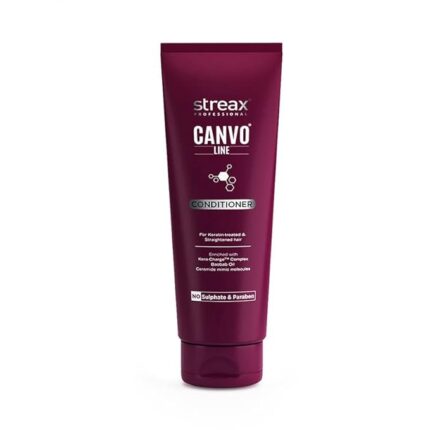
Streax Professional Canvo Line Conditioner 240ml
Original price was: ৳ 800.00.৳ 749.00Current price is: ৳ 749.00.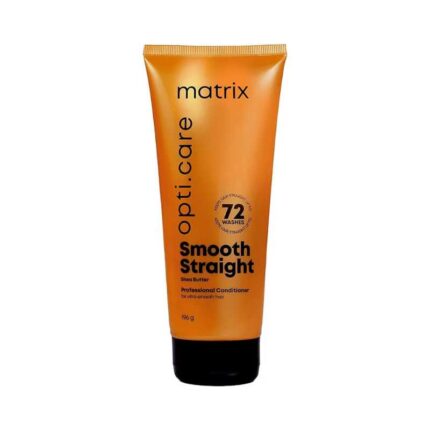
Matrix Opti Care Smooth Straight Shea Butter Conditioner 98g
Original price was: ৳ 800.00.৳ 590.00Current price is: ৳ 590.00.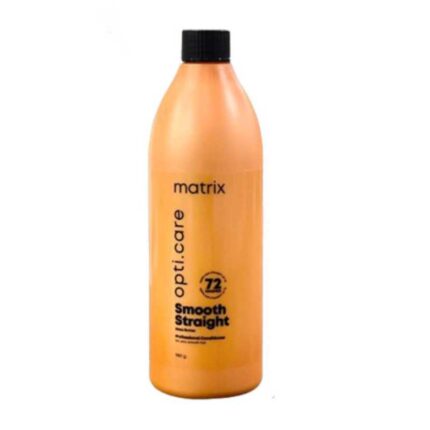
Matrix Smooth Straight Professional Ultra Smoothing Conditioner 980g
Original price was: ৳ 2,850.00.৳ 2,550.00Current price is: ৳ 2,550.00.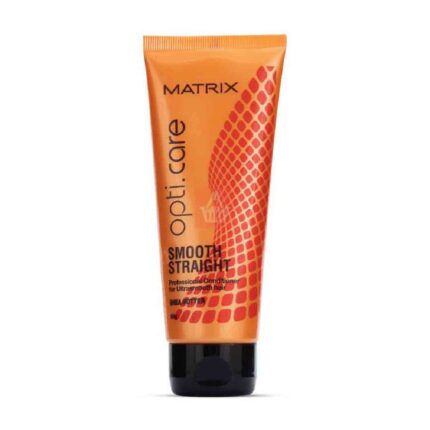
Matrix Opti care Smooth Straight Conditioner – 100ml
Original price was: ৳ 800.00.৳ 650.00Current price is: ৳ 650.00.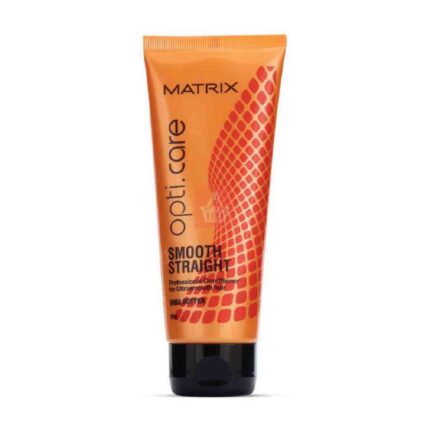
Matrix Opti care Smooth Straight Conditioner 100ml
Original price was: ৳ 850.00.৳ 650.00Current price is: ৳ 650.00.Buy Hair Conditioner Online in Bangladesh
Conditioner is not an optional extra after shampoo. It is the step that helps hair feel softer, smoother, easier to comb and less rough after cleansing. Shampoo is made to remove oil, sweat, dirt and product buildup from the scalp and hair. Conditioner is made to improve the feel and manageability of the hair lengths afterward.
At Padmamart.com, you can buy hair conditioner online in Bangladesh for dry hair, frizzy hair, coloured hair, heat-styled hair, curly hair, tangled hair, rough ends and everyday hair maintenance. Explore rinse-out conditioners, deep conditioners, leave-in conditioners, hair masks, smoothing formulas, moisture-focused products and repair-support conditioners for different hair routines.
The wrong conditioner can make hair feel heavy, flat, greasy or coated. The right conditioner can make brushing easier, reduce roughness, improve softness and help hair look more polished without forcing you to use multiple styling products.
The key is simple: choose conditioner based on the condition of your hair lengths, not just your scalp.
For example, you may have an oily scalp but dry ends. In that case, you may need a lightweight shampoo for the scalp and a richer conditioner only on the mid-lengths and ends. Using an oily-hair shampoo does not mean you should skip conditioner completely.
Start with What Your Hair Actually Needs
Instead of choosing conditioner based only on “normal,” “dry,” or “damaged” labels, identify the issue you notice after washing.
| What Your Hair Feels Like | Conditioner Type to Consider | What to Look For |
|---|---|---|
| Rough, dry or straw-like | Moisturising conditioner | Creamy texture, humectants, oils, butters |
| Puffy or frizzy | Smoothing conditioner | Slip, anti-frizz support, lightweight oils |
| Tangled after washing | Detangling conditioner | Good slip, softening ingredients |
| Flat or weighed down | Lightweight conditioner | Silicone-light or light cream-gel texture |
| Bleached, coloured or heat-styled | Repair-support or protein-balanced conditioner | Moisture plus strengthening ingredients |
| Curly or wavy | Curl conditioner or deep conditioner | Moisture, slip, curl-friendly texture |
| Very dry ends | Rich conditioner or hair mask | Thicker formula for lengths and ends |
| Fine hair | Volumising or lightweight conditioner | Non-heavy, rinse-clean formula |
| Coarse or thick hair | Rich, smoothing conditioner | Stronger moisture and detangling support |
A conditioner should make your hair easier to manage. If it leaves your hair limp, waxy or greasy, it may be too rich for your hair type, you may be applying too much, or you may be applying it too close to the scalp.
Conditioner Is for Hair Lengths, Not Usually the Scalp
This is where many people use conditioner incorrectly.
For most rinse-out conditioners, apply the product from the mid-lengths to the ends of your hair. These areas are older, more exposed to friction, heat, sunlight, brushing and styling. They usually need more softness and protection than the roots.
Avoid applying heavy conditioner directly to the scalp unless the product specifically says it is suitable for scalp use. Putting rich conditioner on the roots can make hair look oily or flat much faster.
A simple rule:
- Shampoo focuses on the scalp.
- Conditioner focuses on the lengths and ends.
- Leave-in products focus on dry or frizzy areas after washing.
This one adjustment can improve most hair routines.
Types of Hair Conditioner
Daily Rinse-Out Conditioner
Rinse-out conditioner is the standard conditioner used after shampooing. It is applied to wet hair, left on for a short time, then rinsed out.
It is suitable for:
- Everyday hair care
- Hair that tangles after shampooing
- Dry or rough ends
- Basic softness and smoothness
- Normal, dry, frizzy or combination hair
- People who shampoo regularly
A daily conditioner does not need to be heavy to be effective. The best option is one that gives enough softness without leaving residue.
Deep Conditioner
Deep conditioner is usually richer and more intensive than a regular conditioner. It is designed to stay on the hair longer and provide extra softness, moisture and manageability.
Deep conditioners are useful for:
- Dry hair
- Coarse hair
- Curly or wavy hair
- Coloured hair
- Bleached or heat-styled hair
- Hair that feels rough after washing
- Seasonal dryness
- Hair exposed to frequent sun, dust or pollution
A deep conditioner is generally used once or twice per week, depending on your hair needs. Using a rich mask every day may make fine hair feel heavy or flat.
Leave-In Conditioner
Leave-in conditioner is applied after washing and is not rinsed out. It is usually used on damp hair before air-drying, blow-drying or styling.
Leave-in conditioner can help with:
- Frizz
- Tangling
- Dry ends
- Heat styling preparation
- Curl definition
- Easier combing
- Roughness after washing
- Travel or on-the-go hair care
Leave-in conditioner should be used in small amounts. Too much can make hair feel sticky, greasy or coated.
Hair Mask
Hair masks are richer treatments often used once a week or as needed. Some masks focus on moisture, others on smoothing, and some include protein or strengthening ingredients.
Hair masks may be useful for:
- Very dry hair
- Bleached hair
- Coloured hair
- Frequent heat styling
- Rough or brittle-feeling ends
- Thick or curly hair
- Hair that needs extra softness
Do not assume that a thicker mask is always better. Fine hair may need a lightweight mask, while thick hair may tolerate richer formulas.
Co-Wash or Cleansing Conditioner
A co-wash is a cleansing conditioner designed to clean hair more gently than shampoo. It is often used by people with curly, dry or textured hair who do not want to shampoo too frequently.
Co-washing can work for some routines, but it is not suitable for everyone. If you use heavy styling products, sweat frequently, have an oily scalp or experience buildup, you may still need regular shampoo.
Conditioner for Different Hair Types
Conditioner for Dry Hair
Dry hair often feels rough, dull, stiff or difficult to comb. It may also become more frizzy after washing.
For dry hair, look for conditioners described as:
- Moisturising
- Hydrating
- Nourishing
- Smoothing
- Repair-support
- Rich cream
- Dry or damaged hair care
- Frizz control
Ingredients commonly found in dry-hair conditioners include glycerin, panthenol, shea butter, plant oils, ceramides, amino acids and smoothing agents. The ingredient list alone does not guarantee results, but it gives you a useful starting point.
If your hair is dry because of bleach, frequent colouring, heat styling or chemical treatments, use a deep conditioner or mask once or twice weekly in addition to a regular conditioner.
Conditioner for Frizzy Hair
Frizz is not always a sign of “bad hair.” It can happen because of humidity, dryness, rough cuticles, hair texture, heat damage, brushing, towel friction or lack of moisture.
For frizzy hair, look for:
- Anti-frizz conditioner
- Smoothing conditioner
- Moisture conditioner
- Leave-in conditioner
- Curl-friendly conditioner
- Humidity-control formula
- Lightweight oils or silicone-based smoothing support
A conditioner can help reduce the rough, puffy feel of frizz, but it will not completely change your natural hair texture. Curly and wavy hair naturally has more volume and movement than straight hair.
Conditioner for Oily Hair
Oily hair still needs conditioner. The mistake is applying a rich conditioner all over the scalp and roots.
For oily hair:
- Use a lightweight conditioner
- Apply only from mid-lengths to ends
- Rinse thoroughly
- Avoid very heavy masks every wash day
- Use less product than you think you need
- Choose clarifying shampoo occasionally if there is buildup
If your scalp becomes oily quickly but your ends are dry, use a balancing routine: cleansing shampoo at the scalp, light conditioner on the lengths, and a small amount of leave-in only on the ends if necessary.
Conditioner for Fine Hair
Fine hair can become flat easily, especially when rich conditioners are used too close to the roots.
For fine hair, choose:
- Lightweight conditioner
- Volumising conditioner
- Weightless moisture formula
- Rinse-clean texture
- Fine or thin hair formula
Apply a small amount and keep it below ear level. Heavy conditioner at the roots often reduces volume.
Conditioner for Thick or Coarse Hair
Thick or coarse hair often needs more slip and moisture because it can feel rough, bulky or difficult to detangle.
For thick hair, choose:
- Rich conditioner
- Deep conditioner
- Smoothing formula
- Moisture mask
- Curl conditioner
- Detangling cream
- Leave-in conditioner for dry ends
Thick hair usually benefits from sectioning while applying conditioner. This helps the product reach all lengths instead of sitting only on the outer layer.
Conditioner for Curly and Wavy Hair
Curly and wavy hair often needs more moisture and detangling support because its shape makes natural oils travel down the strands less easily.
For curls and waves, look for:
- Curl conditioner
- Moisture-rich conditioner
- Detangling formula
- Leave-in conditioner
- Deep conditioner
- Frizz-control cream
- Curl-friendly hair mask
Detangle curls gently while conditioner is in the hair, using fingers or a wide-tooth comb. Brushing dry curls aggressively can increase frizz and disrupt curl shape.
Conditioner for Coloured or Bleached Hair
Hair colouring, bleaching, rebonding, straightening and frequent heat styling can make hair feel drier or more fragile.
For coloured or treated hair, choose:
- Colour-care conditioner
- Repair-support conditioner
- Protein-balanced conditioner
- Moisture mask
- Heat-styling support
- Sulphate-conscious shampoo and conditioner routine if appropriate
Coloured hair needs both moisture and careful handling. Do not overload it with protein treatments every day. Too much protein can make some hair feel stiff or rough.
Moisture, Protein and Smoothing: What Do You Need?
Conditioner labels can be confusing. Most products fall into one or more of these categories.
Moisture-Focused Conditioner
Moisture-focused conditioners help hair feel softer, less dry and easier to manage.
They are useful when hair feels:
- Dry
- Rough
- Dull
- Stiff
- Frizzy
- Tangled
- Exposed to heat or weather
Protein or Strengthening Conditioner
Protein-focused products are often used for hair that feels weak, over-processed, stretchy when wet, or damaged by bleach and heat.
They may include ingredients such as keratin, amino acids, rice protein, wheat protein or hydrolysed proteins.
Protein can be useful, but more is not always better. If hair begins to feel stiff, brittle or overly hard after repeated protein products, reduce frequency and use a moisture-focused conditioner instead.
Smoothing Conditioner
Smoothing conditioners help reduce roughness, improve slip and make hair easier to comb. They may contain silicones, oils, conditioning agents or anti-frizz ingredients.
Silicones are not automatically harmful. They can help reduce friction, add shine and improve smoothness. The practical concern is buildup for some hair types, especially if you rarely use a proper shampoo. If hair starts feeling coated or limp, use a clarifying wash occasionally and adjust your routine.
Hair Conditioner Price in Bangladesh
Hair conditioner price in Bangladesh varies based on brand, size, ingredients, formula, country of origin, product type and current offers.
A basic rinse-out conditioner is usually more affordable than a premium deep conditioner, salon treatment mask or imported leave-in formula. Larger bottles may offer better value if you use the same product regularly.
| Conditioner Type | Approximate Price Range |
|---|---|
| Basic Rinse-Out Conditioner | ৳250 – ৳900+ |
| Moisturising Conditioner | ৳400 – ৳1,800+ |
| Anti-Frizz Conditioner | ৳500 – ৳2,000+ |
| Deep Conditioner | ৳600 – ৳3,000+ |
| Hair Mask | ৳700 – ৳4,500+ |
| Leave-In Conditioner | ৳500 – ৳3,500+ |
| Curl Conditioner | ৳700 – ৳4,000+ |
| Premium Salon Conditioner | ৳1,500 – ৳8,000+ |
Prices are approximate and may change based on size, brand, formula, stock availability, supplier cost, promotions and seasonal discounts. Check each individual product page for the latest conditioner price in Bangladesh.
How to Use Conditioner Correctly
Most people use conditioner too quickly or apply it in the wrong place. This wastes product and reduces results.
Basic Rinse-Out Conditioner Routine
- Shampoo your scalp and rinse thoroughly.
- Gently squeeze excess water from your hair.
- Apply conditioner from mid-lengths to ends.
- Use fingers or a wide-tooth comb to distribute it evenly.
- Leave it on for the time stated on the product label.
- Rinse thoroughly with cool or lukewarm water.
- Avoid rough towel-drying afterward.
Do not apply a large handful of conditioner unless you have very long, thick or coarse hair. Start with a modest amount and add more only if needed.
Deep Conditioner or Hair Mask Routine
- Shampoo hair first.
- Remove excess water.
- Apply the mask from mid-lengths to ends.
- Leave on according to the label, often several minutes longer than regular conditioner.
- Rinse thoroughly.
- Use once or twice weekly unless your product says otherwise.
Do not leave a product on overnight unless the label specifically says it is safe for overnight use.
Leave-In Conditioner Routine
- Wash and condition your hair.
- Towel-dry gently until hair is damp, not dripping wet.
- Apply a small amount of leave-in conditioner to the mid-lengths and ends.
- Comb through gently.
- Air-dry or style as desired.
Using too much leave-in conditioner can make hair look oily even when your scalp is clean.
Conditioner Mistakes That Make Hair Look Worse
Applying Conditioner to the Roots
Heavy product at the roots can make hair look flat, greasy or unwashed. Keep regular conditioner below ear level unless the product says it is scalp-safe.
Using Too Much Product
More conditioner does not mean softer hair. It can leave residue, reduce volume and make rinsing difficult.
Rinsing Too Quickly
Conditioner needs a little time to coat and soften the hair. Read the label and let it sit for the recommended time.
Not Rinsing Properly
Poor rinsing can leave hair sticky, heavy or dull. Rinse thoroughly, especially at the back of the head.
Using Only Hair Oil Instead of Conditioner
Hair oil and conditioner do different jobs. Oil may add shine or reduce dryness, but it does not replace a rinse-out conditioner’s detangling and softening function.
Using a Heavy Mask Every Day
Deep masks can be useful, but daily use may overload fine hair or create buildup. Use them based on your hair condition, not just because they feel luxurious.
Ignoring Heat Damage
If you frequently blow-dry, straighten or curl your hair, conditioner alone is not enough. Use heat protectant before heat styling.
Expecting Conditioner to Repair Split Ends Permanently
Conditioner can make split ends feel smoother temporarily, but it cannot permanently fuse split ends back together. Trimming is the practical solution for severely split or damaged ends.
Build a Conditioner Routine That Fits Your Hair
Simple Routine for Normal Hair
- Shampoo as needed
- Use lightweight rinse-out conditioner after shampoo
- Use a deep conditioner only when hair feels dry or rough
Routine for Dry or Frizzy Hair
- Use a gentle shampoo
- Apply moisturising conditioner after every wash
- Use a deep conditioner once weekly
- Add a small amount of leave-in conditioner to damp ends
- Avoid aggressive towel rubbing
Routine for Oily Scalp and Dry Ends
- Shampoo the scalp properly
- Use light conditioner only on lengths
- Avoid applying conditioner to roots
- Use leave-in sparingly on dry ends only
- Clarify occasionally if product buildup occurs
Routine for Curly Hair
- Use moisture-focused conditioner
- Detangle gently while conditioner is in hair
- Use a deep conditioner weekly if needed
- Apply leave-in conditioner or curl cream to damp hair
- Avoid brushing dry curls
Routine for Coloured or Heat-Damaged Hair
- Use colour-care or repair-support shampoo and conditioner
- Use a deep conditioner or mask weekly
- Use heat protectant before styling
- Avoid excessive hot tools
- Trim damaged ends regularly
Frequently Asked Questions About Hair Conditioner
Where can I buy hair conditioner online in Bangladesh?
You can buy hair conditioner online from Padmamart.com. Explore daily conditioners, deep conditioners, leave-in conditioners, hair masks and formulas for dry, frizzy, curly, coloured and damaged hair.
Should I use conditioner every time I shampoo?
For most people, yes. Shampoo can leave hair lengths feeling rough or tangled, and conditioner helps restore softness and manageability.
Can I use conditioner on my scalp?
Most standard conditioners should be applied mainly to the mid-lengths and ends. Applying heavy conditioner to the scalp may make roots look oily or flat.
Which conditioner is best for dry hair?
A moisturising or nourishing conditioner with a richer texture is usually suitable for dry hair. Deep conditioner or hair mask can be added once or twice weekly if needed.
Which conditioner is best for oily hair?
Choose a lightweight conditioner and apply it only to the hair lengths and ends. Oily scalp does not mean you should skip conditioner completely.
Can I use leave-in conditioner every day?
Yes, but use a small amount. If your hair feels greasy, sticky or weighed down, reduce the amount or use it less frequently.
What is the difference between conditioner and hair mask?
Regular conditioner is used after shampoo for everyday softness and detangling. A hair mask is usually richer and used less frequently for deeper moisture or treatment support.
Can conditioner help with frizz?
Conditioner can improve softness, reduce roughness and help manage frizz. It cannot permanently change your natural hair texture, but it can make hair easier to style.
Does conditioner cause hair fall?
Conditioner does not usually cause hair fall when used correctly. Hair shedding can be linked to many factors, including stress, hormones, nutrition, illness, scalp conditions and breakage. If you notice significant or persistent shedding, seek professional advice.
Should I use protein conditioner every day?
Not necessarily. Too much protein may make some hair feel stiff or brittle. Alternate with moisture-focused conditioner if your hair starts feeling hard or dry.
Can I use conditioner before shampoo?
Some people use pre-shampoo conditioning or “pre-poo” treatments, but standard rinse-out conditioner is generally used after shampoo. Follow the product instructions.
How often should I use deep conditioner?
Once or twice weekly is enough for many people. Fine hair may need less frequent use, while very dry or curly hair may benefit from more regular deep conditioning.
Shop Hair Conditioner Online at Padmamart
Healthy-looking hair is not created by shampoo alone. The right conditioner can make your hair easier to comb, softer to touch, less rough after washing and more manageable during styling.
At Padmamart.com, explore hair conditioners for dry hair, frizzy hair, oily roots, curly hair, coloured hair, heat-styled hair and everyday maintenance. Compare rinse-out, deep and leave-in formulas, choose the texture that suits your routine, and avoid buying products that do not match your actual hair needs.
Buy hair conditioner online in Bangladesh from Padmamart.com and build a hair routine that works from wash day to styling day.