
Rosehip Oil: Your Guide to Radiant, Youthful Skin

For centuries, seekers of radiant, youthful skin have turned to the potent elixirs of nature. Among these,
Rosehip Oil stands out as a true skincare hero, revered for its remarkable ability to rejuvenate and restore the complexion. This versatile botanical treasure, extracted from the seeds of wild rose bushes, offers a spectrum of benefits, from diminishing the appearance of scars and fine lines to deeply nourishing the skin with essential vitamins. If you desire a natural solution to achieve a healthy glow, understanding the full potential of rosehip oil becomes indispensable.
What Exactly is Rosehip Oil?
Rosehip oil originates from the fruit and seeds of the rose plant, specifically species like Rosa canina or Rosa rubiginosa. Unlike rose essential oil, which comes from the petals, rosehip oil derives from the small, reddish-orange hips left behind after the rose has bloomed and dropped its petals. This concentrated oil boasts a rich profile of essential fatty acids, vitamins, and antioxidants, making it a powerful ingredient in natural skincare formulations.
The Origins of a Skincare Elixir
Indigenous cultures, particularly in South America, have long recognized the medicinal and cosmetic properties of rosehips. Ancient Egyptians, Mayans, and Native Americans incorporated rosehips into their remedies for various ailments and as a beauty secret to maintain healthy skin. They applied the oil to soothe skin, heal wounds, and protect against environmental stressors. This historical reverence highlights the enduring efficacy of rosehip oil, which continues to impress modern skincare enthusiasts and professionals alike.
Extraction Methods and Purity
The quality of rosehip oil largely depends on its extraction method. Cold-pressed rosehip oil remains the most sought-after variety. This method involves pressing the rosehip seeds at low temperatures, which preserves the oil’s delicate nutrients, including its valuable vitamins, antioxidants, and essential fatty acids. Chemical solvents, on the other hand, can strip the oil of its beneficial compounds and leave behind residues. Always prioritize cold-pressed, unrefined rosehip oil to ensure you receive the purest and most potent form of this incredible botanical.
Recommended Products
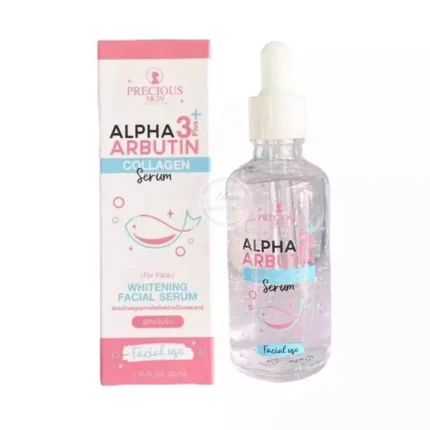 Sale
SaleOriginal price was: ৳ 795.00.৳ 599.00Current price is: ৳ 599.00.
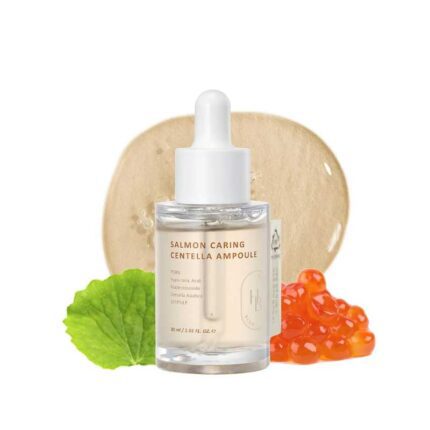 Sale
SaleOriginal price was: ৳ 1,940.00.৳ 1,350.00Current price is: ৳ 1,350.00.
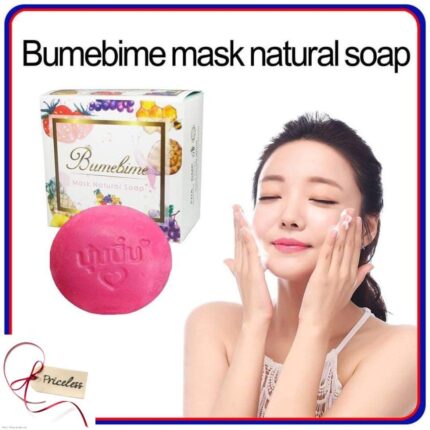 Sale
SaleOriginal price was: ৳ 700.00.৳ 520.00Current price is: ৳ 520.00.
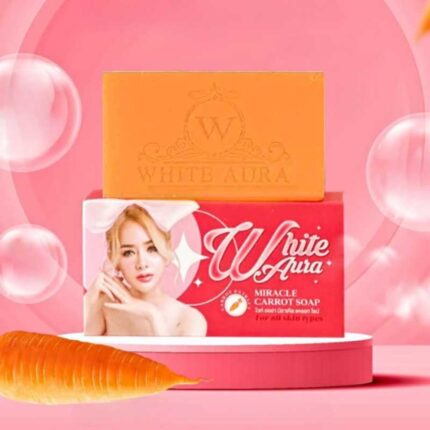
Unlocking the Myriad Benefits of Rosehip Oil
The impressive array of nutrients within rosehip oil contributes to its widespread acclaim. Each component plays a vital role in enhancing skin health and appearance, offering solutions for a multitude of common concerns. People integrate rosehip oil into their daily routines because it delivers comprehensive care.
A Vitamin Rich Facial Oil for Nourishment
Rosehip oil truly excels as a vitamin rich facial oil. It contains an impressive concentration of Vitamin A (retinoic acid), Vitamin C, and Vitamin E. Vitamin A, a natural retinoid, promotes cell turnover, helping to reveal fresh, new skin cells. Vitamin C, a powerful antioxidant, brightens the complexion and supports collagen production, vital for skin elasticity. Vitamin E protects the skin from free radical damage and provides deep moisturization. These vitamins work synergistically to nourish the skin, creating a healthier, more vibrant appearance.
The Anti-Aging Oil You Need: Combatting Fine Lines and Wrinkles
As we age, our skin’s natural collagen production slows, leading to the formation of fine lines and wrinkles. Rosehip oil serves as a formidable anti aging oil due to its rich content of antioxidants and essential fatty acids. The retinoic acid in rosehip oil aids in stimulating collagen synthesis and improving skin elasticity, effectively reducing the visibility of fine lines. Furthermore, its antioxidants combat oxidative stress, a primary contributor to premature aging, helping to maintain a youthful complexion. Regular application helps to plump the skin, diminishing the appearance of established wrinkles and preventing new ones.
Effective Scar Treatment Oil: Healing and Regeneration
For individuals seeking to minimize the appearance of scars, rosehip oil proves an invaluable ally. It functions as an exceptional scar treatment oil, particularly beneficial for acne scars, surgical scars, and stretch marks. The oil’s regenerative properties stem from its combination of essential fatty acids, like linoleic and linolenic acids, and its natural retinoid content. These compounds support skin regeneration, helping to fade discoloration and improve the texture of scar tissue. Consistent use over time smooths and softens the skin, making scars less noticeable. Apply it diligently to new scars for optimal results, as it aids in healthy tissue formation.
Brightening and Evening Skin Tone
Uneven skin tone, hyperpigmentation, and dark spots can detract from an otherwise healthy complexion. Rosehip oil actively addresses these concerns by promoting a brighter, more even skin tone. Its Vitamin C content works to inhibit melanin production, which reduces the appearance of dark spots and hyperpigmentation. The natural retinoids also contribute to skin cell turnover, helping to shed pigmented cells and reveal brighter skin underneath. Many users report a noticeable improvement in skin luminosity and clarity after incorporating rosehip oil into their regimen.
Deep Hydration Without Clogging Pores
Maintaining proper skin hydration is fundamental for a healthy barrier function and a supple feel. Rosehip oil offers excellent moisturizing properties without feeling heavy or greasy. Its lightweight texture allows for quick absorption, delivering essential fatty acids deep into the skin’s layers. These fatty acids help to reinforce the skin’s natural lipid barrier, preventing moisture loss and keeping the skin soft and hydrated. Importantly, rosehip oil is non-comedogenic, meaning it does not clog pores, making it suitable even for those with oily or acne-prone skin types who fear heavy oils.
Soothing Irritation and Reducing Redness
Sensitive or irritated skin benefits greatly from the anti-inflammatory properties found in rosehip oil. It contains compounds that help to calm redness, reduce swelling, and alleviate discomfort associated with various skin conditions, including eczema, rosacea, and general sensitivity. The essential fatty acids, particularly gamma-linolenic acid (GLA), contribute to its soothing effects. Applying rosehip oil gently to irritated areas provides a comforting sensation and aids in restoring a balanced, calm complexion. Many find relief from chronic dryness and flakiness with consistent application.
How to Incorporate Rosehip Oil into Your Skincare Routine
Adding rosehip oil to your daily skincare regimen is straightforward, offering flexibility to suit individual needs. Integrate it thoughtfully to maximize its potential.
Choosing the Right Rosehip Oil Product
When selecting rosehip oil, prioritize quality. Look for products labeled “cold-pressed” and “unrefined” to ensure the oil retains its full spectrum of beneficial compounds. Organic certification further guarantees that the oil is free from pesticides and harmful chemicals. Pure rosehip oil typically comes in a dark glass bottle, which protects it from light degradation, preserving its potency. Avoid products with added fragrances or preservatives if you seek the purest form.
Application Techniques for Maximum Benefit
- Cleanse First: Always apply rosehip oil to freshly cleansed skin.
- Tone: Follow cleansing with a toner, if desired, to prepare the skin.
- Serum Layer: If you use other serums (e.g., hyaluronic acid), apply them before rosehip oil.
- Dispense: Place 2-4 drops of rosehip oil into your palm.
- Warm: Gently rub your hands together to warm the oil slightly.
- Apply: Press the oil onto your face and neck, then massage it in with upward, circular motions until absorbed.
- Moisturize (Optional): If your skin requires additional hydration, follow with a moisturizer.
- Frequency: Use rosehip oil once or twice daily, depending on your skin’s needs. Many prefer evening application to allow it to work overnight.
Combining Rosehip Oil with Other Skincare Ingredients
Rosehip oil pairs well with many other skincare ingredients. For enhanced hydration, layer it over a hyaluronic acid serum. If you use Vitamin C serum, apply it before rosehip oil to amplify brightening effects. Rosehip oil also complements facial moisturizers by sealing in moisture and boosting their nourishing properties. However, exercise caution when combining with strong retinoids (prescription strength Vitamin A) or harsh exfoliants, as this combination might increase skin sensitivity. Always patch test new combinations.
Selecting the Best Rosehip Oil for Your Needs
The market offers numerous rosehip oil products, so understanding key distinctions helps you make an informed choice.
Cold-Pressed vs. Solvent-Extracted
The choice between cold-pressed and solvent-extracted rosehip oil significantly impacts its quality. Cold-pressed methods extract the oil mechanically without heat or chemical solvents, preserving the oil’s delicate fatty acids, vitamins, and antioxidants. This results in a superior, more potent oil. Solvent extraction, conversely, uses chemicals to separate the oil from the seeds. While more efficient, this process often degrades beneficial compounds and may leave behind residual solvents. Always opt for cold-pressed for maximum efficacy.
Organic and Pure Formulations
Seeking organic certification ensures that the rosehip seeds grew without synthetic pesticides or fertilizers. This translates to a cleaner, purer oil, free from unwanted chemical contaminants. A pure formulation means the product contains only rosehip oil, without added fillers, fragrances, or preservatives. These additives can irritate sensitive skin or dilute the oil’s potency. Review the ingredient list carefully; it should simply state “Rosa Canina Fruit Oil” or “Rosa Rubiginosa Seed Oil.”
Storage and Shelf Life
Rosehip oil is delicate and prone to oxidation due to its high content of polyunsaturated fatty acids. Proper storage is crucial to maintain its freshness and effectiveness. Store your rosehip oil in a cool, dark place, away from direct sunlight and heat. Refrigeration can extend its shelf life. Most rosehip oils have a shelf life of 6-12 months once opened. If the oil develops a rancid or overly strong scent, or if its color changes significantly, it has likely oxidized and you should discard it.
Potential Side Effects and Important Precautions
Rosehip oil is generally well-tolerated by most skin types, but a few precautions ensure a positive experience.
- Patch Test: Before applying rosehip oil to your entire face, perform a patch test on a small, inconspicuous area of skin (e.g., behind the ear or on the inner forearm). Wait 24-48 hours to check for any signs of redness, itching, or irritation.
- Allergic Reactions: Though rare, allergic reactions can occur. Discontinue use immediately if you experience persistent irritation, rash, or swelling.
- Acne Breakouts: While non-comedogenic for most, individuals with extremely sensitive or breakout-prone skin might experience initial breakouts as the skin adjusts. Start with infrequent use and gradually increase frequency.
- Sun Sensitivity: Rosehip oil contains natural retinoids which can increase skin’s sensitivity to the sun. Always use a broad-spectrum sunscreen daily when incorporating rosehip oil into your routine, especially during daylight hours.
- Pregnancy and Breastfeeding: Consult with a healthcare professional before using rosehip oil if pregnant or breastfeeding, due to its Vitamin A content.
- Open Wounds: Avoid applying rosehip oil directly to fresh, open wounds. Allow the wound to begin healing before using the oil for scar treatment.
Rosehip Oil vs. Other Popular Facial Oils
The world of facial oils offers many choices. Understanding how rosehip oil compares to others helps you make an informed decision for your specific skin needs.
Rosehip Oil vs. Argan Oil
Argan oil, often called “liquid gold,” comes from the kernels of the argan tree. It is rich in Vitamin E and oleic acid, making it an excellent moisturizer and protective barrier for the skin. Argan oil is particularly effective for hydrating dry skin and hair. Rosehip oil, however, offers a broader range of benefits, specifically targeting anti-aging concerns, scar reduction, and evening skin tone due to its higher concentration of Vitamin A (retinoic acid) and Vitamin C. While both provide nourishment, rosehip oil exhibits more active regenerative properties.
Rosehip Oil vs. Jojoba Oil
Jojoba oil is unique because it is technically a liquid wax, closely mimicking the skin’s natural sebum. This makes it an exceptional choice for balancing oily and acne-prone skin, as it signals to the skin that it has produced enough oil. Jojoba oil is also highly stable and has a long shelf life. Rosehip oil, while also suitable for oily skin, provides more targeted treatment for issues like hyperpigmentation, fine lines, and scarring due to its vitamin and fatty acid profile. Jojoba oil excels at sebum regulation, while rosehip oil focuses on cellular regeneration and repair.
Rosehip Oil vs. Squalane Oil
Squalane oil, derived from squalene (a compound naturally found in human sebum), is an incredibly lightweight and non-comedogenic moisturizer. It provides excellent hydration and helps to improve skin elasticity without any greasy feel. Squalane is highly stable and suitable for all skin types, including the most sensitive. While squalane focuses primarily on hydration and barrier support, rosehip oil offers a more active treatment for specific concerns like anti-aging, scar fading, and brightening due to its unique vitamin and essential fatty acid composition. Use squalane for pure hydration and rosehip oil for its reparative and regenerative effects.
Frequently Asked Questions
Can I use rosehip oil every day?
Yes, you can use rosehip oil daily, often twice a day (morning and evening), as part of your regular skincare routine. Start with once a day if you have very sensitive skin.
Is rosehip oil good for acne-prone skin?
Yes, rosehip oil is generally suitable for acne-prone skin. It is non-comedogenic and its anti-inflammatory properties can help reduce redness and irritation associated with breakouts. Its scar-fading abilities also benefit post-acne marks.
How long does it take to see results from rosehip oil?
Results vary by individual and concern. For scar fading and anti-aging benefits, consistent use for several weeks to a few months typically yields noticeable improvements. Hydration and brightening effects often appear sooner.
Can I mix rosehip oil with my moisturizer?
Absolutely. You can mix a few drops of rosehip oil directly into your favorite moisturizer for an added boost of nourishment and hydration. This also helps to seal in moisture.
Does rosehip oil protect from sun damage?
While rosehip oil contains antioxidants that help combat free radical damage from sun exposure, it does not provide UV protection. Always apply a dedicated broad-spectrum sunscreen as the final step in your morning routine.
Conclusion
Rosehip oil stands as a testament to nature’s profound ability to heal, nourish, and rejuvenate the skin. From its historical roots as a treasured elixir to its modern recognition as a powerful skincare ingredient, this vitamin rich facial oil consistently delivers impressive results. Whether you aim to diminish the appearance of fine lines, fade scars, or simply achieve a brighter, more hydrated complexion, rosehip oil offers a holistic solution. Incorporate this versatile anti aging oil and scar treatment oil into your routine to unlock truly radiant and resilient skin, embracing a natural path to lasting beauty.