
Resveratrol: The Ultimate Antioxidant for Youthful Skin

In the quest for luminous, age-defying skin, one ingredient consistently emerges from scientific research: Resveratrol. This remarkable compound, celebrated for its robust protective qualities, has become a cornerstone in advanced skincare formulations. Understanding its profound impact allows individuals to make informed choices for their beauty regimen, ensuring their skin receives the benefits of this potent ingredient.
Understanding Resveratrol: A Potent Plant Polyphenol
Resveratrol is a natural polyphenol found in various plants, renowned for its defense mechanisms. Its primary role in nature is to protect plants from environmental stressors, including fungal infections and UV radiation. This protective ability translates powerfully into human applications, particularly within dermatological science. Research shows that it’s a key player in promoting cellular health and resilience.
Where Does Resveratrol Come From?
The most famous source of Resveratrol is the skin of red grapes, particularly those grown in cooler climates. However, this beneficial compound is also present in other natural sources. Berries, such as blueberries and cranberries, contain significant amounts. Peanuts and cocoa are additional dietary sources, making Resveratrol accessible through various foods. It truly represents a gift from nature, providing extensive health benefits.
Recommended Products
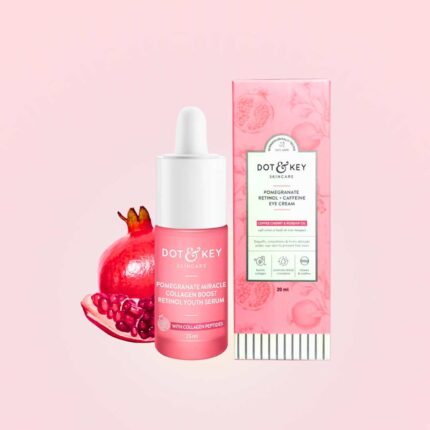 Sale
SaleOriginal price was: ৳ 1,690.00.৳ 1,290.00Current price is: ৳ 1,290.00.
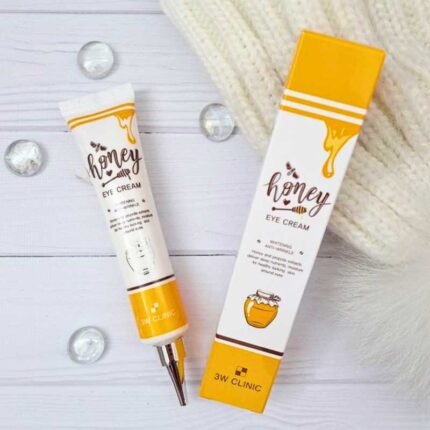 Sale
SaleOriginal price was: ৳ 550.00.৳ 350.00Current price is: ৳ 350.00.
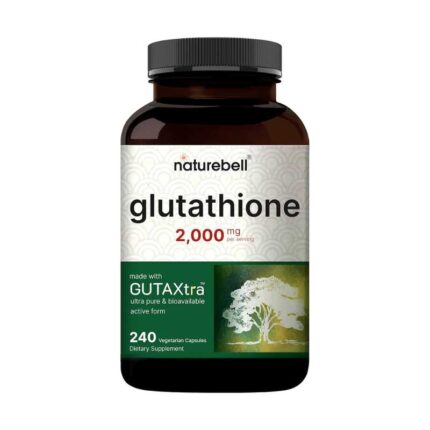 Sale
SaleOriginal price was: ৳ 7,390.00.৳ 5,500.00Current price is: ৳ 5,500.00.
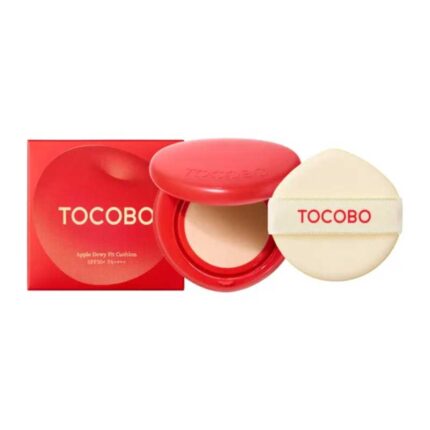 Sale
SaleOriginal price was: ৳ 2,840.00.৳ 1,988.00Current price is: ৳ 1,988.00.
The Science of Resveratrol: How It Works on Your Skin
At its core, Resveratrol functions as a formidable antioxidant skincare ingredient. This means it actively neutralizes free radicals, which are unstable molecules. Free radicals cause oxidative stress, a process that damages skin cells and accelerates aging. By mitigating this damage, Resveratrol helps preserve the skin’s structural integrity and youthful appearance. Its mechanism involves a complex interplay of cellular pathways.
Resveratrol as an Antioxidant Powerhouse
The skin is constantly exposed to environmental aggressors like pollution and UV radiation. These factors generate free radicals, leading to premature aging, hyperpigmentation, and loss of elasticity. Resveratrol intervenes by scavenging these damaging free radicals, effectively shielding skin cells. This protective action is critical for maintaining a healthy, resilient complexion over time. It offers comprehensive defense against daily assaults.
Anti-Inflammatory Properties for Calmer Skin
Beyond its antioxidant capabilities, Resveratrol exhibits significant anti-inflammatory effects. Chronic inflammation can exacerbate skin conditions like redness, sensitivity, and even contribute to collagen degradation. By calming inflammatory responses, this anti aging polyphenol helps reduce irritation and discomfort. This results in a more even-toned and serene complexion, improving overall skin health and comfort. It’s a key aspect of its therapeutic value.
Boosting Cellular Longevity and Repair
One of the most exciting aspects of Resveratrol is its potential role in activating sirtuins, often referred to as “longevity proteins.” Sirtuins are enzymes that regulate cellular health, repair DNA damage, and improve cell function. By supporting sirtuin activity, Resveratrol may help extend the lifespan of skin cells, enhancing their ability to withstand stress and repair themselves. This contributes directly to a more youthful and vibrant appearance, making it a cornerstone of regenerative skincare.
Resveratrol in Skincare: A Highly Sought-After Ingredient
Given its multifaceted benefits, Resveratrol has become a premium addition to many high-performance skincare products. Formulators value it for its ability to target multiple signs of aging and environmental damage simultaneously. Its inclusion elevates a product’s efficacy, offering users a powerful tool for skin rejuvenation and protection. Integrating this ingredient can transform a daily routine.
Why Resveratrol is a Skincare MVP
The demand for powerful, scientifically-backed ingredients in skincare continues to grow. Resveratrol meets this demand by delivering comprehensive benefits. It addresses concerns from fine lines to environmental stress, making it versatile. As a result, it’s often found in serums, creams, and treatments designed to deliver maximum impact. Its efficacy has been well-documented in numerous studies, solidifying its reputation.
Challenges in Formulation and Stability
Despite its potency, formulating Resveratrol into stable and effective skincare products presents challenges. Resveratrol is notoriously unstable when exposed to light and air, which can degrade its efficacy. Brands overcome this by using specialized encapsulation techniques or combining it with other stabilizing antioxidants like Vitamin E or ferulic acid. Proper packaging, such as opaque, airtight containers, is also crucial for preserving its integrity and ensuring optimal performance. Manufacturers invest heavily in research to maintain its stability.
Key Benefits of Resveratrol for Skin Health
The widespread use of Resveratrol in skincare is not merely a trend; it is driven by a strong body of scientific evidence. Its unique properties offer a broad spectrum of benefits for various skin concerns. From mitigating the visible effects of aging to providing robust protection against daily stressors, Resveratrol proves itself an invaluable asset in maintaining healthy, radiant skin. Its versatility makes it suitable for diverse skin types and needs.
Combating Visible Signs of Aging
One of the most celebrated benefits of this anti aging polyphenol is its profound impact on reducing the visible signs of aging. By targeting oxidative stress and supporting cellular repair, Resveratrol helps to diminish the appearance of fine lines and wrinkles. It promotes collagen production, improving skin firmness and elasticity. This leads to a smoother, more supple complexion that reflects a youthful vitality. Regular use can significantly enhance skin texture.
Protecting Against Environmental Damage
The skin constantly faces threats from environmental factors such as UV radiation, pollution, and harsh weather. These aggressors generate free radicals that can damage skin cells and accelerate photoaging. Resveratrol acts as a protective shield, neutralizing these free radicals before they can inflict harm. It bolsters the skin’s natural defenses, helping to prevent premature aging and maintaining skin health. This preventative aspect is crucial for long-term skin vitality. According to cosmetic dermatology insights, environmental protection is paramount.
Evening Skin Tone and Reducing Hyperpigmentation
Uneven skin tone and hyperpigmentation, including dark spots and sun spots, are common concerns. Resveratrol can contribute to a more even complexion by influencing melanin production pathways. While not a primary skin lightener, its antioxidant and anti-inflammatory actions help reduce the factors that trigger pigment overproduction. This leads to a brighter, more uniform skin tone, enhancing overall radiance. It supports a clearer, more luminous appearance.
Calming Redness and Soothing Irritation
For individuals with sensitive or reactive skin, chronic redness and irritation can be persistent issues. Resveratrol’s potent anti-inflammatory properties make it an excellent ingredient for calming stressed skin. It helps to reduce erythema (redness) and soothe discomfort, promoting a more balanced and comfortable skin state. This makes it particularly beneficial for those prone to conditions like rosacea or general skin sensitivity, offering a gentle yet effective solution. Clinical observations often note its soothing effects.
Boosting Skin’s Natural Defense Mechanisms
Beyond its direct protective actions, Resveratrol also supports the skin’s inherent ability to defend itself. It strengthens the skin barrier, making it more resilient against external aggressors and better able to retain moisture. A healthy skin barrier is fundamental for preventing water loss and keeping irritants out. By fortifying this crucial defense, Resveratrol ensures the skin remains strong, hydrated, and less vulnerable to damage. This comprehensive support enhances the skin’s overall integrity.
Integrating Resveratrol into Your Skincare Routine
Incorporating an antioxidant skincare ingredient like Resveratrol into your daily regimen is straightforward. To maximize its benefits, consider its role in conjunction with other active ingredients and apply it strategically. Consistent use is key to seeing noticeable improvements in skin appearance and health. A well-planned routine ensures optimal results from this powerful anti aging polyphenol.
Choosing the Right Resveratrol Product
Resveratrol is typically found in serums and creams, which are ideal for delivering active ingredients deeply into the skin. Serums, with their concentrated formulas, are often preferred for targeted treatment. Creams offer a more occlusive layer, providing hydration alongside the antioxidant benefits. Look for products that list Resveratrol high on the ingredient list, indicating a meaningful concentration. Quality packaging also plays a vital role in preserving its potency.
When and How to Apply
For optimal results, apply Resveratrol products in the evening. This allows the ingredient to work overnight, repairing and regenerating the skin while you sleep. After cleansing and toning, apply a Resveratrol serum or cream before heavier moisturizers. A small amount is usually sufficient. Always follow the specific instructions provided by the product manufacturer for best practices. Consistency is far more important than quantity.
Pairing Resveratrol with Other Ingredients
Resveratrol works synergistically with other antioxidants to amplify its protective effects. It pairs exceptionally well with Vitamin C, Vitamin E, and ferulic acid, creating a powerful antioxidant cocktail. This combination offers broader protection against different types of free radicals and enhances overall stability. Avoid combining it with harsh exfoliants or retinoids in the same application, though they can be used in different parts of your routine. Always introduce new ingredients gradually.
Patch Testing for Sensitivity
As with any new active ingredient, conducting a patch test before full facial application is advisable. Apply a small amount of the product to an inconspicuous area, such as behind the ear or on the inner forearm. Observe the area for 24-48 hours for any signs of redness, irritation, or allergic reaction. This simple step helps prevent potential adverse reactions and ensures the product is suitable for your skin type. Skin sensitivity varies greatly among individuals.
Dietary vs. Topical Resveratrol for Skin Benefits
While Resveratrol is available through dietary sources and supplements, its direct impact on skin health is often most pronounced through topical application. Understanding the differences in how these methods deliver benefits is crucial. Both approaches contribute to overall well-being, but topical application targets the skin specifically. This distinction guides product selection and usage recommendations.
Foods Rich in Resveratrol
Consuming foods rich in Resveratrol contributes to general health. Red wine, red grape skin, peanuts, and various berries are excellent dietary sources. These foods provide a range of antioxidants and other beneficial compounds that support bodily functions, including those related to skin health from within. However, the amount of Resveratrol directly reaching skin cells through diet is limited. A balanced diet remains fundamental for overall vitality.
Effectiveness of Topical Application
For direct skin benefits, topical application of Resveratrol is considered more effective. When applied directly to the skin, it can penetrate the epidermal layers, where it can actively neutralize free radicals, reduce inflammation, and stimulate cellular repair. This direct delivery ensures a higher concentration of the active ingredient precisely where it is needed most. Topical formulations are engineered for targeted action. Research published in dermatological journals supports the efficacy of topical delivery.
The Role of Resveratrol Supplements
Resveratrol supplements are popular for their potential systemic health benefits, including cardiovascular support and anti-aging effects. While these supplements may offer internal advantages, their direct impact on skin appearance compared to topical application is less immediate or direct. Supplements are processed by the digestive system, and only a fraction of the compound reaches the skin. For specific skincare concerns, topical products remain the preferred choice. Always consult a healthcare professional before starting any supplement regimen.
Potential Side Effects and Considerations
While generally well-tolerated, understanding potential considerations and side effects is important. Like any active ingredient, individual reactions can vary. Being informed allows users to incorporate Resveratrol safely and effectively into their routine. Awareness ensures a positive experience and maximizes the anti aging polyphenol’s advantages.
General Safety for Topical Use
Topical Resveratrol is largely considered safe for most skin types, including sensitive skin. Adverse reactions are uncommon but can occur. Mild irritation, redness, or itching might be experienced by a small percentage of individuals, especially when first introducing the product. These reactions are usually temporary and subside as the skin adjusts. Starting with a lower concentration product can help minimize potential sensitivity. Data from dermatological studies generally support its safety profile.
Who Should Exercise Caution?
While broad contraindications are rare, individuals who are pregnant or breastfeeding should always consult their doctor before using any new active skincare ingredients. Those with highly reactive skin conditions or known allergies to grape-derived products should also exercise caution. If irritation persists, discontinue use and seek advice from a dermatologist. Personalized medical advice is always recommended for specific health concerns.
Understanding Product Concentrations
The efficacy of Resveratrol in skincare products can depend on its concentration. While higher concentrations may offer more pronounced benefits, they can also increase the likelihood of irritation for sensitive skin. Reputable brands formulate products with optimal concentrations that balance effectiveness and tolerability. Always check the product’s ingredient list and manufacturer recommendations. A concentration between 0.5% and 1% is often cited as effective in many studies.
Resveratrol Compared to Other Leading Antioxidants
The landscape of antioxidant skincare is rich with powerful ingredients. While many offer similar benefits, Resveratrol possesses unique qualities that differentiate it. Understanding how it stands alongside other popular antioxidants helps in curating a comprehensive skincare routine. Each antioxidant brings distinct strengths to the table, creating synergistic effects when combined.
Resveratrol vs. Vitamin C
Vitamin C is a well-known antioxidant prized for its brightening, collagen-boosting, and protective properties. It effectively neutralizes free radicals and helps reduce hyperpigmentation. Resveratrol, as an anti aging polyphenol, also offers robust antioxidant and anti-inflammatory benefits. While Vitamin C often focuses on brightening and collagen synthesis, Resveratrol excels in cellular longevity and protection against environmental stressors. Using both can provide a powerful, multi-pronged defense against aging. Their mechanisms complement each other effectively.
Resveratrol vs. Vitamin E
Vitamin E is another classic antioxidant, particularly effective in protecting cell membranes from oxidative damage. It’s also an excellent moisturizer and often used to soothe and heal skin. Resveratrol complements Vitamin E by targeting different types of free radicals and activating different cellular pathways. When combined, they offer enhanced antioxidant protection and improved skin barrier function. Many high-quality formulations include both for synergistic benefits. According to dermatological consensus, combining antioxidants maximizes protection.
Resveratrol vs. Ferulic Acid
Ferulic acid is a potent plant-derived antioxidant that not only neutralizes free radicals but also enhances the stability and efficacy of other antioxidants, particularly Vitamin C and E. It provides photo-protection and helps in reducing UV-induced skin damage. Resveratrol and ferulic acid, both potent plant compounds, work excellently together. Ferulic acid can help stabilize Resveratrol in formulations, while Resveratrol provides its distinct benefits, creating a more powerful and stable antioxidant complex. Their combined action provides superior environmental defense.
Choosing the Best Resveratrol Skincare Product
Selecting the right Resveratrol product is crucial for maximizing its benefits. With a myriad of options available, discerning what makes a product effective requires careful consideration of several factors. Focus on formulation, packaging, and complementary ingredients to ensure you invest in a truly impactful antioxidant skincare ingredient. Informed choices lead to superior results.
Key Ingredients to Look For
Beyond Resveratrol itself, look for products that include other stabilizing and synergistic antioxidants. Vitamin E and ferulic acid are excellent partners, enhancing Resveratrol’s stability and boosting overall antioxidant power. Hyaluronic acid and glycerin are also beneficial, providing hydration and supporting the skin barrier. Avoid products with excessive fragrances or known irritants if you have sensitive skin. A well-rounded formula addresses multiple skin needs simultaneously. Industry experts often recommend ingredient synergy.
Importance of Packaging
Due to Resveratrol’s sensitivity to light and air, the packaging of a product is paramount. Opt for opaque, airtight containers, such as pumps or tubes, rather than jars. Jars expose the product to oxygen and light with each use, degrading the efficacy of sensitive ingredients. Proper packaging ensures that the anti aging polyphenol remains potent throughout its shelf life. This simple detail can significantly impact product performance.
Formulation Stability and Delivery Systems
Advanced formulations often utilize specialized delivery systems, such as encapsulation, to protect Resveratrol from degradation and ensure its effective penetration into the skin. These technologies enhance the ingredient’s stability and bioavailability. Research into a brand’s commitment to scientific formulation can provide insight into the product’s overall quality and effectiveness. A stable formula delivers consistent, powerful results over time. This technological advancement is critical for ingredient integrity.
The Future of Resveratrol in Skincare Research
The scientific community continues to explore the full potential of Resveratrol in skincare. Ongoing research aims to uncover new applications and optimize its delivery methods. This dedication ensures that Resveratrol remains at the forefront of innovative dermatological solutions. The future looks bright for this powerful antioxidant skincare ingredient, promising even more advanced benefits.
Ongoing Studies and Emerging Applications
Current research is delving deeper into Resveratrol’s mechanisms, particularly its interaction with cellular aging pathways and its role in protecting against blue light damage. Scientists are also investigating its potential in treating specific skin conditions beyond general anti-aging. These studies could lead to new generations of Resveratrol-based products. The breadth of its potential continues to expand, driven by robust scientific inquiry.
Innovations in Delivery Technology
As the understanding of Resveratrol’s benefits grows, so does the sophistication of its delivery. Innovations in nanotechnology and advanced encapsulation are making it possible to create even more stable and bioavailable formulations. These advancements aim to ensure that the maximum amount of this anti aging polyphenol reaches its target in the skin, enhancing its efficacy and prolonging its benefits. The goal is to overcome past formulation challenges and unlock greater potential.
Frequently Asked Questions
What is Resveratrol primarily used for in skincare?
Resveratrol is primarily used in skincare for its powerful antioxidant and anti-inflammatory properties. It helps protect the skin from environmental damage, reduces signs of aging like fine lines, and calms redness, contributing to a healthier, more youthful complexion.
Can Resveratrol be used with Vitamin C?
Yes, Resveratrol can be effectively used with Vitamin C. In fact, they work synergistically, meaning their combined effect is greater than either used alone. This combination offers enhanced antioxidant protection and can improve overall skin radiance.
How long does it take to see results from topical Resveratrol?
Results from topical Resveratrol can vary depending on individual skin type and concerns. Generally, consistent use over several weeks to a few months is needed to observe noticeable improvements in skin texture, tone, and a reduction in visible signs of aging.
Is Resveratrol safe for all skin types?
Resveratrol is generally considered safe for most skin types, including sensitive skin. However, as with any active ingredient, it’s advisable to perform a patch test first. If you experience persistent irritation, consult a dermatologist.
Final Thoughts
Resveratrol stands as a truly exceptional ingredient in the world of skincare, offering a multifaceted approach to maintaining youthful, resilient skin. Its powerful antioxidant and anti-inflammatory actions provide robust protection against environmental stressors and effectively combat the visible signs of aging. By integrating products featuring this potent anti aging polyphenol into your daily routine, you invest in your skin’s long-term health and vitality. Embrace the science-backed benefits of Resveratrol to achieve a radiant and protected complexion.