
Maltobionic Acid Benefits for Skin

Maltobionic Acid is a gentle skincare acid that helps refine texture while keeping skin hydrated. Many people want a mild exfoliant that calms rather than irritates, and this ingredient fits that need. It suits sensitive and dry skin types seeking smoother, dewier results.
What Maltobionic Acid Is and How It Works
Maltobionic Acid belongs to the polyhydroxy acid family of mild chemical exfoliants. It has a larger molecular size than many acids, so it works closer to the skin surface and causes less irritation. Studies show PHAs help remove dead skin cells while attracting and holding moisture.
Because Maltobionic Acid binds to water molecules, it acts as a humectant and an exfoliant at once. That is why it can reduce flakiness while improving skin softness. Dermatologists recommend PHAs for people with barrier concerns and sensitivity.
Recommended Products
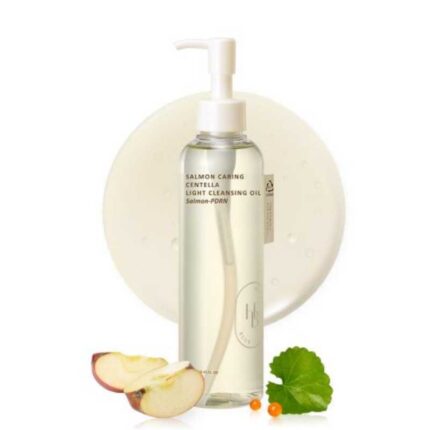 Sale
SaleOriginal price was: ৳ 3,200.00.৳ 2,240.00Current price is: ৳ 2,240.00.
 Sale
SaleOriginal price was: ৳ 2,280.00.৳ 1,596.00Current price is: ৳ 1,596.00.
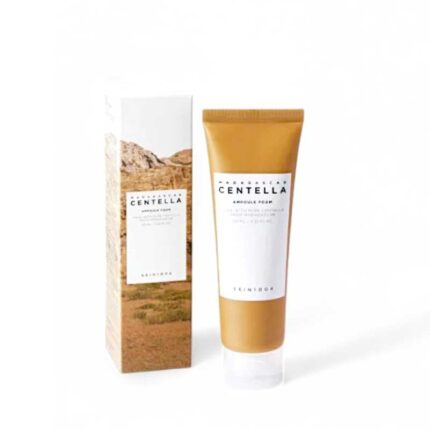 Sale
SaleOriginal price was: ৳ 460.00.৳ 320.00Current price is: ৳ 320.00.
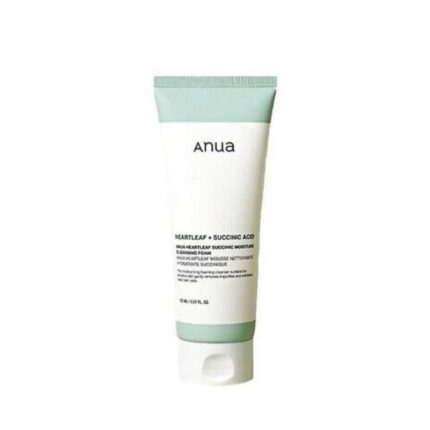 Sale
SaleOriginal price was: ৳ 2,180.00.৳ 1,526.00Current price is: ৳ 1,526.00.
Key Benefits of Maltobionic Acid
Maltobionic Acid smooths skin texture and helps fade dullness without stripping natural oils. Research indicates PHAs can help strengthen the skin barrier, which reduces water loss and irritation. As a result, skin tends to look healthier with regular use.
For example, users often report reduced redness and fewer dry patches after weeks of consistent use. That makes Maltobionic Acid a strong choice for those with reactive skin. It also provides antioxidant support, which helps shield skin from environmental stress.
Why It’s Called a Next Generation PHA Ingredient
Many formulators describe Maltobionic Acid as a next generation PHA ingredient because of its versatility and stability. Unlike older exfoliants, it blends well with moisturizers and serums without losing effectiveness. Research indicates it performs gently while supporting hydration and barrier repair.
Because it tolerates a wider range of pH levels, formulators can add it to more product types. That means you will find it in cleansers, toners, serums, masks, and creams. Still, concentrations vary, so choose a product made for your skin type.
How Maltobionic Acid Compares to Other Acids
Compared with AHAs like glycolic acid, Maltobionic Acid exfoliates more gently due to its larger molecule size. That reduces penetration and lowers irritation risk. Meanwhile, it keeps moisture by drawing water into the outer skin layers.
When paired against BHAs, it does not target pores in the same deep way but it does calm and hydrate the surface. For those who want a hydration-focused exfoliant, this ingredient feels less aggressive. Dermatologists often advise PHAs for reactive skin that cannot tolerate stronger acids.
PHA Versus AHA: Practical Differences
PHAs offer slower, gentler exfoliation compared with AHAs, which work faster and can be stronger. If you have thin or easily irritated skin, PHAs like Maltobionic Acid tend to be safer choices. That is why some people switch from AHAs to PHAs for long-term maintenance.
Because PHAs also provide humectant benefits, they help reduce visible tightness after exfoliation. This means fewer signs of over-exfoliation and better comfort during treatment. Use caution with layered acids until you know your tolerance.
Hydration and Moisture: The Hydration Exfoliating Compound
Maltobionic Acid serves as a hydration exfoliating compound because it both exfoliates and attracts moisture. This dual role makes it ideal for dry or dehydrated skin that still needs surface renewal. Clinical observations show PHAs improve hydration markers without increasing sensitivity.
As a result, products containing this ingredient often leave skin feeling plump and calm. For people who avoid acids due to dryness, it offers a practical alternative. Since it supports the barrier, you may see longer-lasting hydration from your routine.
Who Should Use Maltobionic Acid
People with dry, sensitive, or mature skin often benefit the most from Maltobionic Acid. That skin tends to need gentle renewal without barrier disruption. However, those with oily skin who want less irritation can also find value from this gentle acid.
Because it causes little flaking and irritation, many beginners start with Maltobionic Acid to introduce chemical exfoliation. If you have active acne or open wounds, consult a professional before trying a new acid. Still, many acne-prone users tolerate PHAs well when used correctly.
How to Add It to Your Routine Safely
Start by using a low concentration product twice weekly and increase frequency as tolerated. That approach helps your skin adapt and reduces the risk of sensitivity. Dermatologists recommend patch testing a new acid product on the inner arm before facial use.
When you apply Maltobionic Acid, follow with a moisturizer that supports the barrier and finish with sunscreen in the morning. Sunscreen matters because exfoliation can make skin more sun sensitive. That is why daytime protection should be non-negotiable after using any chemical exfoliant.
Formulations and Product Types
You will find Maltobionic Acid in cleansers, toners, serums, masks, and creams across many brands. Some formulas combine it with soothing ingredients like niacinamide and ceramides. That pairing can calm the skin and renew it gently with each application.
Because it mixes well with humectants, many serums use it to bolster hydration while removing dull cells. Research indicates combining mild acids with barrier-supporting agents improves tolerability. Choose product formats that match your routine and sensitivity.
Concentration and pH: What to Look For
Concentrations of Maltobionic Acid vary widely from low to moderate levels in over-the-counter products. Lower concentrations suit beginners and those with sensitive skin. Higher percentages may increase exfoliation but can still remain gentler than many AHAs.
While PHAs can tolerate broader pH ranges, formulation pH still affects performance. That means reputable brands should list pH and concentration when possible. When in doubt, choose a product from a trusted brand and follow label instructions carefully.
Common Combinations with Other Actives
Maltobionic Acid often appears with antioxidants, peptides, and barrier-repair ingredients to create balanced formulas. For example, combining it with vitamin C can boost brightness while maintaining tolerance. That combination can benefit skin needing both renewal and protection.
However, do not mix it with strong retinoids or high-dose AHAs without guidance. Layering many actives raises the chance of irritation. Instead, alternate nights or use separate products at different times to reduce overlap.
Safety, Side Effects, and Who Should Avoid It
Maltobionic Acid carries lower risk of irritation than many chemical exfoliants, but side effects still exist. Some users notice mild tingling or temporary redness, especially at first. Stop use and seek advice if you experience persistent pain or swelling.
Because it affects the skin surface, avoid using it on broken skin or severe inflammatory conditions unless advised by a clinician. Pregnant or breastfeeding people should consult their healthcare provider about adding any new active. Overall, many find it safe when used as directed.
Real-World Results and What to Expect
With consistent use, most people notice smoother texture, less flaking, and improved moisture within weeks. That outcome comes from regular, gentle exfoliation paired with barrier care. Clinical and anecdotal reports show PHAs help maintain skin comfort while improving appearance.
For visible changes like brightness and texture refinement, expect gradual improvement rather than immediate transformation. Patience matters because gentle acids work steadily without shock. Keep a simple routine and track changes over several weeks.
Timeline for Visible Benefits
In many cases, skin feels softer within a few uses and shows clearer texture after several weeks. Longer-term benefits, like reduced sensitivity and improved barrier function, appear with continued use. That steady progress makes Maltobionic Acid suitable for ongoing maintenance.
Because individual responses vary, track your skin and adjust frequency if needed. If you plan to switch from a stronger acid, reduce use gradually to avoid shock. That method helps preserve tolerance and consistent improvement.
Choosing Products: What to Read on Labels
Look for products that list Maltobionic Acid in the ingredient list and show concentration or pH when possible. Brands that disclose these details often demonstrate better formulation clarity. Also check for supporting humectants and barrier-repair ingredients in the formula.
Because packaging matters, prefer airtight containers for serums to reduce oxidation of other actives. If a product blends this acid with fragrance, be aware that fragrance can cause irritation in sensitive skin. That is why fragrance-free versions are often safer choices.
Sustainable and Clean Beauty Considerations
Many brands now highlight biodegradable sourcing and low-impact production for PHA ingredients. Consumers who care about sustainability should look for transparent sourcing and third-party certifications. That helps ensure a product aligns with environmental values.
As a result, you may find Maltobionic Acid in eco-conscious formulas that avoid harsh solvents and unnecessary additives. Still, product efficacy should remain a priority alongside sustainability. Choose items that balance gentle performance with responsible practices.
Cost and Value: What to Expect
Products with Maltobionic Acid span a wide price range from drugstore to prestige. Price often reflects formulation complexity, concentration, and supporting ingredients. You can find effective low-cost options that deliver gentle improvement when used correctly.
Because it functions well in low to moderate concentrations, you do not always need expensive products for visible benefits. Consider the full formula and brand reputation when judging value. That approach helps you pick a product that fits both budget and needs.
Tips for Layering with Other Skincare Steps
Apply a Maltobionic Acid serum after cleansing and before heavier creams. That order allows it to contact the skin surface and work effectively. If you use a face oil, apply it last to seal in moisture after the acid and moisturizer.
When using other actives, separate applications by time or alternate nights to minimize interactions. That method reduces the risk of combined irritation. Also, carry sunscreen during the day to protect freshly renewed skin.
Travel and Seasonal Use
Because it is gentle, Maltobionic Acid can fit many climates and seasons without heavy adjustments. In dry winter months, pair it with richer moisturizers to prevent tightness. Conversely, in humid weather you may use lighter creams while maintaining the acid in your routine.
When traveling, pack your key products to keep consistency, as sudden routine changes can unsettle skin. That simple step helps preserve the benefits of regular exfoliation. Always keep sunscreen available no matter the climate.
Expert Views and Research Framing
Dermatologists recommend mild acids for long-term skin health when tolerance allows. Studies show PHAs reduce signs of dryness and support the outer skin barrier more than some harsher acids. Research indicates they also provide mild antioxidant effects that aid daily defense.
Because the evidence supports safety and efficacy for many skin types, professionals often include PHAs in maintenance plans. If you have specific conditions, seek tailored guidance from a licensed clinician. That will ensure the best balance between renewal and protection.
Common Myths and Misunderstandings
One myth claims that gentler acids cannot produce meaningful results; that is not true. Gentle exfoliants like Maltobionic Acid work steadily and safely to improve texture and hydration. That slow progress can be more sustainable over the long term than aggressive treatments.
Another misconception is that all acids increase sun sensitivity equally. While some acids raise sensitivity significantly, PHAs generally have lower impact on sun reactivity. Still, sunscreen remains necessary after any exfoliation to protect improvements.
How to Spot Low-Quality Formulas
Low-quality products may hide concentration or pair the acid with irritating additives like strong fragrances. Labels that omit pH or offer vague claims can be less trustworthy. That is why transparent ingredient lists and clear usage guidance indicate higher-quality formulation.
Additionally, if a brand relies on hype rather than data, it may omit supporting evidence for claims. Look for basic research references or clinical statements on product pages to support efficacy. That approach reduces guesswork when choosing effective treatments.
Personal Stories and Typical User Experiences
Many users report reduced flakiness and improved moisture after switching to Maltobionic Acid products. Reports vary, with some praising the calming effect and others noting gradual texture smoothing. That range highlights the need to test and observe your own skin reaction.
Because improvements are gradual, users often feel encouraged by steady changes rather than dramatic overnight shifts. This steady progress makes it easier to maintain results and avoid setbacks. If you have doubts, a patch test can reassure you before full-face application.
Where to Start: A Simple Routine Using Maltobionic Acid
Begin with a gentle cleanser, followed by a Maltobionic Acid serum applied two nights a week. Add a nourishing moisturizer and a broad-spectrum sunscreen during daytime. Increase frequency slowly, paying attention to texture and comfort.
As you build tolerance, you can move to nightly use if your skin allows. That gradual approach reduces the chance of irritation and supports consistent benefits. Track changes in a photo diary to measure progress objectively.
Shopping Tips and What Questions to Ask Brands
Ask brands about concentration, pH, and supporting ingredients when possible. That information helps you compare products on real parameters. Also inquire about testing on sensitive skin and look for trials or samples to test tolerance.
Because customer service responses reveal brand transparency, test a brand before committing to larger purchases. That small step can prevent wasted products and help you find the right formula faster. Always follow usage guidelines and consult a professional if unsure.
Frequently Asked Questions
Is Maltobionic Acid safe for sensitive skin?
Yes. Many people with sensitive skin find Maltobionic Acid tolerable because it exfoliates gently. Start with low frequency and patch test to confirm personal tolerance before full use.
How often should I use a product with Maltobionic Acid?
Begin with twice weekly use, then increase frequency if your skin remains comfortable. Most users find success moving to three to five times per week depending on tolerance and formulation.
Can I use Maltobionic Acid with retinol?
It can be used with retinol, but avoid applying both at the same time initially. Instead, alternate nights or separate applications by time to reduce irritation risk.
Will this acid make my skin more sensitive to the sun?
It may slightly increase sun sensitivity, though less than many stronger acids. Still, sunscreen is essential after use to protect freshly renewed skin and maintain results.
Final Thoughts
Maltobionic Acid offers a reliable path to smoother, more hydrated skin with lower irritation risk than many stronger acids. For those who need gentle renewal and sustained moisture, it provides strong value. Try a well-formulated product, start slowly, and use sunscreen to protect your progress.