
Kojic Dipalmitate: The Stable Brightening Solution

Are you struggling with persistent dark spots or an uneven skin tone? Many seek effective solutions to achieve a clearer complexion. Kojic Dipalmitate stands out as a superior ingredient in skincare. It offers powerful brightening benefits without the instability often found in its parent compound, kojic acid.
Understanding Kojic Dipalmitate
Kojic dipalmitate is an ester of kojic acid. This modification makes it much more stable and effective in skincare formulations. It addresses various skin pigmentation concerns. The ingredient comes from a natural source, fermented fungi. This origin highlights its organic roots.
Origins of Kojic Acid
Kojic acid itself is a natural compound. It derives from several species of fungi. These fungi are commonly used in the fermentation of Japanese sake and soy sauce. For centuries, Asian cultures have recognized its beneficial properties. Early observations showed that workers in sake breweries often had remarkably clear hands. Their hands were noticeably free from dark spots.
This traditional insight led to scientific investigation. Researchers isolated kojic acid as the active ingredient. They then began exploring its dermatological applications. Its ability to inhibit melanin production quickly gained attention. This discovery paved the way for its use in cosmetic products.
The Stability Advantage
Original kojic acid has a significant drawback. It is highly unstable when exposed to light, heat, or air. This instability means it can easily oxidize. Oxidation reduces its effectiveness and can change product color. This makes it challenging to formulate into stable skincare products.
Creating kojic dipalmitate solved this problem. Scientists chemically modified kojic acid. They esterified it with palmitic acid. This process forms kojic dipalmitate. As a result, the new compound remains stable in various environmental conditions. It delivers consistent brightening results over time. This makes it a preferred stable kojic derivative ingredient in modern formulations.
Recommended Products
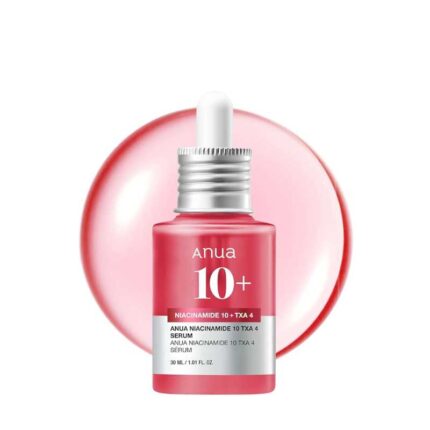 Sale
SaleOriginal price was: ৳ 3,160.00.৳ 2,212.00Current price is: ৳ 2,212.00.
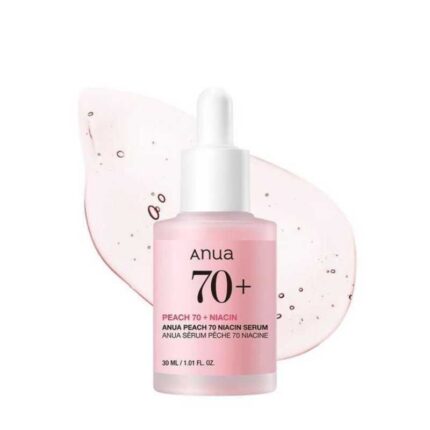 Sale
SaleOriginal price was: ৳ 2,960.00.৳ 2,072.00Current price is: ৳ 2,072.00.
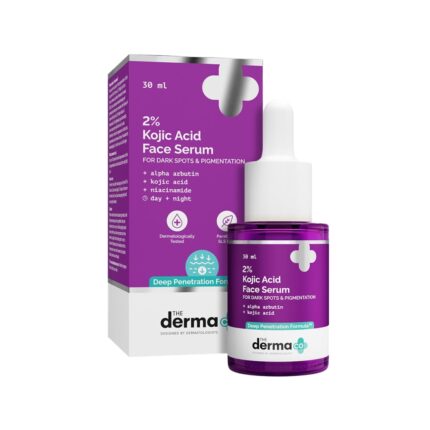 Sale
SaleOriginal price was: ৳ 1,350.00.৳ 990.00Current price is: ৳ 990.00.
 Sale
SaleOriginal price was: ৳ 795.00.৳ 599.00Current price is: ৳ 599.00.
How Kojic Dipalmitate Works for Skin Brightening
The primary function of kojic dipalmitate is to lighten skin. It works by targeting the root cause of hyperpigmentation. This includes dark spots, melasma, and post-inflammatory hyperpigmentation. Understanding its mechanism explains its effectiveness. It directly impacts melanin synthesis.
Inhibiting Tyrosinase
Melanin is the pigment responsible for skin color. An enzyme called tyrosinase plays a crucial role in its production. Tyrosinase catalyzes key steps in the melanin synthesis pathway. Without this enzyme, melanin cannot form. Therefore, controlling tyrosinase activity is essential for skin brightening.
Kojic dipalmitate acts as a potent tyrosinase inhibitor. It effectively binds to the active site of the enzyme. This binding prevents tyrosinase from performing its function. As a result, melanin production slows down significantly. This mechanism leads to a gradual lightening of dark spots. Research indicates this inhibition is both safe and effective for topical use.
Reducing Pigmentation
When tyrosinase activity decreases, less melanin is produced. This reduction directly translates to a decrease in existing pigmentation. Over time, areas with excessive melanin become lighter. The skin tone appears more even. This brightening compound does not bleach the skin. Instead, it normalizes melanin production. It helps achieve a natural and radiant complexion.
However, consistent use is important. The skin constantly produces new cells. These new cells carry less melanin when treated with kojic dipalmitate. Old pigmented cells eventually slough off. This gradual process yields visible improvements. Many users observe clearer skin within weeks. Full results may take several months of regular application.
Benefits of Using Kojic Dipalmitate in Skincare
Incorporating kojic dipalmitate into your routine offers multiple advantages. Its primary benefit is skin brightening. It also provides other skin health improvements. Dermatologists often recommend it. It effectively addresses common complexion concerns.
Addressing Dark Spots and Hyperpigmentation
Dark spots are a common concern. They often result from sun exposure, acne, or hormonal changes. Kojic dipalmitate is highly effective against these marks. It targets sun spots, age spots, and post-inflammatory hyperpigmentation. Studies show significant improvement in spot reduction. Regular application helps fade these stubborn areas.
This ingredient also helps with melasma. Melasma is a chronic skin condition causing dark patches. Often, it affects women during pregnancy or due to hormonal shifts. While not a cure, kojic dipalmitate can significantly reduce its appearance. It provides relief and cosmetic improvement for many individuals.
Evening Skin Tone
An uneven skin tone can make skin appear dull. Areas of redness or discoloration break up uniformity. Kojic dipalmitate promotes a more homogenous complexion. It reduces contrast between darker and lighter areas. This results in a smoother, more unified skin surface. Users often report a more radiant glow.
This action contributes to an overall healthier look. Skin appears revitalized. It reflects light more evenly. Therefore, the ingredient provides both cosmetic and confidence-boosting effects. It helps restore the skin’s natural luminosity. This makes it a valued component in many skincare formulations.
Antioxidant Properties
Beyond its brightening effects, kojic dipalmitate offers antioxidant benefits. Antioxidants protect skin cells from damage. Free radicals from environmental stressors can harm skin. These include pollution and UV radiation. They contribute to premature aging.
The compound neutralizes these harmful free radicals. This protective action helps maintain skin health. It supports the skin’s natural defenses. As a result, it aids in preventing further damage. This dual action makes it a valuable multi-functional ingredient. It both brightens and protects the skin.
Comparing Kojic Dipalmitate to Other Brightening Agents
The skincare market offers many brightening ingredients. Each has unique properties and mechanisms. Comparing kojic dipalmitate to others helps understand its specific place. It highlights why it is a preferred choice for many.
Hydroquinone vs. Kojic Dipalmitate
Hydroquinone is a powerful skin-lightening agent. It rapidly reduces hyperpigmentation. It works by inhibiting tyrosinase and also by being cytotoxic to melanocytes. However, hydroquinone has a controversial reputation. Its use is restricted in some regions. Concerns exist regarding potential side effects. These include ochronosis, a bluish-black discoloration.
Kojic dipalmitate, by contrast, is generally milder. It works solely by inhibiting tyrosinase. It does not destroy melanocytes. This makes it a safer long-term option for many users. While hydroquinone might offer faster results, kojic dipalmitate is often preferred for its gentler profile. It provides a more sustainable brightening solution.
Kojic Acid vs. Kojic Dipalmitate
Kojic acid is the parent compound. It is effective but highly unstable. Products containing kojic acid can degrade quickly. They may also lose their potency. This instability often leads to reduced shelf life. It also causes product discoloration.
Kojic dipalmitate addresses this critical flaw. Its dipalmitate ester form is remarkably stable. It withstands exposure to light and heat. This stability ensures the ingredient remains active. It delivers consistent results throughout the product’s lifespan. Therefore, kojic dipalmitate is a more reliable and consistent option. It provides superior product integrity.
Vitamin C vs. Kojic Dipalmitate
Vitamin C, or L-ascorbic acid, is another popular brightening agent. It is a potent antioxidant. It also inhibits tyrosinase activity. Vitamin C improves overall skin radiance. It helps with collagen production. Its benefits are broad, including protection from environmental damage.
However, Vitamin C also presents stability challenges. It oxidizes easily. This can render it ineffective over time. Kojic dipalmitate offers a more focused approach to pigmentation. It is particularly strong in tyrosinase inhibition. While both are excellent, they can complement each other. Many formulations combine them. This creates a multi-pronged attack on dark spots.
Incorporating Kojic Dipalmitate into Your Skincare Routine
Adding kojic dipalmitate to your daily regimen can be simple. It integrates well with most existing routines. Proper usage ensures maximum benefits. It also helps minimize potential adverse reactions. Consider the product type and application method carefully.
Product Types and Formulations
Kojic dipalmitate appears in various skincare products. Serums, creams, and lotions are common forms. Serums typically offer higher concentrations. They are designed for targeted treatment. Creams and lotions provide broader application. They often include moisturizing benefits. Cleansers and masks may also feature this ingredient. However, leave-on products are generally more effective. This is because they allow for prolonged contact with the skin.
Look for products listing “Kojic Dipalmitate” high on the ingredient list. This indicates a meaningful concentration. Formulations often combine it with other active ingredients. Niacinamide or alpha arbutin enhance its brightening effects. Retinoids can also boost skin cell turnover. This helps shed pigmented cells faster. Always check for a well-formulated product.
Application Tips
Apply kojic dipalmitate products to clean, dry skin. For serums, a few drops are usually sufficient. Gently pat them onto affected areas. For creams or lotions, apply a thin, even layer. Always follow the product’s specific instructions. Most formulations are safe for daily use. Application twice a day, morning and night, yields optimal results. However, start slowly to assess skin tolerance. Begin with once a day if you have sensitive skin.
Patch testing is a vital first step. Apply a small amount of product to an inconspicuous area. The inner forearm is a good choice. Wait 24 to 48 hours for any reaction. This helps prevent widespread irritation. Only proceed if no adverse effects occur. Consistency is key for visible improvements.
Patch Testing and Sun Protection
Sun protection is non-negotiable when using brightening agents. Kojic dipalmitate can make skin more sensitive to the sun. This increased sensitivity heightens the risk of sunburn. It also risks new hyperpigmentation. Always apply a broad-spectrum sunscreen. Use one with an SPF of 30 or higher. Apply it every morning. Reapply throughout the day, especially after sweating or swimming.
Protective clothing and seeking shade further enhance sun protection. These measures prevent the reappearance of dark spots. They also safeguard your skin from UV damage. Maintaining diligence with sun protection supports the ingredient’s effectiveness. It also protects your overall skin health. This crucial step ensures the best possible outcome.
Potential Side Effects and Considerations
While kojic dipalmitate is generally well-tolerated, some individuals may experience side effects. Knowing these possibilities helps in informed usage. Most reactions are mild and temporary. Discontinue use if severe irritation occurs. Consult a dermatologist if issues persist.
Mild Irritation
Some users may experience mild irritation. This can include redness, itching, or dryness. These symptoms are often temporary. They might indicate your skin adjusting to the new ingredient. Starting with a lower concentration helps minimize this. Gradual introduction allows your skin to adapt. Moisturizing regularly can also alleviate dryness. Use a gentle, hydrating moisturizer.
If irritation continues or worsens, reduce frequency. Try using the product every other day. If symptoms persist despite adjustments, stop using it. Your skin might be too sensitive for the formulation. Always prioritize your skin’s comfort and health. Listen to its signals.
Allergic Reactions
True allergic reactions to kojic dipalmitate are rare. However, they can occur. Symptoms might include severe redness, swelling, or hives. These are more intense than mild irritation. An allergic reaction typically appears quickly after application. It signals a strong immune response. Seek medical attention if you suspect an allergic reaction.
Always perform a patch test before full application. This step identifies potential allergies. It ensures the product is safe for your individual skin. If you have known allergies to similar compounds, exercise extra caution. Discuss new ingredients with your dermatologist beforehand.
Photosensitivity
As with many brightening ingredients, increased photosensitivity is a concern. Skin treated with kojic dipalmitate may be more susceptible to sun damage. This means sun exposure can quickly reverse brightening progress. It also increases the risk of sunburn. Strict sun protection is essential. Wear broad-spectrum sunscreen daily. An SPF of 30 or higher is recommended. Reapply frequently.
Avoid prolonged sun exposure during peak hours. Wear protective clothing such as wide-brimmed hats. These measures prevent new pigmentation from forming. They also protect the skin from harmful UV radiation. Consistent sun safety maximizes the benefits of kojic dipalmitate. It also safeguards your skin’s overall health.
The Future of Skin Brightening: Research and Innovations
The field of dermatology is constantly evolving. Research continues to uncover new compounds. It also seeks to improve existing ones. Kojic dipalmitate remains a prominent brightening compound. Ongoing studies focus on optimizing its delivery. They also explore synergistic combinations with other actives. Scientists aim to enhance efficacy. They also work to further minimize any potential irritation. This constant innovation promises even better solutions for hyperpigmentation.
Advances in encapsulation technologies are particularly exciting. These technologies can further stabilize sensitive ingredients. They also improve targeted delivery to skin cells. This could lead to more potent and long-lasting kojic dipalmitate formulations. Personalized skincare is also gaining traction. Future products might be tailored to an individual’s genetic predispositions. This would provide specific pigmentation concerns. The future looks bright for those seeking an even complexion.
Frequently Asked Questions
What is the main benefit of Kojic Dipalmitate?
The main benefit of Kojic Dipalmitate is its ability to brighten skin and reduce hyperpigmentation. It effectively fades dark spots, age spots, and melasma by inhibiting melanin production.
Is Kojic Dipalmitate safe for sensitive skin?
Kojic Dipalmitate is generally well-tolerated. Individuals with sensitive skin should perform a patch test first. Start with lower concentrations and gradual introduction to minimize potential irritation.
How long does it take to see results from Kojic Dipalmitate?
Results vary among individuals. Many users report seeing noticeable improvements within several weeks of consistent use. Optimal results typically appear after two to three months of regular application.
Can I use Kojic Dipalmitate with Vitamin C?
Yes, you can use Kojic Dipalmitate with Vitamin C. These two brightening agents can complement each other. Their combined action offers enhanced results in reducing dark spots and improving skin tone.
Final Thoughts
Achieving a bright, even complexion is a common skincare goal. Kojic Dipalmitate offers a reliable and effective path toward this outcome. Its superior stability distinguishes it from other forms of kojic acid. This makes it a powerful brightening compound. It consistently works to reduce hyperpigmentation.
Therefore, consider incorporating Kojic Dipalmitate into your regimen. Always pair it with diligent sun protection. This will maximize its benefits. It will also help maintain your skin’s health and radiance. Consistent use will reveal a visibly brighter and more even-toned complexion over time.