
Hoco Q14A PD20W + QC3.0 Transferent Wireless Power Bank

If you need reliable mobile power with fast wired and wireless charging, the Hoco Q14A PD20W + QC3.0 Transferent Wireless Power Bank deserves a close look. This compact pack blends PD20W and QC3.0 technologies to deliver quick top-ups for phones, tablets, and accessories. In this review and buying guide, I break down specs, real-world performance, price considerations, and whom this power bank suits best. Read on to learn whether the Hoco Q14A PD20W + QC3.0 Transferent Wireless Power Bank fits your charging needs and travel habits.
Hoco Q14A PD20W + QC3.0 Transferent Wireless Power Bank Features
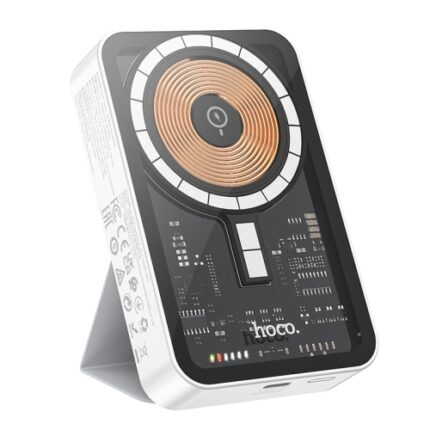
The Hoco Q14A focuses on flexible charging. It supports 20W Power Delivery for fast wired charging and QC3.0 for compatible devices. Wireless charging adds convenience without cables. These combined features make the unit versatile for daily use and travel.
- PD20W output for rapid charging of modern phones and some tablets
- QC3.0 port for legacy fast-charge compatibility
- Transferent wireless pad with standard Qi support
- Multiple ports for simultaneous device charging
- Compact design and lightweight build for portability
Spec-wise, the power bank lists practical capacities and safety protections. Expect overcharge, short-circuit, and temperature safeguards. Hoco also includes smart IC to match output to device needs. Those specs matter when you carry expensive gear.
Recommended Products

Performance and Real-World Specs
Real-world use defines value. The Hoco Q14A PD20W + QC3.0 Transferent Wireless Power Bank delivers on fast top-ups. With a PD20W port, it brings phones from low battery to usable levels quickly. QC3.0 helps older Android devices charge faster than standard USB-A.
Wireless charging works at typical Qi speeds. It is convenient for short boosts. Expect wireless rates to trail the wired PD20W output. Wireless often suits overnight top-ups or brief docks on your desk.
- Typical PD20W wired performance: about 30–50% charge in 20–30 minutes on many phones
- QC3.0 performance varies by phone but often improves over basic 5W charging
- Wireless charging: convenient, usually slower than wired methods
- Throughput efficiency depends on cable quality and device acceptance
Battery capacity and conversion efficiency determine how many full charges you get. Hoco reports usable capacity after conversion losses. If you carry an iPhone or mid-sized Android device, expect one to two full charges depending on device battery size. For tablets, plan on partial recharges.
Design, Build, and Portability
Hoco balances size and capacity. The unit feels solid in hand without bulk. The finish resists scratches and improves grip. Button placement and LED indicators make status checks simple. The wireless pad sits flush and holds a phone securely during charging.
Port selection matters for travelers. The Q14A usually includes one USB-C PD port and one USB-A QC3.0 port. This setup supports a laptop-style cable for PD charging and older cables for QC devices. The layout lets you charge two devices simultaneously without awkward cable routing.
- Weight: light enough for daily carry, heavy enough to feel durable
- Dimensions: pocket-friendly for backpacks and coat pockets
- LED indicators: clear battery level readout
- Finish: matte or satin textures reduce visible wear
Practical tip: carry a short USB-C cable to reduce bulk and improve portability. A retractable cable or a 20cm cable fits easily in pockets and limits tangles. If you travel with wireless earbuds and a phone, this power bank supports both at once.
Hoco Q14A PD20W + QC3.0 Transferent Wireless Power Bank Price and Value
Price influences the buying decision strongly. The Hoco Q14A usually sits in the affordable mid-range. It competes well against brands that sell similar PD20W and wireless combos. For most users, cost-per-charge and feature set justify the price.
Look for price drops during sales events. Retailers often bundle warranties, cables, or cases that increase perceived value. Compare the listed hoco q14a pd20w + qc3.0 transferent wireless power bank price across trusted stores. Factor in shipping and return policies.
- Compare price to capacity: higher mAh should increase value
- Check included accessories: cables or pouches add value
- Verify warranty length and seller reputation
- Watch for counterfeit products when a deal seems too good
Practical buying advice: if you need faster recharge cycles for a large phone and frequent travel, spend for higher capacity or a second unit. If occasional boosts are your use case, the Q14A can be a cost-effective choice.
Buying Guide: Is this the Best Hoco Q14A PD20W + QC3.0 Transferent Wireless Power Bank for You?
Use a three-step checklist to decide.
- Match capacity to your devices. Phones with 3,000–5,000 mAh batteries need a 10,000–20,000 mAh bank for multiple charges.
- Prioritize ports. If your phone supports PD20W, the PD port should be a must. If you still use older devices, QC3.0 is helpful.
- Consider wireless convenience. If you rely on wireless earbuds or prefer cable-free tops, wireless charging is a plus.
For commuters and travelers, the compact balance of capacity and output makes the Q14A attractive. For power users who charge laptops or heavy tablets, look for higher-watt PD banks. Hoco offers a solid mid-range option, but it is not the highest-capacity model available.
Example scenarios:
- Daily commuter: The Q14A delivers one full phone charge and a quick wireless top-up during the day.
- Traveler on short trips: Compact size and PD20W let you top up camera batteries and phones reliably.
- Power user: If you need multiple full charges or to run a tablet, choose a larger-capacity PD bank instead.
How to Use and Maintain Your Hoco Q14A PD20W + QC3.0 Transferent Wireless Power Bank
Follow simple steps to maximize lifespan and safety. Charge the power bank fully before first use. Use quality cables and avoid cheap, damaged cords. Do not expose the bank to extreme heat. Store it in a cool, dry place when not in use.
- Avoid full discharges for long-term battery health
- Keep firmware updated if Hoco provides updates via app or support
- Clean contacts and wireless pad with a dry cloth to maintain efficiency
- Use manufacturer-recommended chargers for recharging the bank
Actionable tip: If you rely on wireless charging a lot, remove thick cases from phones to improve alignment and speed. Cases over 3–4 mm can reduce Qi efficiency and cause the power bank to throttle output.
Frequently Asked Questions
What devices are compatible with the Hoco Q14A PD20W + QC3.0 Transferent Wireless Power Bank?
The power bank supports any device with USB-C PD or USB-A QC3.0 compatibility and Qi-enabled wireless devices. It works with most modern phones, earbuds, and many tablets that accept PD or QC charging.
How many full charges will the Q14A provide for my phone?
Full charges depend on the bank’s capacity and your phone’s battery size. Expect one to two full charges for most smartphones. Larger tablets will receive partial charges. Efficiency losses of 10–30% affect totals.
Conclusion
The Hoco Q14A PD20W + QC3.0 Transferent Wireless Power Bank blends fast wired charging, legacy QC3.0 support, and convenient wireless charging into a compact package. It fits commuters, travelers, and users who value flexibility over extreme capacity. Use the buying guide and price tips above to decide if the unit meets your needs. If you want a balanced mid-range power bank with practical specs and a fair hoco q14a pd20w + qc3.0 transferent wireless power bank price, this model is worth considering.