
Glycyrrhiza Glabra Extract: Skin Benefits Guide

Uneven tone, dullness, and redness can make skin care feel confusing fast. Glycyrrhiza Glabra Extract offers a gentle plant-based option for shoppers who want brighter-looking and calmer skin. This guide explains what it does, how to spot it, and how to choose it wisely.
What Is Glycyrrhiza Glabra Extract?
Glycyrrhiza Glabra Extract comes from the root of the licorice plant. Skin care brands use it because the root contains several helpful compounds. Research indicates that licorice root can support a more even-looking tone and calmer skin.
Although shoppers often call it licorice extract, product labels may use the botanical name. Glycyrrhiza Glabra Extract usually appears in serums, creams, toners, masks, and eye products. Because it works gently, many brands pair it with barrier-friendly ingredients.
For example, you may see it near niacinamide, panthenol, ceramides, or glycerin. These pairings help products address tone, dryness, and visible stress at once. That is why many shoppers view it as a practical daily care ingredient.
Where the extract comes from
The licorice plant grows in parts of Europe and Asia. Its root has a long history in traditional wellness practices. Modern cosmetic labs process the root to create extracts suitable for topical skin care.
However, the extract used in a face serum differs from licorice candy or herbal tea. Cosmetic suppliers refine the plant material for skin feel, stability, and formula goals. Glycyrrhiza Glabra Extract then becomes one part of a finished product.
Why brands use it in skin care
Brands choose Glycyrrhiza Glabra Extract because it can support visible brightness without harsh exfoliation. Studies show that certain licorice compounds can help reduce the look of dark spots. The effect depends on the formula and steady use.
Skin care makers also value its soothing profile. When skin looks flushed or stressed, gentle support matters. As a result, many products for sensitive-looking skin include this licorice root extract ingredient.
What shoppers should know first
Glycyrrhiza Glabra Extract is not a bleach, peel, or quick fix. It supports a more even look over time. Because skin renews slowly, visible change often needs several weeks of daily use.
Still, the ingredient can fit many routines. It does not require a complex schedule or special tools. For most shoppers, the best results come from a simple product used with sunscreen.
Recommended Products
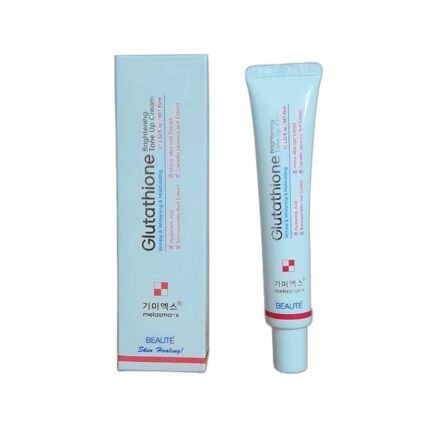 Sale
SaleOriginal price was: ৳ 1,250.00.৳ 950.00Current price is: ৳ 950.00.
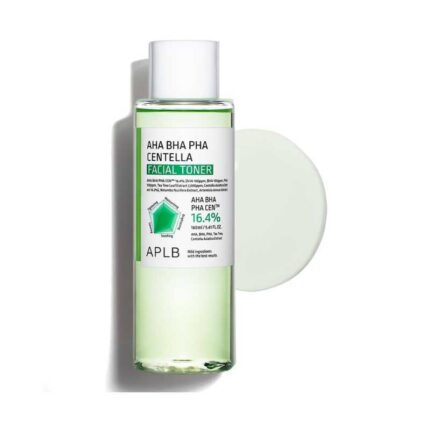 Sale
SaleOriginal price was: ৳ 1,760.00.৳ 1,232.00Current price is: ৳ 1,232.00.
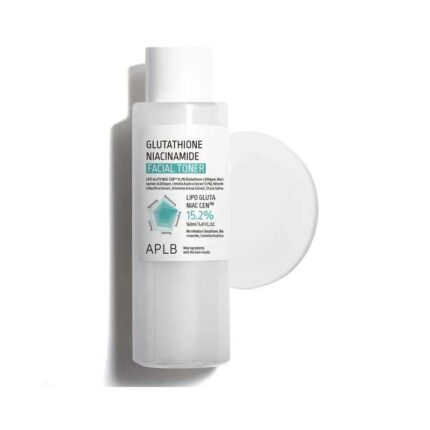 Sale
SaleOriginal price was: ৳ 1,760.00.৳ 1,232.00Current price is: ৳ 1,232.00.
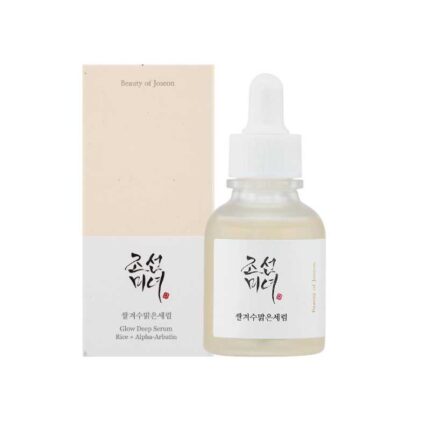 Sale
SaleOriginal price was: ৳ 3,080.00.৳ 2,156.00Current price is: ৳ 2,156.00.
Key Benefits of Glycyrrhiza Glabra Extract
Glycyrrhiza Glabra Extract appeals to shoppers because it addresses several common concerns. It can help with dullness, blotchiness, and a stressed appearance. Dermatologists often recommend gentle tone-support ingredients for people who cannot tolerate stronger actives.
Because it offers more than one skin benefit, brands often place it in multi-tasking formulas. This means one serum can support brightness, comfort, and a smoother look. Still, results depend on the full product, not one ingredient alone.
It supports a brighter-looking tone
Uneven tone often comes from sun exposure, blemish marks, hormones, and skin irritation. Glycyrrhiza Glabra Extract can help soften the look of these visible changes. Research links licorice compounds with support for a more balanced skin tone.
For example, some licorice components may influence pathways linked to excess pigment appearance. Pigment means the natural color in skin. This does not erase spots overnight, yet it can help skin look clearer with time.
It helps calm visible redness
When skin feels stressed, it may look red, tight, or reactive. Glycyrrhiza Glabra Extract often appears in products made for this concern. Studies show licorice root components can support a calmer-looking surface.
However, redness can have many causes. Heat, dryness, over-exfoliation, and skin conditions can all play a role. If redness persists or burns, shoppers should ask a qualified professional for advice.
It may comfort dry-looking skin
Dry skin often looks dull because light does not reflect evenly. While Glycyrrhiza Glabra Extract does not replace a moisturizer, it can support a healthier look. Brands often combine it with humectants, which pull water to the skin.
For example, glycerin and hyaluronic acid can pair well with licorice extract. These ingredients help skin look plump and fresh. As a result, the complexion may appear smoother and less tired.
It works well in gentle routines
Some brightening ingredients can sting or dry the skin. Glycyrrhiza Glabra Extract gives shoppers a softer path. That is why people with easily upset skin often consider it first.
Although every skin type can react, many users find licorice extract easy to layer. It can sit under moisturizer or sunscreen without a heavy feel. This makes it useful for daily morning and evening routines.
How This Brightening Soothing Compound Works
Glycyrrhiza Glabra Extract contains several natural compounds. These include glabridin, liquiritin, and other plant molecules. Research indicates that these components may help skin look brighter and less stressed.
The phrase brightening soothing compound describes how shoppers often view the ingredient. It does not mean one single molecule performs every action. Instead, the extract offers a blend of plant compounds within a finished formula.
It targets the look of excess pigment
Dark spots form when skin creates extra pigment in certain areas. Sun exposure and post-blemish marks often make this process more visible. Glycyrrhiza Glabra Extract can support a more even appearance by helping reduce visible contrast.
However, sunscreen remains essential for tone concerns. Without daily sun protection, spots can look darker again. This means licorice extract works best as part of a sun-smart routine.
It supports a calmer skin appearance
Skin can look uneven when irritation leaves it flushed or blotchy. Glycyrrhiza Glabra Extract may help soften that stressed look. Studies suggest licorice root compounds can support comfort in topical formulas.
Because irritation can worsen marks, calming care matters. A less stressed surface often looks clearer and more balanced. That is why soothing ingredients can help brightening routines feel more complete.
It complements the skin barrier
The skin barrier is the outer layer that helps hold moisture. When that barrier struggles, skin may look dull, flaky, or red. Glycyrrhiza Glabra Extract often appears with barrier-support ingredients for this reason.
For example, ceramides, fatty acids, and squalane can help seal comfort into skin. Licorice extract then adds tone and calm support. Together, these ingredients can make a formula feel balanced for everyday use.
Who Should Consider Glycyrrhiza Glabra Extract?
Glycyrrhiza Glabra Extract can suit many shoppers, especially those who want gentle visible brightening. It may appeal to people with dullness, uneven tone, or mild redness. Dermatologists often suggest starting with gentle formulas when skin feels sensitive.
However, no single ingredient fits everyone. Your skin type, routine, climate, and product texture all matter. A patch test can help you judge comfort before full-face use.
Shoppers with uneven tone
Uneven tone can appear as dark spots, patchy color, or post-blemish marks. Glycyrrhiza Glabra Extract can support a more uniform look with regular use. Research indicates that licorice compounds can help improve the appearance of discoloration.
When using it for tone, patience helps. Most brightening routines need time because skin cells renew gradually. For best results, pair your product with broad daily sun protection.
Shoppers with sensitive-looking skin
Sensitive-looking skin often reacts to strong acids, retinoids, or fragrance-heavy products. Glycyrrhiza Glabra Extract may offer a gentler option. Many formulas use it to calm the look of visible stress.
Still, sensitive skin can react to any ingredient. Because formulas contain many components, the full ingredient list matters. Choose fragrance-free options if your skin often stings or flushes.
Shoppers with dull or tired skin
Dull skin often needs hydration, gentle renewal, and better sun habits. Glycyrrhiza Glabra Extract can help skin look fresher by supporting visible clarity. It works especially well in formulas that also hydrate.
For example, a serum with licorice, glycerin, and niacinamide may suit many routines. This type of formula can brighten and comfort without a heavy finish. As a result, skin may look more awake.
Shoppers who avoid harsh actives
Some shoppers want a brighter look without strong peels or high-strength acids. Glycyrrhiza Glabra Extract can fit that goal. It offers support without forcing the skin through intense exfoliation.
Although gentle care can take longer, it often feels easier to maintain. A routine you can follow usually beats a harsh routine you quit. That is why many shoppers prefer steady, low-irritation options.
How to Read Product Labels
Reading labels helps shoppers avoid confusion and choose better products. Glycyrrhiza Glabra Extract may appear under several related names. The exact label term can vary by brand, region, and supplier.
Because ingredient lists follow naming rules, the botanical name may look technical. Do not let that scare you away. Once you know the common terms, shopping becomes much easier.
Common label names
Look for Glycyrrhiza Glabra Extract on the ingredient list. You may also see licorice root extract, licorice root water, or dipotassium glycyrrhizate. These names can point to related licorice-derived ingredients.
However, these forms are not always identical. Some focus more on soothing, while others focus more on tone. If a brand explains the purpose clearly, shoppers can judge the formula faster.
Where it appears on the list
Ingredient lists usually show components from highest to lowest amount. After a certain low level, brands may list ingredients in a less strict order. This means placement gives clues, but not the full story.
Glycyrrhiza Glabra Extract often appears in the middle or lower part of a list. That does not make it useless. Plant extracts can work at modest levels when the formula supports them well.
Helpful ingredient pairings
Some ingredients pair especially well with Glycyrrhiza Glabra Extract. Niacinamide can support tone and barrier strength. Panthenol can help skin feel calmer and more comfortable.
Vitamin C, azelaic acid, and gentle exfoliants may also support a brighter look. However, stronger blends may irritate sensitive skin. When in doubt, start with a simpler formula first.
Claims to view carefully
Marketing claims can sound exciting, but shoppers should look for realistic language. Glycyrrhiza Glabra Extract can improve the look of tone, not change your natural skin color. A good brand should explain expected results without overpromising.
Because cosmetics work on appearance, avoid claims that sound like medical treatment. Products can support visible calm, brightness, and comfort. They cannot diagnose or cure skin conditions.
How to Use It in Your Routine
Glycyrrhiza Glabra Extract fits into most routines without much effort. You can find it in wash-off masks, leave-on serums, moisturizers, and eye creams. Leave-on products usually give the ingredient more time on skin.
When building a routine, keep the order simple. Cleanse first, apply lighter treatments, then seal with moisturizer. In the morning, finish with sunscreen to protect visible progress.
Morning use
Morning use makes sense for tone concerns because sun exposure affects dark spots. Apply a product with Glycyrrhiza Glabra Extract after cleansing and before moisturizer. Then use sunscreen as the final step.
Because sunscreen protects against new discoloration, it supports every brightening plan. Skipping it can slow visible results. This means your licorice product and sunscreen should work as partners.
Evening use
Evening routines give skin time to rest under hydrating layers. Glycyrrhiza Glabra Extract can fit after cleansing and before a cream. If your formula feels rich, you may use it as your moisturizer.
However, avoid adding too many new products at once. Introduce one product, then watch your skin for several days. This approach helps you spot any irritation quickly.
Layering with active ingredients
Glycyrrhiza Glabra Extract often layers well with niacinamide and hydrating serums. It may also sit beside vitamin C or retinol in some routines. Still, strong active combinations can overwhelm sensitive skin.
For example, using retinol, acids, and brightening serums together may cause dryness. Instead, rotate stronger products on different nights. Your skin can then gain benefits with less stress.
How long results may take
Visible brightening usually takes time. Studies on cosmetic brightening ingredients often track changes over weeks, not days. Glycyrrhiza Glabra Extract should follow the same realistic timeline.
Because skin tone changes slowly, take photos in the same lighting. Weekly checks can show progress better than daily mirror checks. As a result, you may notice small gains more clearly.
Choosing the Best Product Type
Glycyrrhiza Glabra Extract appears in many product formats. The best choice depends on your skin type, routine, and main concern. Shoppers should focus on texture, supporting ingredients, and daily ease.
A product that feels good will get used more often. Consistency matters because brightening and soothing benefits build gradually. That is why the right format can affect your results.
Serums
Serums often suit shoppers who want a focused treatment step. A serum with Glycyrrhiza Glabra Extract can target tone before moisturizer. Many serums also include niacinamide, peptides, or hydrating ingredients.
However, some serums contain strong acids or fragrance. Check the label if your skin reacts easily. A simple serum may serve sensitive shoppers better than a crowded formula.
Moisturizers
Moisturizers work well for dry, normal, and barrier-stressed skin. Glycyrrhiza Glabra Extract in a cream can support comfort while the base reduces moisture loss. This format often feels easy for beginners.
Because moisturizers stay on the skin, they give helpful ingredients time to work. Look for ceramides, glycerin, panthenol, or squalane. These ingredients can help skin feel softer and more stable.
Toners and essences
Toners and essences can add light hydration before serum or cream. Glycyrrhiza Glabra Extract in these products may suit oily or combination skin. The light feel can make layering more comfortable.
Still, avoid toners with high alcohol content if your skin feels dry. Alcohol-heavy formulas can leave skin tight. Choose soothing and hydrating formulas when comfort matters.
Masks and spot products
Masks can give a short-term fresh look before an event. Glycyrrhiza Glabra Extract may help skin appear calmer and more even. Yet wash-off products may offer less lasting contact than serums.
Spot products can help target specific areas, such as post-blemish marks. However, they still need time and sunscreen support. For wider tone concerns, a full-face serum may make more sense.
How to Shop Smarter for Licorice Formulas
Shopping for Glycyrrhiza Glabra Extract can feel tricky because many products make similar claims. A smart approach starts with your main skin concern. Then you can match the formula to your needs.
Because online shoppers cannot test texture first, reviews can help. Look for comments from people with your skin type. Pay attention to mentions of stinging, pilling, scent, and finish.
Match the formula to your skin type
Oily skin may prefer gels, light serums, or watery essences. Dry skin often benefits from creams with Glycyrrhiza Glabra Extract and barrier-support lipids. Combination skin may need different textures by season.
When your climate changes, your product needs may change too. Winter air can make skin drier, while humid weather can make rich creams feel heavy. So choose texture with both skin and weather in mind.
Check the whole ingredient list
A product should not rely on one ingredient alone. Glycyrrhiza Glabra Extract works best when the formula supports your skin barrier. Hydrators, soothing agents, and gentle preservatives all affect the experience.
For example, a brightening serum may also include niacinamide and panthenol. This combination can support tone and comfort together. However, fragrance may bother some sensitive users.
Look for realistic claims
Good products describe visible benefits in clear terms. They may say the formula helps skin look brighter, calmer, or more even. These claims fit what cosmetics can reasonably do.
Be careful with promises that sound instant or extreme. Glycyrrhiza Glabra Extract needs regular use, like most tone-support ingredients. If a product claims overnight removal of spots, treat that claim with doubt.
Compare price and size
Price alone does not prove quality. A high-cost product may feel elegant, but a modest product can still work well. Compare the amount, texture, and supporting ingredients before buying.
Because results take time, choose a product you can repurchase comfortably. A routine should fit your budget and habits. This means value matters as much as label appeal.
Safety, Side Effects, and Patch Testing
Glycyrrhiza Glabra Extract generally suits many cosmetic routines. Still, any skin care ingredient can cause irritation for some people. Dermatologists recommend patch testing new products, especially for reactive skin.
Topical licorice extract differs from taking licorice by mouth. Oral licorice can affect the body in ways skin products do not. This guide focuses on cosmetic use on the skin.
Possible irritation
Irritation may look like stinging, itching, redness, or small bumps. Glycyrrhiza Glabra Extract may not cause the issue by itself. The full formula, fragrance, acids, or preservatives may play a role.
If irritation appears, stop using the product. Wash the area gently and return to a simple routine. When symptoms continue, ask a dermatologist or qualified clinician for help.
How to patch test
Patch testing gives your skin a small trial before full use. Apply a small amount of product to the inner arm or behind the ear. Wait and watch for redness, itching, or burning.
Because some reactions take time, repeat the test for a few days. If the area stays calm, try the product on a small face area. This step can reduce the risk of a full-face reaction.
Use during pregnancy or nursing
Many shoppers ask about Glycyrrhiza Glabra Extract during pregnancy or nursing. Cosmetic licorice extract appears in many gentle products, but personal needs can vary. A healthcare professional can give advice based on your health history.
When unsure, choose simple formulas with fewer active ingredients. Avoid mixing many brightening products at once. This keeps your routine easier to review with a professional.
Common Myths About Glycyrrhiza Glabra Extract
Glycyrrhiza Glabra Extract has gained attention, so myths often follow. Some shoppers expect instant results, while others fear all plant extracts. The truth sits between those views.
Research supports several visible skin benefits from licorice-derived compounds. However, formula quality and routine habits matter a lot. No ingredient can replace daily sunscreen, sleep, and gentle care.
Myth: It works overnight
Brightening ingredients rarely change visible tone overnight. Glycyrrhiza Glabra Extract works best with steady use over weeks. Skin needs time to shed older cells and show a fresher surface.
Although a hydrating product may make skin look better fast, spots need longer. Track progress with photos rather than daily inspection. This helps you avoid giving up too soon.
Myth: Natural always means safe
Plant-based ingredients can still bother some skin types. Glycyrrhiza Glabra Extract has a gentle image, but formulas vary. Fragrance, essential oils, or strong acids can change how a product feels.
Because safety depends on the whole formula, read labels carefully. Start slowly if your skin reacts often. A gentle product should feel comfortable, not hot or painful.
Myth: It replaces sunscreen
No brightening ingredient replaces sunscreen. Glycyrrhiza Glabra Extract can support a more even look, but UV light can darken marks. Sunscreen helps protect your progress every morning.
When shoppers skip sunscreen, tone concerns often return or linger. This can make even good products seem weak. So pair brightening care with daily sun protection.
Frequently Asked Questions
Is Glycyrrhiza Glabra Extract good for dark spots?
Glycyrrhiza Glabra Extract can help reduce the look of dark spots over time. Research indicates that licorice compounds support a more even skin tone. Use it with sunscreen for the best visible results.
Can sensitive skin use licorice root extract?
Many sensitive-skin shoppers tolerate licorice root extract well. However, the full formula matters more than one ingredient. Patch test first, especially if products often sting your skin.
Can I use it with vitamin C or niacinamide?
Yes, Glycyrrhiza Glabra Extract can pair with vitamin C or niacinamide in many routines. Start slowly if your formula also contains acids or retinoids. This helps lower the chance of dryness or redness.
How often should I apply it?
Most leave-on products with Glycyrrhiza Glabra Extract suit once or twice daily use. Follow the product directions and watch how your skin responds. If irritation appears, reduce use or stop.
Final Thoughts
Glycyrrhiza Glabra Extract is a smart choice for shoppers who want gentle support for brightness, comfort, and even-looking tone. It works best in a balanced formula, used consistently with sunscreen. Choose a texture you enjoy, patch test first, and give your skin time to respond.