
Undecylenoyl Phenylalanine: Skin Brightening Guide

Struggling with dark spots or uneven tone often feels frustrating. Undecylenoyl Phenylalanine can help reduce visible pigmentation and brighten skin gently. Many shoppers ask what this ingredient does and how to use it safely.
What is Undecylenoyl Phenylalanine?
Undecylenoyl Phenylalanine is a modified amino acid used in skincare to address pigmentation. Studies show it can influence melanin-related pathways and reduce the look of dark spots.
Research indicates brands include this compound in serums and creams for targeted results. Dermatologists recommend pairing it with sun protection for best effect.
Recommended Products
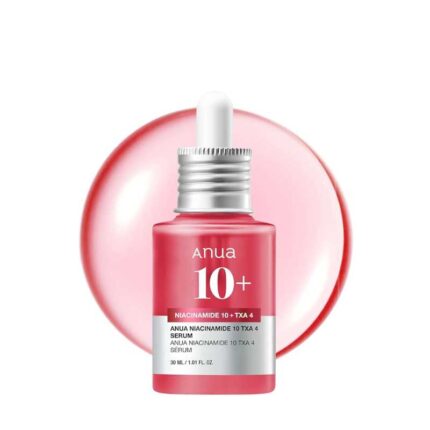 Sale
SaleOriginal price was: ৳ 3,160.00.৳ 2,212.00Current price is: ৳ 2,212.00.
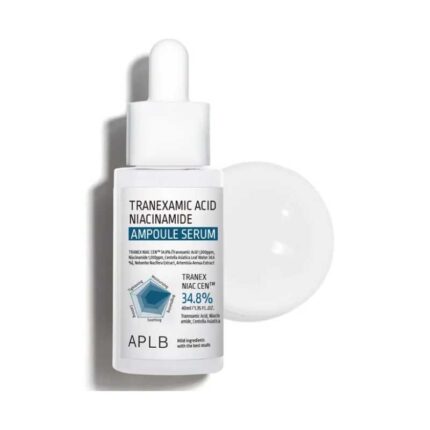 Sale
SaleOriginal price was: ৳ 1,300.00.৳ 910.00Current price is: ৳ 910.00.
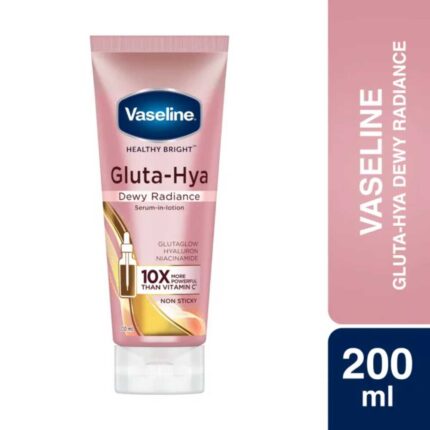
 Sale
SaleOriginal price was: ৳ 3,250.00.৳ 2,912.00Current price is: ৳ 2,912.00.
How Undecylenoyl Phenylalanine Works
When applied, Undecylenoyl Phenylalanine interacts with processes that control pigment. For example, it can interrupt signals that stimulate melanin production.
That is why many formulations use it alongside other brightening actives. Studies show combinations can offer better tone improvement than single agents.
Inhibiting Melanin Synthesis
Research indicates the ingredient reduces melanin formation in treated skin cells. This means fewer pigment-producing signals reach the surface.
While lab studies differ, clinicians note visible improvement in treated areas over time. Dermatologists recommend monitoring response during use.
Reducing Melanin Transfer
Some evidence shows the compound can lower the transfer of pigment to top skin layers. This keeps existing pigmentation from darkening further.
Because melanin transfer affects visible spots, the effect helps even tone across the face. Users often see gradual fading rather than abrupt changes.
Supporting Skin Balance
Undecylenoyl Phenylalanine may also calm processes that exaggerate pigment formation. Research indicates it can help skin return to a more balanced state after inflammation.
As a result, products with this ingredient can suit skin prone to post-inflammatory darkening. Patch testing remains advised for sensitive skin.
Benefits for Skin: Brightening and Tone
Many consumers choose products for brighter, more even skin. Using Undecylenoyl Phenylalanine can reduce the appearance of age spots and sun spots over time.
Studies show consistent application often leads to visible results in weeks. Dermatologists recommend visible improvements when used with sunscreen and a gentle routine.
As a skin brightening peptide ingredient this compound pairs well with other actives. For example, niacinamide and vitamin C can complement its melanin-targeting action. That mix helps address tone, texture, and radiance at once.
How to Use Undecylenoyl Phenylalanine in Your Routine
Start by applying products with this compound after cleansing and before heavier creams. That order helps active molecules reach skin layers where pigment forms.
When you begin, use the product on a small area first. Patch testing reduces the chance of irritation and shows tolerance before full-face use.
Because sun exposure worsens dark spots, apply sunscreen daily while using this ingredient. That step protects treated skin and helps preserve gains from treatment.
Product Types and Formulations
Brands sell Undecylenoyl Phenylalanine in serums, creams, and targeted spot treatments. Serums often deliver higher concentrations and faster delivery into skin layers.
Research indicates formulation matters for stability and performance. For example, the base and pH can affect how the ingredient behaves in the product.
Comparing Undecylenoyl Phenylalanine to Other Melanin Control Compounds
When choosing a melanin control compound, consider goals and tolerance. Undecylenoyl Phenylalanine offers a targeted approach without the strong irritation some actives cause.
Studies show different compounds work through varied mechanisms. For instance, some reduce pigment synthesis directly while others limit pigment transfer or boost skin turnover.
That means mixing or alternating can improve results for stubborn pigmentation. Dermatologists recommend pairing actives carefully to avoid irritation and to boost efficacy.
Who Should Use It and Who Should Be Cautious
People with uneven tone, sun spots, or post-inflammatory pigmentation often benefit from this ingredient. Research indicates it suits many skin types due to its targeted action.
Pregnant or breastfeeding individuals should consult a clinician before starting any brightening treatment. That advice helps avoid ingredients that are not recommended during pregnancy.
Still, those with very sensitive skin should perform a patch test first. If irritation appears, discontinue use and seek guidance from a skincare professional.
Safety, Side Effects, and Interactions
Side effects are generally mild and include occasional redness or irritation. Studies show most users tolerate the ingredient well when used as directed.
When combined with strong exfoliants, the risk of irritation can rise. Therefore, introduce combinations slowly and monitor skin response closely.
How Long Before You See Results?
Expect gradual changes rather than instant fixes. For most users, tone improvements occur over several weeks with consistent use.
Research indicates meaningful fading of spots can take multiple treatment cycles. Because skin renewal is gradual, patience and sun protection matter greatly.
Tips for Pairing with Other Ingredients
When you use Undecylenoyl Phenylalanine, pairing with sunscreen enhances results. That combination prevents new dark spots and protects treated skin.
For daytime routines, combine it with antioxidants like vitamin C for an added brightening boost. At night, gentle exfoliants can help with turnover, but start slowly to avoid irritation.
Choosing the Right Product
Look for reputable brands that list concentrations and supporting data. Studies show transparent labeling and proven stability help ensure performance.
Check the product form and delivery system. Serums often offer more concentrated delivery than creams, which may suit those who want faster visible results.
Label Reading: What to Watch For
Read ingredient lists for complementary actives and potential irritants. That practice helps you avoid overlapping harsh ingredients that can cause redness.
Also, look for statements about suitability for sensitive skin when you need gentler formulations. Patch testing still remains the safest first step.
Realistic Expectations and Timeframes
Understand that not all spots respond the same way. Some pigmentation fades quickly while other marks require longer treatment periods.
Research indicates consistency matters more than intensity for many brightening goals. That means steady use with sun protection yields the best outcomes.
Cost and Value Considerations
Products with Undecylenoyl Phenylalanine range in price from budget to premium. When deciding, weigh concentration, formulation quality, and brand reputation.
Dermatologists recommend investing in reliable sunscreen alongside any brightening routine. This layered approach protects results and preserves skin health.
Common Myths and Misunderstandings
Some shoppers expect instant whitening from a single product. Instead, skin brightening requires ongoing care and protection.
Another myth claims more product yields faster results. Overuse can cause irritation and may worsen pigmentation in some cases.
Research and Expert Opinion
Studies show Undecylenoyl Phenylalanine has a functional role in reducing visible pigment. Dermatologists recommend combining it with sun care and gentle supporting actives.
Research indicates clinical trials and lab tests support its use for targeted brightening. Ongoing studies continue to explore optimal combinations and delivery systems.
Where to Fit It in a Shopping Decision
Start by identifying your main pigmentation concern. That focus helps you choose a formulation and concentration suited to your needs.
Next, read product descriptions and seek brands that provide usage guidance. Transparent brands usually list tested uses and suggested application frequencies.
Practical Routine Example
Begin with a gentle cleanser to remove surface oils and debris. Apply a serum containing Undecylenoyl Phenylalanine and follow with moisturizer suited to your skin type.
Because sun exposure worsens spots, finish with a broad-spectrum sunscreen during the day. For nighttime, consider a supportive antioxidant or gentle exfoliant on alternate nights.
Common Questions From Shoppers
Many people ask whether the ingredient works for all skin tones. Research indicates it can help a wide range of tones, but results vary by individual.
Another frequent question concerns irritation risk. Most users tolerate it well, though sensitivity can occur, so patch testing before full use is wise.
Frequently Asked Questions
Is Undecylenoyl Phenylalanine safe for daily use?
Yes, most formulations are safe for daily use at recommended levels. Still, perform a patch test and stop use if you see persistent irritation.
How long until I see fading of dark spots?
Visible fading often appears after several weeks of consistent use. Research indicates continued improvement with ongoing protection and care.
Can I use it with other brightening actives?
You can combine it with other actives, but introduce pairs slowly. Dermatologists recommend spacing stronger actives to reduce irritation risk.
Will it work on acne scars and sun spots?
It can improve both acne-related pigment and sun spots over time. Outcomes vary, and deeper scars may need additional professional treatments.
Final Thoughts
The single most important takeaway is that Undecylenoyl Phenylalanine offers a targeted option for reducing visible pigmentation when used correctly. Pair it with consistent sun protection and patient, steady care for best results. Try a well-formulated product, patch test first, and consult a skincare professional if you have concerns.