
Tripowin Karen Oxygen Free Copper HiFi Audio Cable Review

If you want clearer sound without major system changes, a quality cable can help. The Tripowin Karen Oxygen Free Copper HiFi Audio Cable targets audiophiles who seek transparent signal delivery at an accessible price. This review covers what the cable does, how it sounds, its build quality, and how to pick the right model. Read on to decide if this cable fits your gear and goals.
Tripowin Karen Oxygen Free Copper HiFi Audio Cable: Key Features
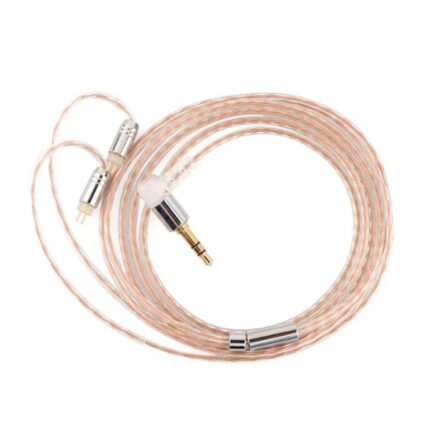
The Tripowin Karen Oxygen Free Copper HiFi Audio Cable uses high-purity copper conductors and careful shielding to reduce noise and preserve detail. You will notice tight bass, clearer mids, and less glare in the treble on many systems. The manufacturer focuses on value, offering multiple lengths and connector options for speakers, RCA, XLR, and headphone mods.
- Oxygen-free copper conductors for low resistance
- Multi-layer shielding to block RFI and EMI
- Precision connectors with secure contact
- Flexible jacket for easy routing
- Available in various lengths and terminations
Recommended Products


Sound and Performance Overview
Expect a neutral-forward presentation. The cable aims to pass the source signal faithfully. On digital and analog chains it often tightens bass and improves imaging. Users report better instrument separation and more consistent stereo width. The cable tends to favor resolution over coloration, which suits critical listening and analytical setups.
Use case matters. If you pair the Tripowin Karen with bright or overly analytic gear, the chain may reveal more high-frequency detail. With warm amplifiers, the cable preserves body while adding clarity. Always audition if possible. Small changes stack, and cables can highlight upstream flaws as well as strengths.
Build Quality and Design
Tripowin builds these cables with a balance of durability and flexibility. The outer jacket remains pliable even on longer runs. Connectors use decent plating to ensure long-term contact stability. Many users praise the strain relief and solid soldering on factory-terminated versions.
- Robust jacket protects conductors and aids routing
- Good strain relief reduces connector stress
- Quality termination options for common audio rigs
tripowin karen oxygen free copper hifi audio cable specs
Exact specs vary by model and termination. Typical attributes include OFC conductors, multiple conductor counts, and layered shielding. The manufacturer lists resistance and capacitance for each SKU on product pages. If you need low capacitance for long runs, check the specific model data before purchase.
- Conductor: Oxygen-free copper (OFC)
- Shielding: Braid + foil in many models
- Terminations: RCA, XLR, speaker banana/spade, 3.5mm
- Lengths: Commonly 0.5m to 5m, custom lengths possible
tripowin karen oxygen free copper hifi audio cable features
Key features focus on signal integrity and flexibility. The cable often balances conductor geometry and shielding to reduce interaction between channels and external noise. You will find versions tailored for interconnects, speaker cables, and headphone upgrades. The design intent stays the same: transmit audio with minimal alteration.
tripowin karen oxygen free copper hifi audio cable price and value
Price depends on length and termination type. Expect modest pricing compared to boutique brands. The unit delivers strong value for the performance it offers. If budget matters, look for shorter lengths or un-terminated options to save money. shop around and compare seller warranties and return policies.
For a direct search, try the phrase tripowin karen oxygen free copper hifi audio cable price to find current listings. Read seller reviews and check shipping terms. Market prices shift with availability, so validate totals before you buy.
How to Choose the Best Tripowin Karen Cable for Your Setup
Match the cable type to the job. Use interconnects for RCA or XLR links between preamps and amps. Use dedicated speaker cables for loudspeaker runs. For headphones, pick the correct termination and gauge to maintain low impedance and precise dynamics. Consider length carefully to avoid excess slack, which can add capacitance and tiny signal loss.
- Measure runs before ordering to avoid excess length
- Choose the appropriate termination for secure contacts
- Prefer well-shielded models near wireless devices
- Buy from reputable sellers with return options
Installation and Break-In Tips
Install cables with gentle bends and avoid sharp kinks. Keep audio cables away from mains wiring to reduce hum. Allow the cable to settle after installation. Many listeners report audible improvements after 24–72 hours of use. Use consistent routing for left and right channels to preserve stereo symmetry.
- Route cables away from power lines
- Secure connectors firmly but avoid over-tightening
- Play varied material during break-in for balanced conditioning
Comparisons and Alternatives
The Tripowin Karen series competes with other mid-range OFC cables and some budget silver-plated options. Compared to pure silver cables, the Karen tends to sound warmer and more musical. Compared to lower-cost generic cables, it often shows better noise rejection and build quality. If you seek extreme neutrality, look at higher-end oxygen-free or copper-silver hybrid designs.
tripowin karen oxygen free copper hifi audio cable review: Real-World Verdict
Independent listeners find the Tripowin Karen cable to be a consistent upgrade over stock or generic cables. It offers tangible improvements in clarity and staging at a reasonable cost. If you want clear, honest reproduction without extravagant coloration, this cable stands as a solid choice. Remember that system matching determines the final result. A cable that improves one setup may show marginal change in another.
Frequently Asked Questions
What makes oxygen-free copper better for audio?
The primary benefit lies in purity and reduced impurities. OFC offers lower resistivity and more stable conductivity than lower-grade copper. This can help preserve transient detail and reduce subtle loss over longer runs.
How do I compare tripowin karen oxygen free copper hifi audio cable specs across models?
Compare conductor gauge, shielding type, capacitance, and termination quality. Check manufacturer datasheets for resistance and capacitance values and match them to your system needs. For long runs prioritize low capacitance models.
Is the tripowin karen oxygen free copper hifi audio cable good for headphones?
Yes. Tripowin offers headphone-terminated versions. Pick the right termination for your headphone jack and ensure the conductor gauge supports low impedance for dynamic drivers.
How does the cable affect soundstage?
Many listeners report improved imaging and wider perceived soundstage. The cable helps by reducing crosstalk and preserving timing cues. Results vary by system and recording quality.
Where can I find the best tripowin karen oxygen free copper hifi audio cable?
Check reputable online retailers, specialized audio stores, and direct channels. Read recent user reviews and confirm return policies. Use precise queries like tripowin karen oxygen free copper hifi audio cable buying guide to find curated recommendations.
tripowin karen oxygen free copper hifi audio cable buying guide
Follow a clear checklist before buying. Decide which termination fits your gear. Measure the exact length you need. Prioritize shielded versions in electrically noisy rooms. Review seller feedback and warranty terms. If possible, audition the cable or buy from vendors that allow returns.
- Confirm termination compatibility with your equipment
- Buy the shortest practical length to limit capacitance
- Choose shielded models near routers or power supplies
- Look for transparent return policies and warranty coverage
Conclusion
The Tripowin Karen Oxygen Free Copper HiFi Audio Cable offers tangible upgrades for many systems. It blends solid build quality with a neutral, detailed sound profile. Use the buying guide and specs checks to choose the right model for your setup. When selected properly, the Tripowin Karen cable can raise clarity, tighten bass, and improve imaging without pushing color into your music.