
Sodium Polyacrylate: The Absorbent Powerhouse Explained

Have you ever wondered what makes a baby diaper so incredibly absorbent? Or how certain skincare products achieve their smooth consistency? The answer often lies with Sodium Polyacrylate, a superabsorbent polymer.
This remarkable compound can hold many times its weight in liquid. It provides practical solutions across countless industries. Many common items use this powerful substance.
The Science Behind Sodium Polyacrylate
Sodium Polyacrylate is a unique synthetic polymer. It comes from acrylic acid and sodium hydroxide. Its structure allows it to absorb and retain water molecules. The polymer chains have many carboxylate groups along their length. These groups attract water.
When dry, this substance is typically a white, granular powder. Upon contact with water, it quickly swells into a gel. This change happens because water molecules are drawn into the polymer network. The bonds between polymer chains trap the water. This process is very efficient.
How it Absorbs Water
The absorption mechanism involves osmosis. Water moves from an area of high concentration to low concentration. The sodium ions inside the polymer are highly concentrated. Because of this, water molecules rush in to balance the concentration. This causes the polymer to expand.
The cross-linked structure of the polymer is important. It prevents the swollen gel from dissolving in the water. Instead, it forms a stable, hydrated mass. This allows the material to hold onto the absorbed liquid effectively. It does not release it under pressure.
Superabsorbent Polymer Properties
Scientists classify Sodium Polyacrylate as a superabsorbent polymer, or SAP. This classification means it can absorb huge amounts of liquid. It can typically hold 100 to 1,000 times its own mass in water. This impressive capacity makes it invaluable. It is a true texture enhancer polymer in various applications.
Research confirms its ability to absorb liquids beyond just water. It can also absorb saline solutions. However, its absorbency is slightly reduced in saltwater. The presence of other ions changes the osmotic pressure. Still, its performance remains outstanding.
Recommended Products
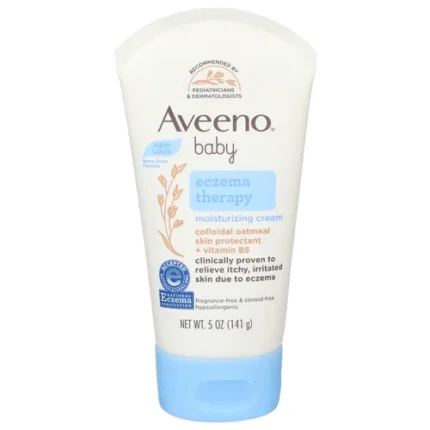 Sale
SaleOriginal price was: ৳ 2,500.00.৳ 1,990.00Current price is: ৳ 1,990.00.
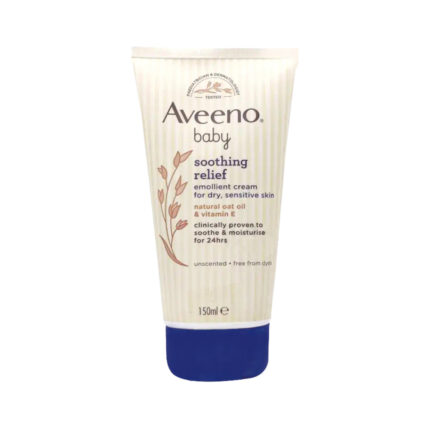 Sale
SaleOriginal price was: ৳ 2,300.00.৳ 1,490.00Current price is: ৳ 1,490.00.
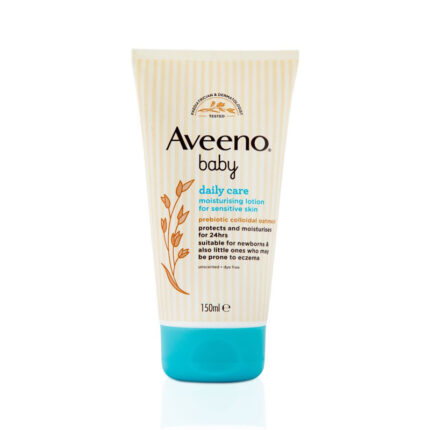 Sale
SaleOriginal price was: ৳ 1,400.00.৳ 890.00Current price is: ৳ 890.00.
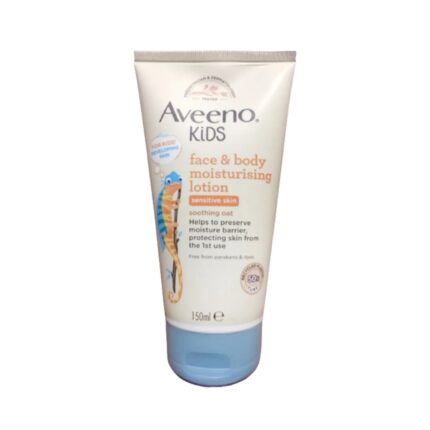 Sale
SaleOriginal price was: ৳ 1,750.00.৳ 1,349.00Current price is: ৳ 1,349.00.
Everyday Uses of Sodium Polyacrylate
This versatile polymer appears in countless products. Many people interact with it daily. They might not even realize its presence. Its superior absorbency makes it a staple material. Many common household items depend on it for performance.
Diapers and Sanitary Products
One of the most well-known uses is in disposable diapers. Sodium Polyacrylate revolutionized infant care. Before its widespread use, diapers were bulky. They needed frequent changing. Now, modern diapers are thin and highly effective.
The polymer quickly wicks away moisture from a baby’s skin. This helps to prevent diaper rash. Studies show drier skin experiences fewer irritations. Similarly, feminine hygiene products use it. It provides discrete and reliable protection. This ensures user comfort and confidence.
Absorbent Pads and Spill Control
Beyond personal care, Sodium Polyacrylate helps manage spills. Medical facilities use absorbent pads containing this polymer. These pads collect bodily fluids. They keep surfaces clean and dry. Similarly, pet training pads use this technology. They help contain accidents effectively.
Industrial settings also benefit from its absorbing power. It helps clean up various liquid spills. This includes chemical spills and water leaks. Its quick action prevents liquids from spreading. This minimizes potential hazards and damage.
Sodium Polyacrylate in Skincare Formulations
The beauty industry increasingly embraces Sodium Polyacrylate. It serves several crucial functions. It can act as a texture enhancer polymer. It also functions as an absorbent skincare ingredient. These roles improve product feel and effectiveness significantly.
As a Texture Enhancer Polymer
Skincare formulators use Sodium Polyacrylate to create desirable textures. It helps thicken lotions, creams, and serums. This creates a smooth, luxurious feel. The polymer gives products a non-sticky, elegant slip. It improves spreadability on the skin. Users enjoy a more pleasant application experience.
Experts often note its role in stabilizing emulsions. It prevents oil and water from separating. This ensures a consistent product texture over time. It contributes to the overall stability and shelf life of many cosmetic items. This means products perform as expected.
An Absorbent Skincare Ingredient
Beyond texture, Sodium Polyacrylate offers direct benefits to the skin. It can absorb excess oil and sweat from the skin’s surface. This makes it an ideal ingredient for oily skin formulations. It helps to reduce shine. It also provides a matte finish throughout the day.
Research indicates its ability to create a protective, breathable film. This film helps to lock in moisture. It supports the skin’s natural barrier function. This means the skin stays hydrated longer. It also feels softer and smoother. It is a powerful absorbent skincare ingredient.
How it Benefits Different Skin Types
For oily or acne-prone skin, it minimizes unwanted shine. It helps keep pores clear. This contributes to a healthier complexion. People with sensitive skin often tolerate it well. It is a gentle, non-irritating ingredient. This makes it suitable for many users.
Dry skin types also benefit. It helps to prevent trans-epidermal water loss. This means moisture stays within the skin layers. It supports long-lasting hydration. This versatile compound offers advantages across various skin concerns. It improves many products.
Agricultural and Industrial Applications
The utility of Sodium Polyacrylate extends far beyond consumer products. It plays an important role in agriculture. It also has significant industrial applications. Its unique properties solve various problems in these sectors.
Improving Soil Water Retention
In agriculture, Sodium Polyacrylate is a soil conditioner. Farmers mix it into soil. It helps soil retain water more efficiently. This is especially beneficial in arid regions. It reduces the need for frequent irrigation. This conserves precious water resources.
The polymer absorbs water during rainfall or irrigation. Then, it slowly releases the water to plant roots. This ensures a consistent moisture supply for crops. It supports healthier plant growth. This also increases crop yields. It is an environmentally conscious solution.
Cable and Fire Retardant Uses
Sodium Polyacrylate is used in certain cables. It prevents water ingress. If a cable jacket is damaged, the polymer absorbs any penetrating water. This stops water from traveling along the cable. This protects the internal components from damage.
Furthermore, it finds applications in fire safety. It is used in some fire-retardant gels. These gels release water when heated. This helps to cool down flames. It can create protective barriers. This property aids in preventing the spread of fires. This makes it very useful.
Safety and Environmental Considerations
Given its widespread use, understanding its safety profile is key. Consumers often wonder about its impact. Both human health and the environment are important. Reputable scientific bodies have evaluated Sodium Polyacrylate extensively.
Is it Safe for Humans?
Sodium Polyacrylate is generally considered safe. It is non-toxic. It is not absorbed by the skin. Regulatory agencies worldwide have approved its use. This includes approval in disposable products. These products have direct skin contact. They are safe for babies too.
Studies have shown minimal risk of irritation or sensitization. However, like any substance, individual sensitivities can vary. Manufacturers follow strict guidelines. This ensures product purity and safety. It minimizes potential adverse reactions. Therefore, it is a well-tested ingredient.
Environmental Impact
The environmental footprint of Sodium Polyacrylate is a topic of discussion. It is not readily biodegradable. This means it persists in the environment. However, many efforts are underway. Researchers are developing more biodegradable versions. These efforts aim to reduce long-term impact.
Currently, the focus is on responsible disposal. Proper waste management helps. It prevents accumulation in landfills. Experts note the benefits of water conservation. These benefits in agriculture can outweigh some drawbacks. Responsible use is always encouraged. This helps protect the planet.
Addressing Common Myths and Misconceptions
Like many synthetic compounds, Sodium Polyacrylate faces misconceptions. It is important to clarify these points. Accurate information helps consumers make informed choices. Understanding the facts dispels unwarranted concerns. It helps people feel more confident.
“It is a Harmful Chemical”
This is a common fear. Many people hear “chemical” and assume danger. However, Sodium Polyacrylate is a stable polymer. It is inert. This means it does not react easily with other substances. It does not break down into harmful components under normal use.
Its molecular size is also very large. This prevents it from being absorbed through the skin. It cannot enter the bloodstream. This significantly reduces any potential for systemic toxicity. Its safety profile is well-established through scientific testing. It is not a dangerous substance.
“It Causes Skin Irritation”
Some early reports linked certain diaper rashes to Sodium Polyacrylate. However, extensive research debunked this. Modern formulations are highly refined. They are designed to be hypoallergenic. The true cause of most diaper rashes is prolonged moisture exposure. Ammonia from urine irritates skin.
In fact, by keeping skin dry, Sodium Polyacrylate helps prevent irritation. It reduces the conditions that lead to rash development. This means it is often a solution, not the problem. Manufacturers rigorously test products. This ensures consumer safety and comfort. It effectively protects skin.
Benefits of Sodium Polyacrylate
The diverse applications of Sodium Polyacrylate highlight its many advantages. Its unique properties offer significant benefits. These benefits span across various industries. They improve the performance and quality of numerous products. Consumers benefit greatly from its presence.
Superior Absorbency and Retention
Its primary benefit is its unparalleled absorbency. It can hold vast quantities of liquid. It locks away that liquid even under pressure. This makes it ideal for products requiring high fluid capacity. It ensures dryness and hygiene effectively. This feature makes it highly desirable.
Enhanced Product Performance
In personal care, it means thinner, more effective products. Diapers are less bulky. They perform better. In skincare, it offers a refined texture. It provides excellent moisture management. This leads to more appealing and functional items. It improves user satisfaction.
Water Conservation
In agriculture, it plays a vital role in water saving. It allows plants to thrive with less irrigation. This is crucial for sustainable farming practices. It helps manage precious natural resources. This makes it an environmentally valuable compound. It supports long-term ecological balance.
Cost-Effectiveness and Versatility
Despite its advanced capabilities, Sodium Polyacrylate is cost-effective to produce. This makes it accessible for wide-scale use. Its versatility allows it to be incorporated into many different matrices. This adaptability makes it a preferred ingredient. It solves many different problems easily.
Frequently Asked Questions
What is Sodium Polyacrylate?
Sodium Polyacrylate is a superabsorbent polymer. It is derived from acrylic acid. It can absorb and hold hundreds of times its weight in water. This makes it useful in many products.
Is Sodium Polyacrylate safe for skin?
Yes, it is considered safe for topical use. It does not get absorbed by the skin. It is non-toxic and non-irritating in tested products. This makes it a good ingredient.
How is Sodium Polyacrylate used in agriculture?
In agriculture, it improves soil water retention. It absorbs water and releases it slowly to plants. This reduces irrigation needs and promotes healthier crop growth.
What is the texture enhancer polymer function?
As a texture enhancer polymer, it thickens cosmetic formulations. It creates smooth, non-sticky textures. It also stabilizes emulsions in lotions and creams. This improves product feel.
Final Thoughts
Sodium Polyacrylate is an indispensable material in modern life. Its unique superabsorbent properties are truly remarkable. From keeping babies dry to enhancing skincare textures, its impact is undeniable. It also supports sustainable agriculture.
This powerful compound continues to evolve. Research promises even more advanced applications. Understanding Sodium Polyacrylate empowers consumers. It highlights the innovation behind everyday products. Choose products wisely.