
Sodium Lauroyl Sarcosinate: Gentle Cleansing Explained

Consumers increasingly seek transparency in product formulations, leading to a heightened interest in specific ingredients. Among these, Sodium Lauroyl Sarcosinate stands out as a versatile and gentle component in countless personal care products. This sophisticated compound, often misunderstood, plays a pivotal role in delivering effective cleansing without the harshness associated with some traditional surfactants. It offers a unique balance of powerful cleaning action and exceptional mildness, making it a preferred choice for individuals with sensitive skin and those committed to gentle skincare routines. Understanding its origins, functions, and benefits illuminates why formulators increasingly incorporate this remarkable ingredient into their product lines, from shampoos and body washes to facial cleansers and toothpastes. This guide explores the science behind its efficacy and its integral role in modern personal care.
What is Sodium Lauroyl Sarcosinate? Unpacking the Amino Acid Surfactant
Sodium Lauroyl Sarcosinate is an anionic surfactant, a cleansing and foaming agent derived from sarcosine, a natural amino acid, and a fatty acid. Specifically, lauric acid, sourced from coconut oil, contributes to its “lauroyl” part. This unique combination gives it distinct properties that differentiate it from other common surfactants. As an amino acid surfactant, it leverages the inherent biocompatibility of amino acids, ensuring a gentler interaction with the skin and hair compared to more aggressive alternatives. It effectively reduces the surface tension of water, allowing oils and dirt to mix with water and rinse away easily. This fundamental action forms the basis of its cleansing power, making it an indispensable component in rinse-off formulations.
The Chemistry Behind Its Gentle Action
The molecular structure of Sodium Lauroyl Sarcosinate features a hydrophilic (water-loving) head and a hydrophobic (oil-loving) tail. This amphiphilic nature allows it to encapsulate oil, dirt, and impurities, effectively lifting them from surfaces like skin and hair. Unlike some harsh sulfates that can strip natural oils, Sodium Lauroyl Sarcosinate exhibits a milder interaction, disrupting the skin barrier significantly less. Its anionic charge ensures excellent foam production, a quality often associated with effective cleaning, though its foam is generally creamier and less voluminous than that produced by strong sulfates. This creamy lather provides a luxurious feel during application, enhancing the user experience without compromising on cleansing efficacy.
- Origin: Derived from sarcosine (an amino acid) and lauric acid (from coconut oil).
- Function: Acts as a surfactant, foam booster, and conditioning agent.
- Type: Anionic surfactant, known for its mildness.
Recommended Products

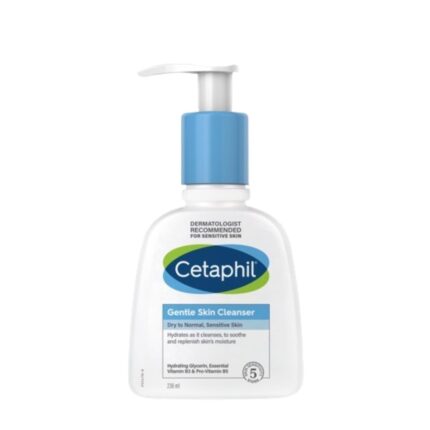 Sale
SaleOriginal price was: ৳ 3,200.00.৳ 2,150.00Current price is: ৳ 2,150.00.
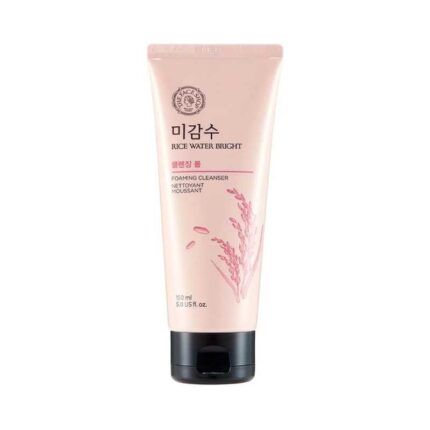 Sale
SaleOriginal price was: ৳ 1,380.00.৳ 960.00Current price is: ৳ 960.00.
The Gentle Power of Sodium Lauroyl Sarcosinate: A Mild Cleanser Ingredient
One of the most compelling attributes of Sodium Lauroyl Sarcosinate is its remarkable mildness. Consumers and formulators actively seek out ingredients that deliver effective cleaning without causing irritation, dryness, or damage to the skin’s natural protective barrier. In this regard, Sodium Lauroyl Sarcosinate shines as an exemplary mild cleanser ingredient. Its interaction with skin proteins is significantly less denaturing than that of harsher surfactants, minimizing the potential for redness, itching, and dryness, which are common complaints associated with traditional cleansing agents. This makes it an ideal choice for sensitive skin types, babies, and individuals prone to dermatological conditions.
Benefits for Skin Health
For the skin, using products formulated with Sodium Lauroyl Sarcosinate means experiencing a thorough cleanse that respects the skin’s delicate ecosystem. It helps maintain the skin’s natural moisture balance, preventing the ‘tight’ feeling often experienced after washing with strong soaps. Its non-comedogenic properties ensure it does not clog pores, a crucial factor for those battling acne or striving for clear skin. Furthermore, its ability to reduce surface tension effectively lifts makeup, sebum, and environmental pollutants, leaving the skin feeling fresh, clean, and soft. It offers a perfect solution for daily facial cleansing, body washes, and even specialized skincare products aimed at maintaining a healthy skin barrier.
Advantages for Hair Care
In hair care, Sodium Lauroyl Sarcosinate provides multiple benefits beyond just cleansing. It gently removes dirt, oil, and product buildup from the scalp and hair strands without stripping essential moisture. This gentle action helps preserve the hair’s natural luster and strength. Hair treated with sarcosinate-based shampoos often feels softer, smoother, and easier to manage. Moreover, its mildness makes it an excellent choice for color-treated hair, as it minimizes color fading by reducing the harshness on hair cuticles. Formulators also appreciate its ability to enhance foam quality and stability, contributing to a more satisfying wash experience, while simultaneously providing a conditioning effect that reduces frizz and improves detangling.
- Skin: Non-drying, maintains moisture barrier, non-comedogenic.
- Hair: Color-safe, improves softness, reduces frizz, aids detangling.
- Mildness: Significantly less irritating than harsh sulfates.
Key Benefits and Applications in Personal Care
The versatility of Sodium Lauroyl Sarcosinate extends across a broad spectrum of personal care categories, affirming its status as a highly valued ingredient. Its unique blend of effective cleansing, rich lather, and exceptional mildness makes it suitable for products targeting diverse consumer needs, from daily hygiene to specialized treatments. Manufacturers appreciate its performance characteristics and its favorable safety profile, allowing them to create high-quality products that meet consumer demand for gentle yet effective solutions.
Applications in Skin Care Formulations
Sodium Lauroyl Sarcosinate is a staple in various skin cleansing products. It provides a luxurious lather and a thorough clean without causing irritation, making it ideal for daily use. Consumers find it in:
- Facial Cleansers: Especially those formulated for sensitive, dry, or acne-prone skin. It removes impurities and makeup gently.
- Body Washes and Shower Gels: Delivers a rich, creamy lather and leaves skin feeling clean and moisturized, not stripped.
- Hand Soaps: Offers effective cleansing while being gentle enough for frequent hand washing.
- Baby Products: Due to its extreme mildness, it is often included in baby shampoos and washes.
Integration into Hair Care Products
In hair care, Sodium Lauroyl Sarcosinate contributes significantly to both the performance and sensory experience of products. Its ability to create stable, dense foam, combined with its gentle cleansing action, makes it a popular choice for:
- Shampoos: Particularly “sulfate-free” or mild formulations for all hair types, including color-treated and delicate hair.
- Conditioners: While primarily a cleanser, its mild conditioning properties can sometimes be utilized in co-wash formulations.
- Styling Products: Occasionally found in certain styling aids where a mild emulsifying or dispersing agent is required.
Role in Oral Care Products
Beyond skin and hair, Sodium Lauroyl Sarcosinate plays an important role in oral hygiene. It functions as a foaming agent in toothpastes, helping to distribute the active ingredients throughout the mouth and contributing to the feeling of cleanliness. Its mild nature is particularly beneficial in toothpastes, as it avoids irritation of delicate oral mucosa, a common issue with harsher foaming agents. Studies indicate its effectiveness in inhibiting the growth of certain oral bacteria, providing an additional benefit for maintaining oral health.
- Toothpastes: Creates foam for effective cleaning and aids in the dispersion of fluoride and other active ingredients.
- Mouthwashes: Helps distribute the solution and contributes to a fresh feeling.
Why Formulators Choose Sodium Lauroyl Sarcosinate
Formulators select Sodium Lauroyl Sarcosinate for several compelling reasons. Its excellent performance-to-mildness ratio is a primary driver. It offers good foam generation, effective detergency, and a pleasant sensory feel, all while being significantly gentler than many conventional surfactants. Furthermore, its good compatibility with other ingredients in a formulation allows for greater flexibility in product development. It works well with a range of emollients, humectants, and conditioning agents, enabling the creation of complex, high-performing products. Its favorable environmental profile, being readily biodegradable, also aligns with the growing demand for sustainable ingredient choices.
- Biodegradability: Breaks down easily in the environment.
- Compatibility: Works well with a wide array of other cosmetic ingredients.
- Performance: Provides stable foam, effective cleaning, and a pleasant skin feel.
Safety Profile and Environmental Impact
The safety of cosmetic ingredients remains a top concern for both consumers and regulatory bodies. Sodium Lauroyl Sarcosinate boasts an impressive safety profile, supported by extensive research and regulatory assessments. Its mild nature translates directly into a low potential for skin irritation and sensitization, making it a preferred choice for products marketed to individuals with sensitive skin or those seeking hypoallergenic options.
Dermatological Safety and Regulatory Status
Independent scientific reviews, such as those conducted by the Cosmetic Ingredient Review (CIR) Expert Panel, have consistently affirmed the safety of Sodium Lauroyl Sarcosinate in cosmetic formulations. These reviews conclude that it is safe for use in rinse-off products and, when formulated to be non-irritating, also safe for leave-on products. It is non-sensitizing, meaning it rarely causes allergic reactions, and non-comedogenic, ensuring it does not block pores. Its regulatory acceptance across major global markets further reinforces its trustworthy status as a cosmetic ingredient.
Environmental Considerations
Beyond human safety, the environmental impact of ingredients is a growing concern. Sodium Lauroyl Sarcosinate stands out positively in this regard due to its excellent biodegradability. It readily breaks down into simpler, non-toxic components, minimizing its accumulation in aquatic ecosystems. This characteristic aligns well with the increasing industry shift towards more sustainable and eco-friendly ingredient choices, offering formulators a conscientious option for their product lines. Choosing ingredients like Sodium Lauroyl Sarcosinate demonstrates a commitment to both consumer well-being and environmental stewardship.
Dispelling Myths: Sodium Lauroyl Sarcosinate vs. Other Surfactants
A common misconception in the personal care industry is the lumping together of all surfactants under the umbrella term “sulfates,” often associated with harshness. This generalization frequently leads to confusion, particularly concerning ingredients like Sodium Lauroyl Sarcosinate. It is crucial to understand that not all surfactants are created equal, and Sodium Lauroyl Sarcosinate possesses a distinct chemical structure and mildness profile that sets it apart from more aggressive sulfate-based surfactants like Sodium Lauryl Sulfate (SLS) and Sodium Laureth Sulfate (SLES).
Distinct Differences from SLS and SLES
While both Sodium Lauroyl Sarcosinate and SLS/SLES are anionic surfactants, their chemical structures and actions on the skin are fundamentally different. SLS and SLES are alkyl sulfates, known for their strong degreasing properties and high foam. However, this powerful action can also lead to irritation, dryness, and disruption of the skin’s natural barrier, particularly in higher concentrations or with prolonged contact. Sodium Lauroyl Sarcosinate, as an amino acid derivative, possesses a larger, more complex molecular structure and a different mechanism of interaction with skin proteins. This results in significantly less protein denaturation and lipid extraction, translating to a much milder effect on the skin and scalp.
- SLS/SLES: Strong degreasing, high foam, higher irritation potential.
- Sodium Lauroyl Sarcosinate: Mild cleansing, creamy foam, very low irritation potential.
The “Sulfate-Free” Movement and Clarity
The rise of the “sulfate-free” movement stems from consumer desire for gentler products. Many consumers seek to avoid SLS and SLES due to concerns about irritation. Sodium Lauroyl Sarcosinate fits perfectly within this preference, often serving as a primary surfactant in “sulfate-free” formulations. It offers the desired cleansing and foaming properties without the perceived drawbacks of traditional sulfates. Clarifying this distinction empowers consumers to make informed choices, understanding that “sulfate-free” does not mean “surfactant-free,” but rather a selection of gentler, alternative cleansing agents like Sodium Lauroyl Sarcosinate.
How to Identify Sodium Lauroyl Sarcosinate on Ingredient Lists
Consumers can easily identify Sodium Lauroyl Sarcosinate on product ingredient lists by looking for its International Nomenclature of Cosmetic Ingredients (INCI) name: “Sodium Lauroyl Sarcosinate.” This standardized naming system ensures consistency across products globally. Understanding INCI names allows individuals to confidently identify and choose products that align with their preferences for milder, amino acid-derived cleansing ingredients, ensuring they select products that truly embody a gentle approach to personal care.
- Look for: “Sodium Lauroyl Sarcosinate” explicitly listed.
- Avoid confusion: It is distinct from Sodium Lauryl Sulfate (SLS) or Sodium Laureth Sulfate (SLES).
The Future of Gentle Cleansing with Sodium Lauroyl Sarcosinate
The trajectory of the personal care industry points toward a continued emphasis on gentle, effective, and environmentally responsible ingredients. Sodium Lauroyl Sarcosinate perfectly aligns with these evolving market demands, securing its position as a key ingredient in future formulations. Consumer education continues to improve, with more individuals actively seeking out specific ingredients known for their benefits and mildness. This awareness drives innovation among formulators to develop increasingly sophisticated products that cater to a wide range of skin and hair needs.
Growing Consumer Demand for Mild Products
The global push for gentle formulations shows no signs of slowing. Consumers are more aware of ingredient lists and actively search for products that support skin and hair health without causing irritation. The rise of sensitive skin awareness and conditions like eczema and rosacea means that ingredients offering proven mildness, such as Sodium Lauroyl Sarcosinate, will remain in high demand. Manufacturers recognize this shift and prioritize ingredients that offer both efficacy and a reassuring safety profile.
Innovation in Formulations
Formulators constantly explore new ways to harness the benefits of Sodium Lauroyl Sarcosinate. Its compatibility with other ingredients allows for the creation of innovative product textures, sensory experiences, and targeted benefits. We anticipate seeing it in more specialized products, including those designed for anti-aging routines, sensitive scalp treatments, and formulations that combine cleansing with therapeutic properties. Its ability to act as a solubilizer and enhance the delivery of other beneficial ingredients further broadens its application potential.
Its Role in Sustainable Beauty
The future of beauty is inherently linked to sustainability. Sodium Lauroyl Sarcosinate’s derivation from natural, renewable resources (amino acids and coconut oil) and its excellent biodegradability position it as a champion in the sustainable beauty movement. Brands committed to reducing their environmental footprint will increasingly opt for ingredients that offer both high performance and eco-friendliness. This ingredient exemplifies how powerful cleansing can coexist with mildness and environmental responsibility, shaping a healthier future for both consumers and the planet.
Frequently Asked Questions
Is Sodium Lauroyl Sarcosinate safe for sensitive skin?
Yes, Sodium Lauroyl Sarcosinate is considered very safe and gentle, making it highly suitable for sensitive skin. Its mild nature causes significantly less irritation and dryness compared to traditional harsh sulfates.
Is Sodium Lauroyl Sarcosinate a sulfate?
No, Sodium Lauroyl Sarcosinate is not a sulfate. It is an amino acid-derived surfactant, chemically distinct from sulfate-based surfactants like Sodium Lauryl Sulfate (SLS) and Sodium Laureth Sulfate (SLES). It is often used in “sulfate-free” formulations.
What is the difference between Sodium Lauroyl Sarcosinate and Sodium Lauryl Sulfate?
Sodium Lauroyl Sarcosinate is an amino acid-derived surfactant known for its mildness and gentleness on skin and hair. Sodium Lauryl Sulfate (SLS) is a stronger, more aggressive sulfate-based surfactant that can cause irritation and dryness, especially in higher concentrations, by stripping natural oils.
Conclusion
Sodium Lauroyl Sarcosinate represents a sophisticated and highly effective solution for gentle cleansing in the personal care industry. Its origins as an amino acid surfactant underpin its remarkable mildness, positioning it as an ideal mild cleanser ingredient for a vast array of products. From nourishing facial washes to invigorating shampoos and even essential oral care, its ability to cleanse thoroughly without compromising skin or hair integrity is unparalleled. Consumers who prioritize both efficacy and gentleness consistently seek out formulations containing this exceptional ingredient. As the demand for transparent, safe, and environmentally conscious products continues to grow, Sodium Lauroyl Sarcosinate stands out as a foundational component, paving the way for a future where superior personal care experiences are synonymous with kindness to both the body and the planet.