
Sodium C14-16 Olefin Sulfonate: The Deep Cleanse Explained

Do you ever wonder what gives your favorite shampoo or body wash its incredible cleaning power? Many products rely on specific ingredients to achieve that fresh, deeply cleansed feeling. One such ingredient making waves in personal care and cleaning is Sodium C14-16 Olefin Sulfonate.
Understanding Sodium C14-16 Olefin Sulfonate
This long chemical name might seem intimidating at first glance. However, Sodium C14-16 Olefin Sulfonate is simply a type of surfactant. Surfactants are compounds that lower the surface tension between two liquids or between a liquid and a solid. This characteristic allows them to help clean surfaces effectively.
Because of its unique properties, this ingredient is highly valued. It performs exceptionally well in various product formulations. Understanding its role helps consumers make informed choices about their purchases. Many everyday items contain this powerful cleaning agent.
Chemical Composition and Origin
Sodium C14-16 Olefin Sulfonate comes from petroleum. It is derived from long-chain alpha olefins. These olefins undergo a sulfonation process. This chemical reaction adds a sulfonate group to the molecule. That sulfonate group gives the compound its surfactant qualities.
It is then neutralized with sodium hydroxide. This final step creates the sodium salt form. The “C14-16” part of its name refers to the carbon chain length. Specifically, it means the carbon chains range from 14 to 16 atoms long. This specific chain length contributes to its cleaning performance.
How it Differs from Other Surfactants
Many people are familiar with sulfates like Sodium Lauryl Sulfate (SLS) or Sodium Laureth Sulfate (SLES). Sodium C14-16 Olefin Sulfonate is also a sulfate-based surfactant, but it is a sulfonate. The key difference lies in the chemical bond. Sulfonates possess a carbon-sulfur bond. Sulfates, by contrast, feature a carbon-oxygen-sulfur bond.
This structural difference gives Sodium C14-16 Olefin Sulfonate some distinct advantages. For example, it is generally considered more stable across a wider pH range. It also performs better in hard water conditions. That means it keeps its cleaning power even with mineral-rich water. These characteristics make it a versatile choice for formulators.
Recommended Products
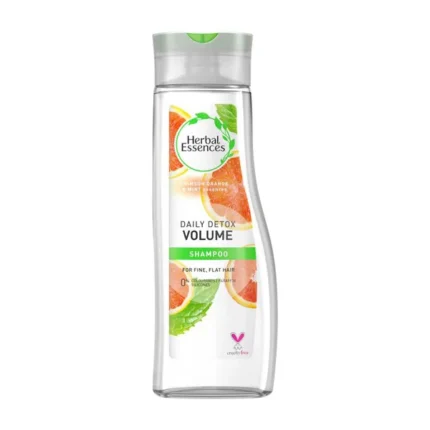 Sale
SaleOriginal price was: ৳ 1,000.00.৳ 750.00Current price is: ৳ 750.00.
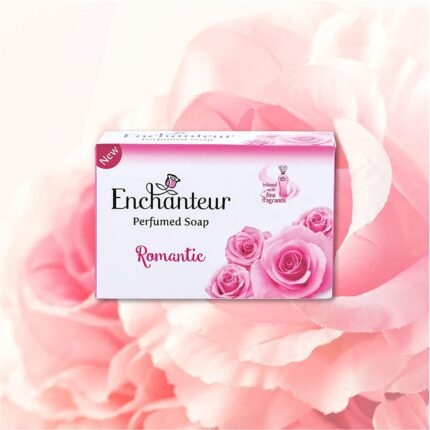
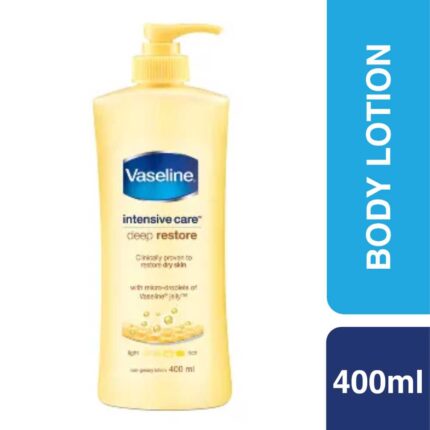 Sale
SaleOriginal price was: ৳ 550.00.৳ 510.00Current price is: ৳ 510.00.
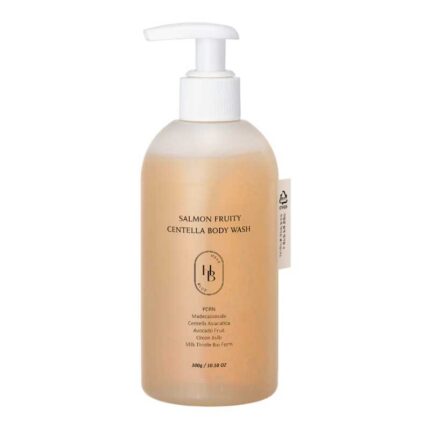 Sale
SaleOriginal price was: ৳ 2,850.00.৳ 2,420.00Current price is: ৳ 2,420.00.
The Science Behind its Deep Cleansing Power
One of the main reasons Sodium C14-16 Olefin Sulfonate is so popular is its ability to deep cleanse. It effectively lifts and removes dirt, oil, and grime. This makes it an excellent choice for products designed for thorough cleaning. Its efficiency stems from its molecular structure. This structure allows it to interact with impurities in a specific way.
Research indicates that effective surfactants work by breaking down surface tension. This allows water to better penetrate and surround dirt particles. Consequently, the dirt can then be easily rinsed away. This ingredient excels at this fundamental cleaning action.
Micelle Formation and Dirt Removal
When Sodium C14-16 Olefin Sulfonate mixes with water, it forms structures called micelles. Each micelle has a hydrophilic (water-loving) head and a hydrophobic (water-fearing) tail. The hydrophobic tails cluster together, forming a core. The hydrophilic heads face outwards, towards the water.
These micelles act like tiny magnets for dirt and oil. The hydrophobic tails encapsulate oily dirt particles. They trap them within the micelle’s core. Meanwhile, the water-loving heads keep the micelle suspended in water. This allows the trapped dirt to be rinsed away easily. This process is crucial for effective cleaning.
Understanding its Anionic Nature
Sodium C14-16 Olefin Sulfonate is an anionic surfactant. This means it carries a negative charge when dissolved in water. The negative charge is important for its cleaning mechanism. Many types of dirt and oil also carry a negative charge. This might seem counterintuitive for attraction.
However, the anionic nature helps in dispersing and suspending dirt particles. The charged heads of the micelles repel each other. This prevents dirt particles from clumping back together. As a result, the dirt remains suspended in the water. It can then be effortlessly washed away. This property makes it a highly effective deep cleansing surfactant.
Experience the Strong Foaming Ingredient
Beyond its powerful cleaning abilities, Sodium C14-16 Olefin Sulfonate is also known for generating rich, stable foam. Many consumers associate copious foam with effective cleaning. This perception holds true for many personal care products. The ingredient delivers a satisfying lather that enhances the user experience.
A strong foaming ingredient contributes to the spreadability of a product. It helps distribute the cleaning agents evenly across the skin or hair. This ensures every part receives the benefit. Therefore, foam is not just for show; it serves a practical purpose.
Why Foam Matters in Cleaning
Foam plays several important roles in the cleaning process. First, it helps lift and suspend dirt and oil. The bubbles themselves can entrap small particles. This prevents them from redepositing on the cleaned surface. This suspension action is vital for thorough rinsing.
Second, foam provides a visual cue of cleanliness. A thick lather often signals that the product is working. This psychological aspect contributes to consumer satisfaction. It also helps in applying the product uniformly. For example, shampoo foam helps cover all strands of hair. This ensures a consistent clean. Moreover, it creates a luxurious feel.
Comparing Foam Quality
Not all foaming agents are created equal. Some surfactants produce large, airy bubbles that dissipate quickly. Others, like Sodium C14-16 Olefin Sulfonate, create a dense, creamy, and stable lather. This type of foam is highly desirable in many product categories. It makes products feel more luxurious and effective.
Studies show that consumers often prefer products with stable, rich foam. This characteristic enhances the sensory experience of showering or washing. Consequently, formulators actively seek ingredients that provide superior foam quality. This ingredient consistently delivers on that front. It provides a satisfying washing experience.
Common Applications in Everyday Products
Given its powerful deep cleansing surfactant properties and ability to create a strong foaming ingredient effect, Sodium C14-16 Olefin Sulfonate is found in a wide array of consumer products. Its versatility makes it a preferred choice for many manufacturers. It delivers consistent performance across different formulations. This is why it appears in so many daily essentials.
From hair care to household cleaning, its presence helps products perform better. Consumers often encounter this ingredient without even realizing it. Its effectiveness makes it a staple in various industries. We will explore some common uses below.
Shampoos and Conditioners
Perhaps its most common application is in hair care products. Shampoos, in particular, benefit from its robust cleaning action. It effectively removes dirt, oil, and product buildup from the hair and scalp. This leaves hair feeling clean and refreshed. Many “sulfate-free” alternatives still use this sulfonate.
Its ability to produce a rich lather is also a significant advantage here. The foam helps distribute the shampoo evenly through the hair. It ensures every strand gets thoroughly cleaned. Although some conditioners contain it for specific functions, its primary role is in shampoos. It ensures a truly clean start for your hair.
Body Washes and Soaps
Body washes and liquid hand soaps frequently incorporate Sodium C14-16 Olefin Sulfonate. Its deep cleansing properties help remove sweat, environmental pollutants, and natural skin oils. This results in a clean and fresh feeling all over the body. It rinses away easily, leaving no residue.
The satisfying foam it creates enhances the showering experience. It feels luxurious on the skin. Moreover, its performance in hard water means it works well for everyone. Regardless of where you live, your body wash will lather well. This makes it a highly effective ingredient in personal cleansing products.
Household Cleaners
Beyond personal care, Sodium C14-16 Olefin Sulfonate also finds its way into various household cleaning products. Its grease-cutting and dirt-lifting capabilities are invaluable. For example, dish soaps, laundry detergents, and all-purpose cleaners often contain it. It helps tackle tough messes with ease.
Its stability in different pH conditions also makes it suitable for diverse cleaning tasks. This means it can function effectively in both acidic and alkaline formulations. As a result, it contributes to the high performance of many cleaning solutions. This ensures a spotless home environment. It proves its versatility across many applications.
Safety Profile and Skin Considerations
When encountering new ingredients, consumers naturally wonder about their safety. Sodium C14-16 Olefin Sulfonate has been widely studied and reviewed. Regulatory bodies generally consider it safe for use in cosmetic and personal care products. However, like any ingredient, individual reactions can vary.
Dermatologists recommend understanding your skin type. Knowing your sensitivities helps you choose appropriate products. Most people tolerate this ingredient well. Awareness is key when selecting skincare items. Always perform a patch test if you have concerns.
Is it Safe for Sensitive Skin?
For individuals with sensitive skin, the question of irritation often arises. Some people may experience dryness or irritation from strong surfactants. This can occur with many cleansing agents. Sodium C14-16 Olefin Sulfonate is generally considered milder than some traditional sulfates. Yet, it still provides robust cleaning.
Many “sulfate-free” products containing this ingredient market themselves as gentle. However, those with very sensitive or reactive skin should still approach with caution. It is always wise to check ingredient lists. Look for formulations that balance cleansing with moisturizing agents. Always consult a dermatologist for severe sensitivities.
Proper Usage and Concentrations
The concentration of Sodium C14-16 Olefin Sulfonate in a product is important. High concentrations might increase the potential for irritation. Manufacturers formulate products carefully. They aim to provide effective cleaning without causing adverse reactions. Therefore, products are designed for specific uses.
Using products as directed is always the best approach. Avoid over-washing or using excessive amounts. This ensures optimal performance and minimizes any potential issues. Rinsing thoroughly after use is also crucial. This removes all product residue from your skin or hair. Proper usage helps maintain skin health.
Environmental Impact
Concerns about the environmental impact of chemicals are increasingly important. Sodium C14-16 Olefin Sulfonate is generally considered readily biodegradable. This means it breaks down relatively quickly into simpler compounds in the environment. This characteristic reduces its persistence in water systems.
However, the environmental impact of any chemical is complex. It involves its manufacturing process and disposal. Responsible sourcing and production practices are vital. As a result, many companies strive for sustainable manufacturing. Consumers can support brands committed to environmental stewardship. Choosing eco-friendly products helps protect our planet.
Addressing Common Concerns and Misconceptions
Several misconceptions surround ingredients like Sodium C14-16 Olefin Sulfonate. This often happens due to a lack of clear information. Understanding these distinctions helps clarify its role and safety. It also helps consumers navigate product claims. We will explore two common areas of confusion.
Providing accurate information is essential for consumer confidence. It dispels myths and fosters trust. This section aims to offer that clarity. We address frequent questions about this ingredient. Educated consumers make better choices for their health and the environment.
Sulfates vs. Sulfonates: A Clarification
One major source of confusion is the difference between “sulfates” and “sulfonates.” The term “sulfate-free” has become a popular marketing claim. However, it often refers specifically to Sodium Lauryl Sulfate (SLS) and Sodium Laureth Sulfate (SLES). These are two common sulfates.
Sodium C14-16 Olefin Sulfonate is chemically a sulfonate. It is not an alkyl sulfate, like SLS or SLES. While it contains sulfur, its bond structure differs. This distinction is important for those avoiding specific sulfate types. Therefore, a product labeled “sulfate-free” might still contain a sulfonate. Always check the full ingredient list for clarity. This careful reading prevents misunderstandings.
The “Harshness” Debate
Another common concern revolves around the perceived “harshness” of strong cleansing agents. Some individuals report dryness or stripping sensations after using products with potent surfactants. This can sometimes be attributed to incorrect product usage. It can also stem from formulations that lack balancing emollients.
While Sodium C14-16 Olefin Sulfonate is an effective deep cleansing surfactant, it is not inherently “harsh” for everyone. Its potential for irritation is often concentration-dependent. It also depends on the overall product formulation. Many products combine it with gentler co-surfactants and moisturizing ingredients. This balances its cleansing power. This approach helps minimize any potential drying effects. It ensures a more balanced user experience.
How to Identify Products Containing Sodium C14-16 Olefin Sulfonate
Identifying this ingredient in products is straightforward. Always check the ingredient list on the product packaging. Ingredients are typically listed in descending order of concentration. This means the highest concentration ingredients appear first. Look for “Sodium C14-16 Olefin Sulfonate” specifically.
The ingredient list is your most reliable source of information. Do not rely solely on front-label claims like “sulfate-free.” As discussed, such claims can be misleading. Many reputable brands use this ingredient for its efficacy. Knowing what to look for empowers you as a consumer. This practice helps you make informed purchasing decisions. It ensures you understand what you are putting on your skin or hair.
The Future of Sodium C14-16 Olefin Sulfonate in Formulations
The personal care and cleaning industries are constantly evolving. Formulators continuously seek ingredients that offer performance, safety, and sustainability. Sodium C14-16 Olefin Sulfonate continues to be a valuable asset in this landscape. Its strong cleaning power and stable foam make it attractive. It remains a preferred choice for many applications.
As consumer demand shifts, so do product innovations. There is an ongoing focus on gentler yet effective formulations. This may lead to new ways this ingredient is combined with others. Such combinations can further enhance its benefits. It may also mitigate any potential drawbacks. Therefore, its role will likely remain significant. It will continue to be a staple in many cleaning solutions.
Frequently Asked Questions
What is Sodium C14-16 Olefin Sulfonate primarily used for?
Sodium C14-16 Olefin Sulfonate is primarily used as a deep cleansing surfactant in personal care and cleaning products. It helps remove dirt, oil, and grime effectively. Its strong foaming ingredient properties enhance the cleaning experience.
Is Sodium C14-16 Olefin Sulfonate considered a “sulfate-free” ingredient?
Chemically, Sodium C14-16 Olefin Sulfonate is a sulfonate, not an alkyl sulfate like SLS or SLES. Many “sulfate-free” products use it as an alternative. However, it still contains sulfur, so always check labels if you have specific concerns.
Can Sodium C14-16 Olefin Sulfonate cause skin irritation?
While generally considered safe, some individuals with very sensitive skin may experience dryness or irritation. This depends on concentration and overall product formulation. Always perform a patch test if you have known sensitivities.
Does Sodium C14-16 Olefin Sulfonate harm the environment?
Sodium C14-16 Olefin Sulfonate is generally regarded as readily biodegradable. This means it breaks down in the environment relatively quickly. This characteristic reduces its long-term environmental persistence.
Final Thoughts
Sodium C14-16 Olefin Sulfonate stands out as a highly effective cleansing agent. It offers a powerful deep cleanse in countless products we use daily. Its ability to create a strong, stable lather also enhances the user experience. This makes it a valuable component in many formulations.
Understanding the ingredients in your products empowers you. It allows you to make choices aligned with your personal preferences and needs. If you seek efficient cleaning and satisfying foam, products containing Sodium C14-16 Olefin Sulfonate are worth considering. Always read ingredient lists carefully and choose what works best for you.