
Silica for Skin: Ultimate Guide to a Balanced Complexion

Struggling with persistent shine or an oily complexion? Many people seek solutions for balancing their skin. The answer might lie in a remarkable natural compound. Silica offers a powerful way to manage excess oil and improve skin texture. This mineral ingredient is gaining recognition. It provides significant benefits for many skin concerns.
What Exactly is Silica?
Silica is a naturally occurring mineral compound. It consists of silicon and oxygen atoms. This ubiquitous element makes up a large portion of the Earth’s crust. It is found in many plants and even in the human body. As a result, its presence is fundamental across nature. In skincare, cosmetic-grade silica is highly purified. It is processed for safe and effective topical application. This compound often appears as a fine white powder. It offers unique benefits for various skin concerns. We will explore these benefits in detail.
The Natural Origin of Silica
Silica is one of the most common minerals on Earth. It forms the primary component of sand. Quartz is a well-known example of crystalline silica. However, the type used in cosmetics is typically amorphous. This means its atomic structure is not orderly. This natural abundance makes it a sustainable resource. Its widespread presence ensures a constant supply. This makes it an environmentally conscious choice. Because of this, it is favored by many brands.
Composition and Basic Properties
Chemically, silica is silicon dioxide (SiO2). It is a very stable compound. This stability makes it an excellent ingredient for formulations. It does not easily react with other chemicals. This inertness is a key factor. It contributes to its safety profile for skin. The fine particles of silica are typically porous. They possess a high surface area. This unique physical property is crucial. It underpins its effectiveness in skincare. Which means it works powerfully.
Recommended Products
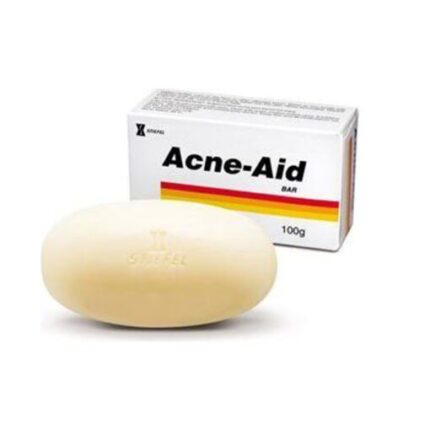
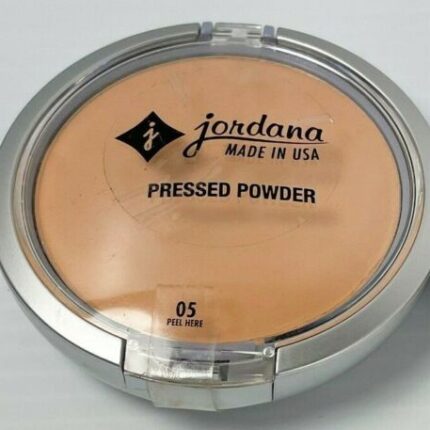 Sale
SaleOriginal price was: ৳ 720.00.৳ 650.00Current price is: ৳ 650.00.
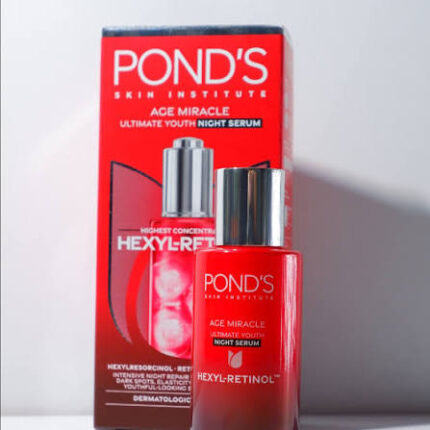 Sale
SaleOriginal price was: ৳ 2,000.00.৳ 1,950.00Current price is: ৳ 1,950.00.
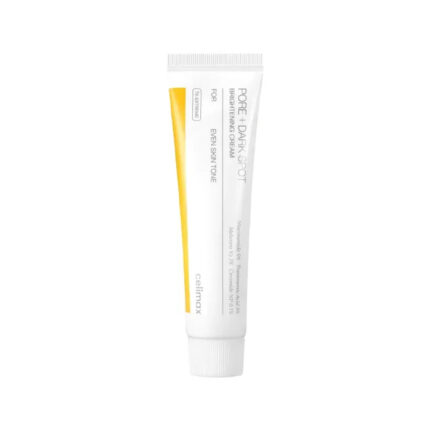 Sale
SaleOriginal price was: ৳ 1,790.00.৳ 1,590.00Current price is: ৳ 1,590.00.
The Power of Silica as an Oil-Absorbing Mineral Ingredient
One of the primary reasons for silica’s popularity is its exceptional ability to absorb oil. As an oil-absorbing mineral ingredient, it performs wonderfully. It tackles the common issue of an overly shiny face. People with oily skin often experience this throughout the day. When applied topically, silica particles draw in excess sebum. They hold onto it tightly. This action prevents the oil from spreading across the skin. The result is an immediate mattifying effect. This effect lasts for many hours. Which means skin stays clearer and less greasy looking. This natural mineral provides a gentle yet powerful solution. It manages unwanted shine effectively. Many cosmetic formulations use it for this very purpose.
Microscopic Structure for Absorption
Understanding how silica functions at a microscopic level reveals its effectiveness. This mineral has a unique porous structure. It acts like a tiny sponge. This structure allows it to absorb significant amounts of liquids. For example, it can absorb sebum, which is skin oil. The large surface area of silica particles traps oil efficiently. This process helps to reduce shine on the skin’s surface. Studies show its ability to control excess sebum. This makes it an ideal ingredient for oily and combination skin types. Its mechanism is purely physical. It does not interfere with natural skin processes. Instead, it supports a balanced appearance. This means skin feels fresh without feeling stripped.
Reducing Excess Sebum
Excess sebum production is a common concern. It leads to oily skin and potential breakouts. Silica addresses this directly. It acts like tiny blotting papers. These papers are spread evenly over the skin. They soak up surface oils. This action reduces the greasy feeling. It also minimizes the potential for clogged pores. When sebum is controlled, skin feels cleaner. It also looks healthier. This oil-absorbing mineral ingredient provides a visible difference. Many users report less shine. They also notice a more comfortable complexion. Because of this, it is a favorite for daily use. It helps maintain a fresh look all day.
Achieving a Flawless Finish: Silica as a Mattifying Skincare Compound
Beyond just absorbing oil, silica excels at creating a desirable mattifying skincare compound effect. It leaves skin with a smooth, non-greasy finish. This visual benefit is highly sought after. Especially in foundations, primers, and setting powders. The fine particles of silica also scatter light. This diffusion minimizes the appearance of pores. It also blurs fine lines. The skin appears smoother and more even. This optical effect contributes to a flawless look. It helps makeup last longer too. Products containing silica can be applied directly to the skin. Or, they can be layered over other products. This versatility makes it a staple ingredient. It features in many popular beauty items.
Instant Matte Effect
The instant mattifying effect of silica is one of its most prized qualities. Upon application, it immediately reduces unwanted shine. This creates a soft-focus finish. This immediate change is highly beneficial. It is especially useful for photographs or important events. The skin appears more refined. It looks less oily. This makes it an essential component. Many daily beauty routines include it. It delivers quick and visible results. This means users gain confidence. They enjoy a more polished look. Its performance is truly remarkable.
Optical Blurring Benefits
Silica particles have a unique ability to diffuse light. This property contributes to an optical blurring effect. It makes pores and fine lines less noticeable. Light bounces off the irregular surface of the particles. This reduces harsh shadows and reflections. The skin takes on a smoother appearance. This effect is not merely cosmetic. It actually makes the skin look healthier. It perfects the complexion. This is a key reason why it features in high-definition makeup. Which means cameras capture a more flawless face. Its subtle magic truly enhances natural beauty. It works wonders.
Beyond Oil Control: Additional Skincare Advantages
While celebrated for its oil absorption, silica offers more than just a matte finish. This versatile mineral ingredient also contributes to improved skin texture. Its fine particle size can gently exfoliate the skin. This removes dead cells without harsh abrasion. As a result, skin feels softer and appears smoother. Some forms of silica are used as natural fillers. They can help plump up the skin’s surface. This effect reduces the visibility of minor imperfections. It also aids in product stability. Which means formulas remain consistent. It supports overall skin health in subtle ways. This makes it a multi-functional component in many cosmetic items. It is often underestimated for these additional benefits.
Improving Skin Texture
The gentle abrasive quality of fine silica particles can improve skin texture. It provides a very mild physical exfoliation. This helps to shed dead skin cells. The result is a smoother, more even skin surface. Regular use can lead to a softer feel. It can also enhance skin radiance. This is a subtle yet significant benefit. It contributes to overall skin health. For example, some scrubs use it for this purpose. This makes silica a gentle helper. It refines your skin over time.
Supporting Product Stability
Silica also acts as a valuable additive in cosmetic formulations. It functions as a thickening agent. It also works as an anti-caking agent. This means it helps maintain the consistency of products. It prevents clumping. This ensures an even application. Its inert nature means it does not interfere. It will not disrupt other active ingredients. This makes it highly compatible. Therefore, many formulators include it. It improves the user experience. This means products last longer on the shelf. They also perform better on the skin. Its stabilizing role is vital. It is often an unsung hero.
Understanding Different Types of Silica in Cosmetics
Silica comes in various forms, each with specific applications. Amorphous silica is the type most commonly used in cosmetics. This form is non-crystalline and generally considered safe. It is highly effective for oil absorption. Colloidal silica refers to very fine particles suspended in a liquid. It provides a smooth, silky feel to products. Fumed silica is another common variant. It is known for its thickening and anti-caking properties. Hydrated silica is often found in toothpastes. It acts as a mild abrasive. For example, it gently polishes teeth. When selecting skincare, ensure products use cosmetic-grade amorphous silica. This type is ideal for topical skin benefits. Understanding these forms helps to appreciate its diverse utility. This means better product choices.
Amorphous Silica: The Cosmetic Star
Amorphous silica is the preferred form for cosmetic use. It lacks the crystalline structure. Crystalline silica can pose health risks if inhaled. Amorphous silica does not present these concerns topically. It is micronized into extremely fine particles. This enhances its ability to absorb oil. It also improves its light-diffusing properties. Because of this, it is found in many popular beauty items. These include primers, foundations, and powders. Its safety and efficacy are well-established. This makes it a trusted ingredient. It is a workhorse in the beauty industry.
Other Forms and Their Roles
While amorphous silica dominates skincare, other forms have specific functions. Fumed silica is synthesized. It serves as a rheology modifier. This means it controls product flow. It also prevents ingredients from settling. Hydrated silica adds gentle exfoliation. For example, in some face washes. Each form is chosen carefully. It is selected for its unique properties. This ensures optimal product performance. Therefore, understanding the type of silica matters. It guides informed decisions. Always check product ingredient lists. This ensures you choose correctly.
Is Silica Suitable for Every Skin Type?
Many people wonder about the safety of topical silica applications. Generally, cosmetic-grade silica is considered safe for most skin types. It is inert and non-reactive. This means it rarely causes irritation. Its primary function is physical absorption. This characteristic makes it suitable even for sensitive skin. However, individual sensitivities vary. Always perform a patch test when trying new products. Apply a small amount to a hidden skin area. Observe for 24-48 hours. This simple step helps prevent adverse reactions. While silica is largely hypoallergenic, caution is always wise. Consult a dermatologist if you have concerns. This ensures your skin remains healthy and happy. It is a well-tolerated ingredient.
Low Irritation Potential
One major advantage of silica is its low potential for irritation. It is a non-reactive mineral. This means it does not typically trigger allergic responses. It works by physical means, absorbing oil. It does not involve chemical interactions with skin cells. Therefore, it is often a good option. Many people with sensitive or acne-prone skin use it. Dermatologists recommend it for this reason. It offers benefits without causing undue stress. Which means your skin stays calm. This gentle nature is highly valued. It is a real plus for users.
Patch Testing for Peace of Mind
Despite its general safety, patch testing is always a good practice. Apply a small amount of the new product. Choose an inconspicuous area of your skin. The inner forearm is a good spot. Wait for 24 to 48 hours. Check for any signs of redness, itching, or irritation. If no reaction occurs, the product is likely safe for wider use. This simple step can prevent widespread skin issues. It provides peace of mind. This means you can use new products confidently. Always prioritize your skin’s health. This ensures a positive experience.
Seamlessly Integrating Silica into Your Routine
Adding silica to your daily skincare regimen can be straightforward. Many products already contain this beneficial ingredient. Look for it in mattifying primers. These are applied before foundation. It helps to control oil from the start. Setting powders also frequently feature silica. They lock in makeup and reduce shine throughout the day. Some specialized masks include silica. They offer a deeper oil-absorbing treatment. Which means a weekly mask can significantly help. For best results, use products consistently. Apply them to clean, toned skin. This optimizes its ability to absorb excess sebum. Always follow the product’s specific instructions. This ensures you get the most from the ingredient. You will see positive changes.
Primers and Powders
Silica-based primers create an ideal base for makeup. They absorb excess oil before foundation goes on. This extends makeup wear. It also prevents a greasy look. Setting powders containing silica are fantastic for touch-ups. They can be dusted over makeup. This instantly mattifies and refreshes the complexion. For example, many translucent powders rely on silica. They achieve their desired effect. This means your makeup stays fresh. It lasts longer. These products are easy to use. They are effective additions.
Targeted Treatments and Masks
Beyond daily makeup, silica appears in targeted treatments. Oil-absorbing masks often feature this ingredient. They provide a more intensive treatment. Apply a mask once or twice a week. It helps to deep clean pores. It also reduces overall oiliness. Some spot treatments may also contain silica. They help to dry out blemishes. This makes them less visible. These specialized products offer concentrated benefits. Which means you can address specific concerns. They complement your regular routine well. They provide extra support.
Dispelling Common Myths About Silica
Several myths surround the use of silica in skincare. One common misconception is that silica dries out the skin. In fact, cosmetic silica absorbs excess oil without stripping essential moisture. It targets sebum specifically. Another belief is that it clogs pores. The particles are too large to penetrate and obstruct pores. Instead, they sit on the surface. They absorb oil. Some confuse topical silica with diatomaceous earth. Diatomaceous earth has internal uses. However, it is not the same as cosmetic silica for external application. Always use products formulated for skin. This avoids any confusion. Understanding these differences helps to use silica confidently. It clarifies its true role.
Myth: It Dries Out Skin
Many worry that an oil-absorbing ingredient will lead to dry skin. This concern is understandable. However, cosmetic silica is designed to absorb only excess surface oil. It does not disrupt the skin’s natural moisture barrier. Skin needs some natural oils for hydration. Silica targets the problematic shine. It leaves essential hydration intact. This means your skin feels balanced. It does not feel stripped or uncomfortable. Therefore, it is a gentle solution. It maintains healthy skin function.
Myth: It Clogs Pores
Another common fear is pore blockage. Some believe fine powders can lead to breakouts. Silica particles are microscopically small. Yet, they are too large to enter and clog pores. They rest on the skin’s surface. They perform their oil-absorbing action there. In fact, by controlling excess sebum, silica may indirectly help prevent pore blockages. Fewer oils mean less opportunity for debris to accumulate. This means cleaner pores. It promotes clearer skin. This helps to reduce blemishes. It truly supports skin health.
Myth: All Silicas Are the Same
The term “silica” can be broad. It encompasses many forms. However, not all forms are suitable for cosmetics. As discussed, amorphous silica is the safe and effective choice for skin. Crystalline silica, for example, is used in industrial applications. It should not be used on the skin. Always look for cosmetic-grade ingredients. Ensure they are specifically for topical use. This distinction is very important. It guarantees safety and desired results. Read labels carefully. This ensures you choose wisely.
The Environmental Footprint of Silica Sourcing
Considering the origin of ingredients is increasingly important. Silica is abundant on Earth. Its primary source is quartz sand. However, responsible sourcing practices are still vital. Mining operations can impact local ecosystems. Therefore, brands should prioritize sustainable extraction. They should also minimize environmental disruption. Look for companies committed to ethical practices. This includes reducing their carbon footprint. Which means consumer choices can drive change. Supporting brands with transparency helps. It ensures the longevity of natural resources. This thoughtful approach benefits both people and the planet. It makes a difference.
Sustainable Practices
Sustainable sourcing for silica involves several key aspects. It requires careful land management. This minimizes habitat destruction during extraction. Energy-efficient processing also plays a role. It reduces the overall environmental impact. Companies should also consider water usage. They must ensure fair labor practices. These efforts contribute to a more ethical supply chain. This means a product is not only effective. It is also responsibly made. Choosing such brands supports a greener future. It reflects good corporate citizenship. Sustainability is a growing concern.
Consumer Responsibility
As consumers, we have a role to play. We can support brands that prioritize transparency. We can also choose products with clear sourcing information. Researching a brand’s environmental policies is helpful. Asking questions encourages better practices. Demand for ethically sourced ingredients drives market change. This means your purchasing power matters. It shapes the industry. Therefore, make conscious choices. These choices contribute to a healthier planet. They also promote fair trade. Be an informed shopper.
What Dermatologists Say About Silica
Dermatologists often recommend silica for managing oily and acne-prone skin. Its non-comedogenic properties are a key factor. This means it does not block pores. Dr. Emily R. explains, ‘Silica is an excellent choice for individuals seeking to reduce shine. It does so without causing irritation.’ Research indicates its efficacy. Studies support its role as a mattifying agent. Experts appreciate its gentle nature. They also note its physical mechanism of action. This contrasts with chemical oil controllers. Therefore, it is often suggested for sensitive individuals. Always consult your own skin expert. They can offer personalized advice. This ensures optimal results for your unique needs.
Expert Endorsements
Leading dermatologists generally view silica favorably. They recognize its unique benefits. Its ability to absorb oil without causing dryness is highly valued. This makes it a safer alternative. Other harsh oil-control ingredients can strip the skin. Dr. John S. notes, ‘For managing surface oil and shine, silica is a simple yet powerful solution.’ These expert endorsements provide confidence. They assure users of its proven efficacy. This means you can trust the science. It delivers reliable results. Its gentle action is a key benefit.
Personalized Advice
While silica is widely beneficial, personalized advice remains important. Every skin type is unique. Your dermatologist can assess your specific needs. They can recommend the best way to incorporate silica. They will also suggest suitable product formulations. This personalized approach maximizes benefits. It minimizes any potential concerns. Which means you get tailored care. This ensures the best outcomes for your skin. Always seek professional guidance. It truly makes a difference. They offer valuable insights.
Innovations and the Future of Silica in Beauty
The role of silica in cosmetics continues to evolve. Researchers explore new ways to enhance its benefits. For example, combining silica with hyaluronic acid. This could create products that both mattify and hydrate. Innovations in particle size and shape are also ongoing. These advancements aim to optimize its optical effects. They also seek to improve texture. The demand for natural, effective ingredients remains high. Therefore, silica will likely see increased use. Expect to see it in more diverse product types. This includes advanced sunscreens and sophisticated makeup. Its versatility makes it a valuable asset. Which means exciting developments are ahead.
Advanced Formulations
Future formulations may feature modified silica. These could have enhanced properties. For instance, surface-treated silica particles might offer better compatibility. They could work better with certain oils. Nano-silica research is also progressing. It promises even finer textures. It could offer more potent blurring effects. These advancements aim for superior performance. They also seek to improve user experience. This means products will become even more effective. They will provide tailored benefits. The possibilities are vast. Innovation drives progress.
Growing Market Demand
The beauty industry increasingly values natural ingredients. It also seeks sustainable options. Silica fits both criteria perfectly. Its proven efficacy further fuels its demand. Consumers want effective yet gentle solutions. Silica delivers on these fronts. This growing market interest ensures continued research. It also guarantees new product development. Which means more silica-based innovations will emerge. This promises an exciting future. It offers many opportunities. Expect to see it everywhere.
Frequently Asked Questions
What does silica do for skin?
Silica primarily absorbs excess oil. It creates a mattifying effect on the skin. It also helps to improve skin texture. It contributes to a smoother, more even complexion. This makes it beneficial for oily skin types.
Can silica clog pores?
No, cosmetic-grade silica particles are too large to penetrate and clog pores. They sit on the skin’s surface. They absorb oil. This action helps prevent pore blockages. It promotes clearer skin.
Is silica good for sensitive skin?
Yes, cosmetic silica is generally considered safe for sensitive skin. It is an inert, non-reactive mineral. It works physically by absorbing oil. It rarely causes irritation. Always perform a patch test first.
How often should I use silica products?
You can use silica-based products daily. Use them in primers or setting powders. For more intensive treatment, use masks with silica weekly. Always follow the product’s specific instructions for best results.
Final Thoughts
Silica stands out as a powerful ally for achieving balanced, clear-looking skin. This natural mineral offers impressive oil-absorbing capabilities. It also provides a beautiful mattifying effect. Which means it is highly effective. It is generally safe and well-tolerated. Incorporating silica into your routine can transform your complexion. Consider adding a silica-based primer or setting powder. This helps manage shine throughout your day. You will likely notice a significant improvement. Your skin will look healthier.