
Saccharomyces Ferment Filtrate: Ultimate Skin Guide

Many skincare enthusiasts struggle with dry, dull, or irritated skin. Because finding the right ingredient can feel overwhelming, beauty science looks to fermentation for real solutions. Using Saccharomyces Ferment Filtrate can dramatically transform your daily skincare routine and restore a healthy glow.
What Is Saccharomyces Ferment Filtrate?
This famous cosmetic ingredient comes from the simple fermentation of yeast. Specifically, manufacturers use the Saccharomyces genus of yeast, which brewers also use in baking and brewing. When this yeast undergoes fermentation, it produces a nutrient-rich fluid that scientists then filter for purity.
The Science of Yeast Fermentation
Fermentation is a natural process where microorganisms break down organic compounds. During this process, yeast consumes plant sugars and converts them into beneficial byproducts. As a result, the yeast releases amino acids, vitamins, and minerals that skin can easily absorb.
Dermatologists recommend fermented skincare because the process makes active molecules more bioavailable. This means the nutrients can penetrate deeper into the skin layers. So, Saccharomyces Ferment Filtrate provides faster and more noticeable results than non-fermented alternatives.
How Chemists Create This Extract
Skincare manufacturers create this extract under highly controlled laboratory conditions. First, they combine the live yeast culture with a specific nutrient medium, such as fruit juices or grains. When the yeast ferments the mixture, the chemists apply a delicate filtration process.
This filtration step is critical because it removes the actual yeast cells while preserving the beneficial liquid. This liquid is the final Saccharomyces Ferment Filtrate, which is completely sterile and safe for topical use. As a result, the ingredient remains stable in cosmetic formulas for a long time.
Key Nutrients in the Filtrate
Studies show that the final fermented liquid contains a dense concentration of vital skin nutrients. For example, it is packed with essential amino acids, which are the building blocks of skin proteins. Since it contains minerals like zinc, calcium, and magnesium, it supports overall skin health.
Yeast cells naturally contain B vitamins, such as riboflavin, niacin, and biotin. When you apply these vitamins to your face, they help to brighten dull areas and improve skin elasticity. That is why this yeast ferment ingredient is a staple in many anti-aging serums.
Recommended Products
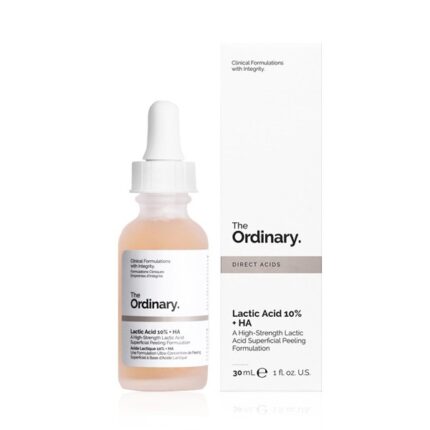 Sale
SaleOriginal price was: ৳ 2,000.00.৳ 1,490.00Current price is: ৳ 1,490.00.
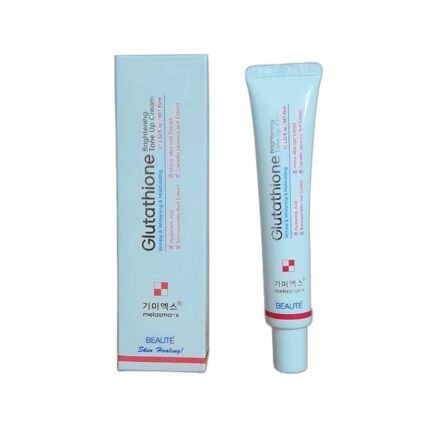 Sale
SaleOriginal price was: ৳ 1,250.00.৳ 950.00Current price is: ৳ 950.00.
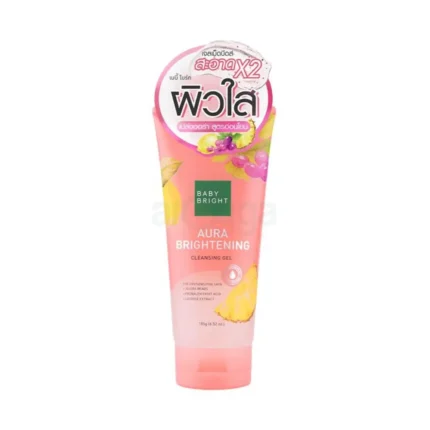 Sale
SaleOriginal price was: ৳ 850.00.৳ 540.00Current price is: ৳ 540.00.
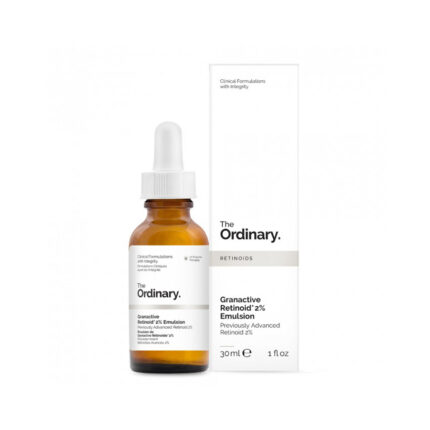 Sale
SaleOriginal price was: ৳ 2,000.00.৳ 1,490.00Current price is: ৳ 1,490.00.
The History of Fermentation in Beauty
Fermentation is not a modern invention in the beauty world. Since women in Asia have used fermented rice water for centuries, they enjoyed beautiful hair and skin. This historical practice laid the foundation for modern cosmetic science to isolate active ferments.
Traditional Fermentation Practices
Ancient cultures used natural fermentation to preserve food and enhance its nutritional value. Over time, people noticed that handling fermented substances made their hands remarkably soft and youthful. For example, traditional sake brewers in Japan were famous for their smooth, wrinkle-free hands.
These observations sparked interest among early cosmetic researchers who wanted to understand the phenomenon. They realized that the fermentation process created unique skin-conditioning agents. As a result, beauty brands began researching how to replicate these benefits in skincare laboratories.
The Discovery of Yeast Benefits
Scientists began isolating different strains of yeast to find the most beneficial compounds. When they focused on Saccharomyces, they discovered its incredible ability to soothe and hydrate the skin. This discovery marked a major turning point in modern skincare formulation.
Because early formulations were expensive, only luxury brands used fermented ingredients at first. However, advanced production methods have made these ingredients much more accessible today. Now, shoppers can find high-quality fermented products at various price points.
The Modern Fermented Skincare Market
Today, fermented skincare is a massive global trend that continues to expand rapidly. Consumers love these products because they deliver visible results without causing harsh irritation. This means that fermented essences have become a staple in many daily routines.
Beauty brands now combine different ferments to create highly advanced formulas. While yeast ferments provide hydration, other bacterial ferments protect and repair the skin barrier. So, shoppers have access to diverse products that address multiple skin concerns simultaneously.
Why Fermented Ingredients Work Better
Standard skincare ingredients often struggle to penetrate the skin barrier effectively. Because the outer layer of skin is highly protective, large molecules cannot pass through easily. Fermentation solves this problem by breaking down these active ingredients beforehand.
Smaller Molecular Size for Skin
During the fermentation process, yeast microbes break down complex plant extracts into tiny molecular structures. Since these molecules are much smaller, they slip past the skin barrier with ease. This means your skin absorbs the nutrients quickly without wasting any product on the surface.
While heavy oils and creams might sit on top of your face, this fermented fluid sinks in instantly. As a result, you do not get a greasy residue on your skin. This makes the extract perfect for lightweight layering in multi-step routines.
Increased Nutrient Concentration
Fermentation does not just break down molecules. When yeast ferments a nutrient medium, it synthesizes new compounds that did not exist before. This means you get a much higher concentration of antioxidants in every drop.
Research indicates that fermented extracts have higher antioxidant activity than raw botanical extracts. This higher potency helps neutralize free radicals. Since free radicals cause premature aging, neutralizing them keeps your skin looking youthful and vibrant.
Natural Preservation Benefits
The fermentation process naturally produces mild acids and antimicrobial compounds. While these compounds protect the yeast during fermentation, they also help preserve the skincare formula. This means cosmetic formulators can use fewer synthetic preservatives in the final bottle.
Reducing synthetic chemical preservatives lowers the risk of skin irritation for sensitive individuals. Since many shoppers prefer clean beauty options, fermented products are growing in popularity. They offer a self-preserving quality that keeps the formula fresh and effective.
Top Benefits of This Yeast Ferment Ingredient
Adding a yeast ferment ingredient to your daily routine can address multiple skin concerns at once. Because it contains a diverse mix of nutrients, it acts as a multi-tasking powerhouse. It offers benefits ranging from deep hydration to cellular repair.
Deep and Lasting Hydration
Dry skin often lacks the natural moisturizing factors needed to hold onto water. Saccharomyces Ferment Filtrate naturally mimics these factors, helping your skin retain essential moisture. When you apply it, the fluid draws water into the skin cells immediately.
This deep hydration plumps up the skin and reduces the appearance of fine lines. Since the hydration comes from water-binding amino acids, it does not clog pores. Your face feels soft, moist, and comfortable throughout the entire day.
Brightening and Evening Skin Tone
Dark spots and uneven skin tone can make the complexion look dull. When you use fermented yeast extracts, they help to balance melanin production. While it does not bleach the skin, it gently fades dark spots over time.
The natural acids in Saccharomyces Ferment Filtrate also encourage mild cellular turnover. This means old, dead skin cells shed more quickly, revealing fresh skin underneath. As a result, you notice a brighter, more radiant complexion within a few weeks.
Soothing Irritation and Redness
Environmental stressors like wind, cold weather, and pollution can irritate your skin. When your skin is stressed, it often becomes red, itchy, and sensitive. Saccharomyces Ferment Filtrate contains beta-glucans, which are known for their powerful soothing properties.
These compounds calm inflammatory pathways in the skin cells. Although some soothing ingredients feel heavy or sticky, this fermented liquid feels as light as water. So, it is an excellent choice for calming sunburns or windburns quickly.
Supporting Collagen Production
As we age, our bodies produce less collagen, leading to wrinkles and sagging skin. While many anti-aging ingredients are harsh, fermented yeast offers a gentle alternative. Since it is rich in peptides and amino acids, it supports the skin’s natural renewal process.
Dermatologists confirm that peptides signal the skin to produce more collagen. When you support collagen synthesis, your skin maintains its youthful bounce and elasticity. This means you can target fine lines without risking redness or flaking.
Role as a Barrier Support Compound
Your skin barrier is the shield that keeps moisture in and harmful bacteria out. When this barrier is damaged, you experience dryness, flaking, and frequent breakouts. That is why using a dedicated barrier support compound is essential for healthy skin.
Strengthening the Moisture Barrier
Saccharomyces Ferment Filtrate contains lipids and fatty acids that help rebuild the intercellular cement of the skin. When these lipids are replenished, the skin barrier becomes stronger and more resilient. This means the skin can prevent trans-epidermal water loss effectively.
A strong moisture barrier keeps environmental irritants from entering the deeper skin layers. Since the barrier is intact, you will experience fewer allergic reactions and less sensitivity. Your skin can finally rest and heal in a protected environment.
Balancing the Skin Microbiome
The skin microbiome is a complex ecosystem of microscopic organisms living on your face. When the balance of these organisms shifts, bad bacteria can multiply, causing acne and inflammation. This fermented extract acts as a prebiotic, feeding the beneficial bacteria on your skin.
Supporting the good bacteria helps crowd out the harmful pathogens. While traditional acne treatments often strip the skin biome, this extract nurtures it. As a result, you get clearer, calmer skin without disrupting the delicate natural balance.
Protecting Against Pollutants
Every day, your skin is exposed to invisible threats like smog, cigarette smoke, and heavy metals. These environmental pollutants create free radicals that break down skin cells. Because Saccharomyces Ferment Filtrate is rich in antioxidants, it neutralizes these pollutants on contact.
This protective shield prevents the premature aging that pollution causes. When you use this barrier support compound regularly, you safeguard your skin from daily damage. Your complexion remains bright and healthy despite the challenges of city life.
Who Should Use This Ferment?
Some skincare ingredients are only suitable for specific skin types or concerns. However, Saccharomyces Ferment Filtrate is unique because it benefits almost every skin type. Whether you have oily, dry, or sensitive skin, this ingredient fits beautifully into your routine.
Benefits for Dry and Dehydrated Skin
Dry skin lacks oil, while dehydrated skin lacks water. Since Saccharomyces Ferment Filtrate targets both issues, it boosts moisture retention. The yeast sugars act as humectants, drawing water deep into the dehydrated skin cells.
At the same time, the natural lipids help seal that moisture into the skin. This dual action prevents the constant evaporation of water from the skin surface. As a result, dry patches and flaky areas disappear, leaving your skin plump and smooth.
Benefits for Sensitive Skin Types
Sensitive skin reacts quickly to harsh chemicals, artificial fragrances, and climate changes. Because fermented yeast is highly bio-compatible, the skin recognizes it and absorbs it without irritation. It mimics the natural chemistry of human skin cells, which minimizes the risk of a reaction.
While other active ingredients like retinol or acids can cause redness, this ferment calms irritation. It strengthens the physical skin barrier, making it less reactive to external triggers. So, people with eczema, rosacea, or hyper-sensitive skin can safely use it.
Benefits for Aging and Mature Skin
Mature skin often suffers from a loss of volume, fine lines, and age spots. Saccharomyces Ferment Filtrate helps combat these signs of aging by promoting cellular renewal. Since it stimulates collagen synthesis, it helps firm up sagging skin and smooth out fine wrinkles.
The rich blend of amino acids helps to fade sun damage and dark spots. When you use it consistently, your skin tone becomes more even and luminous. This means you can achieve a more youthful appearance without using invasive treatments.
Benefits for Oily and Acne-Prone Skin
Oily skin types often avoid hydrating products because they fear getting clogged pores. However, this yeast extract has a water-light consistency that absorbs instantly without leaving a heavy film. It provides necessary hydration without adding excess oil to the skin.
Since it balances the skin microbiome, it helps control the bacteria that cause acne breakouts. It also regulates sebum production, which means your face stays matte for longer periods. This makes it an ideal hydration layer for congested skin.
How to Choose the Best Products
As the popularity of fermented skincare grows, you will find this ingredient in many products. However, not all formulas are created equal, so you must select carefully. Knowing what to look for will help you get the best value and results.
Look at the Ingredient List
When shopping for a new product, always read the ingredient label first. Saccharomyces Ferment Filtrate should ideally appear near the top of the list. Since ingredients are listed by concentration, this ensures you are getting a potent amount.
Avoid products that list water as the main ingredient and yeast ferment near the bottom. While these products are cheaper, they will not deliver the same dramatic results. Look for formulas where the ferment replaces water entirely.
Consider the Product Format
This yeast ferment ingredient is available in toners, essences, serums, and creams. Since it is highly fluid, it performs exceptionally well in watery essences. These essences are designed to be patted directly into the skin after cleansing.
If you prefer a simpler routine, you can look for a moisturizer that contains the ferment. This means you can combine your hydration and barrier support steps in one. So, select the format that best fits into your current daily habits.
Check the Ferment Concentration
Some brands disclose the exact percentage of the fermented filtrate in their products. Dermatologists recommend looking for concentrations between 80% and 95% for maximum efficacy. When the concentration is this high, the product acts as a powerful skin booster.
Although lower concentrations still offer benefits, they are less effective for anti-aging. If a brand does not list the percentage, you can judge by the texture. A high-quality fermented essence should feel slightly silky, not just like plain water.
How to Use It in Your Routine
Integrating a new skincare product into your daily schedule is simple. However, you must apply your products in the correct order to ensure maximum absorption. Following a few basic guidelines will help you achieve the best possible results.
Applying It After Cleansing
You should apply Saccharomyces Ferment Filtrate immediately after washing your face. Since the skin is clean and slightly damp, it absorbs the watery filtrate very easily. This step prepares your skin to receive the next products in your routine.
Pour a few drops of the essence into your palms and pat it gently onto your face. Avoid using a cotton pad because it absorbs too much product, which wastes your money. Instead, use your hands to press the liquid into your skin.
Layering It with Other Actives
This fermented ingredient layers beautifully with almost any other active compound. For example, you can use it alongside vitamin C in the morning to boost sun protection. Since it is gentle, it does not conflict with exfoliating acids or retinol.
Apply the filtrate first because it has the thinnest consistency. After it sinks in, you can apply your thicker serums, such as hyaluronic acid or niacinamide. So, lock everything in with your favorite moisturizing cream.
Morning Versus Evening Use
You can use Saccharomyces Ferment Filtrate twice a day for the best results. In the morning, it provides lightweight hydration and antioxidant protection against daily pollution. When used at night, it supports the skin’s natural repair process while you sleep.
Using it twice a day ensures your skin stays hydrated around the clock. Since it has no peeling or sensitizing side effects, it is completely safe for continuous use. You will notice a healthier glow when you maintain this daily consistency.
Comparing Popular Skincare Ferments
The beauty market is full of different fermented ingredients, so choosing can feel confusing. Understanding the differences between these options helps you choose the right one. Each ferment has unique properties that target specific skin concerns.
Saccharomyces Versus Galactomyces
While Saccharomyces Ferment Filtrate excels at overall hydration and barrier support, Galactomyces is famous for brightening. Galactomyces is a byproduct of sake fermentation and targets stubborn hyperpigmentation. Since both are yeast ferments, they share many hydrating benefits.
If your primary concern is dry skin and redness, Saccharomyces is usually the better choice. However, if you want to fade dark spots and reduce pore size, try Galactomyces. You can even use them together for a double dose of fermentation.
Saccharomyces Versus Bifida Ferment
Bifida Ferment Lysate is a bacterial ferment, whereas Saccharomyces is a yeast ferment. While yeast ferments focus on nutrition and hydration, Bifida focuses on DNA repair. Because Bifida protects against UV damage, it is a popular ingredient in night serums.
Both ingredients are excellent for strengthening the skin barrier. If you have extremely damaged skin, look for a product that combines both. This offers a complete approach to skin healing and barrier support.
Saccharomyces Versus Lactobacillus
Lactobacillus is another bacterial ferment that produces lactic acid. While Saccharomyces focuses on deep cellular nutrition, Lactobacillus excels at soothing acne-prone skin. Because Lactobacillus is a probiotic, it works actively to suppress bad bacteria.
If you have active acne and redness, Lactobacillus might offer faster soothing relief. However, Saccharomyces is better for dry skin that needs long-term structural repair. Choosing between them depends entirely on your current skin condition and goals.
Potential Side Effects and Safety
Before adding any new ingredient to your skincare routine, you should consider safety. While Saccharomyces Ferment Filtrate is generally safe, individual skin reactions can always happen. Knowing what to expect will help you protect your skin from irritation.
Is Yeast Ferment Safe for Fungal Acne?
Fungal acne is a skin condition caused by an overgrowth of yeast in the hair follicles. Because Saccharomyces is a yeast ferment, it can sometimes feed this specific skin condition. If you suffer from fungal acne, you should avoid this ingredient.
Using yeast ferments on fungal acne can make the bumps worse and increase itching. Although it is rare, some people experience flare-ups after using fermented skincare. If you have normal acne, however, this ingredient is completely safe and beneficial.
Patch Testing Before First Use
Dermatologists always recommend patch testing any new skincare product before applying it to your face. To perform a patch test, apply a small amount of the liquid to your inner forearm or jawline. Since these areas are sensitive, they will show reactions quickly.
Wait twenty-four hours to see if any redness, itching, or swelling occurs. If your skin remains clear, you can safely apply the product to your face. This simple step prevents major allergic reactions and protects your skin.
General Skin Tolerability
For the vast majority of people, Saccharomyces Ferment Filtrate has an excellent safety profile. Because it naturally mimics the composition of human skin cells, it rarely causes irritation. This means even those with sensitive skin can enjoy its benefits.
In fact, many users find that it helps soothe reactions caused by other skincare ingredients. Since it acts as a barrier support compound, it strengthens skin defense. That is why it remains a favorite among cosmetic formulators worldwide.
What the Research Says
Scientific studies continue to validate the use of fermented ingredients in modern cosmetics. Since researchers study how yeast ferments interact with skin cells, they find impressive results. These findings explain why so many dermatologists support the ingredient.
Studies on Moisture Retention
Clinical trials show that fermented yeast significantly increases skin hydration compared to standard glycerin formulas. Because the ferment contains natural humectants, it bonds with water molecules. This means the skin can hold moisture for up to twenty-four hours.
Researchers also measured trans-epidermal water loss in subjects using the filtrate. They found a marked decrease in water loss after just two weeks of daily use. As a result, the subjects had visibly plumper and smoother skin.
Research on Skin Brightening
Another study investigated the effect of the filtrate on hyperpigmentation and age spots. When applied twice daily, the fermented extract reduced the appearance of dark spots by twenty percent. This occurs because the ferment inhibits key enzymes responsible for melanin production.
While chemical brighteners can cause irritation, the fermented extract showed zero adverse side effects. So, it is a safer choice for individuals prone to post-inflammatory hyperpigmentation. Researchers concluded that it is a highly effective natural brightener.
In Vitro Tests on Inflammation
In vitro tests on reconstructed skin models show that yeast ferments reduce cellular stress. When skin cells are exposed to UV radiation, they produce inflammatory cytokines. These cytokines act as distress signals that trigger redness and swelling.
Although laboratory tests are different from real-world use, they show how the ingredient works at a cellular level. This scientific backing gives consumers confidence in the products they buy. It proves that fermented skincare is not just a passing trend.
How Yeast Fermentation Is Performed
Creating high-quality fermented ingredients requires precise scientific protocols and equipment. Because live yeast is highly sensitive, technicians must monitor the environment at every stage. This careful manufacturing process ensures the safety and efficacy of the final product.
The Selection of Yeast Strains
Scientists start by selecting the specific strain of Saccharomyces yeast that yields the best results. Since there are thousands of yeast strains, finding the perfect one requires extensive testing. They look for strains that naturally produce high levels of amino acids and skin-loving vitamins.
Once the technicians choose the ideal strain, they isolate and cultivate it in a sterile environment. This step prevents contamination from wild yeast or harmful bacteria that could spoil the batch. As a result, they maintain a pure culture that yields consistent quality over time.
The Fermentation Chamber Control
The pure yeast culture is then placed inside temperature-controlled fermentation chambers. Because yeast activity depends heavily on temperature, technicians must maintain exact conditions. If the chamber becomes too hot or too cold, the yeast may stop producing beneficial metabolites.
The fermentation process can take anywhere from a few days to several weeks. While the yeast ferments, sensors continuously monitor the pH levels and oxygen concentration. This means that technicians can adjust the environment instantly to optimize nutrient production.
The Separation and Filtration Stage
When the fermentation process is complete, the mixture contains both yeast cells and the nutrient-rich broth. Since the yeast cells are too large for skin absorption, they must be separated. Technicians use advanced centrifuge machines to spin the mixture and separate the solid matter.
When the centrifuging is complete, the liquid undergoes a multi-stage filtration process. This crucial step removes any remaining microscopic yeast fragments, ensuring a completely clear fluid. The final Saccharomyces Ferment Filtrate is then tested for purity and stability before being bottled.
The Environmental Impact of Fermentation
Many modern shoppers care deeply about the ecological footprint of their beauty products. Since fermentation is a natural biological process, it is highly sustainable. It offers a green alternative to synthetic chemical manufacturing.
Reduced Energy Consumption
Traditional chemical synthesis often requires high temperatures, high pressure, and heavy machinery. In contrast, yeast fermentation occurs at mild temperatures and requires very little energy. Because the process is energy-efficient, it significantly lowers the carbon footprint of skincare manufacturing.
Reducing energy consumption helps cosmetic brands meet their sustainability goals. Since many shoppers actively seek eco-friendly products, this is a major selling point. It proves that high-performance skincare does not have to harm the planet.
Biodegradable Raw Materials
The raw materials used to feed the yeast are completely natural and biodegradable. For example, manufacturers often use agricultural byproducts like molasses or fruit pulp as nutrient sources. This means that the manufacturing process does not produce hazardous chemical waste.
Using natural materials supports a circular economy and reduces agricultural waste. Since the waste from fermentation is non-toxic, factories can safely dispose of it. It represents a clean, earth-friendly approach to creating advanced beauty ingredients.
Minimal Water Waste
Water scarcity is a major concern in cosmetic manufacturing, as standard processes use massive amounts of water. While fermentation still requires water, the process is highly efficient because the water is recycled. Technicians filter and purify the water to reuse it in future fermentation batches.
This recycling system dramatically reduces the overall water footprint of the factory. So, when you purchase products containing Saccharomyces Ferment Filtrate, you support a cleaner beauty industry. It is a win-win situation for both your skin and the environment.
How to Store Fermented Skincare
To keep your fermented products effective, you must store them correctly. Although the filtrate is highly stable, improper storage can degrade the active nutrients over time. Following a few basic rules will preserve your product’s shelf life.
Avoid Direct Sunlight
Sunlight is the enemy of active skincare ingredients, as ultraviolet rays break down delicate organic compounds. When you leave your essence on a sunny windowsill, the UV rays destroy the amino acids. This means the product will lose its potency much faster.
Instead, store your bottles inside a dark cabinet or drawer. This protects the formula from light exposure and keeps the active ingredients fresh. Your skin will continue to receive the full benefits of the Saccharomyces Ferment Filtrate.
Keep at a Stable Temperature
Extreme heat can cause fermented ingredients to spoil or change color. While a warm bathroom is common, it is not the ideal environment for active skincare. Since temperature fluctuations can degrade the formula, keep your products in a cool room.
So, this provides a cool, stable temperature that feels incredibly refreshing upon application. It is especially beneficial during the hot summer months to soothe flushed skin. Proper temperature control keeps the active ingredients from breaking down prematurely.
Seal the Cap Tightly
Oxygen exposure can oxidize the vitamins and antioxidants in your fermented skincare. When you leave the cap loose, air enters the bottle and degrades the active ingredients. This means you should always tighten the lid immediately after every use.
Keeping the bottle sealed also prevents airborne bacteria from contaminating the sterile liquid. Since the formula contains natural ingredients, preserving its sterility is very important. Proper sealing ensures your product remains safe and effective until the very last drop.
Frequently Asked Questions
Is Saccharomyces Ferment Filtrate good for acne?
Yes, this ingredient is excellent for standard acne because it balances the skin microbiome. It regulates excess sebum production and reduces redness without drying out your skin. However, you should avoid it if you suffer from fungal acne.
Can I use this fermented ingredient with retinol?
You can safely combine Saccharomyces Ferment Filtrate with retinol in your skincare routine. Since the ferment strengthens your skin barrier, it helps minimize the dryness and peeling often caused by retinol. Apply the watery ferment first and let it absorb completely before using your retinol serum.
How long does it take to see results?
Many users notice increased skin hydration and softness within just a few days of consistent use. Since cell turnover takes time, improvements in skin brightness and dark spots usually appear after four to six weeks. Consistent daily application is the key to seeing long-term structural changes.
Is Saccharomyces Ferment Filtrate safe for sensitive skin?
This ingredient is highly safe for sensitive skin because it is bio-compatible and mimics the skin’s natural chemistry. It actively calms irritation and reduces redness while strengthening the protective skin barrier. So, dermatologists frequently recommend it for reactive or easily irritated skin types.
Final Thoughts
Saccharomyces Ferment Filtrate stands out as a highly versatile and gentle addition to modern skincare routines. Because it acts as a powerful barrier support compound and deep hydrator, it solves multiple concerns without irritation. To achieve a radiant and healthy complexion, look for a high-quality essence containing this ingredient today.