
Royal Jelly Extract: Skin Benefits & Uses

Do you wish your skincare felt more natural yet effective for aging or dry skin? Royal Jelly Extract can offer targeted support for hydration and skin repair when used correctly. Many shoppers ask how this ingredient compares to common alternatives and how to use it safely.
What is Royal Jelly Extract?
Royal Jelly Extract is a nutrient-rich secretion made by worker bees to feed larvae and the queen. This bee product contains proteins, vitamins, lipids, and small molecules that skin science finds interesting. Studies show topical use can help support skin hydration and barrier health.
Because the composition varies with bee diet and location, manufacturers standardize extracts to keep consistency. That means labels may list different strengths or pure forms, so shoppers should read ingredient lists. When you choose a product, check for extract concentration and product form.
Recommended Products
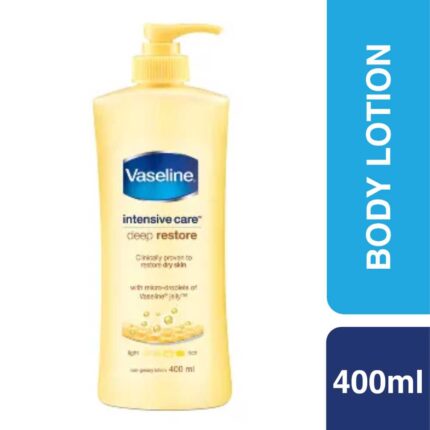 Sale
SaleOriginal price was: ৳ 550.00.৳ 510.00Current price is: ৳ 510.00.
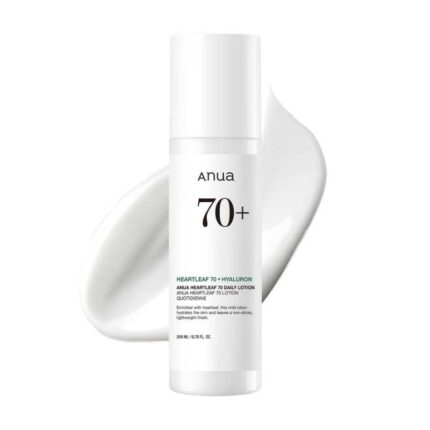 Sale
SaleOriginal price was: ৳ 2,750.00.৳ 2,460.00Current price is: ৳ 2,460.00.
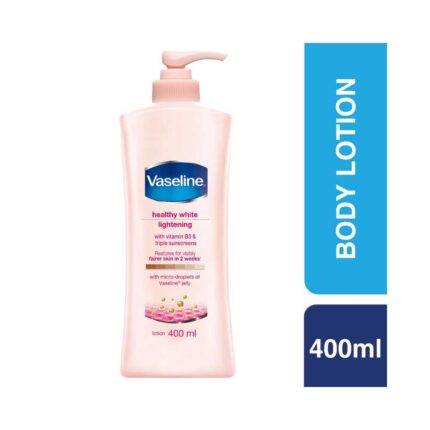 Sale
SaleOriginal price was: ৳ 570.00.৳ 520.00Current price is: ৳ 520.00.
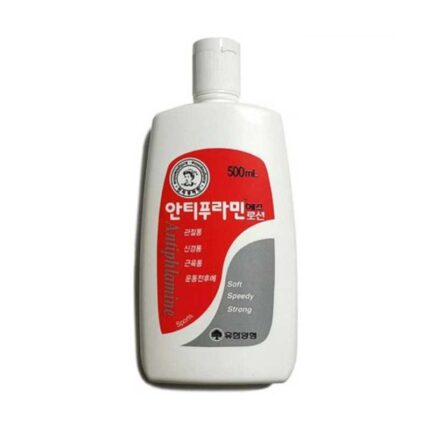 Sale
SaleOriginal price was: ৳ 1,200.00.৳ 840.00Current price is: ৳ 840.00.
How Royal Jelly Extract Works on Skin
Royal Jelly Extract supports skin by supplying building blocks for cell repair and moisturization. Research indicates it contains amino acids and sugars that help the skin hold water. Dermatologists recommend paired use with gentle cleansers and sunscreens to protect and enhance results.
For example, the extract may stimulate cellular activity that relates to skin turnover and repair. That can lead to a smoother look when used consistently over time. Still, people respond differently, so patience and proper routine matter.
Key active components
Royal Jelly Extract contains proteins and peptides that may signal cells to function. It also includes B-complex vitamins and trace minerals that nourish the skin. These components work together to support collagen production and hydration.
How it helps the barrier
The skin barrier relies on lipids and proteins to retain moisture and keep irritants out. Royal Jelly Extract supplies fatty acids and peptides that help strengthen that barrier. As a result, skin often feels softer and shows less flaking with regular use.
Antioxidant potential
Some compounds in royal jelly act as mild antioxidants that reduce oxidative stress on skin cells. Studies show antioxidants can help protect skin from everyday environmental stress. That means the extract may support a more even tone and less dullness over time.
Benefits for Aging Skin
Many users seek Royal Jelly Extract as a nourishing anti aging compound to improve firmness and glow. Clinical reports indicate that ingredients in royal jelly can support collagen scaffolding and skin elasticity. That makes it a popular choice in mid-range and premium anti-aging lines.
When used with retinoids or peptides, the extract can complement routines aimed at reducing fine lines. Dermatologists recommend patch testing first, since bee products can cause reactions in sensitive people. Because results take weeks, consistent use is essential for visible change.
Hydration and plumping
Royal Jelly Extract helps skin retain moisture and feel plumper after regular application. Its sugars and humectant-like molecules attract water to the skin surface. For many, this leads to a softer feel and reduced appearance of fine lines.
Firmness and texture
As collagen support improves, texture can feel firmer and tighter. Skin may look smoother when the extract supports natural repair processes. That is why many formulations combine royal jelly with known firming actives.
Why it partners well with other actives
The extract pairs well with hyaluronic acid, peptides, and antioxidants to amplify effects. For example, hyaluronic acid draws water while peptides support structure. This layered approach can speed visible improvement without increasing irritation risk.
Comparing Royal Jelly Extract to Other Ingredients
When you compare royal jelly to oils or plant extracts, the profile feels nutrient-dense and unique. It offers both proteins and small lipids unlike many single-component botanicals. For shoppers, that means one ingredient can address multiple skin needs at once.
However, some people prefer plant-based alternatives for ethical reasons. If you seek a vegan option, royal jelly will not fit that preference. For informed choices, read packaging and ask brands about sourcing and testing standards.
Royal jelly versus honey
Both come from bees but serve different roles in skincare products. Honey acts as a humectant and has antimicrobial qualities. Royal Jelly Extract provides proteins and growth-supporting molecules that target cell activity instead.
Royal jelly versus plant peptides
Plant peptides may mimic collagen signals, while royal jelly supplies natural peptides from bee secretions. Both can support firmness, but their compositions differ. That diversity can help brands create distinct formulations for different skin goals.
How to Choose Products with Royal Jelly Extract
Look for product labels that list Royal Jelly Extract fairly high in ingredient order. That indicates a meaningful concentration in the formula. If the extract appears near the bottom of the list, it likely plays a minor role in the product’s effect.
Because the market varies, choose products from brands that explain sourcing and purity. Trusted companies test for contaminants and standardize extract strength. When you shop, prefer clear labels and straightforward claims.
Form formats to consider
Royal Jelly Extract appears in serums, creams, masks, and oils. Serums deliver concentrated extracts quickly to the skin. Creams lock moisture and work for daily hydration, while masks provide periodic intensive treatment.
Concentration and label terms
Labels may say “royal jelly extract,” “royal jelly,” or “RJ extract” depending on form. Higher concentration often yields stronger effects, but higher does not always mean better. For sensitive skin, start with lower concentrations and build up slowly.
Certifications and ethical sourcing
Brands may offer details on bee-friendly harvesting and testing standards to assure shoppers. That helps protect bee populations while ensuring ingredient integrity. When brands provide transparency, you can make choices aligned with values.
How to Use Royal Jelly Extract Safely
Patch testing is the best first step when introducing Royal Jelly Extract to a routine. Apply a small amount to the inside wrist or behind the ear and wait 24 to 48 hours to check for redness or itch. If irritation occurs, stop use and consult a healthcare professional.
Because bee-derived ingredients can trigger allergies, avoid products with royal jelly if you have a known bee or venom allergy. For pregnant or breastfeeding people, consult a doctor before adding new topical actives. Always follow product instructions for frequency and amount.
Patch testing method
Clean a small skin area and apply the product, then observe for reactions over two days. If no reaction appears, introduce the product slowly into your routine. That practice lowers the chance of widespread irritation.
Layering with other skincare items
Use Royal Jelly Extract after cleansing and before heavier creams or oils for best absorption. For morning routines, follow with sunscreen to protect gains from UV damage. At night, pair the extract with gentle retinoids or peptides if tolerated.
Storage and shelf life
Store products in cool, dark places to preserve activity and prevent degradation. Heat and sunlight can reduce potency over time. Check expiry dates and discard products that smell off or change texture.
Choosing for Sensitive or Reactive Skin
People with sensitive skin need special care when trying Royal Jelly Extract. Start with low-frequency use and smaller amounts to monitor tolerance. Dermatologists recommend waiting several weeks before judging real benefit or irritation.
When irritation appears, stop use and simplify your routine to identify the cause. That means returning to a basic cleanser and moisturizer until your skin calms. After healing, you may reintroduce the extract gradually or choose an alternative ingredient.
Hypoallergenic options
Some brands formulate royal jelly products specifically for sensitive skin with fewer fragrances and additives. Those versions reduce the risk of additional irritation. Yet even hypoallergenic formulations require patch testing for safety.
Alternatives for sensitive users
If royal jelly causes reactions, consider plant-based humectants like glycerin or hyaluronic acid. Those ingredients offer hydration without bee-derived proteins. Still, they provide different benefits than royal jelly’s growth-supporting molecules.
Scientific Evidence and Research
Research indicates that Royal Jelly Extract contains compounds that can benefit skin health. Studies show the extract supports hydration and may influence collagen-related pathways. Scientific literature also notes variability in outcomes based on formulation and concentration.
Clinicians often pair topical studies with real-world observations to guide recommendations. For example, trials may show modest improvements in texture and moisture, while consumer reports highlight perceived glow and softness. That mix of evidence helps form practical advice for shoppers.
What laboratory studies reveal
Lab studies show royal jelly compounds can modulate cell signaling related to repair and inflammation. This suggests a plausible mechanism for topical benefits. However, laboratory findings do not always translate directly to consumer results without proper formulation.
Clinical trial observations
Clinical tests often report improved hydration and visible softness after weeks of use. Dermatologists rely on trial outcomes to assess safety and efficacy. That is why professional recommendations balance trial results with individual skin needs.
Real-World Tips for Shoppers
When shopping, read ingredient lists and choose products that match your skin goals. If you seek a nourishing anti aging compound, focus on formulas that combine royal jelly with proven hydrators. That pairing often yields stronger, reliable results.
For budget-conscious buyers, try sample sizes or travel kits before committing to full-size jars. Many brands offer trial options that let you test tolerance and observe results. That approach reduces waste and helps you find the right formulation without overspending.
How to assess product claims
Look for straightforward language and avoid sensational promises on labels. Brands that explain how much extract they use and why tend to be more reliable. If claims seem exaggerated, check for third-party testing or clinical summaries.
Combining products for best outcomes
A simple routine often beats a complex one when you add new active ingredients. Use Royal Jelly Extract with a gentle cleanser, a hydrating serum, and daily sunscreen for daytime. Night routines can include a richer cream containing the extract for repair while you sleep.
Cost and Value Considerations
Royal Jelly Extract appears across a wide price range, from affordable drugstore finds to premium jars. Price can reflect extract concentration, brand research investment, and packaging quality. That said, higher price does not always equal better results for your skin.
Because individual skin responses vary, consider starting with mid-priced options that document extract content. If you notice benefits, you can decide whether premium upgrades offer meaningful extra value. Many shoppers find mid-range formulas deliver strong results when used consistently.
Budget tips
Compare ingredient lists rather than packaging alone. Two products may contain the same active but at different concentrations. Reading labels helps you find the best value for your budget.
When to invest in premium options
Choose premium brands if they show clear testing, ethical sourcing, and stable formulations. Those brands often invest in preserving active integrity. However, clear evidence of benefit should guide your purchase decisions.
Environmental and Ethical Notes
Royal Jelly Extract comes from bees, so sustainability and ethical sourcing matter for many shoppers. Bee health faces pressures from habitat loss and pesticides, making responsible sourcing important. Brands that describe bee-friendly practices can help you make aligned choices.
Because extract production involves live colonies, ask brands about their harvesting methods and stewardship. Ethical brands balance product demand with bee welfare and long-term sustainability. That transparency helps consumers support responsible practices.
Questions to ask brands
Ask whether harvesting harms colonies and if sourcing follows bee-friendly guidelines. Also check whether third-party audits verify practices when possible. Those details show a brand’s commitment beyond marketing language.
Alternatives when sustainability matters
If you prefer plant-based choices, seek humectants and peptides labeled vegan. Those ingredients avoid bee products while still supporting hydration. Choosing vegan alternatives can align with personal ethics and skin goals.
Frequently Asked Questions
Is Royal Jelly Extract safe for all skin types?
Most people can use Royal Jelly Extract safely, but those with bee allergies should avoid it. Patch testing is a simple first step to check tolerance. If you experience redness or itching, stop use and consult a healthcare professional.
How long before I see results from Royal Jelly Extract?
Many users notice improved hydration in days, while texture and firmness may take several weeks. Consistent daily use yields the most reliable results. Pairing the extract with proven hydrators can speed visible changes.
Can I use Royal Jelly Extract with retinoids or acids?
Yes, but introduce combinations slowly and watch for irritation. Use lower frequencies at first and apply soothing hydrators to reduce sensitivity. If severe irritation occurs, pause and consult a dermatologist.
Does Royal Jelly Extract smell like honey?
Some products carry a mild natural scent from bee-derived components, but many formulations mask that scent. Fragrance-free options exist for those sensitive to smells. Check product descriptions to find neutral scents or none at all.
Final Thoughts
Royal Jelly Extract can be a valuable addition to routines that aim for hydration and gentle anti-aging support. Try products with clear labeling and start with a patch test to confirm tolerance. For most shoppers, the best approach is gradual introduction and pairing with proven hydrators for consistent results.