
Rose Water: Your Skin’s Best Soothing Elixir

For centuries, rose water has been celebrated as a timeless elixir in beauty rituals across cultures. This gentle, fragrant liquid offers remarkable benefits for various skin types, making it a beloved staple in modern skincare. Understanding how to integrate this natural wonder into your daily routine can unlock a visibly healthier, more radiant complexion. Prepare to discover the full potential of this cherished floral extract.
The Ancient Origins and Rich History of Rose Water
The story of rose water begins thousands of years ago, with evidence suggesting its use in ancient Persia, Egypt, and Rome. It was revered not only for its delicate fragrance but also for its medicinal and cosmetic properties. Cleopatra, the iconic Egyptian queen, reportedly bathed in rose water for its skin-softening effects. Persian physicians like Avicenna extensively documented its therapeutic uses, highlighting its calming influence. This historical lineage underscores its enduring value through generations.
The distillation process for extracting rose water, often from the damask rose, also known as rosa damascena flower water, was refined by Arab chemists. They perfected the art of separating the precious floral liquid from essential oils. This refinement allowed for more widespread use across different civilizations. Today, its legacy continues, proving that some beauty secrets truly stand the test of time.
Recommended Products
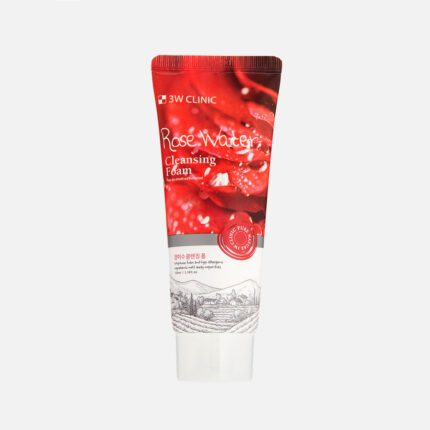 Sale
SaleOriginal price was: ৳ 700.00.৳ 450.00Current price is: ৳ 450.00.
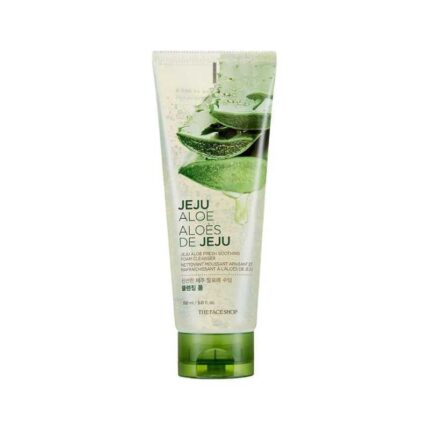 Sale
SaleOriginal price was: ৳ 1,380.00.৳ 960.00Current price is: ৳ 960.00.
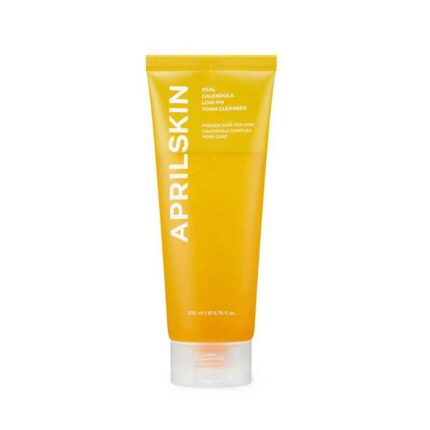 Sale
SaleOriginal price was: ৳ 3,060.00.৳ 2,140.00Current price is: ৳ 2,140.00.
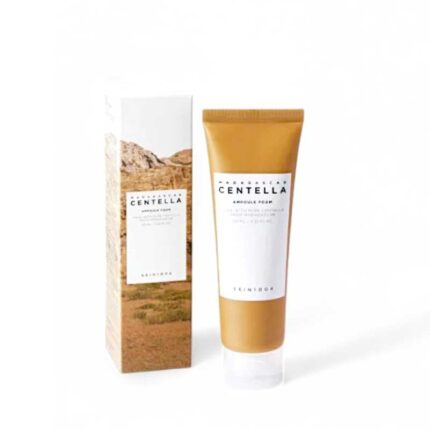 Sale
SaleOriginal price was: ৳ 460.00.৳ 320.00Current price is: ৳ 320.00.
How Rose Water is Produced and What Makes It Unique
The creation of high-quality rose water is a delicate process, primarily involving steam distillation. This method captures the essence of fresh rose petals, separating the fragrant water from the essential oil. Only the finest rose varieties, particularly the Rosa Damascena, are typically used for this purpose. The resulting liquid retains many beneficial compounds found in the petals.
Traditional Steam Distillation Methods
Traditional steam distillation is a time-honored technique for producing genuine rose water. Fresh rose petals are placed in a still, and steam is passed through them. The steam carries the volatile aromatic compounds from the petals upwards. This steam, now enriched with rose essence, is then cooled and condensed back into a liquid form. This condensate is the pure rose water, a byproduct of essential oil extraction. This careful process ensures a high concentration of beneficial floral compounds.
The initial few batches produced through distillation are often considered the purest and most potent. According to botanical experts, these batches contain the highest levels of natural therapeutic properties. This traditional method helps to preserve the delicate balance of compounds responsible for rose water’s unique characteristics. It remains the gold standard for producing authentic floral waters globally.
Understanding the Composition of Rosa Damascena Flower Water
Rosa damascena flower water is not just fragrant; it boasts a complex chemical composition rich in antioxidants and anti-inflammatory compounds. It contains phenols, flavonoids, and various terpenes. These natural elements contribute significantly to its soothing and protective qualities for the skin. The intricate balance of these components makes it exceptionally beneficial.
Research indicates that the specific genetic makeup of Rosa Damascena provides superior therapeutic value compared to other rose species. This scientific backing reinforces its historical reputation in skincare formulations. Its unique blend of constituents makes it a powerful and effective ingredient in many beauty products. The purity of the source material greatly influences the final product’s efficacy.
Key Benefits of Rose Water for Skin Health
The widespread appeal of rose water in skincare stems from its impressive array of benefits. It is renowned for its ability to calm, hydrate, and rejuvenate the skin naturally. This gentle yet powerful ingredient addresses various skin concerns, from redness to dryness. Incorporating it can lead to a healthier, more balanced complexion.
Calming Irritation and Reducing Redness
One of the most celebrated attributes of rose water is its potent anti-inflammatory properties. These properties make it an excellent choice for soothing irritated or sensitive skin. It can significantly reduce redness caused by conditions like rosacea, acne, or sun exposure. Applying it offers immediate relief and comfort to distressed skin.
According to dermatological studies, certain compounds within rose water actively work to minimize inflammatory responses at a cellular level. This action helps restore the skin’s natural barrier and reduce discomfort. For individuals prone to skin reactivity, rose water acts as a gentle yet effective solution. Its consistent use can lead to a more even and calm skin tone.
Providing Essential Hydration and Moisture
Beyond its soothing effects, rose water is an exceptional hydrating agent, making it a wonderful soothing floral toner ingredient. It helps replenish the skin’s moisture levels, leaving it feeling soft and supple. This natural hydrator prevents dryness without clogging pores, a common concern with heavier moisturizers. It is particularly beneficial for those with dry or dehydrated skin.
The humectant properties found in rose water attract and retain moisture from the environment. This capability assists in maintaining skin plumpness and elasticity throughout the day. Integrating it into your routine can improve overall skin texture and enhance glow. It works effectively as a preparatory step before applying serums and creams.
Antioxidant Protection Against Environmental Stressors
Rose water is rich in powerful antioxidants, which play a crucial role in protecting the skin from environmental damage. These compounds combat free radicals, unstable molecules that can harm skin cells and accelerate aging. Daily exposure to pollution and UV radiation can exacerbate this damage. Antioxidants neutralize these threats, preserving skin health.
Research suggests that the phenolic compounds in rose water offer significant protective benefits against oxidative stress. This protective shield helps to maintain youthful skin by preventing collagen breakdown and promoting cellular repair. Regular application reinforces the skin’s natural defenses. It’s a simple yet effective way to support long-term skin vitality.
How to Seamlessly Incorporate Rose Water into Your Skincare Routine
Adding rose water to your daily skincare regimen is straightforward and versatile, offering multiple application methods. Its gentle nature makes it suitable for both morning and evening routines. Discovering the best way to use this soothing floral toner ingredient can enhance your entire beauty ritual. Adapt these suggestions to fit your personal skin needs.
As a Refreshing and Balancing Toner
One of the most popular uses for rose water is as a natural facial toner. After cleansing your face, simply spray rose water directly onto your skin or apply it with a cotton pad. It helps to balance the skin’s pH, remove residual impurities, and prepare your skin for subsequent products. This step is crucial for optimal absorption of serums and moisturizers.
Using rose water as a toner minimizes the appearance of pores and refreshes your complexion. Its gentle astringent properties tighten the skin without causing dryness or irritation. This natural toning action makes it an ideal alternative to harsher chemical toners. Regular use contributes to a clearer, more refined skin texture.
The Perfect Mid-Day Facial Mist
Keep a bottle of rose water handy to use as a refreshing facial mist throughout the day. A quick spritz can instantly rehydrate your skin, set makeup, or simply provide a soothing pick-me-up. It’s particularly beneficial in dry environments or during warmer weather. This simple act can revitalize both your skin and your spirits.
The fine mist delivers a burst of hydration and a subtle, calming fragrance. This makes it an excellent way to combat afternoon dullness or relieve stress. It’s a quick and easy method to maintain skin moisture and glow without disrupting makeup. A facial mist helps to keep your skin feeling fresh and comfortable all day long.
Enhancing Masks and Serums
Elevate your existing skincare products by incorporating rose water. You can mix a few drops into your clay masks for a more hydrating and soothing experience. It prevents masks from drying too quickly and adds extra beneficial compounds. This method enhances the overall efficacy of your treatment.
For an added boost, use rose water to dilute thicker serums or creams, allowing for easier application and better absorption. It can also be used as the liquid component in DIY face masks, combining it with ingredients like honey or oatmeal. This integration maximizes the benefits of both the rose water and your chosen ingredients. Its versatility makes it a valuable addition to any customized routine.
Choosing the Right Rose Water Product
Selecting a high-quality rose water product is crucial to experience its full benefits. Look for products that list “100% pure rosa damascena flower water” as the sole ingredient. Avoid those containing artificial fragrances, alcohol, or preservatives, as these can negate the natural benefits and irritate the skin. Purity ensures maximum efficacy and gentleness.
The manufacturing process also plays a role in quality. Opt for steam-distilled rose water from reputable brands. This method guarantees that the valuable compounds are preserved. Always check reviews and ingredient lists carefully before making a purchase. A truly pure product will deliver the best results for your skin.
The Science Behind Rose Water’s Efficacy
Beyond anecdotal evidence, scientific research supports the therapeutic claims of rose water. Studies have identified various bioactive compounds responsible for its beneficial effects. These include terpenes, glycosides, flavonoids, and anthocyanins. Each compound contributes unique properties that benefit skin health.
For instance, the flavonoids present act as powerful antioxidants, protecting skin cells from oxidative stress. Terpenes, like geraniol and citronellol, contribute to its anti-inflammatory and antimicrobial properties. This blend of compounds explains its effectiveness as a soothing floral toner ingredient. Ongoing research continues to uncover the full extent of its dermatological benefits.
Common Myths and Misconceptions About Rose Water
Despite its popularity, several myths surround rose water that need clarification. One common misconception is that all rose waters are equal. In reality, significant differences exist in purity and quality based on distillation methods and added ingredients. Always check the label for 100% pure flower water.
Another myth suggests rose water is only for dry or mature skin. While highly beneficial for these types, its balancing and anti-inflammatory properties make it suitable for oily, acne-prone, and sensitive skin as well. It does not cause breakouts and can actually help regulate oil production. Understanding these distinctions helps users maximize its benefits correctly.
Frequently Asked Questions
Is rose water safe for all skin types?
Yes, rose water is generally considered safe and beneficial for most skin types, including sensitive, oily, dry, and combination skin. Its gentle, non-irritating properties make it a versatile ingredient. However, always perform a patch test if you have extremely reactive skin.
Can rose water help with acne?
Absolutely. Rose water possesses mild astringent and anti-inflammatory properties that can help reduce redness and inflammation associated with acne. It also helps to cleanse pores gently, which can prevent future breakouts. Consistent use supports a clearer complexion.
How often should I use rose water in my routine?
You can use rose water daily, even multiple times a day, depending on your needs. It can be applied as a toner after cleansing, as a refreshing facial mist, or mixed into other skincare products. Listen to your skin and adjust usage accordingly.
What is the difference between rose water and rose essential oil?
Rose water is a hydrosol, the aromatic water produced during the steam distillation of rose petals. Rose essential oil is the concentrated oil also extracted during this process. Rose water is much milder and can be applied directly to the skin, while essential oil is highly potent and typically requires dilution.
Final Thoughts
Embracing rose water in your skincare routine offers a holistic approach to achieving healthy, radiant skin. Its time-tested efficacy, backed by scientific understanding, positions it as an invaluable natural ingredient. From soothing irritation to providing antioxidant protection, its benefits are far-reaching. Make this ancient beauty secret a cornerstone of your daily regimen for a naturally beautiful glow.