
Pumpkin Enzyme: Your Guide to Natural Skin Exfoliation

In the quest for radiant, healthy skin, many individuals seek ingredients that offer effective results without harshness. Among the most celebrated is Pumpkin Enzyme, a remarkable component derived from the humble pumpkin. This natural exfoliating ingredient has gained significant popularity in the skincare world for its ability to gently resurface the skin, promoting a smoother and more luminous complexion. Understanding how this powerful fruit enzyme works and its myriad benefits is key to unlocking its full potential for your skincare regimen. It provides a unique approach to exfoliation, offering a gentle yet potent alternative for a clearer, more vibrant appearance.
Understanding What Pumpkin Enzyme Is
Pumpkin enzyme is a proteolytic enzyme, meaning it works by breaking down proteins. Specifically, it targets dead skin cells on the surface of the skin, gently dissolving the bonds that hold them together. This process facilitates their removal, revealing the fresher, healthier skin beneath. Derived from the pulp of pumpkins, this ingredient is packed with beneficial compounds including vitamins A and C, beta-carotene, and natural alpha hydroxy acids (AHAs). These components work synergistically to provide comprehensive skin benefits beyond just exfoliation. The natural origin of this enzyme makes it a popular choice for those seeking botanical solutions in their skincare.
The Science Behind Pumpkin Fruit Enzyme
The exfoliating action of pumpkin fruit enzyme is primarily due to its proteolytic nature. Unlike physical scrubs that rely on abrasive particles, or synthetic chemical exfoliants that use strong acids, pumpkin enzymes offer a more biomimetic approach. They selectively target and digest keratin proteins in the stratum corneum, the outermost layer of the skin. This leads to a gentle loosening and shedding of dull, dead cells without causing mechanical irritation or excessive stripping. Research indicates that enzymes like these can improve skin texture and tone with consistent, proper use. This scientific mechanism ensures effective resurfacing while maintaining the skin’s natural barrier integrity.
Recommended Products
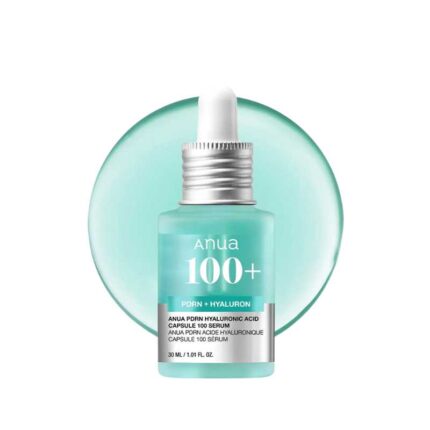 Sale
SaleOriginal price was: ৳ 3,000.00.৳ 2,100.00Current price is: ৳ 2,100.00.
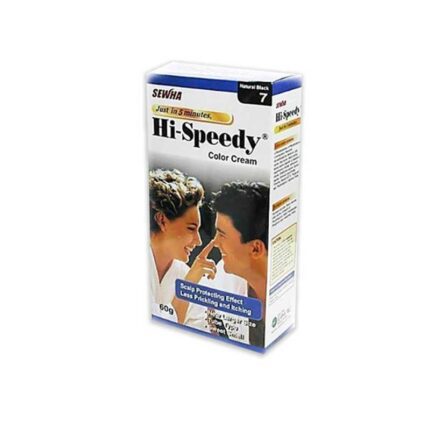 Sale
SaleOriginal price was: ৳ 850.00.৳ 740.00Current price is: ৳ 740.00.
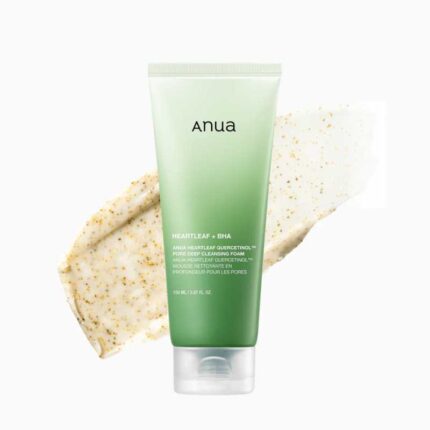 Sale
SaleOriginal price was: ৳ 1,980.00.৳ 1,386.00Current price is: ৳ 1,386.00.
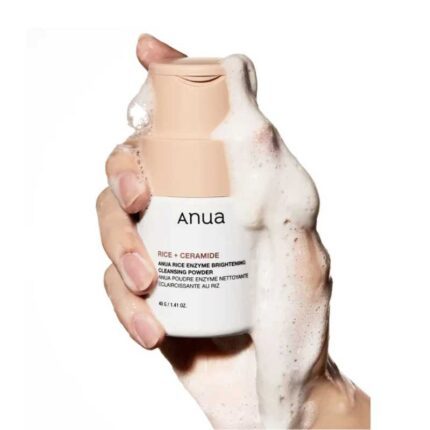 Sale
SaleOriginal price was: ৳ 2,640.00.৳ 1,848.00Current price is: ৳ 1,848.00.
Key Benefits of Incorporating Pumpkin Enzyme into Your Routine
The advantages of using pumpkin enzyme extend far beyond simple exfoliation. Regular application can lead to a noticeable improvement in overall skin health and appearance. This natural exfoliating ingredient is celebrated for its multifaceted benefits, making it a versatile addition to various skincare products. It addresses concerns from dullness to uneven texture, providing a comprehensive solution. Many users report a significant difference in skin clarity and softness after consistent use. Embracing this enzyme can truly transform your complexion, delivering a radiant glow.
Gentle Exfoliation for Smoother Skin
One of the primary benefits of pumpkin enzyme is its ability to provide gentle yet effective exfoliation. By dissolving dead skin cells, it helps to refine skin texture, making it feel softer and appear smoother. This gentle action makes it suitable for many skin types, including those that may be sensitive to stronger chemical exfoliants. Unlike some harsher methods, enzyme exfoliation typically minimizes the risk of redness or irritation, offering a comfortable experience. Regular use can prevent the buildup of dead cells, which often contributes to a rough or dull complexion. This leads to a consistently fresh and renewed skin surface.
Boosting Radiance and Brightness
The removal of the outermost layer of dead, dull skin cells allows the fresh, luminous skin beneath to surface. This process significantly enhances the skin’s natural radiance and brightness. Pumpkin enzyme helps to improve light reflection from the skin’s surface, contributing to a more vibrant and youthful glow. According to dermatological observations, consistent exfoliation can diminish the appearance of a tired or lackluster complexion. It essentially polishes the skin, revealing its inherent luminosity and improving overall skin tone. This brightening effect is a major draw for those seeking a more lively appearance.
Improving Skin Tone and Clarity
Uneven skin tone, often characterized by hyperpigmentation or dark spots, can be a common concern. Pumpkin enzyme can help to improve skin clarity by encouraging the turnover of pigmented cells. While it may not be as potent as some prescription treatments for severe hyperpigmentation, its consistent use can contribute to a more uniform complexion over time. By promoting the shedding of surface cells, it gradually reduces the visibility of minor discolorations. This leads to a more balanced and even skin tone. Industry data suggests that regular exfoliation can visibly reduce minor surface imperfections.
Minimizing the Appearance of Pores
Clogged pores can appear enlarged and contribute to an uneven skin texture. Pumpkin enzyme works to clear out debris, dead skin cells, and excess sebum that can accumulate within pores. By keeping pores clean and free from blockages, it helps them appear smaller and less noticeable. This leads to a smoother skin surface and a more refined appearance. Many users find that incorporating a natural exfoliating ingredient like pumpkin enzyme helps maintain clearer pores, which in turn can prevent breakouts. This contributes to an overall healthier-looking skin texture and improved clarity.
Providing Antioxidant Protection
Beyond its exfoliating prowess, pumpkin fruit enzyme is a rich source of antioxidants, including Vitamin A, Vitamin C, and beta-carotene. These powerful antioxidants help to protect the skin from environmental damage caused by free radicals, such as pollution and UV radiation. Free radical damage can contribute to premature aging, so incorporating antioxidant-rich ingredients is crucial for maintaining youthful skin. Research indicates that antioxidants play a vital role in preserving skin health and integrity. This protective aspect adds another layer of benefit, supporting overall skin resilience against daily stressors.
How Pumpkin Enzyme Works on Different Skin Types
One of the appealing aspects of pumpkin enzyme is its adaptability to various skin types, a testament to its gentle yet effective nature. Unlike some more aggressive exfoliants, a natural exfoliating ingredient like this can be carefully integrated into routines for sensitive, oily, dry, or combination skin. The key lies in selecting the right product formulation and usage frequency. Understanding how pumpkin enzyme interacts with specific skin characteristics helps in maximizing its benefits while minimizing any potential for irritation. It offers a balanced approach to skin renewal for a diverse range of users.
For Oily and Acne-Prone Skin
Oily and acne-prone skin types often struggle with excess sebum production and clogged pores, which can lead to breakouts. Pumpkin enzyme can be particularly beneficial for these conditions. Its ability to gently dissolve dead skin cells and clear out pore blockages helps to reduce the likelihood of acne formation. By promoting regular cell turnover, it also helps to prevent the accumulation of oil and debris that contribute to congestion. According to skincare experts, consistent enzyme exfoliation can significantly improve skin clarity and reduce breakouts for oily skin. It offers a milder alternative to harsh acne treatments, minimizing irritation.
For Dry and Sensitive Skin
Individuals with dry or sensitive skin often find it challenging to exfoliate without experiencing irritation or excessive dryness. Pumpkin enzyme offers a gentler alternative to physical scrubs or strong chemical peels. Its enzymatic action carefully lifts away dead cells without abrading the skin or causing excessive moisture loss. It’s crucial for sensitive skin types to start with lower concentrations and less frequent use. Many product formulations specifically designed for sensitive skin incorporate pumpkin enzyme for its mildness. Industry observations suggest that with careful introduction, even sensitive skin can benefit from enzyme-based exfoliation, achieving smoother texture without adverse reactions.
For Combination and Normal Skin
For those with combination or normal skin, pumpkin enzyme can act as an excellent maintenance tool. It helps to keep the skin balanced, clear, and radiant. By preventing the buildup of dead cells, it ensures that skin remains smooth and healthy-looking. It can address occasional dullness or minor textural irregularities without disrupting the skin’s natural equilibrium. For combination skin, it can help normalize cell turnover in both oily and drier zones, promoting overall balance. Integrating a pumpkin fruit enzyme product two to three times a week can maintain optimal skin health and appearance for these skin types, enhancing their natural glow.
Incorporating Pumpkin Enzyme into Your Skincare Routine
Adding pumpkin enzyme to your existing skincare regimen is straightforward, but selecting the right product and understanding usage guidelines are essential. This natural exfoliating ingredient is found in various formulations, each designed for different application methods and skin needs. Consideration of your skin type and existing routine will guide your choices, ensuring you reap the full benefits without over-exfoliation. Starting slowly and observing your skin’s reaction is always a recommended approach. Tailoring product selection and frequency is key to successful integration.
Types of Pumpkin Enzyme Products
Pumpkin enzyme is featured in a wide array of skincare products. These include cleansers, masks, serums, and peels, each offering a different intensity and application method. Cleansers with pumpkin enzyme provide a very mild daily exfoliation, suitable for consistent use. Masks typically offer a more concentrated treatment, designed for weekly or bi-weekly use, delivering a significant boost in radiance. Serums and peels often contain higher concentrations, providing more intensive resurfacing effects that should be used with caution and less frequently. Choosing the right product type depends on your desired results and skin sensitivity.
Recommended Usage and Frequency
The frequency of pumpkin enzyme use depends heavily on the product’s concentration and your individual skin type. For cleansers, daily use might be appropriate. Masks are generally recommended 1-3 times a week. Serums and more potent peels, however, should typically be used once or twice a week, or as directed by the product manufacturer. Always conduct a patch test before applying a new pumpkin fruit enzyme product to your entire face to check for any adverse reactions. Over-exfoliation can lead to irritation, redness, and compromise the skin barrier, so always listen to your skin and adjust accordingly. Consistency is key, but so is caution.
Comparing Pumpkin Enzyme with Other Exfoliants
Understanding where pumpkin enzyme stands in comparison to other popular exfoliating ingredients is crucial for making informed skincare choices. While many exfoliants aim to achieve similar results—smoother, brighter skin—they employ different mechanisms and boast varying strengths. Pumpkin enzyme distinguishes itself through its gentle, enzymatic action, offering a unique profile among the diverse landscape of skin resurfacing options. This natural exfoliating ingredient provides a valuable alternative for those seeking a less aggressive approach. Evaluating its place alongside other common exfoliants helps clarify its benefits and ideal applications.
Pumpkin Enzyme vs. AHAs (Alpha Hydroxy Acids)
Alpha Hydroxy Acids (AHAs) like glycolic and lactic acid are chemical exfoliants that work by dissolving the glue that holds dead skin cells together. They penetrate the skin more deeply than enzymes and can offer more dramatic results, especially for issues like fine lines and hyperpigmentation. However, AHAs can also be more irritating, particularly at higher concentrations, causing redness or sensitivity in some individuals. Pumpkin enzyme, while also containing some natural AHAs, primarily relies on its proteolytic enzyme action, which is generally milder and works on the very surface of the skin. It offers a gentler peel effect, ideal for those seeking less intensity. A study published in the Journal of Cosmetic Dermatology notes the varying penetration and irritation profiles between different exfoliating agents.
Pumpkin Enzyme vs. BHAs (Beta Hydroxy Acids)
Beta Hydroxy Acids (BHAs), primarily salicylic acid, are oil-soluble, allowing them to penetrate deeper into pores. This makes BHAs highly effective for oily and acne-prone skin, as they can dissolve sebum and clear out clogged pores. While pumpkin enzyme also helps with pore clarity, its action is primarily on the skin’s surface and less directly within the oil glands. BHAs can be drying for some skin types and might cause initial purging. Pumpkin enzyme provides a surface-level exfoliation that is less likely to cause dryness or significant purging, making it a good choice for those who find BHAs too strong or drying. Each serves a distinct, yet sometimes overlapping, purpose in exfoliation.
Pumpkin Enzyme vs. Physical Exfoliants (Scrubs)
Physical exfoliants, such as scrubs containing beads or grains, manually remove dead skin cells through friction. While they provide immediate tactile smoothness, many can be too harsh, causing micro-tears in the skin, disrupting the skin barrier, and leading to irritation or inflammation. A natural exfoliating ingredient like pumpkin enzyme, on the other hand, works enzymatically to gently digest dead cells without any physical abrasion. This eliminates the risk of mechanical damage, making it a safer and often more effective option for consistent skin renewal. Dermatologists often advise against harsh physical scrubs in favor of gentler chemical or enzymatic methods. Enzyme exfoliation promotes skin renewal without the potential for physical trauma.
Advanced Insights into Pumpkin Enzyme Skincare
Beyond the basics, understanding the nuances of pumpkin enzyme in skincare can further optimize its use. The efficacy of a pumpkin enzyme product isn’t solely about the presence of the ingredient, but also its formulation, the accompanying ingredients, and individual skin response. This section explores deeper considerations for maximizing the benefits of this natural exfoliating ingredient. It delves into how different formulations might impact results and what to look for when selecting products. Gaining these advanced insights can lead to more effective and personalized skincare strategies, enhancing overall skin health and radiance.
Fermented Pumpkin Enzyme: Enhanced Efficacy
Some advanced skincare formulations utilize fermented pumpkin enzyme. Fermentation is a process that can enhance the bioavailability and potency of ingredients. In the case of pumpkin enzyme, fermentation can break down larger molecules into smaller, more easily absorbed components, potentially increasing its exfoliating and skin-renewing capabilities. This process can also introduce beneficial postbiotics that support the skin’s microbiome. According to cosmetic chemists, fermented ingredients often offer improved stability and absorption, leading to enhanced performance. Products with fermented pumpkin fruit enzyme may provide a more efficient and profound exfoliating experience while remaining gentle. This innovation signifies a step forward in natural enzyme technology.
The Role of pH in Enzyme Activity
Enzymes are highly sensitive to pH levels, and their activity is optimal within a specific pH range. For pumpkin enzyme, this range is typically slightly acidic. Skincare formulations must maintain an appropriate pH to ensure the enzyme remains active and effective. If a product’s pH is too high or too low, the enzyme can become denatured or inactive, rendering the product less effective. Reputable skincare brands carefully formulate their products to ensure the optimal pH for enzyme activity. Consumers should be aware that combining enzyme products with very high or low pH products simultaneously could potentially impact their efficacy. Ensuring proper pH helps unlock the full potential of this natural exfoliating ingredient.
Synergistic Ingredients and Formulations
Pumpkin enzyme is often combined with other beneficial ingredients to create synergistic formulations. For instance, combining it with hydrating agents like hyaluronic acid or glycerin can help maintain skin moisture during exfoliation. Antioxidant-rich ingredients can further enhance its protective benefits. Some products might also pair pumpkin enzyme with milder AHAs or BHAs for a multi-pronged approach to exfoliation, though this should be approached with caution, especially for sensitive skin. The overall formulation plays a crucial role in the product’s effectiveness and how it interacts with the skin. A well-formulated product maximizes the benefits of the pumpkin fruit enzyme while minimizing potential side effects. Industry best practices emphasize balanced and complementary ingredient profiles.
Common Misconceptions About Pumpkin Enzyme
Despite its growing popularity, certain misconceptions about pumpkin enzyme persist, which can lead to improper use or unrealistic expectations. Clarifying these common misunderstandings is essential for anyone considering or currently using this natural exfoliating ingredient. Understanding the facts helps ensure a more effective and safe skincare routine. Addressing these myths allows users to approach pumpkin enzyme with accurate knowledge, maximizing its benefits and avoiding potential pitfalls. It’s important to distinguish between marketing claims and scientific reality to truly appreciate this ingredient.
“Pumpkin Enzyme Is Only for Fall Skincare”
While pumpkins are synonymous with the autumn season, pumpkin enzyme is a year-round skincare ingredient. Its benefits, such as gentle exfoliation, brightening, and antioxidant protection, are relevant regardless of the season. The idea that it’s limited to fall is often a marketing association rather than a scientific one. In fact, its mild nature can be particularly beneficial during warmer months when skin might be more prone to sensitivity from sun exposure, as it offers a gentler alternative to stronger exfoliants. This natural exfoliating ingredient is a perennial asset in the pursuit of healthy skin, adaptable to any climate or time of year.
“It Will Give You an Immediate ‘Peel’ Like Effect”
Many people associate the term “enzyme peel” with the dramatic peeling often seen with stronger chemical peels. However, pumpkin enzyme typically provides a much gentler, gradual exfoliation. You are unlikely to see visible sheets of skin peeling off. Instead, the effect is a subtle shedding of dead cells, leading to smoother, brighter skin over time. The results are cumulative rather than instantaneous and dramatic. This gentle action is precisely what makes a pumpkin fruit enzyme appealing for consistent use without downtime. Setting realistic expectations regarding its mechanism helps users appreciate its benefits more accurately. A gradual improvement is a sign of healthy skin renewal.
“Pumpkin Enzyme Is Safe for Everyone, Always”
While pumpkin enzyme is generally considered milder than many other exfoliants, it’s not universally safe for every single person in every circumstance. Individuals with extremely compromised skin barriers, severe skin conditions, or known allergies to pumpkin or related ingredients should exercise caution or avoid it. Patch testing is always recommended before incorporating any new active ingredient into your routine. Furthermore, over-exfoliation with even gentle enzymes can still occur if used too frequently or in overly concentrated formulations. Responsible use, guided by skin sensitivity and product instructions, is crucial. Consulting a dermatologist for specific concerns is always a wise approach.
Frequently Asked Questions
What exactly is pumpkin enzyme and how does it benefit my skin?
Pumpkin enzyme is a proteolytic enzyme derived from pumpkins, which gently breaks down and digests dead skin cells on the surface. This natural exfoliating ingredient helps to smooth skin texture, brighten complexion, and improve overall clarity, revealing fresher, more radiant skin underneath.
Can I use pumpkin enzyme products if I have sensitive skin?
Yes, pumpkin enzyme is generally considered a gentler exfoliant compared to stronger AHAs or physical scrubs, making it often suitable for sensitive skin. However, it’s crucial to start with a patch test, choose formulations designed for sensitive skin, and use it less frequently to avoid irritation.
How often should I incorporate pumpkin enzyme into my skincare routine?
The frequency depends on the product’s concentration and your skin type. For cleansers, daily use might be fine, while masks or serums typically range from 1 to 3 times per week. Always follow the product’s specific instructions and observe how your skin responds.
Does pumpkin enzyme make my skin more sensitive to the sun?
Any form of exfoliation can temporarily make your skin more susceptible to sun damage because it exposes newer skin cells. It is essential to always use a broad-spectrum sunscreen with an SPF of 30 or higher daily, especially when using exfoliating ingredients like pumpkin enzyme.
Final Thoughts
The journey to healthier, more radiant skin often involves smart ingredient choices, and Pumpkin Enzyme stands out as a powerful yet gentle option. This natural exfoliating ingredient offers a unique blend of benefits, from refining texture and boosting brightness to providing antioxidant protection. Its ability to effectively renew the skin’s surface without harshness makes it a valuable asset for almost any skincare routine. By understanding its mechanisms and integrating it thoughtfully, you can achieve a visibly smoother, clearer, and more luminous complexion. Consider adding a well-formulated pumpkin enzyme product to your regimen to experience the transformative power of this remarkable fruit enzyme.