
Pullulan Gum: Uses, Benefits, and Skin Tips

Many people want a simple way to make skin feel firmer and smoother after applying products. Pullulan Gum appears on ingredient lists as a clear, plant-derived agent that creates a thin film on skin. This article explains what Pullulan Gum does and how to choose products that use it.
What is Pullulan Gum?
Pullulan Gum is a natural polysaccharide that comes from fermentation of starch. As a film forming polysaccharide ingredient, it makes a light, clear layer on skin and hair. Manufacturers use it for its binding and texture-enhancing effects in cosmetics and food.
Studies show that film-forming ingredients can reduce moisture loss and smooth surface irregularities. For example, research on film-formers indicates improved product feel and short-term tightening effects. That is why formulators often add Pullulan Gum to serums, masks, and primers.
Recommended Products
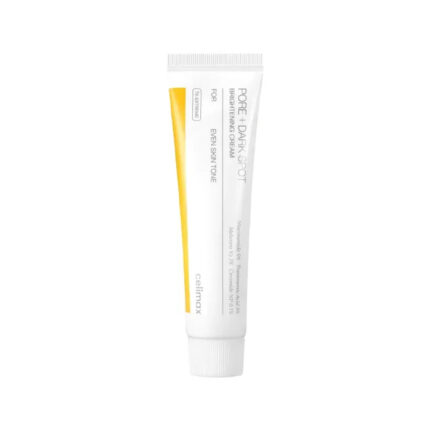 Sale
SaleOriginal price was: ৳ 1,790.00.৳ 1,590.00Current price is: ৳ 1,590.00.
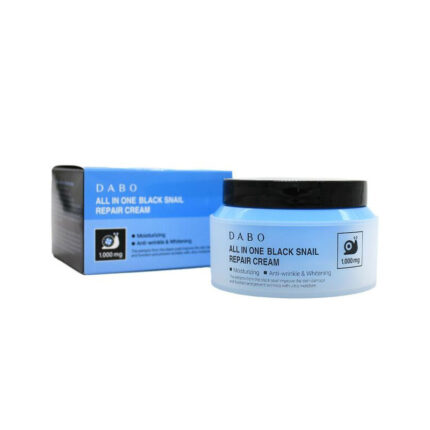
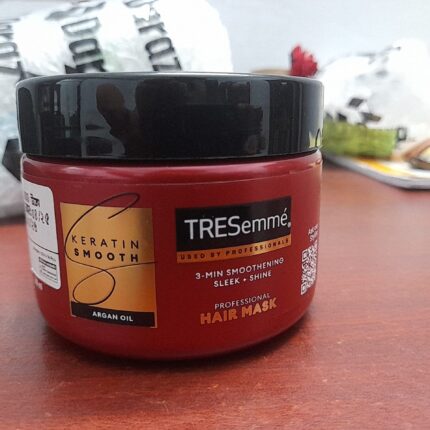 Sale
SaleOriginal price was: ৳ 1,200.00.৳ 950.00Current price is: ৳ 950.00.
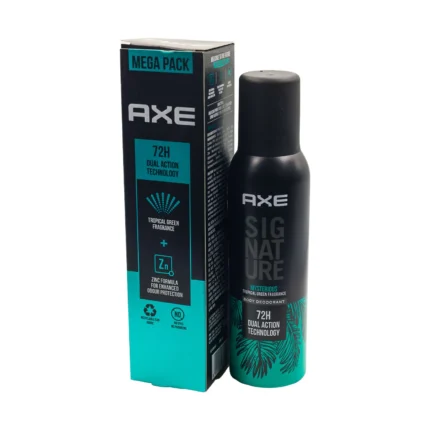 Sale
SaleOriginal price was: ৳ 600.00.৳ 399.00Current price is: ৳ 399.00.
How Pullulan Gum Works in Skincare
Pullulan Gum forms a thin, breathable film when it dries on the skin. This film sits on the outermost layer and temporarily reduces the appearance of fine lines and creases. As a skin tightening compound, it gives an immediate lifted look without invasive steps.
Because the layer is breathable, skin can still exchange moisture and air. When used with humectants, Pullulan Gum helps lock in moisture while providing surface grip for smooth makeup application. Dermatologists recommend short-term film-formers for instant effect, while noting they do not change skin structure long term.
Benefits of Pullulan Gum for Skin and Cosmetics
Pullulan Gum improves texture, clarity, and spreadability of products. For example, it helps serums glide on smoothly and makes masks peel cleanly from the skin. Many cosmetic developers value its neutral scent and clear finish.
Because it forms a film, Pullulan Gum provides a visible tightening effect soon after application. This effect can make skin look firmer for hours, which suits events or quick makeup routines. Consumers often report smoother skin appearance when they use products containing Pullulan Gum.
It also helps stabilize formulations and reduce tackiness in gels. Studies show that film-formers can improve the sensory profile of a formula, which increases consumer satisfaction. That means products can feel lighter and less greasy while still offering performance.
Key Uses: Serums, Primers, and Peel-Off Masks
Pullulan Gum appears in serums to add slip and light hold, which improves application. In primers it creates a smooth base that helps makeup adhere evenly. Peel-off masks use Pullulan Gum for cohesive peeling and for leaving a fresh feel after removal.
When used in sheet masks, the polysaccharide layer can help actives stay close to the skin surface. As a result, short-term delivery of moisture and actives may feel enhanced. Formulators like that effect because it raises perceived efficacy during use.
How to Read Product Labels for Pullulan Gum
Look for “Pullulan” or “Pullulan Gum” in the INCI list to identify this ingredient. Concentrations can vary widely depending on the product type and desired effect. For example, masks may contain higher percentages while serums often use less.
When labels show Pullulan early in the ingredient list, expect a stronger film effect. That means the product may dry to a firmer finish on skin. If you want a light sensation, choose products where Pullulan appears lower on the list.
Common Formulation Partners and Compatibility
Pullulan Gum blends well with water-soluble humectants like glycerin and propanediol. These partners improve hydration and counteract any tight sensation from film formation. Oil-based ingredients do not mix directly, so formulators use emulsifiers when combining oils with Pullulan.
For example, combining Pullulan with hyaluronic acid can enhance both immediate texture and hydration. Studies indicate paired ingredients often deliver better perceived smoothing than single agents. That is why many serums contain multiple performance components.
Safety, Irritation, and Allergies
Pullulan Gum has a low irritation profile for most people. Clinical reports indicate few allergic reactions, and many dermatologists consider it safe for normal and sensitive skin. However, patch testing new products is still a wise precaution.
Because it sits on the skin surface, Pullulan Gum can trap debris if a product is not removed properly. For that reason, cleansing before bed helps prevent clogged pores and breakouts. If you have reactive skin, test a small patch before full-face use.
DIY Use: How to Try Pullulan Gum at Home
Homemade peel-off masks often rely on film-formers like Pullulan Gum for clean removal. If you work with DIY recipes, use small, measured amounts and mix into water or hydrosols to make a clear gel. Start with low concentration to check how the film feels on your skin.
When mixing at home, dissolve Pullulan Gum in warm water and mix thoroughly to avoid clumps. After cooling, add humectants and any gentle actives you like. Be mindful that DIY formulas lack preservatives, so store them briefly in cool conditions and discard if they change.
How Formulators Choose Pullulan Gum Over Alternatives
Pullulan Gum offers a clear, non-tacky film that many synthetic polymers do not match. For instance, polyvinyl polymers can feel heavier or white on skin, while Pullulan dries clear. Many brands choose Pullulan to achieve a more natural finish without residue.
Still, other film-formers may provide stronger long-term hold or different textures. For example, some plant gums deliver thicker gels, while others peel less cleanly. Formulation goals determine which film-former is best for a given product.
Comparison: Pullulan Gum vs Other Natural Film-Formers
Pullulan tends to form a very thin film compared with some cellulose derivatives. As a result, it often feels lightweight and elegant on the skin. That means users who dislike heavy films may prefer products with Pullulan.
On the other hand, certain natural gums add a creamy feel and viscosity, which suits creams and cleansers. For example, a thicker gum may be better at suspending particles in a scrub. When choosing products, think about the finish you want and the product type you use most often.
Claims and Evidence: What Studies Say
Studies show that film-forming ingredients can create short-term visible tightening and smoothing. Research in cosmetic science often measures how surface irregularities reduce after application. These studies support the immediate-effect claims that many brands make.
Clinical testing by some manufacturers reports improved user satisfaction with formulas that include Pullulan Gum. While long-term structural change is unlikely from topical films alone, short-term aesthetic benefits are documented. Consumers value these instant effects for special events and makeup prep.
Hydration and Moisture Barrier Effects
Pullulan Gum itself does not act as a humectant, but it supports humectants when paired together. That means combined formulas can provide both surface smoothing and hydration. For dry skin, choose products that contain both Pullulan and known moisturizers.
Texture and Makeup Wear
Makeup primers with Pullulan Gum can improve foundation glide and longevity. The film reduces micro-creases where foundation can settle. As a result, makeup may look smoother and less cakey over time.
Short-Term Lifting vs Long-Term Results
Remember that Pullulan Gum offers visible short-term lifting, not permanent tightening. Surgical or medical procedures affect deeper layers, while topical films remain surface level. If you want lasting structural change, speak with a licensed professional about other options.
What to Expect When First Trying Pullulan Gum Products
At first application, you may notice a thin tightening feeling as the product dries. That sensation typically fades within a few minutes after application. Users often describe the finish as smooth and slightly taut but not uncomfortable.
If the formula contains alcohol or astringents, you might feel more intense dryness. In that case, choose an alternate product with extra humectants or oils to balance comfort. Many brands create versions targeted to sensitive or dry skin to avoid that problem.
Purchasing Tips: How to Choose the Right Product
Look at the full ingredient list rather than one standout name. Products that balance Pullulan Gum with humectants and soothing agents tend to perform better for daily wear. Also, check reviews for real user feedback on how the product feels and lasts.
When shopping, consider the product type and concentration. A peel-off mask will show Pullulan higher in the list than a lightweight serum. Therefore, decide whether you want a strong film effect or a subtle finish, and pick accordingly.
Sustainability and Sourcing
Pullulan Gum is produced by fermentation and can come from renewable feedstocks. Many manufacturers highlight its plant-derived origin to appeal to eco-conscious buyers. Because it is a natural polysaccharide, it often fits into cleaner ingredient narratives.
Still, sustainability depends on sourcing and manufacturing practices. Brands that disclose supply chain details and third-party certifications offer more transparency. When sustainability matters, look for clear statements on sourcing and production.
Price and Availability
Products with Pullulan Gum range from affordable to premium, depending on formulation and brand positioning. Many drugstore primers and masks include it for a modest price. At the same time, high-end serums may pair Pullulan with expensive actives, raising cost.
As a consumer, compare product performance rather than price alone. Sometimes a mid-range product offers the same sensory benefits as a pricier version. That makes sample sizes or travel options valuable when testing new formulas.
Regulatory Status and Labeling
Regulators commonly list Pullulan Gum as a safe cosmetic ingredient when used as intended. Cosmetic safety panels review common film-formers and find low risk at normal use levels. Still, manufacturers must follow regional rules for labeling and claims.
Because laws vary, some markets require patch-test warnings for certain product categories. That is especially true for masks or high-strength formulas. Read product directions and warnings to ensure safe use in your region.
Who Benefits Most from Pullulan Gum
People who want quick visible smoothing before events often benefit most from Pullulan-containing products. For those seeking long-term anti-aging changes, it plays a supportive role but is not a replacement. Many users adopt Pullulan products for daily makeup prep or occasional refresh.
Those with oily skin may enjoy the light feel, while drier skin types should select hydrating formulations. If you have sensitive or reactive skin, start with a patch test on the inner forearm. That helps spot any unusual reactions before full-face use.
Practical Tips for Use and Layering
Use Pullulan-containing primers or serums after lightweight water-based products and before heavier creams or makeup. Layering in this order helps the film sit on top and perform as intended. For peel-off masks, follow recommended dry times to ensure clean removal.
When you remove a peel-off product, do so gently and upward when possible to avoid skin stress. If the mask adheres strongly, rehydrate the film with warm water and then peel slowly. That reduces the chance of irritation or redness.
Common Myths and Clarifications
One myth says film-formers permanently tighten skin; that is not accurate. Pullulan Gum gives a temporary, surface-level tightening that fades with cleansing. Another misconception is that film-formers always clog pores; proper removal and formulation balance prevent that outcome.
Because film-formers vary, not every product will behave the same even if they contain Pullulan. Pay attention to supporting ingredients, like oils and silicones, which change how a product feels and performs. Reading ingredient lists helps set realistic expectations.
Tips for Sensitive Skin
For sensitive skin, choose formulas with minimal fragrance and added soothing agents. Look for Pullulan products that pair with panthenol, glycerin, or aloe to offset potential tightness. Patch testing is still recommended, as individual sensitivity can vary.
When irritation occurs, stop use and consult a dermatologist if symptoms persist. That advice applies to any active or new topical product. You can reintroduce Pullulan later with a milder formula if tolerance improves.
How Brands Market Pullulan Gum
Brands often highlight Pullulan Gum for its immediate smoothing and clean finish. Marketing typically emphasizes texture and makeup benefits rather than long-term skin remodeling. For buyers, this means marketing claims usually point to short-term cosmetic improvements.
Because many consumers look for instant results, Pullulan serves well in product messaging. Still, honest brands clarify that the effect is topical and temporary, which helps set realistic expectations for buyers.
When Not to Use Pullulan Gum
Avoid Pullulan-containing peel-off masks if you have active eczema or open wounds. The mechanical peeling motion can aggravate fragile skin. Also, skip strong astringent formulas that combine Pullulan with high alcohol concentrations if you have dry or sensitive skin.
If you are unsure, consult a dermatologist before regular use. They can recommend suitable alternatives or suggest gentle formulations that include Pullulan. Professional guidance helps prevent avoidable irritation.
Formulation Notes for Makers
Cosmetic chemists select Pullulan Gum for its film clarity and low odor. When formulating, they balance pH and humectant levels for comfort and stability. Manufacturers must also consider preservative choice because Pullulan gels can support microbial growth without preservation.
That means small-scale DIY makers should add a preservative or make single-use batches to avoid contamination. Following good manufacturing practices keeps products safe and effective for end users.
FAQs
Is Pullulan Gum safe for all skin types?
Most people tolerate Pullulan Gum well, and it has a low irritation profile. Sensitive individuals should patch test new products and choose formulas with soothing ingredients.
Will Pullulan Gum permanently tighten skin?
No, Pullulan Gum creates a temporary surface tightening and smoothing effect. Long-term structural change requires medical procedures or long-term active treatments.
Can I use Pullulan Gum with other active ingredients?
Yes, Pullulan often pairs well with humectants and mild actives like vitamin B derivatives. Avoid combining it with harsh astringents if you want a comfortable finish.
How do I remove a peel-off mask that contains Pullulan Gum?
Peel slowly from the edges, and rehydrate the film with warm water if it clings. Gentle removal reduces the chance of irritation or redness.
Final Thoughts
Pullulan Gum offers a simple way to achieve immediate smoothing and a lifted look without harsh methods. As a film forming polysaccharide ingredient and skin tightening compound, it works best when combined with moisturizing and soothing partners. Try a small product or patch test and choose a balanced formula for the most pleasant daily results.