
Polyglutamic Acid: Your Ultimate Hydration Secret

Do you often feel your skin is dry, tight, or lacking its natural glow? Many people struggle with maintaining adequate moisture in their skin. This common issue leads to dullness and the premature appearance of fine lines. Polyglutamic Acid offers a remarkable solution to this widespread concern.
Understanding Polyglutamic Acid’s Origins
Polyglutamic Acid, often called PGA, is a naturally occurring biopolymer. It is a peptide composed of multiple glutamic acid units. This interesting compound is actually produced through fermentation. Certain strains of bacteria, specifically Bacillus subtilis, create it during their natural life cycle.
Historically, fermented ingredients have played a significant role in various cultures. Asian traditions, for example, have long recognized their benefits. Now, modern science understands the precise properties of these compounds. Scientists have isolated and refined Polyglutamic Acid for cosmetic use. It delivers powerful benefits to the skin.
Natural Production and Structure
The bacterial fermentation process yields a unique molecule. It has a high molecular weight. This characteristic influences how it interacts with the skin. The structure of Polyglutamic Acid allows it to form a flexible film. This film sits on the skin’s surface. It then works to prevent moisture loss.
Research indicates that PGA is highly biocompatible. This means the skin tolerates it very well. It also integrates effectively with the skin’s natural functions. This makes it a suitable ingredient for many individuals. It provides hydration without causing irritation.
Recommended Products
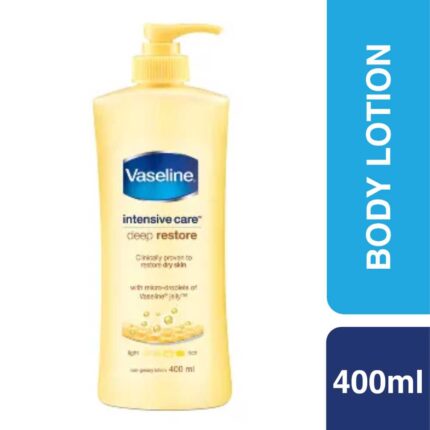 Sale
SaleOriginal price was: ৳ 550.00.৳ 510.00Current price is: ৳ 510.00.
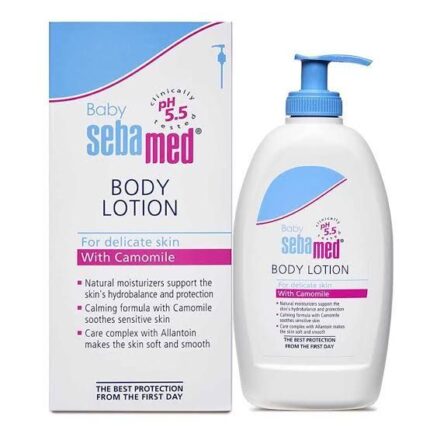 Sale
SaleOriginal price was: ৳ 3,500.00.৳ 2,499.00Current price is: ৳ 2,499.00.
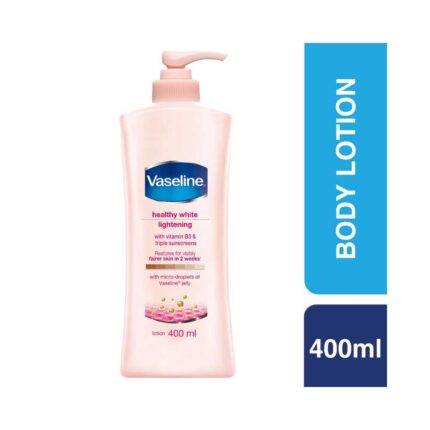 Sale
SaleOriginal price was: ৳ 570.00.৳ 520.00Current price is: ৳ 520.00.
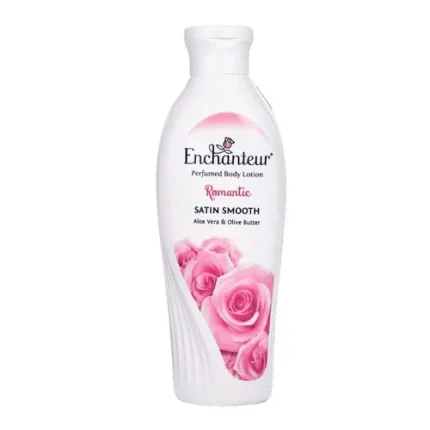 Sale
SaleOriginal price was: ৳ 900.00.৳ 790.00Current price is: ৳ 790.00.
The Science of Polyglutamic Acid’s Hydration Power
Polyglutamic Acid stands out as a superior moisture locking acid. It possesses an extraordinary ability to attract and hold water. Studies show that PGA can hold many times its weight in water. This capacity far exceeds that of other well-known hydrators. This impressive trait helps keep your skin feeling supple and smooth.
The magic happens on the skin’s outermost layer. PGA creates a breathable, invisible film. This film acts like a protective barrier. It effectively seals in moisture. This prevents transepidermal water loss (TEWL). When TEWL is reduced, skin hydration significantly improves. This also supports the skin’s natural barrier function.
How it Attracts and Retains Water
PGA is a humectant. It draws moisture from the atmosphere. It then binds that moisture to the skin. However, its humectant properties are unique. It forms a larger and more stable network on the skin. This network ensures sustained hydration. It truly makes it a long lasting hydration ingredient.
This unique molecular structure contributes to its efficacy. It creates a robust hydration reservoir. This allows the skin to remain moisturized for extended periods. As a result, dryness and flakiness become less of a concern. Your skin stays comfortable and hydrated throughout the day.
Key Benefits of Polyglutamic Acid for Your Skin
The benefits of incorporating Polyglutamic Acid into your skincare routine are numerous. Beyond its powerful hydrating capabilities, PGA offers several other advantages. These benefits contribute to a healthier, more resilient skin appearance. It helps address multiple skin concerns.
Intense Moisture Retention
The most celebrated benefit is its exceptional ability to retain moisture. Dehydrated skin often appears dull and fine lines are more visible. Using PGA helps to plump up the skin cells. This reduces the look of fine lines. It also creates a smoother, more radiant complexion. Your skin looks much healthier.
This deep hydration is not just superficial. It penetrates the skin’s upper layers. This provides lasting relief from dryness. When skin is properly hydrated, its natural functions improve. This includes cell turnover and repair processes. Therefore, skin health is supported from within.
Enhanced Skin Elasticity
Hydrated skin is inherently more elastic. Polyglutamic Acid directly contributes to this. By keeping the skin full of moisture, it helps maintain skin suppleness. This enhanced elasticity can reduce the appearance of sagging skin. It also helps to improve overall skin firmness. This gives a more youthful look.
Dermatologists often explain that good elasticity is crucial. It helps skin bounce back from daily stresses. Proper hydration from PGA supports the skin’s collagen and elastin fibers. These are responsible for skin’s structure and flexibility. Stronger fibers mean firmer skin.
Smoother Skin Texture
Rough patches and uneven skin texture are common issues. Dehydration often worsens these problems. Polyglutamic Acid smooths the skin’s surface. It fills in microscopic gaps between skin cells. This creates a uniform and soft feel. Your skin will appear more refined.
This smoothing effect also improves makeup application. Products glide on more easily. They also look more seamless. Furthermore, a smoother surface reflects light better. This gives your skin a natural, healthy glow. Many users notice a significant difference quickly.
Protection Against Environmental Stressors
The protective film formed by Polyglutamic Acid does more than just lock in moisture. It also acts as a shield. This barrier helps protect the skin from external aggressors. These include pollution, harsh weather, and other environmental factors. It helps maintain skin integrity.
Research suggests that a strong skin barrier is vital. It defends against irritants and maintains skin health. By reinforcing this barrier, PGA helps prevent damage. It also reduces skin sensitivity. This leads to less redness and irritation for many people.
Polyglutamic Acid Versus Hyaluronic Acid: A Detailed Comparison
When discussing skin hydration, Hyaluronic Acid (HA) often comes to mind. While both are powerful humectants, Polyglutamic Acid and Hyaluronic Acid have distinct differences. Understanding these differences helps in choosing the right ingredients for your skin. They can also work well together.
Molecular Size and Penetration
Hyaluronic Acid exists in various molecular weights. Smaller HA molecules can penetrate deeper into the skin. Larger HA molecules tend to stay on the surface. Polyglutamic Acid typically has a larger molecular size than most HA forms. This means it predominantly works on the skin’s surface. It creates a robust, flexible film there.
This surface action is key for PGA. It excels at preventing moisture from escaping. It forms a kind of hydrating “second skin.” Hyaluronic Acid, especially smaller weights, can draw moisture into deeper layers. This provides hydration throughout the epidermis. Both approaches are beneficial for skin health.
Hydration Mechanism Differences
Hyaluronic Acid is renowned for attracting water molecules. It holds them within the skin’s structure. It acts like a sponge, plumping from within. Polyglutamic Acid also attracts water. However, it is exceptionally good at creating a visible film. This film prevents water evaporation. It locks moisture onto the skin.
Think of HA as a deep hydrator. Consider PGA as a surface sealer and a long lasting hydration ingredient. They both contribute to a healthy moisture balance. Their differing mechanisms make them complementary. They address hydration at different levels of the skin.
Can They Be Used Together?
Absolutely, yes. Using Polyglutamic Acid and Hyaluronic Acid together can offer enhanced benefits. Many dermatologists recommend layering them. You might apply a HA serum first. This delivers hydration into the deeper layers. Then, follow with a PGA serum or moisturizer. This locks in the hydration. It creates a powerful moisture barrier.
This combination ensures comprehensive hydration. It addresses both internal and external moisture needs. The synergy helps to maximize skin plumpness. It also improves overall skin health. It is an effective strategy for very dry or dehydrated skin. It also suits those living in dry climates.
How to Effectively Integrate Polyglutamic Acid into Your Skincare Routine
Adding Polyglutamic Acid to your daily regimen is straightforward. It is a versatile ingredient. It can fit into most existing routines. The key is to understand its form and placement within your product layering. Proper application ensures you get the most from this moisture locking acid.
Product Types and Application
Polyglutamic Acid is commonly found in serums, essences, and moisturizers. Serums typically offer higher concentrations. They are designed for targeted treatment. Essences provide a lighter hydrating layer. Moisturizers incorporate PGA for all-day hydration. Choose a product type that best suits your routine.
Apply PGA products to clean, damp skin. This is especially true for serums. Damp skin helps humectants like PGA draw in more moisture. After cleansing and toning, gently pat a few drops of serum onto your face. Follow with your moisturizer to seal everything in. This simple step can greatly enhance hydration.
Best Practices for Use
For optimal results, consistency is vital. Use your Polyglutamic Acid product daily, both morning and night. This maintains a continuous state of hydration. It also reinforces the skin’s barrier over time. Pay attention to how your skin responds. Adjust usage if needed.
Consider the climate you live in. In very dry environments, PGA’s ability to create a moisture-locking film is especially beneficial. It helps counteract the drying effects of the air. When used correctly, it contributes significantly to skin comfort. It truly is a long lasting hydration ingredient.
Who Should Consider Using Polyglutamic Acid?
Polyglutamic Acid is a remarkable ingredient. It offers benefits to a wide range of skin types. However, certain individuals may find it particularly helpful. Understanding if PGA is right for you can optimize your skincare choices. This powerful molecule addresses specific concerns effectively.
Dry and Dehydrated Skin
People with chronic dry or dehydrated skin will experience significant relief. Polyglutamic Acid’s ability to intensely hydrate and lock in moisture is unparalleled. It helps replenish the skin’s natural moisture barrier. This reduces flakiness, tightness, and discomfort. The skin feels much softer and smoother.
If you often experience a parched feeling, PGA can be a game-changer. It provides that much-needed boost of hydration. It ensures that the moisture stays where it belongs. This leads to lasting comfort. Many users report a dramatic improvement in skin texture and feel.
Mature Skin Concerns
As skin ages, its natural ability to retain moisture decreases. This often leads to increased dryness and the appearance of fine lines and wrinkles. Polyglutamic Acid helps counteract these effects. It plumps up the skin, reducing the visibility of these signs of aging. It restores a more youthful appearance.
It also supports skin elasticity. This becomes crucial for mature skin. By maintaining hydration, PGA helps keep the skin supple and firm. This makes it an excellent addition to anti-aging routines. It provides visible improvements in skin tone and texture.
Sensitive Skin Considerations
For those with sensitive skin, finding suitable ingredients can be challenging. Polyglutamic Acid is generally well-tolerated. It is non-irritating. Its hydrating and barrier-supporting properties are beneficial for sensitive skin. A strong moisture barrier helps protect against environmental triggers.
However, as with any new product, patch testing is always recommended. Apply a small amount to a discreet area first. Observe for any reaction over 24-48 hours. This ensures compatibility. Most people with sensitive skin find PGA soothing and hydrating.
Choosing the Right Polyglutamic Acid Product
The market offers many products featuring Polyglutamic Acid. Selecting the best one depends on your skin needs and preferences. Look for formulations that enhance PGA’s benefits. Also consider its compatibility with other active ingredients. A thoughtful choice leads to better results.
Concentration Levels
Polyglutamic Acid typically appears in concentrations ranging from 0.5% to 2% in skincare products. Higher concentrations generally offer more potent hydration. However, even lower concentrations can deliver noticeable benefits. Start with a moderate concentration if you are new to the ingredient. Observe your skin’s response.
Some products combine PGA with other hydrators. This can create a multi-faceted approach to moisture. Always check the ingredient list. Ensure that PGA is listed prominently. This indicates a meaningful concentration. It will ensure you get its full benefits.
Ingredient Synergies
Polyglutamic Acid pairs well with many other beneficial skincare ingredients. It works excellently with ceramides. Ceramides are lipids that form the skin barrier. The combination strengthens the skin’s defense system. It further enhances moisture retention. This creates a very robust protective layer.
It also complements antioxidants like Vitamin C or E. PGA helps to keep the skin hydrated. This allows other active ingredients to perform better. The overall efficacy of your skincare routine increases. Seek out products that combine these powerful ingredients for maximum effect.
Patch Testing Importance
Even though Polyglutamic Acid is gentle, patch testing remains a crucial step. Apply a small amount of the product to a hidden area of your skin. Examples include behind the ear or on your inner forearm. Wait 24 to 48 hours. Check for any signs of irritation, redness, or itching. This simple test confirms skin compatibility.
Patch testing is especially important if you have known allergies or very sensitive skin. It helps prevent adverse reactions on your face. Once you confirm no irritation, you can confidently integrate the product. Enjoy the full benefits of this amazing moisture locking acid.
Frequently Asked Questions
What is Polyglutamic Acid best for?
Polyglutamic Acid is best for providing intense, long-lasting hydration and for locking moisture into the skin. It helps to plump the skin and reduce the appearance of fine lines. It also smooths skin texture.
Can Polyglutamic Acid replace Hyaluronic Acid?
Polyglutamic Acid does not replace Hyaluronic Acid; instead, they complement each other. PGA works more on the surface to seal moisture, while HA penetrates deeper. Using them together offers enhanced hydration benefits.
How long does it take for Polyglutamic Acid to work?
Many users report feeling immediate hydration and a smoother skin texture after the first application. Visible improvements in fine lines and overall skin plumpness typically become noticeable within a few weeks of consistent daily use.
Is Polyglutamic Acid suitable for all skin types?
Yes, Polyglutamic Acid is generally suitable for all skin types, including sensitive skin. Its gentle nature and powerful hydrating properties make it a beneficial ingredient for everyone seeking improved skin moisture and elasticity.
Final Thoughts
Embracing Polyglutamic Acid in your skincare routine can truly transform your complexion. It offers unparalleled hydration. It also locks in moisture effectively. This results in smoother, more supple, and resilient skin. Consider adding this powerful ingredient to your regimen. It will help achieve lasting skin health and radiance.