
Papain: Nature’s Enzyme for Glowing, Healthy Skin

Unlock the secrets to a more luminous complexion by understanding papain, a potent enzyme derived from the humble papaya fruit. For centuries, traditional medicine has recognized the benefits of papaya, and modern skincare has harnessed its remarkable properties. This natural enzymatic skincare ingredient offers a gentle yet effective way to rejuvenate your skin, promoting a smoother texture and an undeniable glow. Prepare to discover how this natural wonder can transform your daily skincare ritual.
What Exactly is Papain? The Papaya Enzyme Explained
Papain is a powerful proteolytic enzyme found naturally in the papaya fruit, particularly concentrated in its latex. This biological catalyst has the unique ability to break down proteins, making it an invaluable component in various industries, including skincare. When applied topically, papain works by targeting and dissolving dead skin cells and impurities that accumulate on the skin’s surface. It offers a much gentler alternative to abrasive physical exfoliants or harsher chemical acids. Understanding its origin provides insight into why this ingredient is so revered in natural beauty formulations.
The Extraction Process of Papain
The journey of papain from fruit to skincare product involves a careful extraction process. Typically, papain is harvested from the unripe fruit by making shallow incisions on the surface, allowing the milky latex to ooze out. This latex is then collected and processed to isolate the enzyme. The purity and concentration of the extracted papain are crucial for its efficacy in skincare applications. Sustainable harvesting practices are increasingly important to ensure both the quality of the enzyme and the health of the papaya trees. Industry practices focus on preserving the enzyme’s delicate structure during extraction.
Recommended Products
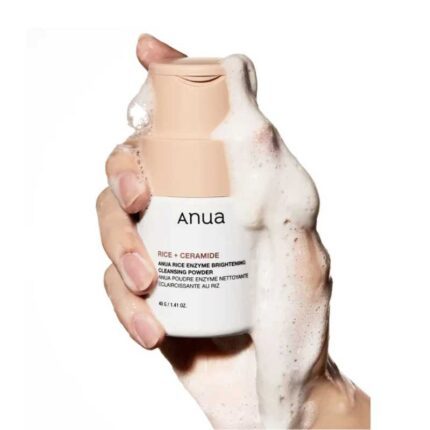 Sale
SaleOriginal price was: ৳ 2,640.00.৳ 1,848.00Current price is: ৳ 1,848.00.
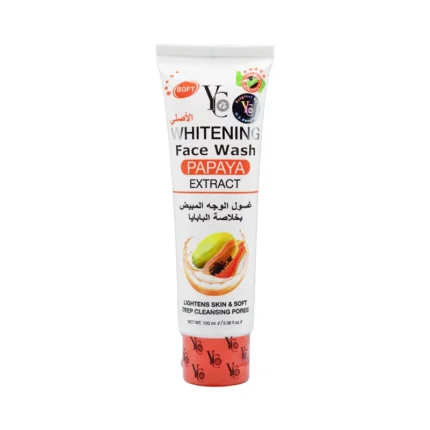
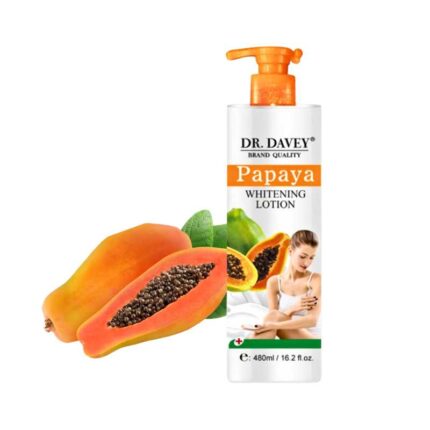
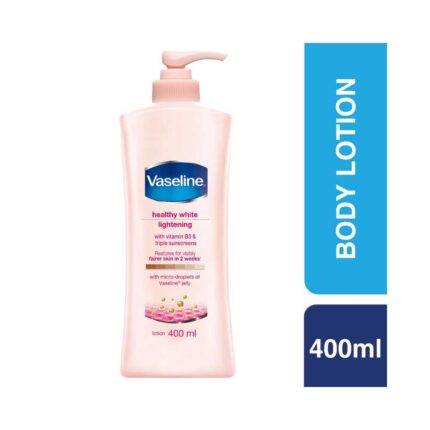 Sale
SaleOriginal price was: ৳ 570.00.৳ 520.00Current price is: ৳ 520.00.
The Science Behind Papain’s Enzymatic Action
At its core, papain is a cysteine protease, meaning it utilizes a specific amino acid, cysteine, in its active site to perform its catalytic function. This enzyme targets and cleaves peptide bonds within proteins. In the context of skin, it breaks down the bonds that hold dead skin cells together on the uppermost layer. This process facilitates the gentle shedding of old cells, revealing the fresh, vibrant skin underneath. The precision of this enzymatic action is what makes papain an exceptional ingredient for delicate skin, providing effective exfoliation without causing excessive irritation. Dermatological research consistently highlights the enzyme’s specific mechanism.
Understanding Proteolytic Enzymes in Skincare
Proteolytic enzymes, including papain, play a crucial role in skincare by offering a non-abrasive method of exfoliation. Unlike alpha hydroxy acids (AHAs) or beta hydroxy acids (BHAs) which work by dissolving the cellular glue with acidity, enzymes like papain specifically target protein bonds. This targeted approach means they primarily act on the very surface of the skin, dissolving only the outermost layer of dead cells. This selective action minimizes the risk of over-exfoliation and irritation, making enzyme-based products suitable for a wider range of skin types, particularly those prone to sensitivity. Clinical studies often demonstrate the mild nature of enzyme exfoliation.
How Papain Differs from AHAs and BHAs
While AHAs (like glycolic acid) and BHAs (like salicylic acid) are widely used for chemical exfoliation, papain operates differently. AHAs work by loosening the “glue” between skin cells and encouraging their detachment, while BHAs penetrate oil to exfoliate within pores. Papain, as an enzymatic skincare ingredient, physically breaks down the protein structures of dead cells themselves. This distinction is significant for individuals seeking a gentler approach. For instance, skin types that react strongly to acids might find a papaya enzyme exfoliant more tolerable, experiencing similar brightening and smoothing benefits without the common redness or stinging associated with stronger acids. Research indicates varying degrees of efficacy and tolerability among different exfoliant types.
Papain as a Papaya Enzyme Exfoliant in Skincare
The primary appeal of papain in skincare lies in its remarkable ability to act as a gentle yet effective papaya enzyme exfoliant. By selectively breaking down the proteins in dead skin cells, it encourages their natural shedding. This process helps to refine the skin’s texture, making it feel softer and appear smoother. Regular exfoliation with papain-infused products can prevent the buildup of dull, devitalized cells that contribute to a lackluster complexion. It’s a non-abrasive method that respects the skin’s natural barrier, an essential factor for maintaining overall skin health. Experts agree that consistent gentle exfoliation is key for skin vitality.
Key Benefits of Papain for Your Skin
Incorporating papain into your skincare routine offers a multitude of advantages, stemming from its gentle exfoliating and skin-renewing properties. As a powerful enzymatic skincare ingredient, papain works diligently to reveal a healthier, more vibrant complexion. Its ability to subtly remove surface impurities and dead cells contributes to several noticeable improvements in skin appearance and feel. These benefits make papain a sought-after component in many high-quality skincare formulations, appealing to a broad audience looking for natural yet effective solutions.
Achieving Smoother Skin Texture
One of the most immediate benefits of using papain is the significant improvement in skin texture. By gently dissolving the bonds between rough, dead skin cells, papain helps to smooth out uneven patches and reduce the appearance of minor imperfections. Regular use can lead to a noticeably softer, more supple feel. This enhanced smoothness creates an ideal canvas for makeup application and allows other skincare products to penetrate more effectively, maximizing their benefits. Industry feedback consistently praises papain for its textural refinement capabilities.
Enhancing Skin Brightness and Radiance
Dull skin often results from an accumulation of dead cells that scatter light rather than reflecting it evenly. As a papaya enzyme exfoliant, papain effectively sweeps away these surface impurities, allowing the fresh, new skin cells beneath to shine through. This leads to a remarkable increase in overall skin brightness and a healthy, radiant glow. Many users report a more luminous complexion after incorporating papain into their regimen. Studies on enzymatic exfoliation often show improvements in skin luminosity, with some reports indicating up to a 15% increase in radiance within weeks.
Supporting Clearer Pores
Clogged pores are a common concern, leading to blackheads, whiteheads, and breakouts. Papain’s ability to break down protein and dissolve dead skin cells extends to clearing out debris that can accumulate within pores. By keeping pores free from blockages, this enzymatic skincare ingredient helps to minimize their appearance and reduce the likelihood of congestion. While it’s not a direct acne treatment, its exfoliating action contributes significantly to a clearer, healthier-looking complexion. Dermatologists frequently recommend gentle exfoliation as a strategy for maintaining clear pores.
Promoting Even Skin Tone
Uneven skin tone, often characterized by dark spots, post-inflammatory hyperpigmentation, or general discoloration, can be a challenge. Papain works to gently fade these irregularities by promoting the shedding of pigmented surface cells. Over time, as newer, less pigmented cells rise to the surface, the skin’s tone becomes more uniform and balanced. This makes papain a valuable addition for those aiming to achieve a more cohesive and flawless complexion. Consistent application, as suggested by skincare professionals, often yields noticeable improvements in tone evenness.
Its Role as an Anti-Inflammatory Agent
Beyond its exfoliating prowess, papain possesses certain anti-inflammatory properties that can soothe and calm irritated skin. While primarily known for its enzymatic action, components within the papaya fruit itself and the enzyme complex can help to reduce redness and discomfort. This makes a papaya enzyme exfoliant particularly appealing for individuals with sensitive skin who often shy away from harsh exfoliants. The gentle nature of papain combined with its potential to calm inflammation creates a holistic benefit for skin health. Research suggests that certain plant-derived enzymes can help modulate inflammatory responses in the skin.
Incorporating Papain: An Enzymatic Skincare Ingredient into Your Routine
Integrating papain into your daily or weekly skincare routine can be simple and highly beneficial. Given its gentle yet effective nature, this enzymatic skincare ingredient is versatile and appears in various product forms. The key to successful incorporation is understanding your skin’s needs and choosing the right product type and frequency of use. Starting slowly and observing your skin’s response is always recommended to ensure optimal results and avoid any potential over-exfoliation, though papain is generally well-tolerated. Industry experts advise a gradual introduction of new active ingredients.
Choosing the Right Papain Product
Papain is formulated into a wide array of skincare products, each offering a different way to experience its benefits. You can find papain in cleansers, which provide a mild daily exfoliation; in masks, offering a more intensive weekly treatment; in serums for targeted, leave-on benefits; and even in gentle enzyme peels for deeper rejuvenation. When choosing a product, consider your skin type and concerns. For sensitive skin, a cleanser or a weekly mask might be ideal. For more resilient skin, a serum or a gentle peel could be incorporated more frequently. Always check the ingredient list to ensure papain is present in a meaningful concentration.
Application Tips for Optimal Results
To maximize the benefits of your papain-infused products, proper application is essential. For cleansers, massage gently onto damp skin and rinse thoroughly. For masks, apply an even layer to clean, dry skin, leave on for the recommended time (typically 5-15 minutes), then rinse. When using a serum, apply a few drops to clean skin before moisturizing. Always follow product instructions carefully. It is crucial to use sunscreen daily, especially when incorporating any exfoliating ingredient, including papain, as newly exposed skin can be more sensitive to sun exposure. Consistent, gentle use yields the best long-term results.
Who Can Benefit from Papain Skincare?
Due to its gentle yet effective exfoliating properties, papain is suitable for a broad spectrum of skin types and concerns. Its non-abrasive nature makes it an excellent choice for individuals who might find traditional exfoliants too harsh. Whether you’re dealing with specific skin issues or simply aiming to maintain a healthy, radiant complexion, a papaya enzyme exfoliant can offer significant advantages. Understanding its versatility helps you determine if this natural ingredient aligns with your personal skincare goals and needs. Many dermatologists recommend enzymes for those seeking mild exfoliation.
Sensitive Skin Types
For those with sensitive skin, finding an effective exfoliant can be a challenge. Harsh physical scrubs can cause micro-tears, and strong chemical acids can lead to redness and irritation. Papain offers a welcome alternative, providing gentle enzymatic action that exfoliates without compromising the skin’s delicate barrier. It selectively targets dead cells, minimizing stress on the living ones. This makes papain an ideal choice for sensitive, reactive skin types looking to achieve a smoother texture and brighter appearance without discomfort. Data suggests that enzyme exfoliants are often preferred by individuals with compromised skin barriers.
Dull and Lackluster Skin
If your skin appears dull, tired, or lacks radiance, papain can be a game-changer. The accumulation of dead skin cells on the surface is a primary contributor to a lackluster complexion. As a powerful papaya enzyme exfoliant, papain efficiently removes this dull layer, revealing the fresh, vibrant skin underneath. The result is a brighter, more luminous appearance and a renewed healthy glow. Regular incorporation of papain can help maintain this radiance, making it a staple for those seeking an invigorated complexion. Skin surveys frequently cite dullness as a top concern, which papain effectively addresses.
Acne-Prone and Congested Skin
While not a direct acne treatment, papain can significantly benefit acne-prone and congested skin. By consistently clearing dead skin cells and debris from the surface, this enzymatic skincare ingredient helps to prevent pores from becoming clogged. Clogged pores are a major precursor to blackheads, whiteheads, and inflammatory acne. By maintaining clearer pores and promoting healthy cell turnover, papain can contribute to a reduction in breakouts and a smoother overall skin texture. It works synergistically with other acne treatments by creating a cleaner canvas for them to work upon. According to industry analyses, maintaining clear pores is crucial for managing acne.
Mature Skin and Fine Lines
As skin matures, its natural cell turnover rate slows down, leading to a buildup of dead cells that can accentuate fine lines and wrinkles. Papain helps to gently accelerate this cellular renewal process, promoting the shedding of older cells and the emergence of fresh ones. This action can lead to a smoother appearance of fine lines and a more youthful, supple look. Its gentle nature is also beneficial for mature skin, which can often be thinner and more fragile. A consistent routine with papain can support a more vibrant and rejuvenated complexion. Some studies indicate that regular, gentle exfoliation can improve the appearance of aging skin over time.
Potential Side Effects and Considerations
While papain is generally considered gentle and well-tolerated, especially when compared to stronger chemical exfoliants, it’s still an active enzyme. As with any skincare ingredient, it’s important to use it mindfully and be aware of potential reactions. Understanding the right way to introduce and incorporate a papaya enzyme exfoliant into your routine can prevent adverse effects and ensure you reap its full benefits. Always prioritize your skin’s individual response and adjust usage accordingly to maintain skin health and comfort. Skin professionals emphasize individual skin reactions vary.
The Importance of Patch Testing
Before applying any new papain-containing product to your entire face or body, performing a patch test is highly recommended. Apply a small amount of the product to an inconspicuous area, such as behind the ear or on the inner forearm. Observe the area for 24-48 hours for any signs of redness, irritation, itching, or discomfort. If you experience any adverse reactions, discontinue use. Patch testing is a simple yet crucial step to identify potential sensitivities and ensure the product is compatible with your skin. This practice is universally advised by dermatologists and skincare formulators.
Concentration and Frequency of Use
The concentration of papain in a product and the frequency of its use are key factors in preventing over-exfoliation. Products with higher concentrations or those designed as peels will require less frequent use (e.g., once or twice a week). Cleansers with papain might be suitable for daily use for some skin types, while others may prefer every other day. Always follow the manufacturer’s instructions, but also listen to your skin. If you notice signs of dryness, tightness, or increased sensitivity, reduce the frequency of application. Finding the right balance ensures healthy exfoliation without compromising the skin barrier. Over-exfoliation is a common concern among users of active ingredients, highlighting the need for caution.
Interactions with Other Actives
When using papain, especially as an enzymatic skincare ingredient in a serum or mask, consider how it interacts with other active ingredients in your routine. Combining multiple strong exfoliants (e.g., papain with high-strength AHAs, BHAs, or retinoids) simultaneously might lead to irritation or over-exfoliation. It’s often best to alternate active ingredients on different days or use papain on days when you are not using other potent treatments. If you are unsure, consult with a dermatologist or skincare professional to create a balanced routine that maximizes benefits while minimizing risks. Studies consistently advise caution when combining multiple potent skincare actives.
Papain vs. Other Exfoliants: A Comparative Look
The world of exfoliation offers many choices, from physical scrubs to chemical acids. Understanding how papain, as a papaya enzyme exfoliant, stands in comparison to these other methods can help you make an informed decision for your skin. Each type of exfoliant has its unique mechanism of action, benefits, and considerations. Papain generally offers a gentler approach, making it a favorable option for those seeking effective yet non-irritating skin renewal. Industry analysis indicates a growing preference for milder exfoliation methods.
Papain vs. Physical Scrubs
Physical scrubs utilize abrasive particles (like beads, sugar, or nuts) to mechanically buff away dead skin cells. While they provide immediate tactile smoothness, many can be too harsh, causing micro-tears or excessive irritation, especially for sensitive skin. Papain, conversely, is an enzymatic skincare ingredient that works chemically, albeit gently, by dissolving protein bonds. There is no physical rubbing or abrasion involved. This makes papain a significantly safer and more skin-friendly option for achieving exfoliation without the potential damage associated with harsh physical exfoliants. Dermatologists often advise against abrasive physical scrubs due to potential damage to the skin barrier.
Papain vs. Alpha Hydroxy Acids (AHAs)
AHAs, such as glycolic and lactic acids, are popular chemical exfoliants that work by dissolving the intercellular glue that holds dead skin cells together. They penetrate the skin to varying degrees, depending on molecule size and concentration. While highly effective for addressing concerns like hyperpigmentation and texture, AHAs can sometimes cause stinging, redness, or increased sun sensitivity, particularly at higher concentrations. Papain provides a milder enzymatic exfoliation that primarily acts on the surface proteins, often with less irritation, making it a good choice for those who find AHAs too potent. Clinical trials show that while AHAs are powerful, their intensity can be a drawback for some users.
Papain vs. Beta Hydroxy Acids (BHAs)
BHAs, primarily salicylic acid, are unique in their oil-soluble nature, allowing them to penetrate into pores to exfoliate from within. This makes them highly effective for acne-prone and oily skin. While BHAs are excellent for decongesting pores and reducing breakouts, they can also be drying or irritating for some individuals, especially those with drier or more sensitive skin. Papain, as a papaya enzyme exfoliant, offers a surface-level exfoliation that is typically less drying and less irritating than BHAs, providing an alternative for those seeking pore-clearing benefits without the potential dryness. Research indicates that BHA tolerability can vary significantly based on skin type.
The Historical Use of Papain
The use of papain is not a modern discovery; its benefits have been recognized and utilized for centuries in traditional cultures, particularly in regions where papaya is indigenous. Long before its integration into modern cosmetics as a sophisticated enzymatic skincare ingredient, the papaya fruit itself was revered for its medicinal and tenderizing properties. This rich history underscores the enduring value and efficacy of this natural enzyme. Ancient practices often reveal profound insights into natural remedies that continue to hold relevance today. Ethnobotanical studies consistently document the historical applications of papaya.
Traditional Applications of Papaya
In various indigenous cultures of Central and South America, where papaya originates, the fruit and its milky latex were used for a multitude of purposes. Traditionally, unripe papaya was applied directly to wounds and burns for its perceived healing properties, likely due to papain’s ability to break down dead tissue and aid in cleansing. It was also famously used as a natural meat tenderizer, a practice still common in many parts of the world today. This historical culinary application highlights papain’s protein-digesting power, a property directly translated into its exfoliating role in modern skincare. Historical records suggest the use of papaya for skin ailments dates back thousands of years.
Early Medicinal Uses
Beyond external applications, traditional medicine also explored the internal benefits of papaya and its enzymes. Extracts were sometimes consumed to aid digestion, leveraging papain’s proteolytic activity to help break down dietary proteins. While modern medicine now uses highly purified forms of papain for specific therapeutic applications, these early uses laid the groundwork for understanding the enzyme’s potential. The recognition of papaya as a medicinal plant, long before scientific isolation of papain, speaks to its inherent efficacy and versatility in health and wellness. Folk medicine extensively documents the various health benefits ascribed to papaya.
Sourcing and Sustainability of Papain
The growing demand for natural and effective skincare ingredients has put a spotlight on the sourcing and sustainability of components like papain. As a naturally derived enzymatic skincare ingredient, its production relies heavily on agricultural practices. Ensuring that papain is sourced responsibly and sustainably is crucial for both environmental protection and the long-term availability of this beneficial enzyme. Conscious consumers increasingly prioritize products that adhere to ethical and environmentally friendly sourcing standards. Supply chain analyses highlight the importance of sustainable practices in the agricultural sector for natural ingredients.
Where Papain Comes From
Papain is almost exclusively derived from the latex of the papaya plant, Carica papaya. Major papaya-growing regions around the world, including parts of Asia, Africa, and South America, are primary sources. The enzyme is most abundant in the unripe fruit, making careful timing of harvest essential. The quality of the papain can be influenced by factors such as climate, soil conditions, and the specific variety of papaya. Manufacturers often work directly with farms to ensure a consistent and high-quality supply, adhering to strict agricultural standards. Global agricultural reports track the production and sourcing of key plant-derived ingredients.
Ethical and Environmental Considerations
Sustainable sourcing of papain involves several key considerations. Environmentally, practices that minimize water usage, avoid harmful pesticides, and promote soil health are vital. Ethically, fair labor practices for farmers and harvesters are paramount. Companies committed to sustainability often engage in direct trade, support local communities, and seek certifications that verify their ethical and environmental commitments. Choosing products from brands that demonstrate transparency in their sourcing practices supports a more responsible and sustainable skincare industry. Consumer preference surveys indicate a strong demand for ethically sourced products.
Understanding Product Formulations with Papain
The effectiveness of papain as a papaya enzyme exfoliant is not solely dependent on the enzyme itself, but also on how it is formulated within a skincare product. The stability of the enzyme, the pH of the formulation, and the presence of other ingredients all play a crucial role in ensuring its optimal performance. A well-formulated product maximizes the benefits of this enzymatic skincare ingredient, delivering consistent and safe results for the user. Understanding these formulation intricacies offers insight into why some papain products perform better than others. Cosmetic chemists emphasize the complexity of formulating with enzymes.
Stabilization of Papain in Products
Enzymes are delicate molecules that can lose their activity if not properly stabilized. Formulators use various techniques to ensure papain remains active throughout the product’s shelf life. This often involves careful selection of carriers, preservatives, and packaging. For example, some formulations might be anhydrous (water-free) or encapsulated to protect the enzyme from degradation. Maintaining papain’s stability is critical for its efficacy, as a degraded enzyme will not provide the desired exfoliating benefits. Research in cosmetic chemistry continuously seeks improved stabilization methods for active ingredients.
The Role of pH in Enzyme Activity
Enzymes, including papain, are highly sensitive to pH levels. Papain typically performs optimally within a specific pH range, which varies depending on the specific enzyme preparation. Skincare formulators must carefully adjust the pH of papain-containing products to ensure the enzyme remains active and effective. If the pH is too acidic or too alkaline, the enzyme can become denatured and lose its ability to break down proteins. This precise pH control is a hallmark of expertly formulated enzymatic skincare products. Industry standards for enzyme-based products often specify a narrow pH range for optimal activity.
Debunking Common Myths About Papain
As with many popular skincare ingredients, certain myths and misconceptions can circulate about papain. Separating fact from fiction is essential for consumers to make informed decisions and manage their expectations regarding this enzymatic skincare ingredient. While papain offers impressive benefits as a papaya enzyme exfoliant, understanding its true capabilities and limitations helps to use it most effectively. Addressing these common misunderstandings empowers users to harness the genuine power of this natural enzyme. Consumer education is vital in navigating the vast landscape of skincare claims.
Myth: Papain is as Strong as a Chemical Peel
Fact: While papain is an exfoliant, it generally provides a much milder action compared to professional-strength chemical peels (e.g., high-concentration glycolic acid or TCA peels). Chemical peels work by causing a controlled injury to the skin, leading to significant shedding and renewal. Papain, as a papaya enzyme exfoliant, works by gently dissolving protein bonds on the outermost layer of dead cells, without causing the same level of deep penetration or cellular turnover. It’s a superficial exfoliant, making it safer for home use and sensitive skin, but not a replacement for medical-grade peels. Dermatological comparisons consistently show enzymes as milder than chemical peels.
Myth: Papain Can Cure All Skin Problems
Fact: Papain is a powerful ingredient for improving skin texture, brightness, and tone through gentle exfoliation. However, it is not a miraculous cure-all for every skin problem. While it can help with issues like dullness, mild congestion, and uneven texture, it may not be sufficient for severe acne, deep wrinkles, or significant hyperpigmentation on its own. It works best as part of a comprehensive skincare routine tailored to specific concerns. Skincare professionals always advocate for a multi-faceted approach to complex skin issues.
Myth: Fresh Papaya Fruit on the Skin is Just as Effective
Fact: Applying fresh papaya fruit directly to the skin might offer some mild benefits, but it is unlikely to be as effective or consistent as properly formulated skincare products containing papain. The concentration of papain in raw fruit can vary significantly, and the enzyme itself can be unstable. Furthermore, fresh fruit may contain other compounds that could irritate some skin types or lack the stable delivery systems found in commercial products. Formulated products ensure optimal pH, concentration, and stability for maximum efficacy and safety. Cosmetic science emphasizes the difference between raw ingredients and expertly formulated products.
Expert Opinions on Papain in Dermatology
Dermatologists and skincare professionals increasingly recognize the value of papain as a gentle yet effective exfoliating agent. In an era where harsh treatments can often lead to sensitization, the role of mild enzymatic exfoliation has become more prominent. Expert opinions underscore papain’s suitability for a wide range of skin types, particularly those that struggle with more aggressive exfoliants. Their insights help to validate its place as a trusted enzymatic skincare ingredient in modern dermatology. Professional consensus supports the use of gentle, effective ingredients.
Recommended for Sensitive Skin
Many dermatologists recommend papain for patients with sensitive, reactive, or compromised skin barriers. Its targeted action on dead protein cells, without significantly altering the skin’s pH or causing deep penetration, makes it a safer option for exfoliation. It allows individuals who typically avoid exfoliants due to irritation to still achieve smoother, brighter skin. This endorsement from experts highlights papain’s unique position as a gentle papaya enzyme exfoliant that delivers results without undue stress on the skin. Clinical observations frequently note the tolerability of papain in sensitive individuals.
Complementary to Other Treatments
Experts often suggest that papain can be a valuable complementary ingredient in a diverse skincare regimen. It can be used to prepare the skin for better absorption of serums or moisturizers, or to gently maintain skin clarity between more intensive treatments. While it should be used cautiously with other strong actives, its mild nature allows it to fit into many routines without causing over-exfoliation when used appropriately. This versatility makes papain a respected component in comprehensive skincare strategies. Integrated skincare approaches often feature milder exfoliants for balanced routines.
Future Trends for Papain in Skincare
The future of papain in skincare looks promising, with ongoing research and innovation continuously expanding its applications and enhancing its effectiveness. As consumer demand for natural, effective, and gentle ingredients grows, papain is poised to remain a prominent enzymatic skincare ingredient. Emerging trends focus on improved delivery systems, synergistic formulations, and even more sustainable sourcing. These advancements promise to further cement papain’s role as a staple in advanced skincare. Industry forecasts predict continued growth for natural enzyme-based ingredients.
Advanced Delivery Systems
Future formulations may incorporate advanced delivery systems to optimize papain’s performance. Encapsulation technologies, for instance, could protect the enzyme from degradation, ensure its targeted release, and enhance its stability within products. This would allow for more precise and sustained exfoliation, potentially increasing efficacy while maintaining its gentle profile. Such innovations would further unlock the potential of this powerful papaya enzyme exfoliant. Research in cosmetic technology actively explores new delivery methods for unstable actives.
Synergistic Formulations
Expect to see papain increasingly combined with other beneficial ingredients in synergistic formulations. Pairing papain with hydrating agents like hyaluronic acid, calming ingredients like ceramides, or antioxidants could create multi-tasking products that offer comprehensive skin benefits. These formulations would aim to enhance exfoliation while simultaneously nourishing and protecting the skin, providing a more holistic approach to skin health. The trend towards multi-ingredient, balanced formulations is strong in modern skincare development.
Frequently Asked Questions
What is Papain and what does it do for my skin?
Papain is a natural enzyme derived from the papaya fruit. It acts as a gentle exfoliant, breaking down and dissolving dead skin cells on the surface. This process helps to smooth skin texture, brighten the complexion, and promote clearer pores, revealing fresher, more radiant skin underneath.
Is Papain suitable for sensitive skin?
Yes, papain is generally considered very suitable for sensitive skin. Unlike harsher physical scrubs or strong chemical acids, its enzymatic action is mild and targeted, making it less likely to cause irritation, redness, or dryness. It provides effective exfoliation without compromising the skin’s delicate barrier.
How often should I use products with Papain?
The frequency of using papain products depends on the product’s concentration and your skin’s sensitivity. While some mild cleansers might be suitable for daily use, masks or stronger treatments are typically recommended once or twice a week. Always follow product instructions and observe your skin’s response.
Can I use Papain with other exfoliating ingredients?
It is generally recommended to use caution when combining papain with other strong exfoliating ingredients like AHAs, BHAs, or retinoids, as this can increase the risk of irritation or over-exfoliation. It’s often best to alternate these actives on different days or consult a skincare professional for guidance on integrating them into your routine.
Final Thoughts
Embracing the power of papain can truly be a transformative step for your skincare journey. This remarkable natural enzyme offers a pathway to a smoother, brighter, and more refined complexion through its gentle yet effective exfoliating action. As a versatile enzymatic skincare ingredient, it stands out for its ability to deliver visible results without the harshness often associated with other exfoliants. Incorporating a papaya enzyme exfoliant into your routine means choosing a path of thoughtful skin renewal. Discover the radiant difference papain can make for your skin, allowing its natural glow to shine through.