
Oligopeptide-68: Skin Brightening Peptide Guide

Many people notice dark spots, uneven tone, or dullness and want a targeted fix. Oligopeptide-68 appears in formulas promising brighter, calmer skin. This article explains how Oligopeptide-68 works and what to expect when you use it.
What is Oligopeptide-68?
Oligopeptide-68 is a synthetic short-chain peptide used in skincare to support skin tone and repair. Researchers and formulators design it to act on pathways linked to pigmentation and cellular stress. Studies show peptides can signal skin cells to behave more like healthy cells, which means improved texture and tone over time.
Because it is a peptide, Oligopeptide-68 contains a small sequence of amino acids that the skin can absorb. That makes it a useful brightening peptide ingredient in many serums and creams. Dermatologists recommend peptides when they seek gentler alternatives to harsher brightening actives.
Recommended Products
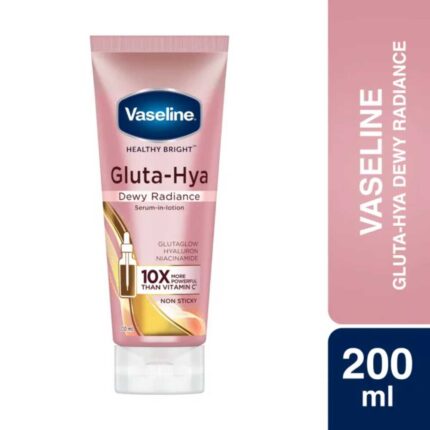
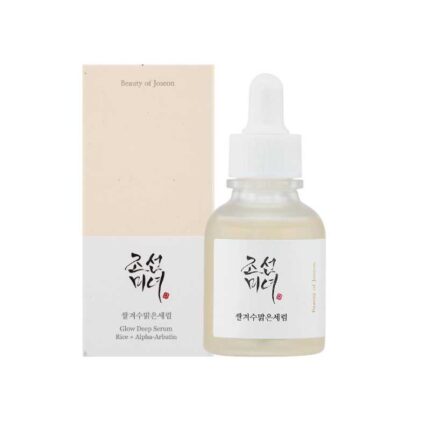 Sale
SaleOriginal price was: ৳ 3,080.00.৳ 2,156.00Current price is: ৳ 2,156.00.
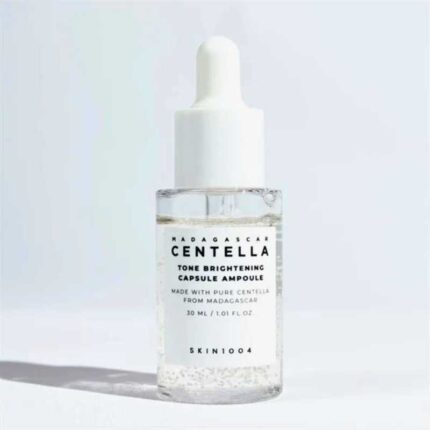 Sale
SaleOriginal price was: ৳ 1,200.00.৳ 840.00Current price is: ৳ 840.00.
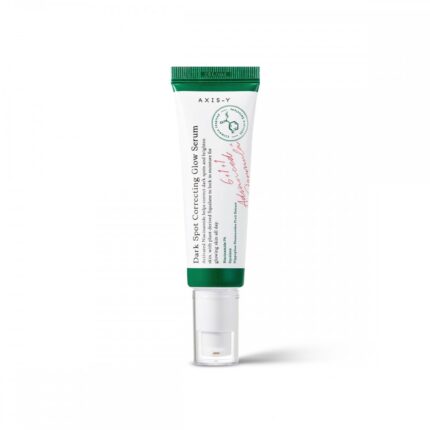 Sale
SaleOriginal price was: ৳ 1,790.00.৳ 1,175.00Current price is: ৳ 1,175.00.
How Oligopeptide-68 Works on Skin
Oligopeptide-68 signals cells in the epidermis and dermis to reduce oxidative stress and modulate pigment production. As a result, the skin often looks more even and less blotchy with consistent use. Research indicates peptides can influence melanin-related pathways without the irritation tied to stronger acids or vitamin A derivatives.
Melanin Regulation and Pigmentation Control
When melanin production slows or becomes uneven, dark spots form. Oligopeptide-68 helps regulate melanin synthesis by modulating cellular signals that guide pigment production. Clinical studies on peptide families show reduced hyperpigmentation when peptides are combined with supportive ingredients.
Support for Collagen and Repair
Because peptides can encourage repair signals, Oligopeptide-68 supports collagen maintenance and skin strength. This support does not act overnight, but skin often feels firmer and looks healthier after weeks. Experts say consistent peptide use aids long-term skin resilience.
Antioxidant and Barrier Effects
Oligopeptide-68 can reduce oxidative stress that accelerates discoloration. That means fewer triggers for new dark spots over time. For example, combining Oligopeptide-68 with antioxidants helps protect skin from environmental damage.
Benefits You Can Expect
People use Oligopeptide-68 to target uneven tone, dullness, and mild hyperpigmentation. Results vary, but many users describe smoother texture and subtler dark spots after regular use. Studies show peptide-based treatments often improve skin clarity with low irritation risk.
Because Oligopeptide-68 acts gently, it suits sensitive skin types that cannot tolerate strong acids or aggressive lightening agents. That is why formulators include it as a pigmentation reducing compound in products aimed at daily use. Consumers often pair it with sunscreen to protect results.
Still, peptide benefits build gradually, so patience matters. Visible change typically appears after several weeks of steady application. Dermatologists often recommend combining peptides with sun protection and supportive actives for best outcomes.
Who Sees the Best Results?
People with mild to moderate discoloration often get the clearest improvements with Oligopeptide-68. While intense or deep pigment issues may need targeted treatments, this peptide helps maintain and refine tone. Research indicates that combining topical peptides with professional procedures speeds recovery and enhances results.
When used early, Oligopeptide-68 helps prevent spot darkening and supports even tone maintenance. That means younger skin or early hyperpigmentation responds well. For deeper or long-standing marks, a specialist can advise on combining peptides with other medical therapies.
How to Use Oligopeptide-68 in Your Routine
Start with a product that lists Oligopeptide-68 in the ingredient panel near the top. Products with proper delivery systems help peptides reach the target layers of skin. For best results, apply peptide serums to clean, slightly damp skin so absorption improves.
Because peptides are stable when formulated well, use them both morning and night unless the product directs otherwise. That is why many users add a peptide serum under moisturizer and sunscreen in the daytime. Daily sunscreen remains essential to prevent new pigmentation while using peptide formulas.
When layering, wait for lightweight formulas to absorb before adding heavier creams. This simple step reduces pilling and improves peptide contact with skin. For example, apply the peptide serum, then moisturizer, then sunscreen in the morning routine.
Concentration and Product Types
Peptides like Oligopeptide-68 appear in concentrations that vary by brand and purpose. Serums deliver higher peptide levels, while creams often mix peptides with emollients for comfort. Research indicates that steady low-to-moderate concentrations can be effective and gentler than high-dose alternatives.
Mixing with Other Active Ingredients
When you pair Oligopeptide-68 with antioxidants, the combination enhances overall brightening and protection. Vitamin C or niacinamide often complements peptide action without causing extra irritation. Avoid combining peptides with harsh exfoliants at the same time to reduce potential sensitivity.
Safety, Side Effects, and Precautions
Oligopeptide-68 typically causes minimal irritation compared with stronger brightening or resurfacing agents. Still, any new product can produce sensitivity in some users. Dermatologists suggest patch testing before full-face application to spot rare reactions.
Because it is non-hormonal and non-bleaching, Oligopeptide-68 lacks the systemic risks associated with some oral or prescription treatments. Research indicates peptides have a favorable safety profile when used topically. However, always consult a clinician if you have serious skin conditions or are on prescription medications.
Patch Testing Steps
To patch test, apply a small amount of product behind the ear or on the inner forearm for three days. If redness, itching, or swelling appears, stop using the product. If no reaction occurs, you can introduce it into your regular routine gradually.
Use During Pregnancy and with Prescription Treatments
Because safety data vary, discuss Oligopeptide-68 use with your doctor if you are pregnant or breastfeeding. That is why many clinicians prefer well-studied, inert ingredients during pregnancy. If you use prescription topical treatments, check for possible interactions before combining actives.
Choosing Products That Contain Oligopeptide-68
Look for reputable brands that publish stable formulations and test results. Packaging that protects ingredients from light and air helps preserve peptide integrity. Consumers should prefer sealed serums and jars with airless pumps to slow degradation.
Because marketing claims can be broad, read ingredient lists and product instructions carefully. That is why shopping by ingredient transparency matters when selecting a peptide formula. Reviews and dermatologist guidance can help you find reliable options.
Remember that price does not always equal potency. Some mid-range products provide well-formulated Oligopeptide-68 serums at fair prices. Research indicates formulation quality and complementary ingredients matter more than cost alone.
What to Look for on the Label
Search for Oligopeptide-68 near the top of the ingredient list for a meaningful concentration. Also watch for stabilizing components and antioxidants that protect the peptide. For example, serums that include vitamin C derivatives or niacinamide often support brightening action.
Packaging and Shelf Life
Products in opaque, airless containers retain potency longer than open jars. Because peptides can oxidize, shorter shelf life after opening is common. Check expiration dates and store products in a cool, dry place to extend effectiveness.
Combining Oligopeptide-68 with Other Treatments
When you combine Oligopeptide-68 with clinical treatments, overall improvement can accelerate. For example, dermatologists sometimes pair peptide serums with chemical peels or laser procedures to support healing. Research shows that supportive topical care can reduce downtime and improve outcomes after procedures.
However, timing matters: allow skin to recover after aggressive treatments before reintroducing peptides. That reduces irritation risk and allows the peptide to act on healthy tissue. If unsure, ask your clinician when to start or resume peptide use after a procedure.
Synergy with Sun Protection
Daily sunscreen remains the single most important companion to any brightening strategy. Oligopeptide-68 helps correct and prevent some discoloration, but sun exposure creates new pigment. Use broad-spectrum sunscreen every day to protect improvements made with peptide treatments.
When to See a Specialist
If stubborn pigmentation lingers despite at-home peptide use, consult a dermatologist for advanced options. Professional advice helps identify whether deeper treatment is needed. Specialists can combine topical peptides with targeted in-office procedures safely.
Realistic Timelines for Results
Skin turnover and pigment fading take time, so results appear gradually. Many users notice initial texture improvements within four to six weeks. More significant fading of dark spots often requires two to three months of consistent use.
Because individual biology varies, some people need longer to see visible change. Studies on peptide interventions report progressive improvements over months, especially when users maintain daily application and sun protection. That is why patience and routine matter more than quick fixes.
Cost and Value Considerations
Oligopeptide-68 products range from affordable serums to premium treatments. Price differences often reflect formulation quality, research backing, and packaging. Look for evidence of formulation stability and third-party testing when you evaluate value.
When budget matters, choose a concentrated serum and pair it with a basic moisturizer and sunscreen. That is why building a simple, consistent routine often provides better long-term value than sporadic use of expensive products. Research indicates consistent daily care yields better cumulative results than occasional splurges.
Common Misconceptions About Peptides
People sometimes expect instant brightening because marketing highlights quick gains. However, peptides act through signaling and repair, so change occurs gradually. Educated use and steady application provide realistic benefits over time.
Another myth claims peptides only work on young skin, but evidence suggests adults of various ages see benefits. Because peptides support cellular function, they can help maintain healthy tone across age groups. That means Oligopeptide-68 can be useful in preventive and corrective routines alike.
Frequently Asked Questions
How quickly will Oligopeptide-68 reduce dark spots?
Most users see subtle texture improvements within four to six weeks and noticeable pigment changes after two to three months. Consistent daily use and sun protection speed results. Individual response varies with skin type and the product’s formulation.
Can Oligopeptide-68 replace stronger brightening acids?
Oligopeptide-68 can be an alternative for those who cannot tolerate strong acids, offering gentler results. However, severe pigmentation may require stronger or professional treatments. Discuss options with a dermatologist for personalized guidance.
Is Oligopeptide-68 safe for sensitive skin?
Many people with sensitive skin tolerate Oligopeptide-68 well since it is gentler than some brightening actives. Still, patch testing is recommended to confirm personal tolerance. Stop use and consult a clinician if persistent irritation occurs.
Can I use Oligopeptide-68 with vitamin C or retinoids?
Oligopeptide-68 pairs well with vitamin C and niacinamide; these combinations often boost brightening and protection. When using retinoids, introduce the peptide gradually to avoid combined irritation. If you use multiple actives, space applications or consult a professional for a tailored plan.
Final Thoughts
Oligopeptide-68 offers a gentle, evidence-informed way to improve skin tone and reduce the look of spots over time. For most users, it acts as a safe brightening peptide ingredient that supports gradual, low-irritation results. Try a reliable Oligopeptide-68 serum, protect your skin daily with sunscreen, and give the routine at least two to three months to judge effectiveness.