
Octocrylene: Understanding This Essential UV Filter

Protecting your skin from the sun’s harmful rays is crucial for long-term health. Many sunscreens rely on specific ingredients to achieve this vital protection. Octocrylene plays a significant role as a key UV filter sunscreen ingredient in many formulations.
What is Octocrylene?
Octocrylene is an organic compound widely used in sunscreens and other cosmetic products. It is primarily known for its ability to absorb ultraviolet (UV) radiation. This chemical filter helps shield skin from the sun’s damaging effects effectively.
Its main function is to protect against UVB rays and short UVA rays. These are the rays primarily responsible for sunburn and some forms of skin damage. Researchers have extensively studied this ingredient for its protective qualities.
Many skincare manufacturers value Octocrylene because it offers good photostability. This means it does not break down quickly when exposed to sunlight. Therefore, it provides lasting protection throughout the day.
How Octocrylene Works as a Photostabilizer Compound
Octocrylene acts by absorbing UV radiation and converting it into a small amount of heat. This process prevents the UV energy from penetrating and harming skin cells. It works like a tiny energy sponge on your skin’s surface.
Beyond its direct UV absorption, Octocrylene also functions as a photostabilizer compound for other UV filters. For example, avobenzone, another common UV filter, can become unstable when exposed to sunlight. Octocrylene helps avobenzone maintain its effectiveness for longer periods.
This stabilizing action makes sunscreens more reliable. When formulations include Octocrylene, the overall protection they offer remains consistent. Dermatologists often praise this dual action for enhancing sunscreen performance.
Recommended Products
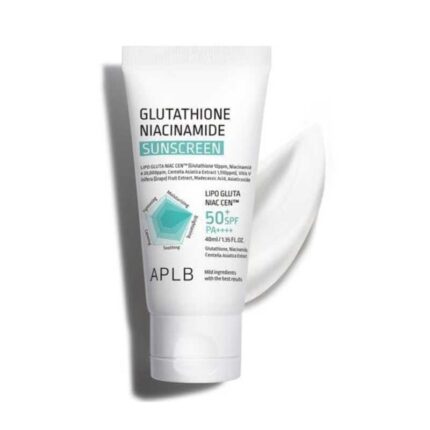 Sale
SaleOriginal price was: ৳ 1,260.00.৳ 882.00Current price is: ৳ 882.00.
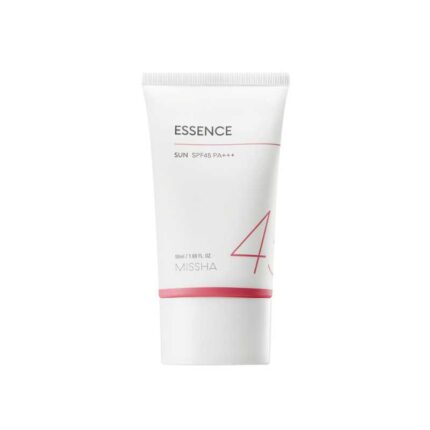 Sale
SaleOriginal price was: ৳ 1,290.00.৳ 903.00Current price is: ৳ 903.00.
Benefits of Octocrylene in Sunscreen Formulations
Including Octocrylene in sunscreen offers several distinct advantages. It helps ensure broad-spectrum protection against different types of UV radiation. This broader coverage is important for comprehensive skin defense.
One major benefit is its exceptional water resistance. Octocrylene is an oily liquid that helps sunscreens adhere better to the skin. This property makes it ideal for products designed for swimming or intense physical activity.
Studies show that sunscreens with Octocrylene often feel lighter on the skin. They are also less likely to leave a white cast compared to some mineral filters. This makes them a preferred choice for many general online shoppers.
Furthermore, Octocrylene enhances the overall stability of the sunscreen product itself. It prevents other ingredients from degrading. This leads to a longer shelf life and more consistent performance throughout the product’s lifespan.
Safety and Concerns Surrounding Octocrylene
The safety of Octocrylene has been a topic of scientific and public discussion. Regulatory bodies worldwide, including the FDA and the European Commission, have reviewed its safety profile. They generally consider it safe for use in sunscreens at approved concentrations.
Research indicates that Octocrylene is well-tolerated by most individuals. However, like any ingredient, some people may experience sensitivity. Patch testing new products can help identify potential reactions before widespread use.
Concerns about skin absorption have been raised by some groups. Yet, the amount absorbed is typically low and not considered to pose a significant health risk. Comprehensive reviews continue to support its safe application on skin.
The scientific community consistently evaluates sunscreen ingredients as new data emerges. Current evidence supports Octocrylene’s use as an effective and safe UV filter. This is especially true when used as directed by manufacturers.
Environmental Impact of Octocrylene
Environmental impact is another area of concern for all sunscreen ingredients. Research has investigated Octocrylene’s effects on marine ecosystems. Studies suggest it can accumulate in coral and other aquatic life.
Some regions, like Hawaii, have banned certain UV filters due to these environmental concerns. Octocrylene is sometimes included in these discussions, although it is not universally banned like oxybenzone or octinoxate. This means its environmental profile is still under active review.
Consumers who are concerned about marine life often look for “reef-safe” sunscreens. These products typically avoid specific chemical filters. This means checking ingredient lists becomes important for environmentally conscious shoppers.
Moving forward, scientists are working on developing new UV filters with reduced environmental footprints. However, the exact long-term impact of Octocrylene in various marine environments requires further extensive study.
Potential for Skin Sensitivity
While generally well-tolerated, Octocrylene can sometimes cause skin irritation or allergic reactions in sensitive individuals. These reactions are rare, but they can include redness, itching, or a rash. This often depends on an individual’s unique skin chemistry.
For those with a history of contact dermatitis or sensitive skin, caution is advisable. Patch testing a small amount of the product on an inconspicuous area, like the inner arm, can prevent widespread irritation. This simple step can save discomfort.
If any adverse reaction occurs, discontinue use immediately. Consult a dermatologist if symptoms persist. They can help identify the specific allergen and recommend alternative sun protection options. This personalized advice is often very helpful.
Overall, the incidence of sensitivity to Octocrylene is low. Most people can use products containing this ingredient without any issues. Its widespread use in popular sunscreens attests to its general acceptance.
Choosing Sunscreens with Octocrylene
When selecting a sunscreen, consider your skin type and specific sun protection needs. Sunscreens containing Octocrylene are often good choices for active individuals. Their water-resistant properties are a big plus for sports enthusiasts.
Look for products labeled “broad-spectrum” that also have an SPF of 30 or higher. This ensures protection against both UVA and UVB rays. The presence of Octocrylene helps deliver this important broad protection.
If you have oily or acne-prone skin, you might appreciate Octocrylene. It is often formulated into lightweight, non-comedogenic lotions. These products will not clog pores, reducing the risk of breakouts.
Always check the ingredient list if you have known sensitivities. However, for most general online shoppers, sunscreens with Octocrylene offer reliable and effective sun protection. They are a common and trusted option.
How Octocrylene Compares to Other UV Filters
Octocrylene is one of many available UV filter sunscreen ingredients. It has distinct characteristics that differentiate it from others. Understanding these differences helps in making informed choices.
Compared to mineral filters like zinc oxide and titanium dioxide, Octocrylene is a chemical filter. Mineral filters work by physically blocking and scattering UV rays. Chemical filters, including Octocrylene, absorb UV radiation instead.
Octocrylene offers better cosmetic elegance than many mineral options. It rubs in clear and does not leave a white residue. This makes it more appealing for daily use under makeup or on visible skin.
Other chemical filters like oxybenzone and octinoxate have faced more significant environmental scrutiny. While Octocrylene has some concerns, they are generally less pronounced. This means it is often seen as a middle-ground option.
Furthermore, Octocrylene’s ability to act as a photostabilizer compound is unique among common filters. This makes it an excellent partner ingredient. It helps boost the performance of other sun-blocking chemicals in the formula.
Frequently Asked Questions
What does Octocrylene do in sunscreen?
Octocrylene absorbs harmful UVA and UVB rays, preventing them from damaging your skin. It also stabilizes other UV filters like avobenzone, ensuring lasting sun protection.
Is Octocrylene considered a safe ingredient?
Yes, regulatory bodies worldwide generally consider Octocrylene safe for use in sunscreens at approved concentrations. Studies support its safe application for most people.
Can Octocrylene cause skin allergies?
While rare, Octocrylene can cause skin irritation or allergic reactions in sensitive individuals. Patch testing new products can help identify any potential sensitivities.
Does Octocrylene harm coral reefs?
Research suggests Octocrylene may accumulate in marine environments. Some regions have restrictions, but its exact long-term impact on coral reefs is still under investigation.
Final Thoughts
Choosing an effective sunscreen is a cornerstone of skin health. Octocrylene stands out as a versatile and reliable UV filter sunscreen ingredient. It provides robust protection against harmful radiation.
Its role as a photostabilizer compound also makes it invaluable in many broad-spectrum formulas. This ensures your chosen sunscreen remains effective throughout the day. Always apply sunscreen generously and reapply every two hours for optimal protection.