
Mexoryl XL: Your Guide to Advanced Sun Protection

Are you concerned about comprehensive sun protection? Many people seek effective ways to shield their skin daily. This is where Mexoryl XL offers a significant advantage. It provides advanced defense against harmful solar radiation.
Understanding Mexoryl XL as a Sunscreen Ingredient
Mexoryl XL is a highly effective chemical ultraviolet (UV) filter. It helps protect skin from sun damage. This ingredient is known scientifically as drometrizole trisiloxane sunscreen ingredient. It is a key component in many high-performance sunscreens globally.
Developed by L’Oréal, Mexoryl XL represents a significant advancement in photoprotection technology. It offers broad-spectrum coverage. This means it defends against both UVA and UVB rays. Its unique molecular structure makes it very stable. It remains effective for longer periods on the skin.
Choosing sunscreens with this ingredient provides enhanced protection. It works by absorbing UV radiation. This process stops the rays from penetrating skin cells. Therefore, it reduces the risk of sunburn and long-term damage.
The Chemical Nature of Drometrizole Trisiloxane
The full chemical name, drometrizole trisiloxane, points to its complex structure. It is an organic compound. This compound has excellent light-absorbing properties. Its development aimed to address limitations of older UV filters.
Chemically, it belongs to the benzotriazole family. This family of compounds is well-regarded for its stability. It also demonstrates strong UV absorption capabilities. This makes it an ideal candidate for use in sun care products.
Unlike some other filters, drometrizole trisiloxane is oil-soluble. This property helps it integrate well into sunscreen formulations. It also contributes to water resistance. Sunscreens become more effective even during swimming or sweating.
A Brief History of Advanced UV Filters
The quest for better sun protection dates back decades. Early sunscreens offered limited defense. They mainly focused on UVB rays. UVB rays cause sunburn.
However, research revealed the dangers of UVA radiation. UVA rays contribute to premature aging and skin cancer. This led to the development of broad-spectrum filters. Mexoryl XL emerged from this ongoing research. It offers superior UVA protection.
Its introduction marked a new era in sunscreen technology. It provided unprecedented stability and efficacy. Consumers gained access to more reliable sun protection. This innovation helped set new standards for sun care.
Recommended Products
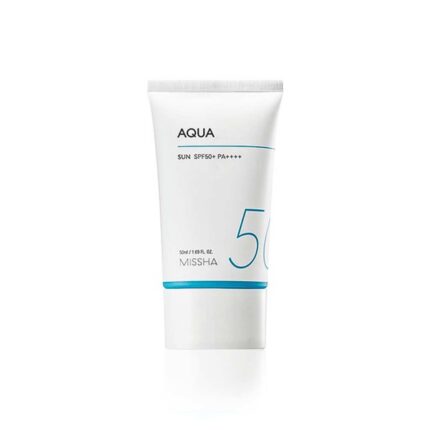 Sale
SaleOriginal price was: ৳ 1,350.00.৳ 890.00Current price is: ৳ 890.00.
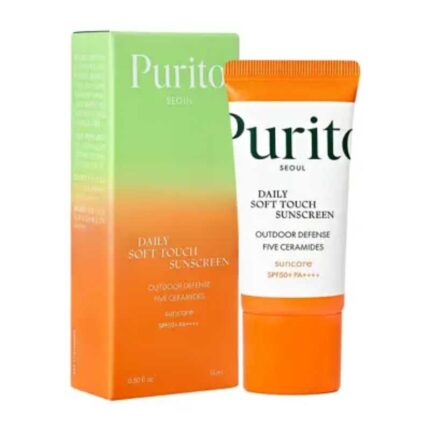 Sale
SaleOriginal price was: ৳ 440.00.৳ 308.00Current price is: ৳ 308.00.
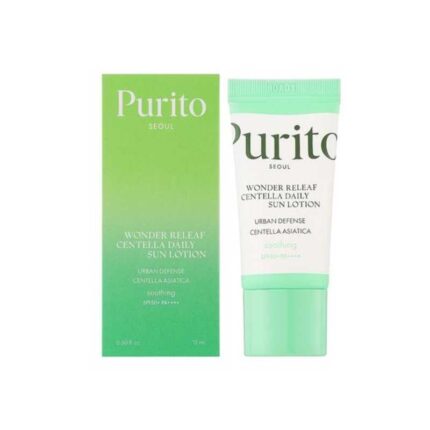 Sale
SaleOriginal price was: ৳ 440.00.৳ 320.00Current price is: ৳ 320.00.
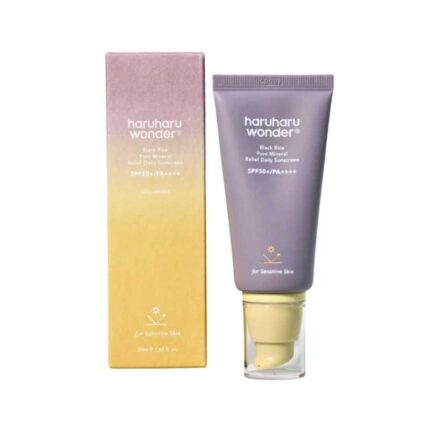 Sale
SaleOriginal price was: ৳ 2,300.00.৳ 1,610.00Current price is: ৳ 1,610.00.
How Mexoryl XL Protects Your Skin from UV Damage
Mexoryl XL functions primarily by absorbing harmful UV radiation. It acts like a shield on the skin’s surface. When UV light hits the skin, Mexoryl XL converts it into a harmless form of energy. This prevents the radiation from damaging skin cells.
It provides protection against both UVA I, UVA II, and UVB rays. UVA I rays are the longest and penetrate deepest into the skin. UVA II rays are slightly shorter. UVB rays are responsible for sunburn. Effective sunscreens must address all these types of radiation.
The mechanism of absorption makes it a very efficient UV filter. It dissipates energy safely. This prevents cellular DNA damage. It also reduces oxidative stress on the skin. These are crucial factors in preventing photoaging and skin cancers.
Broad-Spectrum Protection Capabilities
A sunscreen is considered broad-spectrum if it protects against both UVA and UVB. Mexoryl XL excels in this area. It offers robust protection across a wide range of the UV spectrum. This broad coverage is essential for complete sun defense.
UVA rays are present year-round. They can penetrate clouds and glass. Therefore, daily protection against UVA is vital. Mexoryl XL provides strong defense against these aging rays. It helps maintain youthful-looking skin.
Similarly, UVB protection prevents sunburn. Sunburn can lead to painful skin damage. Mexoryl XL efficiently blocks these burning rays. This dual action makes it a highly desirable sunscreen ingredient.
The Advantage of Photostability
Many chemical UV filters degrade when exposed to sunlight. This degradation reduces their effectiveness over time. However, Mexoryl XL is known for its excellent photostability. It maintains its protective properties for longer durations.
Studies show that Mexoryl XL remains stable even after prolonged sun exposure. This means your sunscreen continues to protect you. It does not break down rapidly. This enhanced stability ensures consistent efficacy.
Because of this stability, sunscreens with Mexoryl XL require less frequent reapplication. Still, dermatologists recommend reapplying sunscreen every two hours. Reapplication is more frequent after swimming or sweating. The inherent stability provides a strong foundation for reliable protection.
Synergistic Action with Other UV Filters
Mexoryl XL often works best when combined with other UV filters. For example, it pairs well with Mexoryl SX. Mexoryl SX is another L’Oréal patented filter. This combination creates a synergistic effect.
Together, these filters offer enhanced protection. They cover different parts of the UV spectrum more thoroughly. This leads to a more comprehensive defense system. Many high-end sunscreens use this combined approach.
Working in conjunction with other filters, Mexoryl XL helps stabilize them. It can boost their performance. This makes the overall sunscreen formulation more robust. This strategy maximizes sun protection benefits.
Key Benefits of Choosing Sunscreens with Mexoryl XL
The benefits of using sunscreens containing Mexoryl XL are numerous. They extend beyond basic sun protection. Consumers can expect superior defense. They also gain additional skincare advantages.
One major benefit is its ability to prevent photoaging. Photoaging refers to skin damage caused by sun exposure. This includes wrinkles, fine lines, and dark spots. Mexoryl XL effectively counters these signs.
Furthermore, it helps in preventing more serious skin conditions. These include various forms of skin cancer. Its high efficacy contributes significantly to long-term skin health. It is a smart choice for proactive skincare.
Superior UVA Protection for Anti-Aging
UVA rays are the primary culprits behind premature skin aging. They penetrate deeply into the dermis. This leads to collagen and elastin breakdown. This breakdown causes sagging and wrinkles.
Mexoryl XL provides exceptionally strong UVA protection. It helps safeguard these vital skin structures. Using a sunscreen with Mexoryl XL can significantly slow down the aging process. It keeps skin looking younger for longer.
Dermatologists often highlight the importance of UVA protection. They recommend ingredients like Mexoryl XL. It ensures broad and deep protection against photoaging. This makes it a powerful anti-aging tool.
Enhanced Photostability for Lasting Defense
As mentioned, Mexoryl XL’s photostability is a major asset. It means the filter resists degradation when exposed to sunlight. This characteristic is critical for maintaining consistent protection.
Many traditional chemical filters can lose effectiveness quickly. They can break down after just a few hours in the sun. However, Mexoryl XL formulations remain active. They provide reliable defense throughout the day.
This lasting defense gives users greater confidence in their sun protection. It means they are less vulnerable to UV damage. This is true even during extended outdoor activities. This robust performance is a key selling point.
Excellent Skin Compatibility
While a powerful chemical filter, Mexoryl XL is generally well-tolerated. It causes minimal skin irritation. This makes it suitable for many skin types. Even individuals with sensitive skin often find it acceptable.
Its non-irritating profile is a significant advantage. Some strong UV filters can cause sensitivity. Mexoryl XL, however, allows for effective protection without discomfort. This broadens its appeal to a wider audience.
Moreover, it is often formulated into elegant, non-greasy textures. These textures encourage consistent daily use. Good skin compatibility contributes to better adherence. This leads to better overall sun protection practices.
Water-Resistant Formulations
Many sunscreens containing Mexoryl XL are designed to be water-resistant. This quality is crucial for active individuals. It is also important for those who sweat heavily. Water resistance ensures protection stays intact.
When a sunscreen is water-resistant, it adheres better to the skin. It does not wash off easily with water or sweat. This characteristic is vital for swimming or outdoor sports. It provides continuous coverage.
However, no sunscreen is completely waterproof. Users should still reapply water-resistant sunscreens. Reapplication should occur after 40 or 80 minutes of swimming or sweating. This maintains optimal protection.
Mexoryl XL Versus Other Common Sunscreen Filters
Comparing Mexoryl XL to other UV filters helps highlight its unique advantages. The sunscreen market offers a variety of options. Each filter has its own strengths and weaknesses. Mexoryl XL stands out in several ways.
Mineral filters, like zinc oxide and titanium dioxide, work by reflecting UV light. They are often good for sensitive skin. Chemical filters, such as Mexoryl XL, absorb UV light. They convert it into heat. Both types offer effective protection when formulated correctly.
However, Mexoryl XL’s specific combination of broad-spectrum coverage and photostability is difficult to match. Many other chemical filters lack one or both of these attributes. This often makes Mexoryl XL a preferred choice in premium formulations.
Comparison with Mineral Filters (Zinc Oxide, Titanium Dioxide)
Mineral filters are physical blockers. Zinc oxide and titanium dioxide sit on the skin’s surface. They deflect UV rays. These filters are often favored for very sensitive skin. They are also popular for children.
While effective, mineral sunscreens can sometimes leave a white cast. This is especially true on darker skin tones. Modern formulations have reduced this issue. However, it can still be a concern for some users.
Mexoryl XL, as a chemical filter, does not leave a white residue. It absorbs invisibly into the skin. This can make it more cosmetically elegant. It integrates seamlessly into daily routines. This aesthetic benefit is a key differentiator.
Comparison with Other Chemical Filters (Avobenzone, Octinoxate)
Avobenzone is a common UVA filter. It offers good UVA protection. However, it is notoriously photounstable. It can break down quickly in sunlight. This rapid degradation reduces its effectiveness over time.
Octinoxate and octisalate are effective UVB filters. They do not offer significant UVA protection. Many formulations combine these filters to achieve broad-spectrum coverage. This approach can work well.
Mexoryl XL’s advantage lies in its inherent stability and broad-spectrum nature. It covers UVA and UVB effectively without rapidly degrading. This often makes it a more reliable standalone or foundational filter. It also helps stabilize other filters when combined.
Safety and Regulatory Status of Mexoryl XL
The safety of sunscreen ingredients is a major concern for consumers. Mexoryl XL has undergone extensive testing. It has been reviewed by regulatory bodies worldwide. Its safety profile is well-established.
It is approved for use in sunscreens in many regions. These include Europe, Canada, Australia, and parts of Asia. Regulatory agencies in these areas have deemed it safe and effective. They allow its inclusion in sun care products.
However, it is currently not approved in the United States. This is due to a slow and complex approval process for new UV filters. It is not due to safety concerns. Products containing Mexoryl XL must be purchased from outside the US.
Global Approval and Acceptance
Europe has a robust regulatory framework for sunscreens. Mexoryl XL has been approved there for many years. It is widely used in European sun care products. Consumers in these regions benefit from its advanced protection.
Similarly, Canada and Australia have also approved its use. These countries have high sun exposure levels. They recognize the importance of effective UV filters. Mexoryl XL plays a vital role in their sun protection strategies.
The widespread global acceptance speaks to its safety and efficacy. It is a trusted ingredient in markets with stringent regulations. This global approval offers reassurance to consumers. It confirms its proven track record.
Regulatory Landscape in the United States
The approval process for new sunscreen filters in the US is uniquely challenging. The FDA classifies UV filters as over-the-counter (OTC) drugs. This classification requires extensive drug application processes.
The data required for approval is substantial. It can take many years to gather and review. This regulatory hurdle has limited the introduction of many advanced filters. Mexoryl XL is one such filter.
Despite being widely used and proven safe globally, it remains unavailable in US-made products. Consumers in the US must seek imported products to access this ingredient. This situation is frustrating for many experts. They advocate for updated FDA regulations.
Finding Products with Mexoryl XL for Your Routine
If you wish to incorporate Mexoryl XL into your sun protection routine, you have options. Since it is not in US-manufactured products, you must look for international brands. Many reputable companies include it in their formulations.
Popular brands like La Roche-Posay and Vichy frequently feature Mexoryl XL. They are widely available in Europe and Canada. Online retailers often carry these international versions. Always check product descriptions carefully.
Ensure you purchase from trusted vendors to guarantee authenticity. Look for clear indications of Mexoryl XL (drometrizole trisiloxane) on the ingredient list. This ensures you are getting the intended advanced protection.
Identifying Reputable International Brands
When searching for sunscreens with Mexoryl XL, stick to well-known brands. La Roche-Posay’s Anthelios line is particularly famous for its advanced filters. Many of their products contain this ingredient. Vichy Capital Soleil is another excellent option.
These brands invest heavily in research and development. They adhere to strict European Union cosmetic regulations. This provides an assurance of quality and safety. Their products are often highly recommended by dermatologists.
Always buy from official distributors or reputable online stores. Be wary of unusually low prices. Counterfeit products exist. Authenticity guarantees effective sun protection.
Reading Sunscreen Labels Effectively
Learning to read sunscreen labels is crucial for informed choices. Look for “drometrizole trisiloxane” or “Mexoryl XL” in the ingredient list. This confirms the presence of the advanced UV filter.
Also, check for broad-spectrum claims. In Europe, a UVA logo (a circle with UVA inside) indicates good UVA protection. Look for a high SPF number, typically SPF 30 or higher. SPF measures protection against UVB rays.
Pay attention to other ingredients too. Antioxidants like Vitamin E can provide added benefits. Choose formulations suitable for your skin type. This ensures comfort and efficacy.
Tips for Maximizing Sun Protection with Mexoryl XL
Even with advanced filters like Mexoryl XL, proper application is key. Sunscreen is only one part of a comprehensive sun protection strategy. Combining several methods offers the best defense.
Always apply enough sunscreen. Most adults need about a shot glass full for their body. Apply it 15-20 minutes before sun exposure. This allows the product to set. It forms an effective barrier.
Reapply sunscreen regularly, especially after sweating or swimming. Seek shade during peak sun hours. Wear protective clothing, hats, and sunglasses. These habits work together for optimal results.
Proper Application Techniques
Apply sunscreen generously to all exposed skin. Do not forget areas like ears, neck, and the tops of your feet. These spots are often overlooked. They are just as vulnerable to sun damage.
Rub the sunscreen in thoroughly until it is evenly distributed. Ensure no areas are missed. A thin, patchy application will not provide adequate protection. Be diligent with your application.
For facial application, use about a nickel-sized amount. Follow with your makeup, if desired. Allow the sunscreen to absorb fully before applying other products. This ensures its effectiveness.
Complementary Sun Protection Measures
Sunscreen is vital, but it is not a complete solution on its own. Seek shade, particularly between 10 AM and 4 PM. This is when UV radiation is strongest. Limiting direct exposure reduces risk.
Wear sun-protective clothing. Long-sleeved shirts, pants, and wide-brimmed hats offer physical barriers. Look for clothing with a UPF (Ultraviolet Protection Factor) rating. UPF indicates how much UV radiation a fabric blocks.
Sunglasses protect your eyes from UV damage. They help prevent cataracts and other eye conditions. Choose sunglasses that block 99-100% of both UVA and UVB rays. These measures provide holistic protection.
Addressing Common Misconceptions About Sunscreen
Many myths and misunderstandings surround sunscreen use. Dispelling these myths is important. It helps ensure everyone uses sun protection effectively. Education is key to healthy sun habits.
One common misconception is that sunscreen blocks Vitamin D synthesis entirely. While it can reduce it, small amounts of sun exposure still allow for Vitamin D production. Furthermore, dietary sources and supplements are reliable. They can make up any potential deficit.
Another myth suggests that people with darker skin tones do not need sunscreen. This is false. While darker skin has more melanin, it is still susceptible to UV damage. Everyone needs sun protection, regardless of skin tone. UV damage affects all skin types.
Sunscreen and Vitamin D Production
It is true that sunscreen reduces the skin’s ability to produce Vitamin D. This is because Vitamin D synthesis relies on UVB exposure. Sunscreens are designed to block UVB rays effectively.
However, most people do not apply sunscreen perfectly. They also do not reapply it frequently enough. This means some UVB exposure usually still occurs. This allows for some Vitamin D production.
Moreover, Vitamin D can be obtained from diet and supplements. Oily fish, fortified foods, and supplements are excellent sources. Relying solely on sun exposure for Vitamin D carries significant health risks. Skin cancer is a major concern.
The Need for Sunscreen Across All Skin Tones
A persistent myth suggests that individuals with darker skin tones are immune to sun damage. This is incorrect. While melanin offers some natural protection, it is not absolute. UV radiation can still harm darker skin.
People of color can still get sunburn. They are also susceptible to photoaging. This includes wrinkles, sun spots, and uneven skin tone. Most importantly, darker skin tones are also at risk for skin cancer.
Studies indicate that skin cancers in people of color are often diagnosed later. This happens because symptoms can be less obvious. The misconception of immunity leads to delayed detection. Therefore, consistent sun protection is crucial for everyone.
Frequently Asked Questions
Is Mexoryl XL safe for daily use?
Yes, Mexoryl XL is considered safe for daily use. Regulatory bodies in many countries have approved it. It has undergone extensive safety testing. It is well-tolerated by most skin types.
Can Mexoryl XL be used on sensitive skin?
Generally, Mexoryl XL is well-tolerated by sensitive skin. Many formulations containing it are designed for sensitive skin. However, individual sensitivities vary. Always perform a patch test first.
What is the difference between Mexoryl XL and Mexoryl SX?
Mexoryl XL is oil-soluble and provides broad-spectrum UVA and UVB protection. Mexoryl SX is water-soluble and primarily offers UVA protection. They often work together for enhanced broad-spectrum coverage.
How often should I reapply sunscreen with Mexoryl XL?
Dermatologists recommend reapplying sunscreen every two hours. This frequency is important for all sunscreens. Reapply more often after swimming, sweating, or towel drying. Consistent reapplication ensures continuous protection.
Final Thoughts
Achieving effective sun protection is essential for long-term skin health. Mexoryl XL stands as a powerful and reliable UV filter. It offers superior broad-spectrum protection. It defends against both UVA and UVB rays.
This advanced ingredient provides excellent photostability. It maintains its efficacy even during prolonged sun exposure. Therefore, consider incorporating sunscreens with Mexoryl XL into your daily routine. Prioritize consistent application for healthy, protected skin.