
Mandelic Acid: Your Gentle Path to Clear, Radiant Skin

Are you searching for a skincare ingredient that promises clearer, brighter skin without the irritation often associated with exfoliation? If so, Mandelic Acid might be your next skincare staple. This alpha hydroxy acid (AHA) stands out for its unique benefits, particularly for those with sensitive skin or concerns like acne and hyperpigmentation. Understanding how this powerful yet gentle ingredient works can transform your approach to achieving a luminous complexion.
What is Mandelic Acid? Understanding the Basics
Mandelic acid belongs to the family of alpha hydroxy acids, naturally derived from bitter almonds. Unlike its smaller molecular counterparts, mandelic acid has a larger molecular structure. This increased size prevents it from penetrating the skin too quickly or deeply. The slower, more even penetration contributes significantly to its reputation as a gentle exfoliating acid, minimizing the risk of irritation and redness often experienced with other AHAs.
Chemically, it works by breaking the bonds between dead skin cells on the surface of your skin. This process facilitates the shedding of these old cells. The result is a smoother skin texture, a clearer complexion, and an enhanced ability for other skincare products to absorb effectively. Its unique properties make it suitable for a wide range of skin types and concerns.
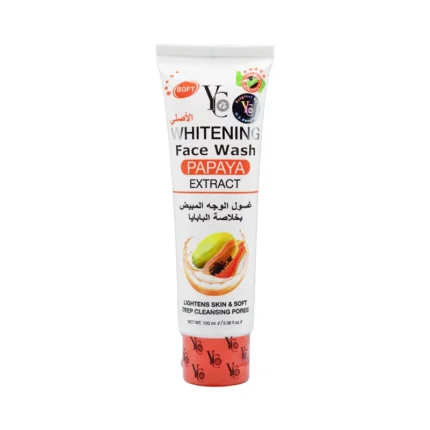
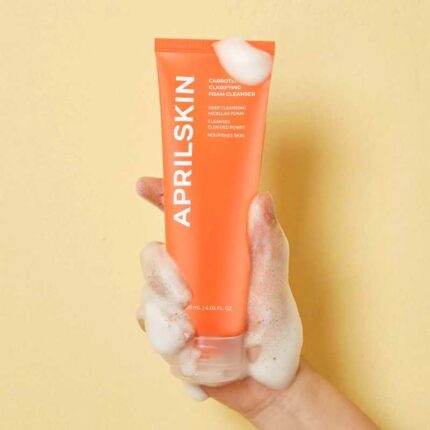
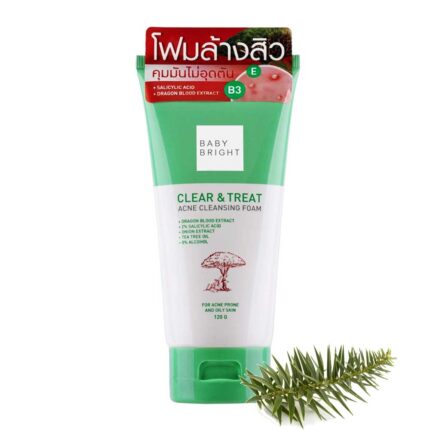
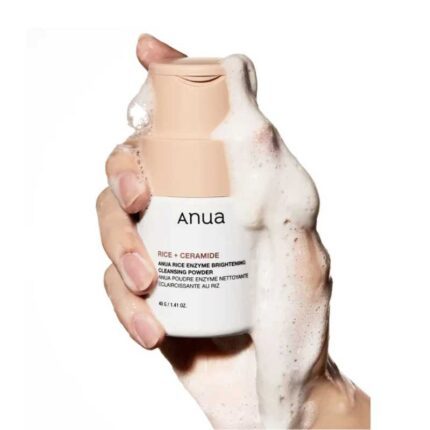
Recommended Products
 Sale
SaleOriginal price was: ৳ 2,040.00.৳ 1,420.00Current price is: ৳ 1,420.00.
 Sale
SaleOriginal price was: ৳ 1,050.00.৳ 799.00Current price is: ৳ 799.00.
 Sale
SaleOriginal price was: ৳ 2,640.00.৳ 1,848.00Current price is: ৳ 1,848.00.
The Science Behind Mandelic Acid’s Gentleness
The key to mandelic acid’s gentle nature lies in its molecular weight. With a molecular weight of 152.15 g/mol, it is significantly larger than glycolic acid (76.05 g/mol) or lactic acid (90.08 g/mol). This larger size means mandelic acid molecules do not dive as rapidly or deeply into the skin. Instead, they work more superficially, leading to a more controlled and gradual exfoliation.
This characteristic makes it particularly beneficial for individuals prone to redness or inflammation. Research indicates that mandelic acid causes less initial skin irritation compared to other AHAs. Its controlled action helps maintain the skin’s natural barrier function. This balanced approach supports healthier, more resilient skin over time without causing excessive dryness or discomfort. It’s an ideal choice for those seeking effective exfoliation with minimal downtime.
Key Benefits of Mandelic Acid for Your Skin
Mandelic acid offers a spectrum of benefits, addressing multiple skin concerns. Its multifaceted action makes it a versatile ingredient in many skincare routines. From combating breakouts to diminishing discoloration, this AHA provides targeted solutions. Its consistent use can lead to noticeable improvements in overall skin health and appearance. Understanding these benefits helps users tailor their routine for optimal results.
Fights Acne and Breakouts
One of the standout benefits of mandelic acid is its effectiveness against acne. It possesses antibacterial properties, which are crucial for treating and preventing breakouts. These properties help to reduce the population of acne-causing bacteria on the skin. Furthermore, its exfoliating action prevents dead skin cells from clogging pores. Clogged pores are a primary cause of blackheads, whiteheads, and inflamed pimples.
By keeping pores clear and combating bacteria, mandelic acid helps to diminish existing acne lesions. It also works proactively to prevent new ones from forming. Its anti-inflammatory nature further calms angry breakouts, reducing associated redness and swelling. This makes it a powerful ally in the fight for a clearer complexion, especially for those with adult acne or sensitive, acne-prone skin.
Reduces Hyperpigmentation and Dark Spots
Mandelic acid is highly effective in treating various forms of hyperpigmentation, including post-inflammatory hyperpigmentation (PIH) and melasma. It works by inhibiting tyrosinase, an enzyme crucial for melanin production in the skin. By suppressing this enzyme, mandelic acid helps to reduce the formation of new dark spots and lighten existing ones. This results in a more even skin tone.
Its gentle exfoliating action also helps to shed pigmented surface cells. This speeds up the fading process of dark marks. Many dermatological studies have highlighted its efficacy in improving skin discoloration with minimal side effects. According to industry data, consistent use can significantly improve the appearance of sun damage and uneven patches. This makes it a popular choice for achieving a brighter, more uniform complexion.
Improves Skin Texture and Tone
Beyond acne and pigmentation, mandelic acid significantly refines overall skin texture and tone. By promoting the shedding of dull, dead skin cells, it reveals fresh, healthier skin underneath. This process leads to a visibly smoother and softer skin surface. Fine lines and minor surface imperfections appear less prominent.
The gentle exfoliation also stimulates cellular turnover, encouraging the regeneration of new skin cells. This consistent renewal contributes to a more radiant and youthful appearance. Users often report a healthy glow and a more uniform complexion after incorporating mandelic acid into their routine. Its ability to improve both texture and tone without harshness makes it a valuable asset for general skin rejuvenation.
Offers Anti-Aging Advantages
While known for its gentleness, mandelic acid also offers significant anti-aging benefits. It aids in improving the appearance of fine lines and wrinkles by promoting cell turnover. The removal of older, damaged skin cells and the stimulation of new ones helps to plump the skin and reduce the depth of superficial lines. This action contributes to a smoother, more youthful complexion.
Furthermore, mandelic acid can stimulate collagen production, which is vital for maintaining skin elasticity and firmness. As we age, collagen synthesis naturally declines, leading to sagging and wrinkle formation. Encouraging new collagen can help to counteract these effects. Its antioxidant properties also help protect the skin from environmental damage, which often contributes to premature aging. These combined actions make mandelic acid a versatile anti-aging tool.
Mandelic Acid for Sensitive Skin: A Perfect Match
For individuals with sensitive skin, finding an effective yet non-irritating exfoliant can be a significant challenge. Many traditional AHAs, like glycolic acid, can cause redness, stinging, or dryness. This is where mandelic acid truly shines as an aha for sensitive skin. Its larger molecular size ensures it penetrates the skin more slowly and superficially, minimizing the potential for irritation. This gentle action makes it exceptionally well-tolerated by reactive skin types.
Users often experience the benefits of exfoliation—smoother texture, clearer pores, brighter tone—without the typical adverse reactions. It allows sensitive skin to achieve the rejuvenation it needs without compromising its delicate barrier. According to skincare professionals, mandelic acid is frequently recommended for those who have previously struggled with other chemical exfoliants. Its compatibility with sensitive skin is a primary reason for its growing popularity and widespread endorsement.
How Mandelic Acid Compares to Other AHAs
Understanding how mandelic acid stacks up against other popular alpha hydroxy acids is crucial for making informed skincare choices. While all AHAs work to exfoliate the skin, their molecular structures and penetration rates vary significantly. This leads to different levels of efficacy and gentleness. Comparing mandelic acid to glycolic and lactic acid highlights its unique position in the AHA family. Each acid offers distinct advantages, making them suitable for different skin types and concerns. Choosing the right AHA depends on individual skin needs and tolerance.
Mandelic Acid vs. Glycolic Acid
Glycolic acid is arguably the most well-known AHA, famous for its powerful exfoliating capabilities. It has the smallest molecular size among AHAs, allowing it to penetrate the skin deeply and rapidly. This deep penetration makes glycolic acid highly effective for severe hyperpigmentation, deep wrinkles, and significant texture improvement. However, its rapid absorption can also lead to increased irritation, redness, and sensitivity, especially for sensitive skin types.
Mandelic acid, with its larger molecular size, offers a much gentler experience. It exfoliates the surface more slowly, reducing the likelihood of adverse reactions. While glycolic acid delivers quicker, more dramatic results for certain concerns, mandelic acid provides a steady, consistent improvement with a lower risk of inflammation. For those prioritizing gentleness and minimal irritation, mandelic acid is often the preferred choice over glycolic acid, particularly for maintaining skin health over time.
Mandelic Acid vs. Lactic Acid
Lactic acid is another popular AHA, known for its exfoliating and hydrating properties. Its molecular size is larger than glycolic acid but smaller than mandelic acid. This intermediate size means it offers a balance of effective exfoliation with less irritation than glycolic acid. Lactic acid also acts as a humectant, drawing moisture into the skin, which makes it particularly beneficial for dry or dehydrated skin types.
Mandelic acid shares lactic acid’s gentle nature but tends to be even milder due to its larger molecular structure. While lactic acid provides both exfoliation and hydration, mandelic acid excels in its antibacterial properties and effectiveness against specific concerns like acne and certain types of hyperpigmentation, particularly post-inflammatory. Both are excellent choices for sensitive skin, but mandelic acid might be favored when antibacterial action and a very gradual approach to exfoliation are top priorities.
Incorporating Mandelic Acid into Your Skincare Routine
Integrating mandelic acid into your daily or weekly skincare regimen requires a thoughtful approach to maximize benefits and minimize potential irritation. Start slowly, especially if you are new to chemical exfoliants. Begin by using it two to three times a week, gradually increasing frequency as your skin builds tolerance. Always apply mandelic acid to clean, dry skin after cleansing and toning, but before applying heavier serums or moisturizers. Consistency is key for achieving noticeable and lasting results.
It is crucial to follow product instructions carefully regarding application amount and frequency. Some formulations are designed for daily use, while others are more potent and intended for less frequent application. Pay attention to how your skin responds and adjust usage accordingly. Always use a broad-spectrum sunscreen with an SPF of 30 or higher during the day, as all AHAs can increase sun sensitivity. Proper incorporation ensures you reap all the rewards of this powerful ingredient.
Cleansers and Toners
Mandelic acid is available in various product formulations, including cleansers and toners. Mandelic acid cleansers provide a mild, daily exfoliation, helping to purify pores and remove surface impurities without stripping the skin. They are an excellent starting point for those new to chemical exfoliants or individuals with very sensitive skin. These cleansers offer a gentle introduction to the acid’s benefits, setting the stage for subsequent treatments.
Toners containing mandelic acid offer a slightly more potent exfoliating step after cleansing. They help to balance the skin’s pH, remove any lingering impurities, and prepare the skin for serums. Daily use of a mandelic acid toner can contribute to consistent cell turnover and improved clarity. Both cleansers and toners with mandelic acid are fantastic for maintaining clear, smooth skin with minimal effort and irritation, providing a gentle exfoliating acid experience.
Serums and Treatments
For more targeted and intensive results, mandelic acid serums and dedicated treatments are often recommended. These products typically contain higher concentrations of mandelic acid, allowing for deeper penetration and more pronounced effects on specific concerns like hyperpigmentation, acne, and fine lines. Serums are usually applied after cleansing and toning, directly onto the skin. Their concentrated formulas deliver active ingredients efficiently. Many users find serums to be the most effective way to incorporate this AHA.
When using a mandelic acid serum, start with a lower concentration if you have sensitive skin, then gradually increase as your skin adapts. Apply a few drops to your face, allowing it to absorb before applying moisturizer. These treatments can be used a few times a week or daily, depending on the product’s strength and your skin’s tolerance. They are designed to deliver a powerful boost to your routine, targeting specific issues with precision.
Professional Peels
Beyond at-home products, mandelic acid is also utilized in professional chemical peels. These peels contain significantly higher concentrations of the acid, typically ranging from 20% to 40% or even higher. Professional mandelic acid peels are performed by trained skincare specialists in a clinical setting. They offer a more intensive exfoliation and are highly effective for treating stubborn hyperpigmentation, severe acne, and significant texture irregularities.
Due to their strength, professional peels deliver more dramatic and rapid results compared to at-home products. They often involve a series of treatments for optimal outcomes, with sessions spaced several weeks apart. While providing powerful benefits, professional peels also require careful post-procedure care to ensure proper healing and prevent complications. Discussing your skin concerns with a dermatologist or aesthetician can help determine if a mandelic acid peel is suitable for your needs, ensuring a safe and effective treatment plan.
Best Practices for Using Mandelic Acid Safely
To maximize the benefits of mandelic acid while minimizing any potential for irritation, adhering to best practices is essential. Always perform a patch test on a small, inconspicuous area of skin before applying a new product to your entire face. This helps to gauge your skin’s reaction. Start with products containing lower concentrations of mandelic acid, especially if you are new to chemical exfoliants or have sensitive skin. Gradually increase the concentration and frequency of use as your skin builds tolerance. This slow introduction prevents over-exfoliation and irritation.
It is vital to listen to your skin and observe its response. If you experience excessive redness, stinging, or dryness, reduce the frequency of use or take a short break. Always follow product instructions carefully regarding application and timing. Incorporate a hydrating moisturizer into your routine to support the skin barrier. Most importantly, consistently use a broad-spectrum sunscreen with an SPF of 30 or higher during the day. AHAs can increase your skin’s sensitivity to the sun, making sun protection non-negotiable for safe and effective use.
Potential Side Effects and How to Avoid Them
While mandelic acid is known for its gentle nature, some individuals may still experience mild side effects, particularly during the initial stages of use. These can include slight redness, a tingling sensation, or minor dryness and flaking. These reactions are typically temporary and indicate that your skin is adjusting to the exfoliant. To minimize these effects, always start with a low concentration and gradually increase usage. This allows your skin adequate time to adapt.
Over-exfoliation can occur if mandelic acid is used too frequently or in too high a concentration for your skin type. Symptoms of over-exfoliation include persistent redness, sensitivity, tightness, and a compromised skin barrier. To avoid this, avoid combining mandelic acid with other strong active ingredients, like retinoids or other exfoliating acids, especially when first starting. If side effects persist or worsen, reduce usage or discontinue the product. Consulting a dermatologist can provide personalized guidance if concerns arise.
Who Can Benefit Most from Mandelic Acid?
Mandelic acid is an incredibly versatile ingredient, making it suitable for a wide array of skin types and concerns. Individuals with sensitive skin, who often find other AHAs too harsh, are ideal candidates for this gentle exfoliating acid. Its larger molecular structure means less irritation, allowing them to enjoy the benefits of exfoliation without discomfort. Those prone to acne and breakouts can also greatly benefit from its antibacterial properties and ability to keep pores clear. It effectively targets both inflammatory and non-inflammatory acne lesions.
Furthermore, people dealing with hyperpigmentation, including post-inflammatory hyperpigmentation (PIH) and melasma, will find mandelic acid particularly useful. Its melanin-inhibiting properties help to fade dark spots and even out skin tone. Individuals looking to improve overall skin texture, reduce fine lines, and achieve a brighter, more radiant complexion can also incorporate mandelic acid into their routine. Its balanced action makes it an excellent choice for maintaining healthy, luminous skin across many demographics.
Choosing the Right Mandelic Acid Product
Selecting the appropriate mandelic acid product depends on your skin type, concerns, and tolerance level. Products vary significantly in concentration, formulation (cleanser, toner, serum, peel), and accompanying ingredients. For beginners or those with highly sensitive skin, starting with a lower concentration (e.g., 5-10%) in a gentle format like a cleanser or toner is advisable. These provide a mild introduction to the acid’s benefits without overwhelming the skin. Many skincare experts recommend beginning with less frequent use, perhaps two or three times a week, before increasing.
If you have more resilient skin or are targeting specific concerns like persistent acne or hyperpigmentation, a serum with a higher concentration (e.g., 10-15%) might be more suitable. Look for formulations that are free of harsh alcohols and fragrances to further minimize irritation. Always read product labels carefully, checking the ingredient list for potential irritants or other active ingredients that might conflict with your existing routine. Researching product reviews and considering reputable brands can also guide your choice, ensuring you select a product that aligns with your skincare goals and provides a gentle exfoliating acid experience.
The Role of pH in Mandelic Acid’s Effectiveness
The pH of a mandelic acid product plays a crucial role in its efficacy and safety. AHAs, including mandelic acid, perform best within a specific pH range, typically between 3.0 and 4.0. At this acidity level, the acid is most effective at breaking down the bonds between dead skin cells, facilitating exfoliation. If the pH is too high, the acid becomes less active, diminishing its exfoliating power. Conversely, if the pH is too low, the product can become overly acidic, increasing the risk of irritation and skin barrier damage.
Reputable skincare brands formulate their mandelic acid products to maintain this optimal pH balance. This ensures both effectiveness and skin compatibility. Using products with an imbalanced pH can lead to suboptimal results or unwanted side effects. Therefore, choosing well-formulated products from trusted manufacturers is important. While consumers typically cannot measure product pH at home, understanding its importance helps in selecting quality skincare items. This technical aspect underscores the science behind effective chemical exfoliation, making sure the aha for sensitive skin works as intended.
Combining Mandelic Acid with Other Skincare Ingredients
Strategically combining mandelic acid with other skincare ingredients can enhance results, but careful consideration is necessary to avoid irritation. It pairs well with hydrating ingredients like hyaluronic acid and ceramides, which help to replenish moisture and support the skin barrier, counteracting potential dryness from exfoliation. Niacinamide also complements mandelic acid by reducing inflammation and strengthening the skin, making the combination suitable for achieving a brighter, more even complexion.
However, caution is advised when combining mandelic acid with other potent actives. Avoid using it simultaneously with strong retinoids (like tretinoin) or other exfoliating acids (such as glycolic or salicylic acid) in the same routine, especially when first starting. This can lead to over-exfoliation, increased sensitivity, and compromised skin barrier function. If you wish to use these ingredients, alternate them on different nights or use mandelic acid in the morning and retinoids at night. Always introduce new combinations slowly and observe your skin’s reaction to ensure compatibility and prevent adverse effects.
Myths and Facts About Mandelic Acid
Like many popular skincare ingredients, mandelic acid is surrounded by various myths and misunderstandings. One common myth is that all AHAs are equally harsh. Fact: mandelic acid’s larger molecular size makes it significantly gentler than many other AHAs, particularly glycolic acid. Another misconception is that chemical exfoliants should always cause visible peeling to be effective. Fact: effective exfoliation from mandelic acid often occurs without noticeable peeling, gently revealing brighter skin over time.
A false belief suggests that mandelic acid should be avoided by dark skin tones due to hyperpigmentation risk. Fact: mandelic acid is actually celebrated for being a safer option for darker skin tones. It causes less inflammation, which means a lower risk of post-inflammatory hyperpigmentation. Lastly, some believe mandelic acid makes skin incredibly thin and fragile. Fact: while it promotes cell turnover, it does not thin the skin in a detrimental way. Instead, it strengthens the skin barrier over time by improving cellular renewal. Dispelling these myths helps users leverage the true benefits of this gentle exfoliating acid effectively and safely.
Mandelic Acid and Sun Sensitivity
Like all alpha hydroxy acids, mandelic acid can increase your skin’s sensitivity to the sun. This is because AHAs work by removing the outermost layer of dead skin cells, which provides some natural protection against UV radiation. With this layer exfoliated, the newer skin underneath is more vulnerable to sun damage. This increased sensitivity means that diligent sun protection is not just recommended, but absolutely essential when using mandelic acid products.
Always apply a broad-spectrum sunscreen with an SPF of 30 or higher every morning, regardless of weather conditions or whether you plan to be outdoors. Reapply sunscreen every two hours if exposed to direct sunlight or after swimming or sweating. Wearing protective clothing, such as wide-brimmed hats and sunglasses, can offer additional defense. Prioritizing sun protection helps prevent sunburn, minimize the risk of hyperpigmentation, and safeguard your skin against premature aging. This commitment ensures you enjoy the benefits of mandelic acid without compromising your skin’s long-term health.
Long-Term Results: What to Expect
Consistent and proper use of mandelic acid can lead to significant and lasting improvements in your skin’s health and appearance over time. While individual results may vary, many users report a clearer, more even-toned complexion. You can expect a reduction in acne breakouts and the fading of post-inflammatory hyperpigmentation and dark spots. Skin texture often becomes smoother, softer, and more refined. Fine lines and minor surface imperfections may also diminish, contributing to a more youthful look.
The key to seeing these long-term benefits lies in patience and consistency. Results typically become noticeable after several weeks of regular use, with continued improvements over months. Mandelic acid works by gently supporting the skin’s natural renewal process, which takes time. Maintaining a consistent routine, along with diligent sun protection, will help sustain these positive changes. It supports overall skin vitality, ensuring a healthy and radiant glow for the long haul.
Frequently Asked Questions
Is Mandelic Acid suitable for daily use?
Yes, mandelic acid can be suitable for daily use, especially in lower concentrations or gentler formulations like cleansers and toners. However, individuals should start slowly, using it a few times a week, and gradually increase frequency as their skin builds tolerance. Always observe your skin’s reaction and adjust usage accordingly to avoid over-exfoliation.
Can Mandelic Acid help with cystic acne?
Mandelic acid can be beneficial for cystic acne due to its antibacterial and anti-inflammatory properties, which help to reduce infection and calm deep, painful breakouts. While it can aid in prevention and healing, severe cystic acne may also require prescription treatments or professional guidance from a dermatologist for comprehensive management.
How long does it take to see results from Mandelic Acid?
Results from mandelic acid vary among individuals but typically become noticeable within 4-6 weeks of consistent use. Significant improvements in concerns like hyperpigmentation and acne may take 2-3 months or longer. Patience and regular application are key to achieving the full benefits of this gentle exfoliant.
Can I use Mandelic Acid if I am pregnant?
While mandelic acid is generally considered one of the safer AHAs, it is always best to consult with your doctor or dermatologist before using any new skincare products, including mandelic acid, during pregnancy or breastfeeding. They can provide personalized advice based on your health and specific circumstances.
Final Thoughts
Mandelic Acid stands as a true game-changer in the world of skincare, offering a gentle yet highly effective path to healthier, more radiant skin. Its unique molecular structure makes it an ideal choice for those seeking the benefits of exfoliation without the common irritation. Whether you’re battling acne, aiming to fade dark spots, or simply wishing for a smoother texture, this versatile AHA provides targeted solutions. Embrace the power of this gentle exfoliating acid and unlock a clearer, brighter complexion with confidence. Consistency and sun protection are your allies on this journey to enduring skin vitality.