
Malic Acid: The Gentle AHA for Brighter Skin

Seeking a radiant, smoother complexion without harsh treatments? Understanding the role of specific ingredients can transform your skincare journey. Among the diverse array of alpha hydroxy acids (AHAs),
malic acid stands out as a gentler yet effective choice for enhancing skin texture and tone. This guide will thoroughly explain how this fruit-derived acid works, its unique benefits, and how you can seamlessly incorporate it into your routine to achieve visibly healthier skin.
Malic Acid: An Apple-Derived Acid for Skin Renewal
Malic acid is a naturally occurring alpha hydroxy acid (AHA) found abundantly in fruits, most notably apples. Its name is derived from the Latin word “malum,” meaning apple. Unlike some of its more potent AHA counterparts, malic acid features a larger molecular size. This characteristic means it penetrates the skin more slowly and superficially, making it an ideal choice for individuals seeking gentle exfoliation. It works by loosening the bonds between dead skin cells, allowing them to shed more easily and reveal fresher, brighter skin underneath. Scientific studies, such as those published in the Journal of Cosmetic Science, consistently highlight its efficacy as a mild exfoliating acid ingredient, contributing to improved skin cell turnover.
Recommended Products
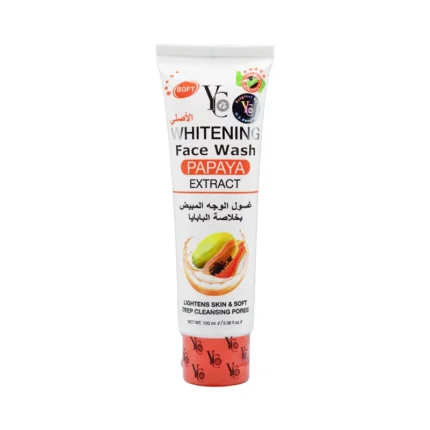
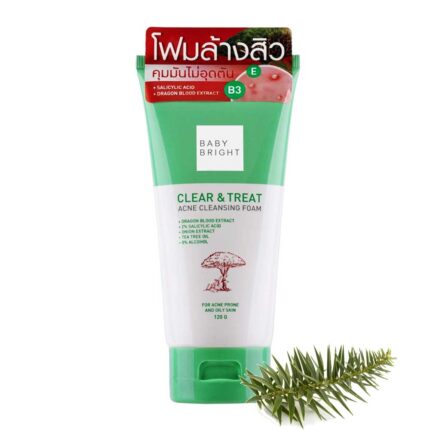 Sale
SaleOriginal price was: ৳ 1,050.00.৳ 799.00Current price is: ৳ 799.00.
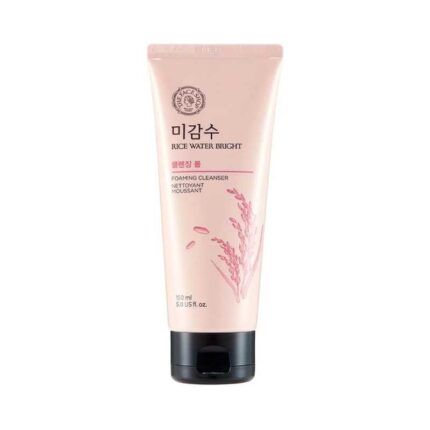 Sale
SaleOriginal price was: ৳ 1,380.00.৳ 960.00Current price is: ৳ 960.00.
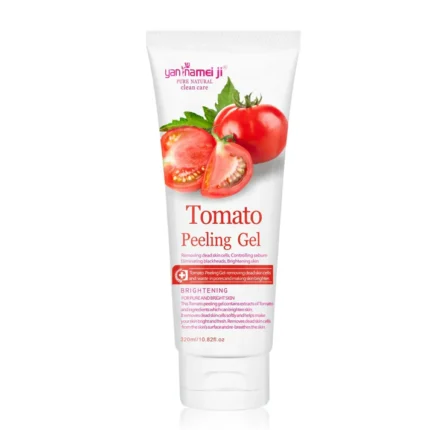 Sale
SaleOriginal price was: ৳ 1,299.00.৳ 999.00Current price is: ৳ 999.00.
Understanding How Malic Acid Benefits Your Skin
The primary benefit of malic acid in skincare is its ability to provide effective yet mild exfoliation. As an exfoliating acid ingredient, it helps to remove the buildup of dead skin cells that can clog pores, dull the complexion, and contribute to an uneven texture. By promoting this natural shedding process, malic acid encourages skin cell renewal, leading to a smoother, more refined skin surface. Furthermore, it contributes to a brighter skin tone by reducing the appearance of dark spots and hyperpigmentation over time. Its humectant properties also allow it to draw moisture into the skin, supporting hydration levels and preventing excessive dryness often associated with other exfoliants.
The Science Behind Malic Acid’s Exfoliating Action
At a cellular level, malic acid functions by disrupting the desmosomes, which are the adhesive structures holding skin cells together. When these bonds are weakened, dead skin cells can detach more easily from the skin’s surface. This process is crucial for preventing pore blockages and promoting a clearer complexion. Research indicates that malic acid’s specific molecular structure, with its dicarboxylic acid nature, allows it to perform this exfoliation effectively while often causing less irritation than AHAs like glycolic acid. Its ability to stimulate collagen production has also been noted in some dermatological studies, though this effect is generally more pronounced with higher concentrations or combination therapies. The ongoing cell turnover facilitated by this apple derived acid results in continuous skin revitalization.
Comparing Malic Acid with Other Alpha Hydroxy Acids
When considering AHAs, malic acid often gets compared to glycolic and lactic acids. Glycolic acid, with its small molecular size, penetrates deeply and offers potent exfoliation, which can be irritating for sensitive skin. Lactic acid is larger than glycolic but smaller than malic, offering good exfoliation with hydrating benefits. Malic acid, as the largest of the three, provides the gentlest exfoliation. This characteristic makes it particularly suitable for individuals with sensitive skin types or those who find stronger AHAs too harsh. While it may take a little longer to see dramatic results compared to glycolic acid, the reduced risk of irritation makes it an excellent choice for consistent, long-term use. Industry data suggests a growing preference for milder exfoliants in daily skincare routines.
Who Should Consider Incorporating Malic Acid?
Malic acid is a versatile ingredient that can benefit a wide range of skin types. It is particularly well-suited for individuals with sensitive skin who are prone to irritation from stronger exfoliants. Those struggling with dullness, uneven skin tone, or mild textural irregularities will find its gentle exfoliating properties beneficial. People experiencing dry skin can also appreciate malic acid’s humectant qualities, which help maintain hydration while exfoliating. Furthermore, if you are new to acid exfoliation and want to introduce your skin slowly, products containing this apple derived acid serve as an excellent starting point. According to dermatological recommendations, starting with milder acids is key for building tolerance.
Integrating Malic Acid into Your Daily Skincare Routine
Incorporating malic acid into your skincare routine is straightforward. It can be found in various product forms, including cleansers, toners, serums, and masks. For a gentle introduction, begin by using products with lower concentrations a few times a week. Observe how your skin responds before gradually increasing frequency. Always apply sunscreen diligently during the day, as all AHAs can increase sun sensitivity. Serums containing this exfoliating acid ingredient can be applied after cleansing and toning, followed by your moisturizer. When using a mask, follow the product’s specific instructions for application time and rinsing. Consistency is crucial for seeing the best results over time.
Finding the Right Concentration and Product Formulation
The effectiveness and tolerability of malic acid largely depend on its concentration and the product’s overall formulation. In many over-the-counter products, malic acid concentrations typically range from 1% to 5%. Lower concentrations are excellent for daily use and sensitive skin, while higher percentages might be found in weekly treatments or peels. It is often formulated with other soothing or hydrating ingredients to minimize potential irritation. Look for products that clearly state the percentage of malic acid. Reputable brands often provide transparency about their ingredient lists and concentrations. Consulting with a skincare professional can help you choose the most appropriate formulation for your specific skin concerns and type.
Potential Side Effects and Important Precautions
While malic acid is known for its gentle nature, it is still an acid, and some individuals may experience mild side effects, especially during initial use. These can include slight redness, tingling, or a feeling of tightness. These sensations are generally temporary and subside as the skin adjusts. However, if irritation becomes persistent or severe, discontinue use immediately. Always perform a patch test on a small, inconspicuous area of skin before applying a new malic acid product to your entire face. Strict adherence to sunscreen use is paramount, as exfoliated skin is more vulnerable to sun damage. Avoid combining malic acid with other strong active ingredients like retinoids or vitamin C without professional guidance to prevent over-exfoliation.
Malic Acid in Combination with Other Skincare Ingredients
Malic acid can be effectively paired with several other skincare ingredients to enhance its benefits or mitigate potential side effects. For increased hydration, it combines well with hyaluronic acid and glycerin. To boost antioxidant protection, consider using it alongside vitamin E or ferulic acid. If your goal is enhanced exfoliation without excessive harshness, malic acid is often found in formulations with other AHAs like lactic acid, creating a synergistic effect. However, exercise caution when pairing it with strong actives such as retinoids, high-strength vitamin C, or other powerful exfoliating acid ingredient products. Always introduce new combinations slowly and monitor your skin’s reaction to avoid irritation or over-exfoliation. Consulting a dermatologist for personalized advice is always recommended.
Exploring the Broader Benefits Beyond Exfoliation
While exfoliation remains its primary claim to fame, malic acid offers several other noteworthy benefits for skin health. Its humectant properties contribute significantly to skin hydration, helping to attract and retain moisture. This can result in a plumper, more supple complexion. Furthermore, some preliminary research suggests that malic acid possesses antioxidant properties, which can help neutralize free radicals that contribute to premature skin aging. By supporting cellular health and protecting against environmental stressors, this apple derived acid contributes to overall skin resilience. The comprehensive effect of improved texture, brighter tone, and enhanced hydration makes it a valuable multi-tasking ingredient.
Malic Acid for Promoting a More Even Skin Tone
One of the most sought-after benefits of malic acid is its ability to help achieve a more even skin tone. By facilitating the shedding of pigmented surface cells, it gradually reduces the appearance of hyperpigmentation, such as sun spots, age spots, and post-inflammatory hyperpigmentation (PIH) left after acne breakouts. Regular use of products containing this exfoliating acid ingredient can lead to a noticeable improvement in skin clarity and a more uniform complexion. The gentle nature of malic acid means that these improvements can be achieved without the heightened risk of irritation or post-inflammatory hyperpigmentation that can sometimes accompany stronger exfoliating treatments. Consistency is key for achieving these tone-evening benefits.
Understanding Malic Acid’s Role in Anti-Aging Skincare
While not as potent as some other anti-aging ingredients, malic acid still plays a valuable role in a comprehensive anti-aging strategy. Its exfoliating action stimulates cellular renewal, which naturally slows down as we age. By accelerating this process, malic acid helps to reduce the appearance of fine lines and superficial wrinkles, contributing to a smoother skin surface. Additionally, improved cell turnover can enhance the skin’s radiance, giving it a more youthful glow. The potential antioxidant benefits further support skin health by protecting against environmental damage. For an anti-aging routine, malic acid works synergistically with other ingredients to maintain skin vitality and resilience.
Natural Sources and Sustainable Sourcing of Malic Acid
Beyond apples, malic acid is naturally present in a variety of other fruits, including grapes, cherries, and cranberries, as well as some vegetables. For commercial skincare production, malic acid can be derived from these natural sources or synthesized. The focus on natural and sustainable sourcing practices is increasing within the beauty industry. Many brands prioritize obtaining this apple derived acid from renewable plant-based resources. Consumers are increasingly looking for transparent sourcing information, and brands that highlight their ethical and sustainable practices tend to gain trust. The availability of both natural and synthetic forms allows for diverse product development while ensuring consistent quality and supply for this valuable exfoliating acid ingredient.
What to Expect: Consumer Perspective and Results
For individuals integrating malic acid into their routines, realistic expectations are important. While some might notice immediate improvements in skin smoothness and brightness, significant changes in tone and texture typically emerge over several weeks of consistent use. The gentle nature of this exfoliating acid ingredient means results build gradually. Consumers often report a softer, more hydrated feel to their skin, along with a reduction in minor imperfections. Patience is a virtue when using milder AHAs. Monitoring your skin’s progress through before-and-after photos can help you appreciate the subtle yet impactful transformations malic acid can bring to your complexion over time.
Addressing Specific Skin Concerns with Malic Acid
Malic acid can be a targeted solution for several specific skin concerns. For those with bumpy texture or keratosis pilaris on the body, malic acid body lotions can help smooth the skin. Individuals struggling with clogged pores but having sensitive skin might find malic acid a suitable alternative to stronger pore-clearing ingredients. It can also be beneficial for mild cases of hyperpigmentation or dull skin that needs a gentle boost of radiance. While it may not be the primary treatment for severe acne or deep wrinkles, its role as a supportive exfoliating acid ingredient in a comprehensive regimen should not be underestimated. According to skincare specialists, milder acids can be excellent for long-term maintenance.
Malic Acid: A Hydrating Exfoliant Option
Unlike some other exfoliants that can strip the skin of moisture, malic acid offers a unique advantage due to its humectant properties. This means it has the ability to attract and bind water molecules to the skin, thereby enhancing hydration levels. This dual action of exfoliation and moisture retention makes it an excellent choice for individuals who experience dryness or dehydration, even when seeking to improve skin texture. The skin remains feeling supple and comfortable, rather than tight or parched, which is a common concern with more aggressive exfoliating acid ingredient products. Maintaining the skin’s natural moisture barrier is paramount for overall skin health.
The Future of Malic Acid in Skincare Innovation
The role of malic acid in skincare continues to evolve with ongoing research and product innovation. There’s a growing interest in synergistic formulations that combine malic acid with other gentle actives to maximize benefits while minimizing irritation. Future developments might include encapsulated forms for targeted delivery or novel applications in anti-pollution skincare. As consumers increasingly seek effective yet gentle solutions, this apple derived acid is poised to become an even more prominent player in the market. Industry experts predict a continued rise in demand for ingredients that support skin barrier health while delivering noticeable improvements in appearance. The versatility of malic acid makes it a prime candidate for future product lines focusing on sensitive or reactive skin types.
Frequently Asked Questions
What is malic acid best for in skincare?
Malic acid is best known for providing gentle exfoliation, improving skin texture, and promoting a more even skin tone. It is particularly suitable for sensitive skin due to its larger molecular size and slower penetration.
Is malic acid stronger than lactic acid?
No, malic acid is generally considered gentler than lactic acid. While both are AHAs, lactic acid has a smaller molecular size, allowing for deeper penetration and often more potent exfoliation.
Can I use malic acid every day?
Depending on the product’s concentration and your skin’s tolerance, malic acid can often be used daily. However, it’s best to start with a few times a week and gradually increase frequency, always observing your skin’s reaction.
Does malic acid help with acne?
Malic acid can indirectly help with acne by gently exfoliating the skin and preventing pore blockages. While not a primary acne treatment, its exfoliating acid ingredient action can support clearer skin, especially for mild breakouts.
Final Thoughts
Ultimately, malic acid offers a compelling solution for achieving a smoother, brighter, and more radiant complexion without compromising skin comfort. As a gentle, apple derived acid, it provides effective exfoliation, promotes even skin tone, and supports hydration, making it an excellent choice for a diverse range of skin types, particularly those with sensitivities. By understanding its unique properties and incorporating it thoughtfully into your regimen, you can unlock the transformative power of malic acid, revealing visibly healthier skin. Embrace this versatile ingredient for a consistent, gentle path to improved skin vitality.