
Magnetic Wallet: Features, Reviews & Buying Guide

Magnetic Wallets changed how people carry cards and cash. They combine sleek design with secure magnetic closures and quick access. This guide covers magnetic wallet features, magnetic wallet specs, price ranges, and practical buying tips. Read this magnetic wallet review to decide which model fits your needs.
What is a Magnetic Wallet and Why It Matters
A magnetic wallet uses built-in magnets to close, align, or hold cards in place. Designers use rare-earth or neodymium magnets for strong attraction. A quality magnetic wallet keeps cards secure and easy to access. It also reduces wear on clasps and zippers.
- Compact profile replaces bulky bifolds.
- Fast card access reduces fumbling.
- Magnetic closures avoid mechanical failure.
Recommended Products


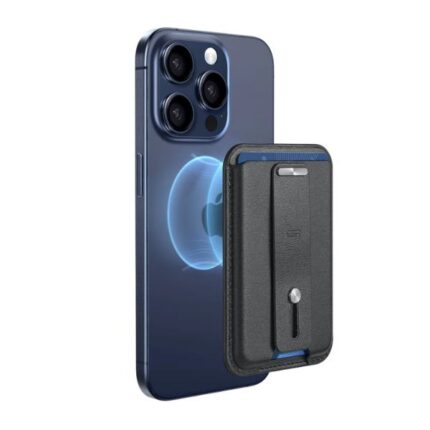

Magnetic Wallet Features and Magnetic Wallet Specs
Designers list core magnetic wallet features on product pages. Typical magnetic wallet specs include magnet type, card capacity, material, RFID protection, and weight. Check each spec before you buy.
- Magnet Type: Neodymium magnets are common and powerful.
- Card Capacity: Ranges from 4 to 12 cards depending on style.
- Material: Leather, metal, fabric, or composite materials.
- RFID Protection: Blocks skimming for contactless cards.
- Dimensions and Weight: Key for pocket comfort.
Example: A slim magnetic wallet might list specs as “neodymium magnets, 6-card capacity, full-grain leather, RFID blocking, 65 g.” Those specs tell you how it performs daily.
How Magnetic Wallets Work: Practical Details
Magnets sit inside seams, pockets, or a metal card tray. Smart placement prevents card stack shifting. Good designs avoid magnet contact with chip readers. Manufacturers add shielding where needed.
- Card Trays: Slide cards into a tray that fans out on press.
- Folding Flap: A magnetic flap seals the main pocket.
- Edge Magnets: Hold two halves together without bulk.
Tip: Test a sample for magnet strength and ease of use before full commitment. A wallet with too-strong magnets can make card removal awkward. Weak magnets fail to secure the wallet in your pocket.
Magnetic Wallet Review: What to Look For
When you read a magnetic wallet review, look for hands-on testing. A good review tests card access, magnetic durability, and material longevity. Reviews should report real-world use over weeks or months.
- Ease of access: Can you retrieve cards with one hand?
- Magnetic strength: Does the closure hold during daily movement?
- Build quality: Do seams and edges resist wear?
- Security: Does RFID blocking work as claimed?
Case study: A popular model scored high for materials and low for magnet placement. Users loved the feel but reported occasional card slippage. That feedback guided an improved second version.
Magnetic Wallet Price: How Much Should You Pay?
Magnetic wallet price varies by material and brand. Expect simple fabric or aluminum models under $30. Mid-range leather or hybrid wallets fall between $40 and $90. Premium models from established brands cost $100 or more.
- Budget options: $20–$40 for basic magnetic functionality.
- Mid-range options: $40–$90 for leather and added features.
- Premium options: $100+ for luxury materials and brand warranty.
Tip: Balance price with expected lifespan. A wallet with full-grain leather and quality stitching often lasts years. A cheaper option might wear in months. Consider a warranty or brand reputation when paying a premium.
Best Magnetic Wallet: Top Use Cases and Recommendations
There is no single best magnetic wallet for everyone. Choose by how you use it. Below are suggestions by lifestyle.
- Everyday carry: Slim leather with 6-card capacity and RFID blocking.
- Frequent traveler: TSA-friendly design and extra cash pocket.
- Minimalist: Metal card tray with magnet release and small cash clip.
- Active users: Water-resistant fabric and secure magnetic closure.
Example: If you carry many cards, choose a model labeled “expandable” or “high-capacity.” If you prefer a slim profile, pick a metal tray with a quick-release mechanism.
Magnetic Wallet Buying Guide: Step-by-Step
This magnetic wallet buying guide outlines steps to compare models logically. Follow these steps before you buy.
- Step 1: List your must-haves: capacity, material, and security.
- Step 2: Check magnetic wallet specs for magnet type and shielding.
- Step 3: Read multiple magnetic wallet review sources for consistency.
- Step 4: Compare magnetic wallet price against materials and warranty.
- Step 5: Test access and comfort if you can handle a sample.
Advice: Prioritize durability and daily comfort. A slightly higher price for better materials can reduce replacement costs.
Maintenance and Care for Magnetic Wallets
Proper care extends a wallet’s life. Leather benefits from periodic conditioning. Metal trays resist moisture but can scratch. Clean fabric wallets with mild soap and air dry.
- Keep magnets away from sensitive electronics, such as hard drives.
- Test RFID claims with a contactless card at a retailer.
- Replace if stitching frays or magnets weaken noticeably.
Example: Condition leather twice a year. Use a small cloth and a recommended leather conditioner. Rotate wallets if you carry heavy card loads to avoid permanent stretching.
Safety and Magnetic Interference Concerns
People worry that magnets will damage cards or electronics. Modern credit cards have magnetic stripes and chips. The chip sits behind a plastic layer and resists strong magnetic fields. Most magnetic wallets use shielded magnets that do not harm chips.
- Contactless cards use NFC. NFC uses radio waves rather than magnetic fields.
- RFID-blocking layers help prevent skimming, not magnet damage.
- Medical devices: Consult a physician if you or a family member uses a pacemaker.
Recommendation: Avoid placing strong magnets near old magnetic stripe-only cards. For peace of mind, keep medical devices at a safe distance from any magnet.
Frequently Asked Questions
Are magnetic wallets safe for credit cards? Magnetic wallets designed for wallets typically protect cards. Manufacturers use shielding and proper magnet placement. Most modern cards remain safe when carried in a magnetic wallet.
How long do magnetic wallets last? Lifespan depends on materials and use. Quality leather or metal wallets last several years. Fabric models may show wear sooner. Proper care extends longevity.
Do magnetic wallets interfere with smartphones? They rarely affect smartphones. Phone cases and internal shielding usually prevent interference. Keep strong magnets away from devices if you notice odd behavior.
Can I use a magnetic wallet while traveling? Yes. Choose a travel-friendly model with additional pockets and RFID protection. Verify TSA rules for metal content in wallets if you pass through security often.
What is the best magnetic wallet for heavy card users? Look for models described as high-capacity or expandable. Metal card trays often handle many cards without stretching. Check magnetic wallet review notes for real capacity tests.
Conclusion
Choosing a Magnetic Wallet requires balancing capacity, materials, and price. Use this magnetic wallet buying guide to compare features and specs. Read several magnetic wallet review sources and test a sample when possible. With the right choice, a magnetic wallet will simplify daily carry, protect your cards, and last for years.