
Kelp Extract Benefits for Skin & Hair

Dry, sensitive, or dull skin can make getting ready feel like a chore. Kelp Extract appears in more skincare labels, promising hydration and a fresher look. Many shoppers want clear facts about how this sea-derived ingredient works and whether it fits their routine.
What is Kelp Extract?
Kelp Extract comes from large brown seaweeds that grow in cold ocean waters. Chemically, it delivers minerals, polysaccharides, and vitamins that plants and skin cells can use. Studies show that seaweed extracts can support hydration and mild antioxidant activity on skin.
Recommended Products
 Sale
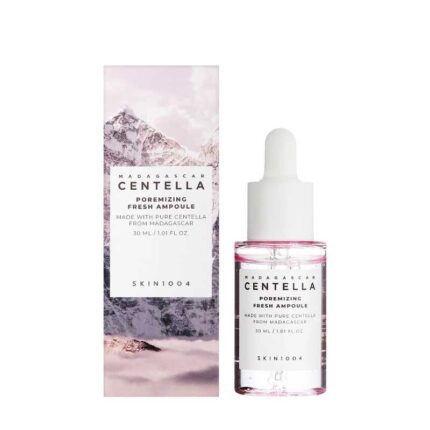
SaleOriginal price was: ৳ 2,920.00.৳ 2,040.00Current price is: ৳ 2,040.00.
 Sale
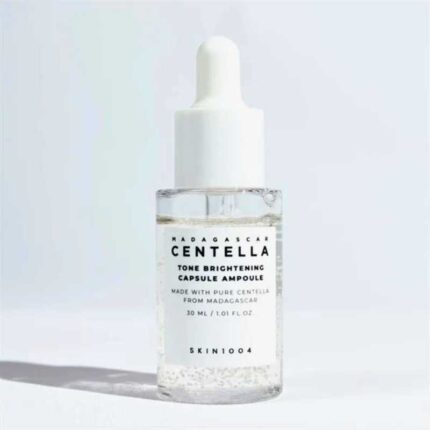
SaleOriginal price was: ৳ 2,620.00.৳ 1,834.00Current price is: ৳ 1,834.00.
 Sale
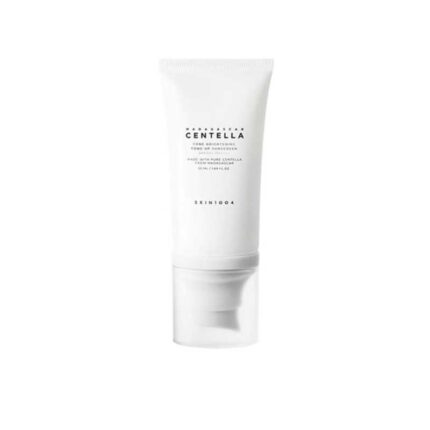
SaleOriginal price was: ৳ 1,200.00.৳ 840.00Current price is: ৳ 840.00.
 Sale
SaleOriginal price was: ৳ 2,000.00.৳ 1,400.00Current price is: ৳ 1,400.00.
How Kelp Extract Works on Skin
Kelp Extract binds water and helps the skin surface retain moisture. This effect comes from natural sugars called polysaccharides that form a light film on skin. As a result, skin can feel smoother and less tight after application.
Hydration and Moisture Retention
Because polysaccharides attract water, kelp helps hydrate the outer layer of skin. Regular use can support skin barrier function and reduce water loss. That means makeup and other products may sit better on hydrated skin.
Minerals and Nutrient Delivery
Kelp delivers minerals such as iodine, potassium, and trace elements that support cell function. Research indicates minerals from seaweed can help maintain healthy skin metabolism. For example, minerals may support the enzymes that manage hydration and repair.
Soothing and Anti-inflammatory Effects
Some people find products with kelp calm redness and irritation. This benefit likely comes from polyphenols and other mild anti-inflammatory compounds. Dermatologists recommend gentle approaches for sensitive skin, and kelp formulas often aim for that goal.
Key Nutrients and the Detoxifying Mineral Compound Role
Kelp holds a mix of minerals, amino acids, vitamins, and polysaccharides that make it a valued topical ingredient. Because the seaweed contains elements that help draw out impurities, manufacturers sometimes call it a detoxifying mineral compound. This phrase refers to kelp’s knack for supporting skin clarity through mineral balance and mild exfoliation.
Research shows that balanced minerals on the skin surface can affect oil levels and pore appearance. For example, potassium helps manage hydration while trace elements support enzyme activity. When used correctly, kelp may contribute to a clearer complexion without harsh stripping.
Brown Algae Skincare Ingredient: Uses and Benefits
As a brown algae skincare ingredient, kelp provides multiple cosmetic benefits beyond hydration. It can act as a film-former, antioxidant source, and mild conditioning agent for both skin and hair. Many formulas for cleansers, serums, masks, and conditioners now include kelp because of its broad utility.
For example, kelp can improve the spread and feel of creams while boosting the perception of moisture. Brands often pair kelp with humectants like glycerin for added hydration. When shoppers compare labels, kelp often appears alongside other gentle, skin-friendly actives.
Scientific Support and Expert Opinions
Studies show that seaweed extracts exhibit antioxidant properties and can support skin hydration. Dermatologists and formulators often recommend seaweed-derived ingredients for their gentle profile. That said, professionals stress the value of product formulation over any single ingredient.
Because formulation affects results, a well-balanced product with kelp can outperform a high-percentage kelp product that lacks supportive ingredients. This means consumers should check full ingredient lists and choose formulas designed for their skin type.
How to Read Labels and Choose Kelp Products
Look for kelp listed as kelp extract, seaweed extract, or specific species names like Laminaria digitata. Packaging that lists kelp near the top suggests a higher concentration. Still, ingredient order does not tell the whole story, because brands may include small but effective amounts.
When shopping, check for complementary ingredients like humectants, mild emollients, and preservatives that keep the formula stable. For example, glycerin and hyaluronic acid pair well with kelp to boost water attraction. That combination often offers visible moisture with low risk of irritation.
Which Product Types Use Kelp Extract?
Kelp Extract appears in cleansers, serums, masks, moisturizers, and hair conditioners. Each product type uses kelp differently to achieve texture and performance goals. For instance, a mask may rely on kelp for gentle mineral-rich absorption, while a serum uses it for lightweight hydration.
Because hair care benefits from conditioning agents, kelp appears in shampoos and conditioners to smooth and detangle. Many people report softer hair and less static when using kelp-enriched conditioners regularly. Still, results vary by formula and hair type.
How Much Kelp Extract Should a Product Contain?
No universal concentration guarantees results, because formulations differ widely in design and purpose. Low concentrations can still help if paired with effective carriers and humectants. Conversely, high concentrations may feel heavy or smell strong unless balanced with masking ingredients.
For practical shopping, favor products that list kelp near other beneficial actives and include supportive moisturizing ingredients. That approach increases the chance of a pleasant texture and visible benefit without unnecessary irritation.
Patch Testing and Safety Tips
Because sea-derived ingredients can cause reactions in a small number of users, patch testing is wise. Apply a pea-sized amount to a clean area on the inner forearm and watch for 24 to 48 hours. If redness, itching, or swelling appears, stop use and consult a clinician.
People with iodine sensitivity or thyroid conditions should consult a healthcare provider before heavy use, since kelp contains iodine. That said, topical application usually poses lower systemic risk than oral supplements. Still, caution protects health and comfort.
Common Misconceptions About Kelp Extract
Some shoppers think kelp will instantly clear acne or reverse aging by itself. While kelp supports hydration and antioxidant defense, it does not act as a standalone acne cure. Evidence suggests kelp can complement acne-friendly routines but should not replace targeted actives like benzoyl peroxide or retinoids when needed.
Another myth says kelp always causes irritation due to salt content. In reality, properly processed kelp extract removes most free salts and concentrates beneficial compounds. That processing makes it suitable for many skin types, including some with sensitivity.
Combining Kelp Extract with Other Ingredients
Kelp pairs well with humectants, ceramides, niacinamide, and gentle exfoliants. When combined, these ingredients can hydrate, strengthen the barrier, and reduce visible pores. For example, pairing kelp with niacinamide supports tone and texture while keeping hydration steady.
However, mixing many active ingredients at once can increase irritation risk for sensitive skin. If you plan to add acids or strong retinoids, introduce kelp products slowly. That strategy helps you find a tolerable routine that still offers benefits.
Benefits for Hair and Scalp
Applied to hair, kelp can condition strands and smooth the cuticle, which helps shine and manageability. On the scalp, kelp’s mineral mix can support a balanced environment, which some people find reduces flakiness. Research indicates seaweed extracts can improve moisture retention in hair fibers.
When choosing a kelp conditioner, pick one with mild surfactants and additional conditioning agents. That combination gives slip and nourishment without stripping natural oils. As a result, hair often looks healthier and feels softer after a few washes.
Sustainable Sourcing and Environmental Impact
Sustainably harvested kelp supports coastal ecosystems and reduces pressure on wild beds. Certification programs and responsible brands can help consumers choose products that respect marine habitats. Research into seaweed farming shows that well-managed cultivation can benefit local biodiversity and carbon capture.
For example, farms that rotate harvests and avoid dredging protect seafloor communities. When possible, look for brand claims about ethical sourcing or third-party verification. That practice encourages better industry standards and protects ocean resources.
DIY Uses and Home Remedies
Some people enjoy DIY masks or rinses that include powdered kelp blended with water or aloe. These homemade options can offer temporary tightening and mineral support for skin and hair. Still, home preparations often lack preservatives, so use them quickly and keep containers clean.
If you try a DIY recipe, measure carefully and avoid concentrated extracts near eyes or open wounds. A small patch test is especially important for homemade mixtures. That simple step prevents unwanted reactions and keeps DIY routines enjoyable.
What to Expect After First Use
After the first application, many users report improved skin feel and less dryness. Immediate effects often include a smoother surface and reduced tightness. Over weeks, consistent use may enhance hydration and boost skin comfort.
Because skin renews slowly, long-term benefits like improved texture or reduced redness may take a few weeks. Track changes by taking photos and noting how your skin reacts to other products. That method helps you decide if the kelp product fits your routine.
Choosing Between Kelp Extract and Other Seaweed Types
Kelp differs from other seaweeds like spirulina or red algae in its nutrient profile and texture. Kelp tends to provide a richer mix of minerals and heavier polysaccharides. Brands select specific seaweeds for particular performance goals, such as film-forming or light antioxidant action.
For example, formulators may pair kelp with red algae extracts to add color-protecting antioxidants for hair. When evaluating products, read ingredient lists to understand which algae types are present and why. That insight helps you match products to your needs.
Price Considerations and Value
Not all kelp products cost the same, and price does not always equal quality. Some affordable brands use effective kelp concentrations and well-chosen carrier ingredients. Conversely, expensive items can rely on marketing while offering little extra performance.
To find value, compare ingredient lists, check for supportive moisturizers, and read user feedback. Also, small trial sizes or samples can help you test a product before committing to a full-size purchase. That strategy minimizes waste and helps you find a good match.
Real User Experiences and What They Report
Many users describe softer skin and reduced dryness after adding kelp products to their routines. Others praise improved hair manageability and reduced frizz with kelp conditioners. At the same time, a minority report sensitivity or mild irritation, which underscores the need for patch testing.
Because personal experience varies, consider your skin type and history when testing new products. If you have rosacea or severe eczema, consult a dermatologist before adding new botanical extracts. Professionals can help you choose safe and effective options tailored to your needs.
How Often Should You Use Kelp Extract Products?
Frequency depends on the product type and your skin tolerance. Lightweight serums and moisturizers with kelp can often be used daily, while masks may suit weekly use. Start with fewer applications and increase slowly if your skin tolerates the product well.
For hair, conditioners and leave-in treatments may be used regularly, while clarifying masks belong to a less frequent routine. Listen to how your skin and hair respond and adjust use accordingly. That adaptive approach avoids overuse while maximizing benefits.
Label Terms to Watch For
Look for terms like “seaweed extract,” “kelp extract,” or specific species names to confirm presence. Avoid vague phrasing that hides the ingredient, and note if brands list synthetic fragrances high in the ingredient order. Those fragrances can irritate sensitive skin and mask kelp’s natural scent.
Also check for preservatives and stabilizers that keep aqueous kelp extracts safe. A well-formulated product balances active plant extracts with mild preservatives to prevent spoilage. That balance preserves both safety and performance over time.
Regulatory and Allergy Considerations
Topical kelp products generally fall under cosmetic regulations, which vary by region. Brands must meet safety and labeling rules, and reputable companies conduct stability and irritation testing. If you have known allergies to seaweed or iodine, seek medical advice before use.
Patch testing remains the simplest safety step for new topical products. Keep records of reactions and product batch numbers if you experience issues, so you can report them to a health professional or consumer body. That documentation helps clarify cause and prevent future reactions.
Travel and Storage Tips for Kelp Products
Store kelp-containing items away from direct heat and sunlight to preserve active compounds. Most products last six to twelve months after opening, depending on preservatives and packaging. Travel-size containers help you test products while maintaining freshness.
If a product changes color or develops a strange odor, stop use and discard it. Proper storage keeps the formula stable and reduces the risk of irritation or reduced efficacy. That simple care extends the life of your favorite items.
Signs a Kelp Product Is Working
Look for softer skin, reduced flaking, and smoother texture as early signs of benefit. Over time, you may notice more even tone and less visible dryness. For hair, expect reduced tangling and improved shine with continued use.
Track progress by noting feel after cleansing and before bed, because hydration changes often show at those times. If you do not see improvement after several weeks, try a different formulation or consult an expert for tailored advice.
How Kelp Extract Fits into Different Routines
For oily or acne-prone skin, use lightweight kelp serums paired with non-comedogenic moisturizers. For dry skin, choose richer creams that contain kelp plus humectants and emollients. For combination skin, spot-apply heavier products and use lighter options where oiliness occurs.
Hair routines benefit from kelp in leave-in treatments when hair needs daily conditioning. Pair conditioners with occasional deep-conditioning masks for weekend care. That flexible approach lets you adapt kelp use to your daily needs.
Frequently Asked Questions
Is Kelp Extract safe for sensitive skin?
Many people with gentle skin types tolerate kelp well, because it often appears in mild formulas. However, perform a patch test first and watch for irritation over 24 to 48 hours. If you react, stop use and consult a dermatologist for alternatives.
Can Kelp Extract help with acne?
Kelp can support hydration and balance oil without harsh stripping, which can help acne-prone skin when used alongside targeted treatments. It does not replace acne medications but can complement them. Speak with a skincare professional for a combined plan.
Will Kelp Extract affect thyroid function?
Topical kelp contains trace iodine, but topical use typically leads to minimal systemic absorption. People with thyroid conditions should consult their doctor before regular, heavy use. That precaution ensures safe integration with medical care.
Does kelp work better in masks or serums?
Both formats offer benefits: masks provide a concentrated, short-term boost, while serums deliver ongoing hydration. Choose based on your routine and tolerance, and alternate if you want both immediate and sustained effects. That method gives flexibility and steady results.
Final Thoughts
Kelp Extract offers mineral-rich hydration and mild antioxidant support that can enhance both skin and hair routines. For reliable results, choose well-formulated products that pair kelp with humectants and calming agents. Try a patch test, start slowly, and pick a product that matches your skin type for the best outcome.