
Hydroxyethyl Urea: Moisture Boost Ingredient

Dry, tight skin can feel uncomfortable and age your appearance quickly. Hydroxyethyl Urea helps skin keep moisture and feel softer after regular use. This ingredient has gained attention for gentle hydration and easy mixing into daily products.
What is Hydroxyethyl Urea?
Hydroxyethyl Urea is a water-attracting molecule made from urea and small chemical changes. As a result, it behaves like a humectant and soothes skin without a sticky feel. Studies show urea derivatives offer improved hydration compared with some simple humectants.
Because the compound is water-loving, it stays in the outer skin layer and helps bind moisture there. Dermatologists recommend humectants for dry skin care, and Hydroxyethyl Urea often appears in lotions and serums. Research indicates that it blends well with glycerin and other common hydrators.
Recommended Products
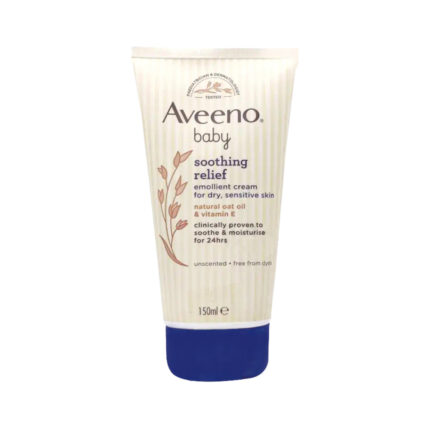 Sale
SaleOriginal price was: ৳ 2,300.00.৳ 1,490.00Current price is: ৳ 1,490.00.
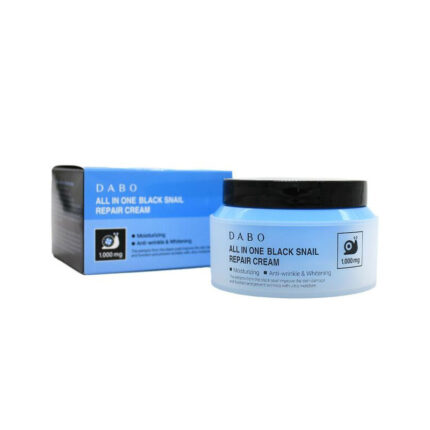
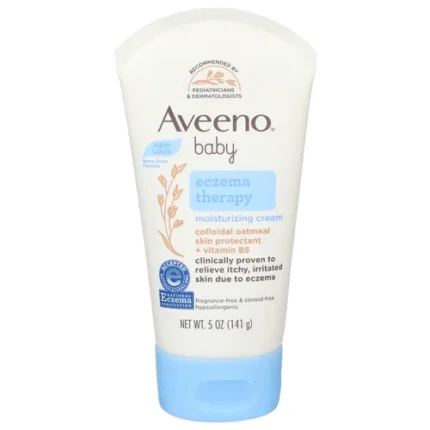 Sale
SaleOriginal price was: ৳ 2,500.00.৳ 1,990.00Current price is: ৳ 1,990.00.
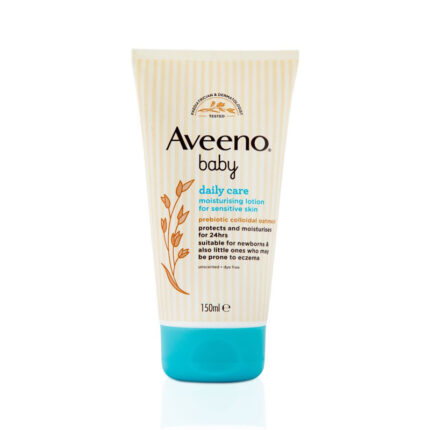 Sale
SaleOriginal price was: ৳ 1,400.00.৳ 890.00Current price is: ৳ 890.00.
How Hydroxyethyl Urea Works on Skin
Hydroxyethyl Urea acts by attracting water from the environment and by holding water inside the top skin layer. That is why skin feels plumper and less flaky after application. When combined with occlusives, it helps reduce visible dryness more effectively.
For example, the molecule increases the skin’s water content at the surface and within the stratum corneum, the outermost layer. Studies show that repeated use can improve skin smoothness and reduce rough patches. Dermatologists often pair it with barrier-repair lipids to boost results.
Benefits of Hydroxyethyl Urea for Skin
Hydroxyethyl Urea provides fast hydration and long-term moisture retention for many skin types. Because it is gentle, people with sensitive skin often tolerate it well. Clinical reports note fewer irritations than with some stronger exfoliants or actives.
As a humectant skincare compound, it supports the skin’s natural hydration network and reduces the need for heavy oils. This means makeup can sit on skin more smoothly and dry patches become less visible. Users often report softer texture and improved comfort after two to four weeks.
Who Should Use Hydroxyethyl Urea?
People with dry or dehydrated skin will notice the most benefit from Hydroxyethyl Urea. While oily skin can also use it, pairing with a lightweight moisturizer works best. Dermatologists recommend humectants for anyone dealing with seasonal dryness or tightness.
Since the ingredient is mild, older adults with thinning skin often find it helpful for comfort and appearance. For example, those with mild eczema may see relief when this is combined with prescribed topical lipids. Still, anyone with active dermatitis should consult a clinician first.
Hydroxyethyl Urea Compared to Other Humectants
Hydroxyethyl Urea shares traits with glycerin and hyaluronic acid but differs in feel and water-binding strength. Studies show that blends of humectants often work better than a single ingredient. That means combining Hydroxyethyl Urea with others can yield fuller hydration.
When compared to pure urea, Hydroxyethyl Urea tends to be less irritating at similar concentrations. Because of that, formulators choose it for everyday products. Research indicates that pairing it with humectant skincare compound like glycerin reduces transepidermal water loss more effectively.
How to Use Hydroxyethyl Urea in Your Routine
Start with products that list Hydroxyethyl Urea high on the ingredient list for noticeable effect. For best results, apply to damp skin so the molecule can attract water immediately. After that, layer a moisturizer to lock moisture in place.
When you switch products, watch for changes in skin texture and comfort over two weeks. If dryness persists, use it with ceramides or fatty acids to support the barrier. That is why pairing it with an occlusive after the humectant step often gives the best long-term hydration.
Formulations and Concentrations to Expect
Typical over-the-counter products include Hydroxyethyl Urea at low to moderate concentrations, often under five percent. Clinical products may use slightly higher amounts while keeping formulas gentle. Industry notes advise that even small amounts can be effective when combined with other hydrators.
Because manufacturers balance efficacy and feel, a serum may contain higher levels than a cream. Consumers can look for the ingredient near the top of the list for a more potent product. Still, higher concentration does not always equal better results for sensitive skin.
Common Product Types That Include Hydroxyethyl Urea
Hydroxyethyl Urea appears in moisturizers, serums, cleansers, and leave-on masks. When found in a cleanser, it helps prevent stripping the skin during washing. Dermatologists recommend hydrators in rinse-off products to reduce tightness after cleansing.
For example, night creams with this ingredient can work while skin repairs during sleep. That means you may wake up with softer, less flaky skin. Many brands now list it as a selling point for gentle hydration in targeted ranges.
Safety and Side Effects
Hydroxyethyl Urea is generally well tolerated, with low irritation in most users. Studies show minimal adverse effects when used in standard cosmetic concentrations. However, a patch test is wise for people with very reactive skin.
Although rare, allergic reactions can occur, so stop use if you see redness or swelling. Because product formulas vary, check the full list for known personal triggers. If severe symptoms appear, seek medical help promptly.
How Hydroxyethyl Urea Helps Specific Skin Concerns
For mature skin, Hydroxyethyl Urea can ease visible dryness and create a plumper look. Research indicates improved surface hydration helps reduce the look of fine lines. Many dermatologists suggest adding a humectant to anti-aging routines to support texture.
For acne-prone skin, lighter formulations with this ingredient can hydrate without adding heavy oils. That means you may avoid pore-clogging while still addressing dehydration. When acne treatments dry skin out, pairing with a gentle humectant skincare compound helps maintain comfort.
Choosing Products: Labels and Marketing Claims
Look for product labels that list Hydroxyethyl Urea among the top ingredients for stronger impact. That is why checking the ingredient order matters more than marketing terms. Also, choose a product that fits your skin type and climate for best results.
When products claim “intense hydration,” read the ingredient panel to confirm real humectants are present. Because fragrance and alcohol can counteract benefits, avoid formulas with strong irritants if you have sensitive skin. For example, a gentle serum with ceramides and Hydroxyethyl Urea will support barrier repair better than a scented lotion alone.
Mixing with Active Ingredients
Hydroxyethyl Urea mixes well with many actives like retinoids and Vitamin C without causing extra irritation. Studies show that humectants can reduce the dryness often linked to retinoid use. For that reason, dermatologists often advise pairing a hydrating base with active treatments.
When you add exfoliating acids, apply the humectant after rinsing and drying to reduce stinging. Still, avoid layering multiple strong actives at once if your skin is reactive. Instead, build tolerance slowly and track how your skin responds.
Formulator Tips and Common Myths
Formulators pick Hydroxyethyl Urea for its lightweight, non-sticky feel and its compatibility with other ingredients. That means it works well across many product types. Some myths claim it replaces oils, but it actually complements lipids rather than replacing them.
Because it pulls moisture to the skin, it works best when followed by a cream or oil to seal hydration. That is why the classic humectant-plus-occlusive approach still applies. Users should avoid expecting overnight miracles and should give new products a few weeks to show effects.
Sustainability and Ingredient Sourcing
Many brands now consider environmental impact when sourcing ingredients, including Hydroxyethyl Urea. Some manufacturers aim for greener manufacturing methods and reduced waste. Research indicates that minor formulation changes can lower carbon footprints without hurting efficacy.
When shopping, look for brands transparent about sourcing and testing practices. Because regulation varies by region, choose companies that follow recognized safety and quality standards. That will help ensure consistent performance and lower risk of contamination.
Real-World Results and Consumer Feedback
Users often report smoother, softer skin within days, with steady improvement over weeks. Consumer panels show positive satisfaction especially for those with persistent dryness. Studies indicate repeated use increases water content in the outer skin, which users notice as reduced roughness.
Since personal results vary, track changes with photos or notes over a month. If you switch products frequently, you may miss gradual improvements. Instead, use one effective product consistently while maintaining a simple, balanced routine.
Price Points and Value
Hydroxyethyl Urea appears across budget and premium ranges, and price does not always predict performance. Many affordable creams include effective concentrations that deliver visible hydration. That is why reading labels and checking ingredient order matters more than cost alone.
For example, a drugstore serum with Hydroxyethyl Urea can work as well as a high-end product when formulas are comparable. Still, luxury brands may add supporting extracts or technologies that some users prefer. Decide by matching product claims to your skin needs and budget.
How to Patch Test Products with Hydroxyethyl Urea
Patch testing helps reduce the risk of irritation when you try a new product containing Hydroxyethyl Urea. Apply a small amount behind the ear or on the inner forearm and wait 48 hours to see if any reaction appears. If no redness or itching occurs, try a small area of the face before full use.
Because allergic responses can develop later, continue to monitor your skin during the first two weeks. When signs of sensitivity appear, stop the product and consult a clinician if needed. That way you can enjoy the benefits while keeping safety a priority.
Hydroxyethyl Urea for Different Climates
Hydroxyethyl Urea performs differently depending on humidity and temperature. In humid climates, it attracts moisture from the air, boosting hydration. In dry climates, it draws water from deeper skin layers, so pairing with occlusives helps prevent moisture loss.
When you travel between climates, adjust your routine to maintain comfort and barrier health. That is why layering a humectant with a richer cream in winter often works best. Still, lightweight daily formulas with this ingredient can suit most temperate conditions.
Common Questions from Shoppers
Shoppers often ask if Hydroxyethyl Urea can replace hyaluronic acid or glycerin in their routine. The short answer is no single ingredient suits every need, but Hydroxyethyl Urea complements both. Using a blend of humectants along with ceramides and oils covers hydration and barrier repair more fully.
Because product formulation matters, test different textures to find what feels best on your skin. If you prefer serums, choose a serum with a blend of humectants. For nightly restoration, choose a cream that layers the humectant with nourishing lipids.
Expert Tips for Maximizing Results
Apply Hydroxyethyl Urea to damp skin to capture water immediately after cleansing. That simple timing increases efficacy and comfort. Follow with a moisturizer to seal water into the skin for longer-lasting hydration.
When combining treatments, start with the lightest texture and move to the heaviest. Because product order affects absorption, apply serums before creams and oils last. That routine helps the humectant work at the surface while other ingredients repair and protect.
Product Recommendations by Skin Concern
For very dry skin, look for a rich cream that lists Hydroxyethyl Urea and ceramides near the top. For oily but dehydrated skin, choose a lightweight lotion or gel that contains the ingredient and is oil-free. That helps restore water content without adding shine.
For sensitive skin, select fragrance-free formulas and start with low frequency to check tolerance. When choosing anti-aging products, combine Hydroxyethyl Urea with proven actives like retinoids and peptides carefully. This balanced plan supports hydration while addressing texture and tone.
Label Reading: Where to Find Hydroxyethyl Urea
Hydroxyethyl Urea usually appears in the INCI list as written, and you can spot it easily when scanning labels. If you see it near the top, expect stronger impact. That is why ingredient order provides a practical clue to concentration and expected performance.
Because marketing can be vague, avoid relying on buzzwords alone when buying. For example, terms like “hydrating” may not guarantee the presence of effective humectants. Instead, choose products with clear ingredient lists and transparent claims.
Scientific Backing and Clinical Notes
Research indicates urea-based derivatives improve water retention in the stratum corneum and boost skin smoothness. Studies show that controlled use reduces flaking and increases comfort in dry skin. Dermatologists cite humectants as foundational in restoring barrier function.
Because ongoing research continues to refine best practices, pay attention to new clinical findings. When products include clinical claims, look for studies published or cited by the manufacturer. That helps match expectations to realistic outcomes.
Storage and Shelf Life Considerations
Most products with Hydroxyethyl Urea have a standard cosmetic shelf life, typically one to three years unopened. After opening, storage guidance often recommends one year of use for optimal freshness. Keep products away from heat and direct sunlight to preserve efficacy.
When a product changes color, scent, or texture, stop using it to avoid irritation. Because preservatives limit contamination, choose well-formulated items and follow recommended storage practices. That helps ensure safe and effective daily use.
Travel Tips for Maintaining Hydration
When flying or moving to a dry climate, pack a travel-sized moisturizer that contains Hydroxyethyl Urea. The cabin air can dry skin quickly, so carry a lightweight serum for regular boosts. Reapply after cleansing and before sleep for steady protection.
Because airport security limits liquids, choose concentrates or multi-use balms that provide humectant benefits without bulk. This approach keeps your routine simple and effective while on the go. For extended stays, pick a richer cream to combat low humidity.
Cost-Effective Strategies
To save money, look for multi-use products that combine Hydroxyethyl Urea with ceramides or niacinamide. These combinations often replace multiple single-use items and reduce expense. Consumer reports show that targeted ingredient pairings can deliver notable results at lower price points.
When budget is tight, prioritize one good moisturizer with proven humectants rather than many specialty products. That ensures consistent care without unnecessary extras. Still, occasional targeted treatments can complement a solid base routine.
How Long Before You See Results?
Many users notice softer skin within days and clearer improvement within two to four weeks of regular use. Clinical observations support that timeframe for increased surface hydration and reduced flaking. Therefore, give a product several weeks before judging its full effect.
Because individual response varies, track progress with photos and notes to measure changes reliably. When results stall, review your routine and climate factors. Adjusting product order or adding barrier-supporting ingredients often restores progress.
Hydroxyethyl Urea and Ethical Concerns
Ethical shoppers may ask about testing and ingredient sources for Hydroxyethyl Urea. Many brands follow cruelty-free policies and disclose testing practices. If this matters to you, choose companies that publish clear statements about sourcing and animal testing.
Because formulations can differ, ask customer service for details if transparency is limited on product labels. That step helps confirm practices and aligns purchases with personal values. Still, ingredient performance remains the priority for most skincare goals.
Common Misuses to Avoid
Avoid layering too many strong actives with Hydroxyethyl Urea at once if you have sensitive skin. That can increase irritation and reduce compliance. Instead, introduce new actives slowly and keep the humectant as a steady base.
Do not expect a single product to solve all skin concerns; see humectants as part of a balanced approach. Because skin health relies on barrier support, nourishment, and protection, combine hydration with sunscreen and restorative lipids daily. That method gives durable results without added risk.
Signs a Product with Hydroxyethyl Urea Works for You
You are likely seeing benefits if your skin feels less tight and shows fewer flakes after two weeks. That improvement often signals better surface hydration and smoother texture. Dermatologists look for reduced transepidermal water loss as a marker of success in trials.
When makeup applies more evenly and skin looks plumper, these are further signs of effective hydration. Keep using the product consistently to maintain gains. If symptoms return after stopping, continue the routine or switch to a complementary formula.
How to Build a Routine Around Hydroxyethyl Urea
Start with a gentle cleanser, apply a Hydroxyethyl Urea serum or lotion to damp skin, and seal with a moisturizer. That sequence helps trap water and protect the skin barrier. For daytime, add a broad-spectrum sunscreen as the final step.
At night, consider a richer cream that includes the humectant plus reconstruction lipids. Because skin repairs during sleep, this step supports long-term barrier health. Keep routines simple for better adherence and clearer results.
Pairing with Sunscreen and Daytime Protection
Hydration supports barrier function, and that complements sun protection strategies. Use sunscreen daily over products containing Hydroxyethyl Urea to protect the skin from UV damage. This combined approach maintains skin health and appearance over time.
When using physical sunscreens, apply the humectant layer first, then the sunscreen. That helps the sunscreen sit evenly and avoids pilling. For best coverage, follow application instructions and reapply as directed.
Hydroxyethyl Urea and Makeup Compatibility
Hydroxyethyl Urea creates a hydrated base that can improve makeup application and finish. Because it reduces dry patches, foundation often goes on smoother and lasts longer. Makeup artists often recommend a well-hydrated canvas for even coverage.
For oily skin types, choose a lightweight formula to avoid excess shine under makeup. When using heavy primers or oils, balance the layers to prevent slippage. That keeps your makeup secure without compromising hydration benefits.
Future Directions in Hydration Science
Scientists continue to study humectants like Hydroxyethyl Urea to refine formulas and delivery methods. Research aims to tailor hydration strategies to different skin types and climates. As a result, newer products may offer improved targeted performance.
Because consumer demand drives innovation, expect more blends that pair humectants with barrier-repair ingredients. That means broader choices and better fit for individual needs. For now, Hydroxyethyl Urea stands as a reliable option in that evolving toolbox.
Frequently Asked Questions
Is Hydroxyethyl Urea safe for sensitive skin?
Yes, many people with sensitive skin tolerate Hydroxyethyl Urea well because it is milder than some urea salts. However, do a patch test and stop use if you see redness or itching. Consult a dermatologist for persistent reactions.
Can Hydroxyethyl Urea replace hyaluronic acid?
No, Hydroxyethyl Urea complements hyaluronic acid rather than replacing it, as both pull and hold water differently. Using both can produce fuller hydration. Choose blends to address multiple hydration pathways.
How often should I use products with Hydroxyethyl Urea?
Apply products containing Hydroxyethyl Urea once or twice daily depending on formula and skin needs. Start with once a day if your skin is reactive, and increase to twice for persistent dryness. Always follow with a moisturizer to lock in moisture.
Will Hydroxyethyl Urea help eczema?
Hydroxyethyl Urea can reduce dryness and improve comfort in mild eczema when paired with barrier-repair ingredients. Still, severe or inflamed eczema requires medical treatment and direct clinician guidance. Use it as a supportive step, not a replacement for prescribed care.
Final Thoughts
Hydroxyethyl Urea is a practical, gentle, and effective option for improving skin hydration and comfort. Studies and clinical guidance support its role as an advanced moisturizing ingredient that works well with barrier-repair strategies. Try a product with Hydroxyethyl Urea in a simple routine, apply to damp skin, and follow with a moisturizer for the best results.