
Hydrogenated Polyisobutene: Your Skincare Essential

Do you struggle with dry, rough skin that feels tight and lacks suppleness? Many people experience these common concerns. Finding an ingredient that provides lasting moisture without a greasy feel can be challenging. Hydrogenated Polyisobutene offers an effective solution for improved skin hydration.
What Exactly is Hydrogenated Polyisobutene?
Hydrogenated Polyisobutene is a synthetic polymer. It is derived from isobutene. This ingredient functions as an excellent emollient in many cosmetic and skincare products. It provides a smooth, soft feel to the skin. This compound also forms a protective barrier.
This remarkable substance helps lock in moisture. It prevents water from evaporating from the skin’s surface. Scientists specifically design it to be lightweight. It avoids the heavy sensation sometimes associated with other emollients. Therefore, it is a popular choice in formulations.
Understanding its Chemical Makeup
The name “hydrogenated polyisobutene” reveals its core structure. “Polyisobutene” refers to a polymer of isobutene. The “hydrogenated” part means hydrogen atoms have been added. This process stabilizes the molecule. It also makes the ingredient safer for skin contact.
This unique chemical modification results in a non-volatile compound. It does not easily evaporate. Consequently, it stays on the skin longer. This provides prolonged moisturizing benefits. Its inert nature makes it very stable in formulations.
The Journey from Isobutene to Skincare Marvel
Isobutene is a petrochemical derivative. Through a polymerization process, it becomes polyisobutene. Then, hydrogenation transforms it further. This rigorous purification and stabilization makes it suitable for cosmetic use. The result is a highly effective, safe ingredient.
Manufacturers adhere to strict quality controls during this conversion. This ensures the final product meets high purity standards. The journey ensures that Hydrogenated Polyisobutene provides consistent quality. It performs reliably in various skincare applications.
Distinguishing it from Mineral Oil and Silicones
Many compare Hydrogenated Polyisobutene to mineral oil. Both are hydrocarbon compounds. However, Hydrogenated Polyisobutene often feels lighter. It has a less occlusive feel. It does not clog pores for most users. Research confirms its non-comedogenic properties.
Unlike silicones, this ingredient does not create a “slip” that quickly evaporates. Instead, it offers a more substantive feel. It provides lasting comfort. While silicones can offer immediate smoothness, this ingredient offers more enduring hydration. It is a distinct synthetic emollient ingredient.
Recommended Products
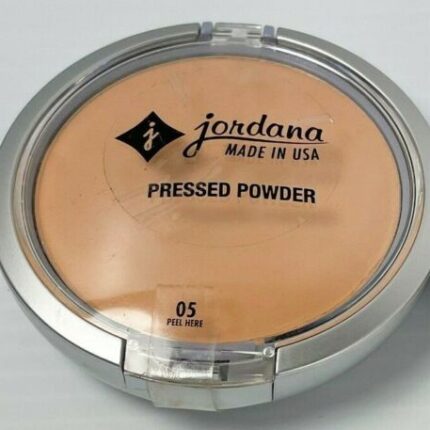 Sale
SaleOriginal price was: ৳ 720.00.৳ 650.00Current price is: ৳ 650.00.
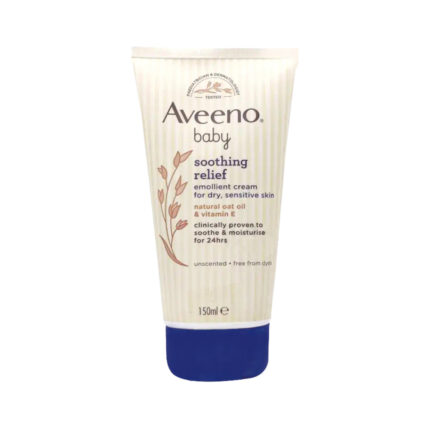 Sale
SaleOriginal price was: ৳ 2,300.00.৳ 1,490.00Current price is: ৳ 1,490.00.
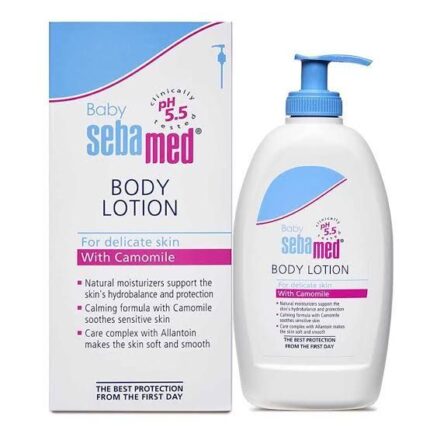 Sale
SaleOriginal price was: ৳ 3,500.00.৳ 2,499.00Current price is: ৳ 2,499.00.
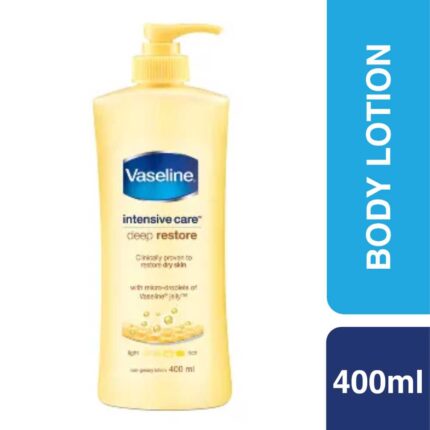 Sale
SaleOriginal price was: ৳ 550.00.৳ 510.00Current price is: ৳ 510.00.
The Benefits of Hydrogenated Polyisobutene in Skincare
Using Hydrogenated Polyisobutene provides numerous advantages for skin. It excels at improving skin hydration and texture. Its unique properties make it a standout ingredient. It helps skin feel soft, smooth, and supple.
This ingredient works effectively across many skin types. It benefits dry, sensitive, and even oily skin. The benefits stem from its ability to form a breathable barrier. This barrier protects skin without feeling heavy.
Exceptional Emollient Properties
Emollients are substances that soften and smooth skin. Hydrogenated Polyisobutene is a superb emollient. It fills in spaces between skin cells. This creates a smoother surface. It also reduces skin roughness.
Its emollient action improves the overall appearance of skin. Fine lines and flaky patches become less noticeable. This leads to a more refined complexion. Dermatologists often recommend emollients for healthy skin.
Superior Moisturizing Capabilities
Beyond softening, this ingredient provides powerful moisturizing effects. It helps the skin retain its natural moisture. This prevents dryness and dehydration. It supports a healthy skin barrier function. This makes it a valuable moisturizing hydrocarbon compound.
Consistent use leads to better long-term hydration. Skin feels more comfortable throughout the day. It also appears plumper. The ingredient minimizes moisture loss from environmental factors. This includes dry air or harsh weather.
Enhancing Product Texture and Feel
Formulators love Hydrogenated Polyisobutene for its sensory qualities. It lends a luxurious, non-tacky feel to products. It improves spreadability. This makes creams and lotions easier to apply. It absorbs well without leaving a residue.
Consumers appreciate products that feel pleasant on the skin. This ingredient helps achieve that desirable texture. It provides a silky, smooth finish. This improves the overall user experience significantly.
Non-Comedogenic and Gentle for Sensitive Skin
One major advantage is its non-comedogenic nature. This means it will not clog pores. Products containing it are therefore suitable for acne-prone skin. It allows the skin to breathe naturally.
Studies indicate that it causes very low irritation. It is gentle enough for sensitive skin types. This makes it a versatile choice. Many skin conditions benefit from its mild properties. It offers comfort without adverse reactions.
How Hydrogenated Polyisobutene Works to Hydrate Skin
Understanding the mechanism of action explains its effectiveness. It operates on the skin’s surface. It reinforces the skin’s natural defenses. This helps maintain optimal hydration levels.
The ingredient creates a physical barrier. This barrier is breathable. It allows normal skin functions to continue. It does not smother the skin. This is key to its hydrating power.
Forming a Protective Barrier
Upon application, Hydrogenated Polyisobutene forms a thin film. This film sits on top of the stratum corneum. The stratum corneum is the outermost layer of skin. This invisible layer acts like a shield. It defends against external aggressors. It also prevents internal moisture loss.
This barrier is essential for healthy skin. It keeps irritants out. It also keeps beneficial moisture in. This protective action helps the skin recover. It restores its natural balance over time.
Preventing Transepidermal Water Loss (TEWL)
Transepidermal Water Loss (TEWL) is the process of water evaporating from the skin. High TEWL leads to dryness and dehydration. Hydrogenated Polyisobutene significantly reduces TEWL. It creates an occlusive, yet breathable, layer.
By minimizing TEWL, it ensures the skin remains hydrated longer. This is crucial for maintaining skin barrier integrity. Healthy skin has lower TEWL rates. This ingredient directly supports this goal. It is a powerful tool against dryness.
Delivering a Non-Greasy Finish
Many traditional moisturizers can feel heavy or oily. This ingredient offers superior hydration without that undesirable sensation. Its molecular structure allows it to spread easily. It leaves a smooth, dry-to-the-touch finish.
This non-greasy quality makes it ideal for daily use. It is perfect under makeup. It is also suitable for warmer climates. Consumers prefer products that feel light and comfortable. This ingredient delivers on that expectation.
Hydrogenated Polyisobutene as a Synthetic Emollient Ingredient
The role of synthetic emollients is increasingly important. They offer stability and purity. They also provide consistent performance. Hydrogenated Polyisobutene stands out in this category.
Its synthetic nature allows for precise engineering. This ensures specific benefits for the skin. It avoids potential issues found in some natural ingredients. This makes it a preferred choice for many formulators.
The Role of Emollients in Skincare
Emollients are fundamental for healthy skin. They maintain skin softness and flexibility. They help reduce friction. They also alleviate discomfort from dry patches. A good emollient forms a protective layer.
This layer smooths the skin’s surface. It fills in microscopic cracks. This makes the skin feel less rough. Emollients are especially important for dry skin conditions. They provide immediate relief and long-term benefits.
Why Synthetic Options are Preferred
Synthetic ingredients offer many advantages. They have a consistent composition. They are less prone to oxidation. They also have a longer shelf life. This makes them reliable for product development.
Natural ingredients can vary. Their quality depends on sourcing and processing. Synthetic options often provide purer forms of active compounds. This ensures product stability and efficacy. Hydrogenated Polyisobutene exemplifies these benefits.
Versatility Across Product Types
As a synthetic emollient ingredient, Hydrogenated Polyisobutene is highly versatile. It appears in a wide range of products. This includes facial moisturizers, body lotions, and sunscreens. Its adaptability makes it invaluable.
It also enhances the texture of makeup products. It improves lip glosses and foundations. Its non-greasy feel is perfect for these applications. This ingredient improves formulation elegance significantly. It contributes to overall product performance.
Where You’ll Find This Moisturizing Hydrocarbon Compound
This powerful ingredient is present in many popular products. You might already be using it. Its widespread use highlights its effectiveness. Consumers benefit from its hydrating and smoothing properties daily.
Looking at ingredient labels helps identify its presence. It is often listed towards the middle or end. This indicates its beneficial concentration. Always check labels for specific product ingredients.
Common Skincare Products
Face creams and serums frequently feature Hydrogenated Polyisobutene. It helps deliver hydration without a heavy feel. Body lotions and butters also contain it. It provides long-lasting moisture for the entire body.
Eye creams benefit from its gentle nature. It hydrates the delicate under-eye area. Hand creams often include it for barrier protection. This helps combat frequent washing and dryness. It’s a go-to for comprehensive skin care.
Hair Care Applications
Beyond skin, this moisturizing hydrocarbon compound also benefits hair. Shampoos and conditioners use it for conditioning. It provides a silky feel to hair. It also helps reduce frizz.
Hair serums and styling products also incorporate it. It adds shine without weighing hair down. It helps protect hair from environmental damage. This contributes to healthier, more manageable hair.
Cosmetic Formulations
In cosmetics, Hydrogenated Polyisobutene improves texture and wear. Lip glosses use it for its non-tacky feel and shine. Foundations and concealers benefit from its smooth spreadability. It creates an even application.
It helps bind pigments in makeup products. This ensures consistent color payoff. It enhances the longevity of cosmetic formulations. It contributes to a flawless finish. This makes it essential in modern beauty products.
Is Hydrogenated Polyisobutene Safe? Addressing Concerns
Safety is a primary concern for any skincare ingredient. Consumers want to know their products are harmless. Hydrogenated Polyisobutene has an excellent safety record. Extensive research supports its use.
Regulatory bodies worldwide have approved its inclusion. This provides a strong assurance of safety. It is a well-researched compound. Concerns about synthetic ingredients are often unfounded with this material.
Regulatory Approvals and Safety Profiles
Major regulatory bodies globally approve Hydrogenated Polyisobutene. These include the FDA in the United States. Also, the European Union’s cosmetic regulations permit its use. Expert panels review its safety data.
These reviews confirm its low toxicity and irritation potential. It is generally recognized as safe (GRAS). This extensive vetting process ensures consumer protection. It provides confidence in its widespread application.
Allergenic Potential: A Closer Look
Ingredients can sometimes trigger allergic reactions. However, Hydrogenated Polyisobutene has a very low allergenic potential. Its inert nature means it rarely interacts with skin proteins. This minimizes sensitivity risks.
Dermatologists rarely report allergic contact dermatitis from it. It is considered hypoallergenic by many experts. This makes it a good choice for individuals with sensitive or reactive skin. Patch testing always remains prudent for new products.
Environmental Considerations
As a synthetic ingredient, environmental impact is a valid question. The cosmetics industry is increasingly focused on sustainability. Hydrogenated Polyisobutene is not readily biodegradable. However, it is not considered acutely toxic to aquatic life.
Manufacturers are exploring more sustainable production methods. They are also improving waste management practices. Responsible sourcing and production are key for all ingredients. Ongoing research aims to minimize its ecological footprint. This ensures its continued responsible use.
The Science Behind its Efficacy
Understanding the science helps appreciate its benefits fully. Researchers have studied Hydrogenated Polyisobutene extensively. Its molecular properties explain its superior performance. It consistently delivers hydration and smoothness.
Its structure allows it to interact positively with the skin. It does not penetrate deep into the skin. Instead, it works on the surface. This focused action is why it is so effective as a barrier agent.
Research Supporting its Skin Benefits
Numerous studies confirm the efficacy of Hydrogenated Polyisobutene. Research indicates it significantly improves skin hydration. It also reduces transepidermal water loss. These studies use clinical measures. They objectively assess skin condition.
For example, some studies show measurable increases in skin moisture content. This occurs after regular use of formulations containing it. These findings validate its moisturizing claims. They support its inclusion in high-performance skincare.
Comparisons with Natural Oils
While natural oils offer benefits, Hydrogenated Polyisobutene provides distinct advantages. It often feels less greasy than many plant-based oils. It is also more stable against oxidation. Natural oils can go rancid. This ingredient does not.
Its non-comedogenic profile is also a significant plus. Some natural oils can clog pores. It offers a cleaner, more consistent feel. This makes it a preferred alternative in many modern formulations. It bridges the gap effectively.
Future Trends in Emollient Technology
The field of emollient technology constantly evolves. Researchers seek ingredients that offer enhanced performance. They also look for improved sensory profiles. Hydrogenated Polyisobutene continues to be a benchmark.
Future trends might involve even lighter versions. They may also include combinations with novel actives. This ingredient’s success paves the way for innovation. It inspires new developments in skin care science. The demand for effective emollients remains high.
Maximizing the Benefits of Hydrogenated Polyisobutene
To get the most out of this ingredient, consider how you use it. Proper product selection is key. Understanding its role enhances your skincare routine. It works best when applied correctly.
Integrating it into a holistic approach yields the best results. Combine it with other beneficial ingredients. Always patch test new products. This ensures compatibility with your unique skin.
How to Identify it on Ingredient Lists
Finding Hydrogenated Polyisobutene on ingredient lists is straightforward. Look for the exact phrase “Hydrogenated Polyisobutene.” It may also sometimes appear as “Polyisobutene, hydrogenated.” Ingredient lists typically follow descending order of concentration.
Ingredients higher up the list are present in larger amounts. You will often see it listed after water or other primary solvents. This indicates a significant concentration. This means it provides notable benefits.
Pairing with Other Active Ingredients
This ingredient pairs well with many active ingredients. It enhances their delivery and comfort. For example, combine it with humectants like hyaluronic acid. This provides synergistic hydration. The humectant draws water in. The emollient then seals it.
It also works well with retinoids or alpha hydroxy acids. These ingredients can cause dryness. Hydrogenated Polyisobutene helps mitigate this. It provides soothing emollience. This makes treatments more tolerable.
Optimal Usage for Different Skin Types
Hydrogenated Polyisobutene suits most skin types. For dry skin, use it daily in heavier creams. This provides maximum moisture retention. Apply it after cleansing and toning. It forms a crucial protective layer.
Oily or acne-prone skin types can use it too. Choose lighter, non-comedogenic formulations. Look for lotions or serums containing it. Its non-greasy feel is ideal for these complexions. Sensitive skin benefits from its mild nature. It minimizes irritation potential.
Hydrogenated Polyisobutene in Advanced Formulations
Modern skincare leverages advanced formulation techniques. These methods maximize ingredient efficacy. Hydrogenated Polyisobutene is a key player here. It integrates seamlessly into complex systems. This enhances overall product performance.
Formulators use it to create sophisticated textures. They also employ it for targeted delivery. Its stability and inertness make it ideal. It contributes to cutting-edge cosmetic science.
Innovative Delivery Systems
Advanced formulations often use specialized delivery systems. These systems ensure ingredients reach their target effectively. Hydrogenated Polyisobutene can stabilize emulsions. It creates a favorable environment for active ingredients.
It helps form lamellar structures. These structures mimic skin’s natural lipids. This improves barrier repair. It also enhances ingredient penetration without causing irritation. Its role in these systems is significant.
Synergistic Effects with Humectants
When combined, emollients and humectants work synergistically. Humectants draw moisture from the air or deeper skin layers. Glycerin and hyaluronic acid are common humectants. Hydrogenated Polyisobutene, an emollient, then traps this moisture. It prevents its escape.
This creates a powerful hydration strategy. The skin receives a double dose of moisture. This results in plump, dewy, and highly resilient skin. This combination is a staple in modern moisturizing products.
Role in Barrier Repair Formulations
A compromised skin barrier leads to many problems. These include dryness, sensitivity, and irritation. Hydrogenated Polyisobutene is excellent for barrier repair. It provides external support to the skin’s protective layer.
It helps mend the lipid matrix. It reduces water loss. This allows the skin’s natural healing processes to occur. Products targeting barrier repair often feature this ingredient prominently. It is a foundational component for restoring skin health.
Debunking Common Myths About Synthetic Ingredients
Many misconceptions surround synthetic ingredients. Terms like “chemical-free” often mislead consumers. Understanding the science behind these ingredients is important. Hydrogenated Polyisobutene often faces unwarranted scrutiny. It is important to address these myths directly.
Not all synthetic ingredients are harmful. Many are highly beneficial and safe. Their controlled production ensures purity. This provides consistent results. Education helps consumers make informed choices.
Addressing the “Chemical-Free” Misconception
The term “chemical-free” is scientifically inaccurate. Everything is made of chemicals. Water is a chemical. All natural ingredients are also chemicals. The fear stems from a misunderstanding. It is about understanding specific chemical properties. Safety is based on toxicology, not origin.
Hydrogenated Polyisobutene is a precisely engineered chemical. It offers predictable performance. It undergoes rigorous testing. This makes it a reliable ingredient. Focus on safety data, not misleading labels.
The Importance of Formulation Expertise
A product’s effectiveness relies on its overall formulation. It is not just about individual ingredients. Expert formulators combine ingredients carefully. They create stable, effective, and pleasant products. This requires extensive knowledge of chemistry.
Hydrogenated Polyisobutene contributes to well-balanced formulations. Its properties enhance other ingredients. Its inclusion reflects thoughtful product design. Trust in reputable brands and their scientific approach. This leads to superior products.
Balancing Natural and Synthetic Components
The best skincare often blends natural and synthetic ingredients. Each category offers unique benefits. Natural extracts provide antioxidants and vitamins. Synthetic emollients provide stability and specific textures. There is no need for an either/or approach.
Hydrogenated Polyisobutene can complement natural oils. It enhances product elegance. It improves overall performance. A balanced approach leverages the strengths of both worlds. This creates truly effective and enjoyable skincare solutions.
Frequently Asked Questions
Is Hydrogenated Polyisobutene the same as mineral oil?
No, they are different. Both are hydrocarbon compounds. Hydrogenated Polyisobutene is synthetic. It often feels lighter. It has a less occlusive texture. It is generally preferred for its sensory properties.
Will Hydrogenated Polyisobutene clog my pores?
No, it is considered non-comedogenic. This means it is highly unlikely to clog pores. It forms a breathable barrier. This makes it suitable for most skin types, including acne-prone skin.
Is this ingredient safe for sensitive skin?
Yes, Hydrogenated Polyisobutene is generally safe for sensitive skin. It has a very low irritation potential. Its inert nature reduces the risk of allergic reactions. Many dermatologists approve its use.
What is Hydrogenated Polyisobutene commonly used for?
It is primarily used as an emollient and moisturizing agent. You find it in face creams, body lotions, and cosmetics. It improves skin hydration, texture, and product feel. It provides a non-greasy finish.
Final Thoughts
Hydrogenated Polyisobutene stands as a testament to cosmetic science. It offers unparalleled benefits for skin hydration. This synthetic emollient ingredient excels at providing smooth, soft skin. It does this without feeling heavy or greasy.
Embrace formulations that contain Hydrogenated Polyisobutene. It helps maintain a healthy skin barrier. It also ensures lasting comfort. Look for it in your daily skincare routine. It offers a reliable path to truly hydrated skin.