
Himalayan Pink Salt: Benefits, Uses & Buying Guide

Himalayan Pink Salt has grown in popularity for its distinctive color, culinary uses, and claimed health properties. Many shoppers ask whether this salt offers real advantages over table salt. This guide explains what Himalayan Pink Salt is, reviews its benefits, and offers clear advice for cooking, bathing, and buying authentic mineral rich pink salt. Read on to learn practical tips and evidence-based information that helps you decide if this salt fits your kitchen and wellness routine.
What Is Himalayan Pink Salt?
Himalayan Pink Salt comes from ancient sea salt deposits in the foothills of the Himalayas. Miners extract large crystals that vary in color from pale pink to deep rose. The pink hue comes from trace amounts of iron oxide and other minerals. Producers sell the salt in coarse crystals, fine grains, and blocks for cooking or serving. It remains chemically similar to other sodium chlorides, but the texture and presentation set it apart.
- Point one
- Point two
Recommended Products
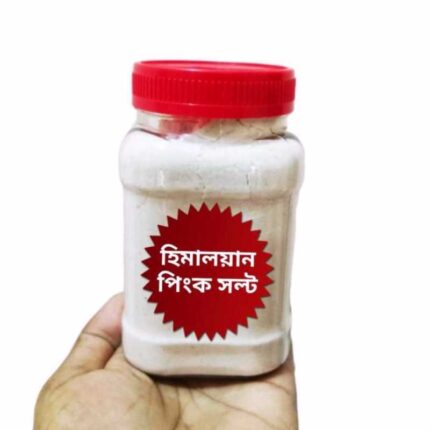
৳ 199.00
৳ 1,190.00
Himalayan Pink Salt Benefits
People choose Himalayan Pink Salt for taste, texture, and appearance. Many consumers also search for himalayan pink salt benefits related to minerals and health. The salt offers a subtle mineral flavor that many chefs prefer. It also performs well for finishing dishes and for use on salt blocks or lamps. Scientifically, the trace minerals in the salt do not replace a balanced diet. Yet the salt does provide the same essential electrolytes and seasoning properties as other edible salts.
How Himalayan Pink Salt Compares to Table Salt
Himalayan Pink Salt and table salt both supply sodium chloride. Table salt often includes anti-caking agents and added iodine. Himalayan salt usually lacks additives and often appears less processed. Many users describe Himalayan salt as less sharp and more rounded in flavor. If you need iodized salt, choose fortified table salt or add iodine from food sources. For those seeking a more natural option, mineral rich pink salt gives a different sensory profile without additives.
Cooking with Himalayan Salt: Practical Tips
Cooking with himalayan salt works in the same way as cooking with other salts. Use it to season meats, vegetables, and baked goods. Coarse grains add crunch when sprinkled at the end of cooking. Fine grain suits baking and precise seasoning. Salt blocks serve as a flavorful cooking surface for searing fish or grilling vegetables. Heat a Himalayan salt block gradually to avoid cracking. After use, scrub it with a damp cloth and store it dry.
Tips for cooking with himalayan salt:
- Use less by volume if switching from fine table salt to coarse Himalayan crystals.
- Grind coarse crystals for recipes that require dissolved salt.
- Try a salt block for presentation and mild seasoning when serving hot or chilled foods.
Pink Salt Health Uses and Safety
Many consumers search for pink salt health uses such as electrolyte balance and mineral intake. Himalayan Pink Salt provides sodium and trace minerals like calcium, potassium, and magnesium. However, those minerals exist in very small amounts. They do not significantly alter your daily mineral intake. Treat Himalayan salt as you would any other salt. Monitor total sodium intake to support heart and blood pressure health.
Safe use recommendations:
- Limit overall sodium consumption to recommended guidelines.
- Use Himalayan salt for flavor rather than as a primary source of minerals.
- Check labels if you need iodized salt for thyroid health.
Natural Pink Salt Health Benefits: What Evidence Shows
Claims about natural pink salt health benefits sometimes exceed the evidence. Studies confirm that the trace minerals give Himalayan salt its color. They do not, however, provide therapeutic doses of those minerals in typical serving sizes. If you enjoy the taste, use the salt for culinary pleasure. If you have specific health concerns, consult a healthcare professional before changing salt consumption significantly. The most reliable health benefit of any salt is its role in maintaining electrolyte balance when consumed in moderation.
Himalayan Rock Salt Review: Pros and Cons
When performing a himalayan rock salt review, consider flavor, purity, and presentation. Many users praise the salt for its clean taste and aesthetic appeal. Salt blocks and lamps add a decorative element to kitchens and dining tables. On the other hand, the premium price does not always translate to meaningful nutritional advantages. Some products labeled as Himalayan salt come from different regions or contain additives. Read labels and check for reputable brands to ensure quality.
Pros:
- Distinct color and mild flavor.
- Available in specialty formats like blocks and lamps.
- Often additive-free and minimally processed.
Cons:
- Higher cost than standard table salt.
- Trace minerals do not provide significant nutritional benefit.
- Counterfeit or mislabelled products exist in the market.
How to Identify Authentic Himalayan Pink Salt
To avoid counterfeit items, buy from trusted brands and retailers. Authentic Himalayan salt often lists the mine of origin and includes minimal processing information. Look for coarse and fine grain options with consistent pink tones. Avoid products that claim miraculous health cures. Check third-party reviews and certifications for food-grade quality. Price alone does not guarantee authenticity, but very cheap “Himalayan” salt may be suspect.
Practical checklist:
- Confirm origin and processing details on the label.
- Read customer reviews and product photos for consistency.
- Choose food-grade certification for cooking and consumption.
Use Cases: Bathing, Beauty, and Home
Himalayan Pink Salt appears in bath salts, scrubs, and decorative items. As a bath soak, it can help with skin exfoliation and relaxation through warm water. Anecdotal reports suggest relief from minor skin dryness. For beauty use, dissolve coarse grains to create a gentle scrub. Avoid using salt products on open wounds or very irritated skin. If you have sensitive skin, test a small patch first.
Frequently Asked Questions
Is Himalayan Pink Salt healthier than regular table salt? Himalayan Pink Salt offers trace minerals and often lacks additives, but it does not provide major health advantages over iodized table salt. Both contain similar sodium levels. For specific nutrient needs, rely on varied foods and medical advice.
How much Himalayan Pink Salt should I use daily? Follow general sodium guidelines rather than a specific Himalayan-only rule. Aim to keep sodium under recommended daily limits from all dietary sources. Use Himalayan salt for flavor and measure intake like any other salt.
Conclusion
Himalayan Pink Salt delivers appealing flavor, texture, and presentation. It serves well in cooking, finishing dishes, and specialty items like salt blocks. While mineral rich pink salt contains trace elements, the evidence does not support major health claims. Use Himalayan Pink Salt as a culinary and aesthetic choice, not as a medical treatment. Choose reputable brands, control your sodium intake, and enjoy the salt for its taste and versatility.