
Glycolic Acid: The Ultimate Guide to Radiant Skin

Achieving a luminous, even-toned complexion often feels like an endless quest, navigating a myriad of skincare ingredients and routines. Among the most revered and effective is Glycolic Acid, a true powerhouse in the world of chemical exfoliation. This alpha hydroxy acid (AHA) stands out for its unique ability to gently yet effectively slough away dead skin cells, revealing the brighter, smoother, and healthier skin beneath. If you seek to diminish the appearance of fine lines, hyperpigmentation, or simply yearn for an undeniable glow, understanding how to incorporate this transformative ingredient into your regimen is paramount. This comprehensive guide uncovers everything you need to know about harnessing the remarkable benefits of glycolic acid, ensuring you achieve the radiant skin you desire.
What is Glycolic Acid and How Does it Work?
Glycolic acid is the smallest molecular weight alpha hydroxy acid, naturally derived from sugar cane. This petite size is precisely what grants it exceptional efficacy; it penetrates the skin more readily than other AHAs, allowing it to work its magic deep within the epidermis. Essentially, glycolic acid functions as a powerful aha exfoliant by dissolving the “glue” that holds dead skin cells together on the skin’s surface. This process, known as chemical exfoliation, accelerates the natural cell turnover rate, which often slows down with age and environmental exposure.
- Loosens Dead Skin Cells: It weakens the bonds between corneocytes, facilitating their detachment.
- Promotes Cell Turnover: The rapid shedding of old cells makes way for new, healthy ones.
- Reveals Brighter Skin: Removing dull, dead skin immediately uncovers a more luminous complexion.
- Enhances Product Penetration: With the barrier of dead skin diminished, subsequent skincare products absorb more effectively.
Unlike physical scrubs that can sometimes cause micro-tears, glycolic acid offers a smoother, less abrasive form of exfoliation, making it suitable for many skin types when used correctly. Its mechanism of action directly addresses issues of dullness, uneven texture, and clogged pores, laying the groundwork for truly revitalized skin.
Recommended Products
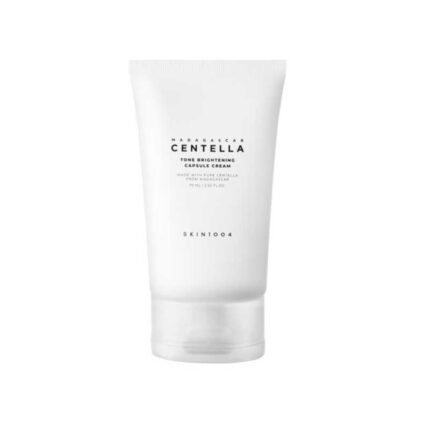 Sale
SaleOriginal price was: ৳ 2,660.00.৳ 1,862.00Current price is: ৳ 1,862.00.
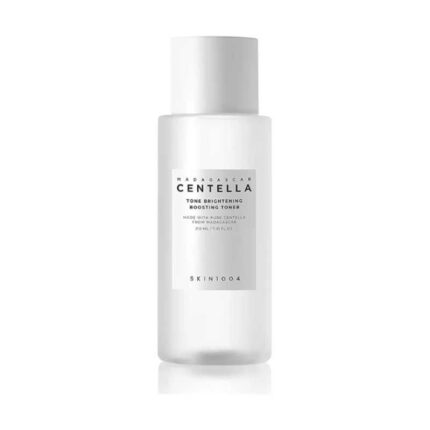 Sale
SaleOriginal price was: ৳ 2,800.00.৳ 1,960.00Current price is: ৳ 1,960.00.
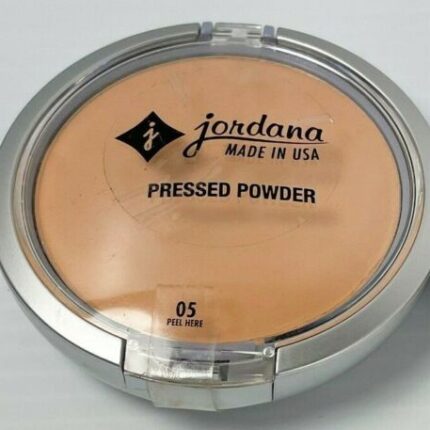 Sale
SaleOriginal price was: ৳ 720.00.৳ 650.00Current price is: ৳ 650.00.
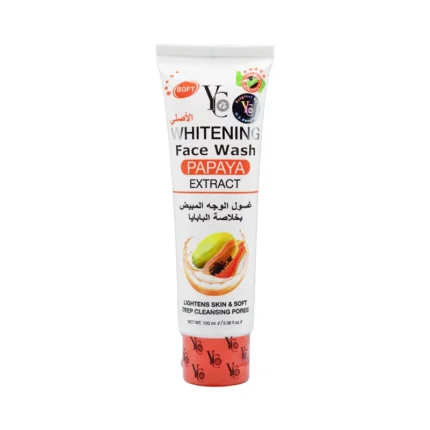
The Myriad Benefits of Incorporating Glycolic Acid into Your Routine
Embracing glycolic acid offers a spectrum of advantages for almost every skin concern. Its multifaceted approach tackles various issues, making it a cornerstone ingredient for a targeted and effective skincare regimen.
Improving Skin Texture and Tone
One of the most noticeable benefits is a dramatic improvement in skin texture. Glycolic acid smooths rough patches, minimizes the appearance of enlarged pores, and creates a more uniform surface. Regular chemical exfoliation also helps fade hyperpigmentation, including sun spots, age spots, and post-inflammatory hyperpigmentation (dark spots left after acne breakouts), leading to a more even and balanced skin tone.
Diminishing Signs of Aging
Glycolic acid stands as a significant ally in the fight against aging. By promoting cell renewal, it helps reduce the appearance of fine lines and superficial wrinkles. Furthermore, studies suggest that glycolic acid can stimulate collagen production in the dermis. Collagen is the structural protein responsible for skin firmness and elasticity, meaning consistent use contributes to plumper, more youthful-looking skin over time.
Combating Acne and Breakouts
For individuals struggling with acne, glycolic acid offers substantial relief. Its exfoliating properties prevent dead skin cells from accumulating and clogging pores, a primary cause of blackheads, whiteheads, and pimples. By keeping pores clear, it reduces the likelihood of breakouts and aids in purifying the skin, fostering a clearer complexion.
Boosting Radiance and Hydration
Removing the layer of dull, dead skin cells immediately uncovers a brighter, more radiant complexion. Beyond surface glow, glycolic acid possesses humectant properties, meaning it attracts and binds water to the skin. This dual action of exfoliation and hydration contributes to skin that not only looks brighter but also feels more supple and moisturized.
Choosing the Right Glycolic Acid Product and Concentration
Glycolic acid comes in various formulations and strengths, catering to different skin types and concerns. Making an informed choice ensures optimal results and minimizes potential irritation.
Formulations: From Cleansers to Serums to Glycolic Toner
- Cleansers: Often contain lower concentrations (2-5%) and provide a mild daily exfoliation. They are a good starting point for sensitive skin or those new to AHAs.
- Toners: A popular choice, a glycolic toner typically ranges from 5-10% and offers more potent chemical exfoliation. Apply these after cleansing to sweep away remaining impurities and prep skin.
- Serums: Usually feature higher concentrations (10-15% or more) and target specific concerns like hyperpigmentation or advanced signs of aging. Serums deliver a concentrated dose of the active ingredient.
- Masks and Peels: These provide intensive treatment, often with higher concentrations (10-30% for at-home use). Use them less frequently, typically once or twice a week.
Understanding Concentrations and pH Levels
The effectiveness of glycolic acid hinges on both its concentration and the product’s pH level. Generally, a higher concentration (e.g., 8-10%) delivers more pronounced results but also carries a greater risk of irritation, especially for beginners. The optimal pH for glycolic acid to exfoliate effectively is between 3.0 and 4.0. Products formulated within this range ensure the acid remains in its most active, “free acid” form, allowing it to penetrate and work efficiently.
- Low Concentrations (2-5%): Ideal for beginners, sensitive skin, or daily gentle exfoliation.
- Medium Concentrations (6-10%): Suitable for most skin types once acclimated, targeting texture and tone. This range is common for a glycolic toner.
- High Concentrations (10-15%+): Reserved for experienced users, specific concerns like significant sun damage or stubborn hyperpigmentation, and typically found in serums or treatments.
How to Incorporate Glycolic Acid into Your Skincare Routine
Strategic integration of glycolic acid is crucial for maximizing its benefits while minimizing adverse reactions. Start slowly and observe your skin’s response.
Patch Testing and Gradual Introduction
Always perform a patch test on a small, inconspicuous area of skin (e.g., behind the ear or on the inner arm) 24-48 hours before applying a new product to your entire face. Begin by using glycolic acid products 2-3 times a week, gradually increasing frequency as your skin builds tolerance. For cleansers or low-concentration toners, daily use might be appropriate, but always monitor your skin.
Application Best Practices
Apply glycolic acid to clean, dry skin. After cleansing, wait a few minutes for your skin to completely dry before applying a glycolic toner or serum. This prevents the acid from penetrating too quickly, which can lead to irritation. Follow with a hydrating serum and a moisturizer to support the skin barrier. If using a glycolic acid mask or peel, adhere strictly to the product’s recommended contact time.
When to Apply: Morning vs. Evening
Most skincare professionals recommend applying glycolic acid in the evening. This allows the product to work overnight without immediate sun exposure, which is critical due to its photosensitizing effects. If you choose to use a mild formulation in the morning, rigorous sun protection is absolutely non-negotiable.
Important Considerations and Potential Side Effects
While highly beneficial, glycolic acid requires careful consideration to ensure a positive experience. Understanding potential side effects and how to mitigate them is key to successful use.
Sun Protection is Non-Negotiable
Glycolic acid increases skin’s sensitivity to the sun. This means diligent daily use of broad-spectrum sunscreen with an SPF of 30 or higher is absolutely essential. Apply it every morning, even on cloudy days, and reapply throughout the day, especially after sweating or swimming. Failing to do so can lead to increased sun damage, including hyperpigmentation and an elevated risk of sunburn.
Managing Irritation: Redness, Peeling, and Stinging
Upon initial use, especially with higher concentrations, you might experience mild redness, tingling, or slight peeling. This is often a normal adjustment period, particularly if your skin is unaccustomed to chemical exfoliation. However, if these symptoms are severe, persistent, or accompanied by significant discomfort, discontinue use. Reduce frequency, switch to a lower concentration, or try a different formulation (e.g., a wash-off product instead of a leave-on serum). Focus on barrier repair with ceramides and hyaluronic acid if irritation occurs.
Ingredients to Avoid Combining with Glycolic Acid
Exercising caution when combining glycolic acid with other potent active ingredients prevents over-exfoliation and irritation. Generally, avoid using it at the same time as:
- Retinoids (Retinol, Tretinoin): Both are powerful cell communicators and exfoliants; using them together can be too harsh. Alternate them on different nights or use them on separate days.
- Vitamin C (L-Ascorbic Acid): While some formulations carefully combine them, using high concentrations of both simultaneously can lead to irritation. Often, Vitamin C is best used in the morning and glycolic acid in the evening.
- Benzoyl Peroxide: This acne treatment can be drying and irritating. Layering it with glycolic acid risks excessive dryness and sensitivity.
- Other AHAs/BHAs: Unless specifically formulated together by a brand, avoid mixing multiple exfoliating acids.
Always introduce new actives one at a time and give your skin ample time to adjust. When in doubt, consult a dermatologist.
Advanced Tips and Tricks for Maximizing Glycolic Acid’s Potential
Once your skin acclimates, you can further optimize your glycolic acid routine for enhanced results.
Listen to Your Skin
Your skin provides the best feedback. If you experience excessive dryness, prolonged redness, or unusual sensitivity, scale back. Skin cycles and needs change with seasons, stress, and age, so be prepared to adjust your routine accordingly. Hydration and barrier support are paramount when using any strong active ingredient.
Consistency is Key
Glycolic acid delivers its best results with consistent, appropriate use over time. Don’t expect overnight transformations. Visible improvements in texture, tone, and radiance typically emerge within 4-6 weeks of regular application, with more significant changes over several months.
Consider Professional Treatments
For more intensive exfoliation or to address stubborn concerns, consider professional glycolic acid peels administered by a licensed aesthetician or dermatologist. These treatments use much higher concentrations (up to 70%) and offer deeper penetration and more dramatic results, always under expert supervision.
Layering with Hydrating Ingredients
To counteract any potential dryness or maintain optimal skin health, pair your glycolic acid treatment with deeply hydrating and barrier-supporting ingredients. Look for products containing hyaluronic acid, ceramides, squalane, or glycerin. Apply these after your glycolic acid step to lock in moisture and soothe the skin.
Frequently Asked Questions
Is Glycolic Acid suitable for all skin types?
Glycolic acid is generally suitable for most skin types, particularly normal, oily, and combination skin. Those with very sensitive or compromised skin may need to start with lower concentrations or use it less frequently. Always patch test first.
Can I use Glycolic Acid if I have rosacea or eczema?
Individuals with active rosacea or eczema often have a compromised skin barrier and increased sensitivity. Glycolic acid may exacerbate these conditions. Consult a dermatologist before use if you have these skin concerns.
How long does it take to see results from Glycolic Acid?
You can often notice immediate improvements in skin brightness and smoothness after a few uses. More significant changes, such as reduction in hyperpigmentation and fine lines, typically become visible within 4-6 weeks of consistent use, with continued improvement over several months.
Does Glycolic Acid thin the skin?
This is a common misconception. While it exfoliates the outermost layer of dead skin cells, glycolic acid actually promotes collagen production, which can lead to thicker, stronger skin over time, not thinner.
Conclusion
Glycolic acid truly stands as a cornerstone in modern skincare, offering a powerful yet manageable path to healthier, more luminous skin. By understanding its mechanism as a potent chemical exfoliant, discerning the right concentration for your needs, and adhering to proper usage guidelines—especially the paramount importance of sun protection—you unlock its full potential. From refining texture and evening tone to reducing signs of aging and combating breakouts, the benefits of incorporating Glycolic Acid into your regimen are undeniable. Embrace this remarkable AHA to reveal a complexion that is not only brighter and smoother but also deeply rejuvenated and visibly more radiant, empowering you with confidence in your skin.