
Extra Virgin Olive Oil: Your Guide to Health, Taste, and Quality

For millennia, extra virgin olive oil has stood as a cornerstone of culinary tradition and a symbol of robust health. This golden elixir, extracted from the first cold-pressing of olives, represents the purest form of olive oil, retaining its rich flavor, aroma, and a profound array of beneficial compounds. Far more than just a cooking ingredient, extra virgin olive oil is a foundational element of the Mediterranean diet, celebrated globally for its potential to enhance longevity and overall well-being. Integrating this natural treasure into your daily routine offers a simple yet impactful way to elevate both your meals and your health, making it an indispensable pantry staple for those seeking a vibrant lifestyle.
The Unrivaled Purity of Extra Virgin Olive Oil
Understanding what sets extra virgin olive oil apart begins with its production process. Unlike other olive oils, EVOO undergoes minimal processing, ensuring that it retains its natural antioxidants, vitamins, and distinctive sensory characteristics. Producers achieve this premium quality through mechanical means only, employing no chemical solvents or excessive heat. This “cold-pressed” method preserves the oil’s delicate flavor profile and its potent health-promoting compounds. The key differentiator for extra virgin olive oil lies in its acidity level, which must be less than 0.8% oleic acid, indicating superior quality and freshness. Its robust, fruity, or peppery notes signal the presence of polyphenols, powerful antioxidants directly contributing to the olive oil health benefits we cherish.
Recommended Products
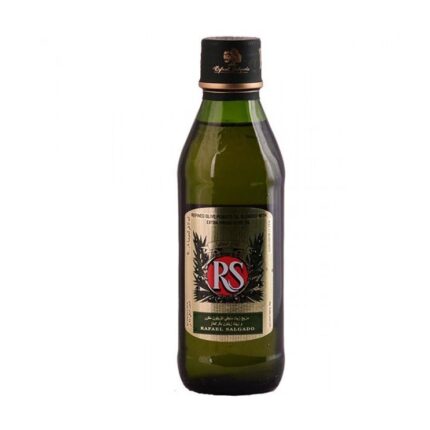 Sale
SaleOriginal price was: ৳ 540.00.৳ 350.00Current price is: ৳ 350.00.
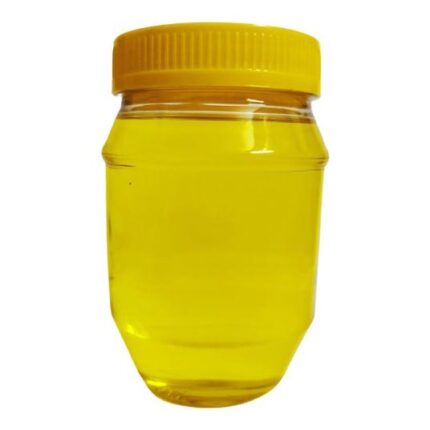
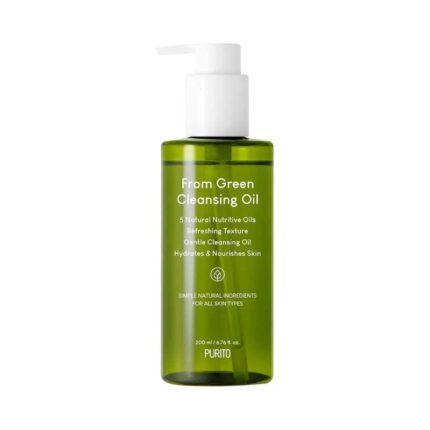 Sale
SaleOriginal price was: ৳ 3,140.00.৳ 2,198.00Current price is: ৳ 2,198.00.
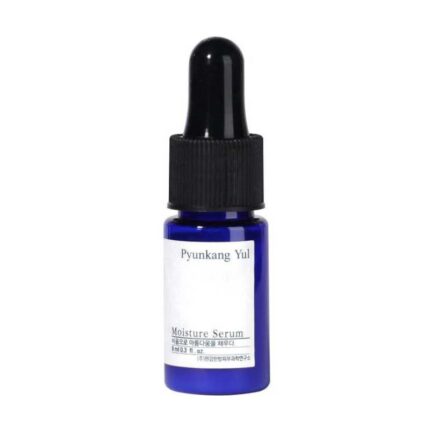 Sale
SaleOriginal price was: ৳ 440.00.৳ 320.00Current price is: ৳ 320.00.
Unlocking the Extra Virgin Olive Oil Benefits for Health
The remarkable health profile of extra virgin olive oil makes it a celebrated ingredient in diets worldwide. Its rich composition of monounsaturated fatty acids (MUFAs) and an impressive array of antioxidants positions it as a vital component for preventing various chronic diseases. Incorporating EVOO into your daily diet delivers tangible advantages that contribute to a healthier, more vibrant life.
Heart Health Powerhouse
At the forefront of extra virgin olive oil benefits lies its profound impact on cardiovascular health. Oleic acid, the predominant monounsaturated fatty acid in EVOO, plays a crucial role in lowering levels of “bad” LDL cholesterol while potentially increasing “good” HDL cholesterol. This rebalancing act significantly reduces the risk of heart disease. Furthermore, the polyphenols present in EVOO combat oxidative stress, protect artery walls from damage, and improve endothelial function, which is critical for healthy blood pressure regulation. Regular consumption helps maintain arterial elasticity and reduces inflammation, vital factors in preventing atherosclerosis and other heart-related conditions.
Rich in Antioxidants and Anti-inflammatory Compounds
Extra virgin olive oil boasts a powerful antioxidant arsenal, including vitamin E, carotenoids, and a diverse group of polyphenols. These compounds actively neutralize free radicals in the body, which are unstable molecules that contribute to cellular damage and aging. Beyond antioxidant activity, EVOO contains oleocanthal, a natural phenolic compound with anti-inflammatory properties remarkably similar to ibuprofen. This natural anti-inflammatory effect helps mitigate chronic inflammation, a known precursor to many modern diseases, including arthritis, cancer, and neurodegenerative disorders. The synergy of these antioxidants and anti-inflammatory agents provides comprehensive protection at a cellular level.
Supporting Gut Health and Digestion
Emerging research highlights extra virgin olive oil’s role in supporting a healthy digestive system. Its natural compounds exhibit antimicrobial properties, potentially inhibiting the growth of harmful bacteria like Helicobacter pylori, which can cause stomach ulcers. EVOO also acts as a mild laxative, aiding in smooth bowel movements and preventing constipation, contributing to overall gut regularity. A healthy gut microbiome is essential for nutrient absorption and immune function, and the beneficial properties of EVOO help foster a balanced environment, promoting digestive comfort and enhancing nutrient assimilation from your meals.
Your Comprehensive Olive Oil Nutrition Guide
Beyond its therapeutic properties, extra virgin olive oil offers a simple yet potent nutritional boost to your diet. Understanding its nutritional composition empowers you to make informed choices about its integration into your meals. A single tablespoon (approximately 14 grams) of extra virgin olive oil typically provides:
- Calories: Around 120 calories, primarily from fat.
- Total Fat: Approximately 14 grams, almost entirely composed of healthy unsaturated fats.
- Monounsaturated Fat: Roughly 10-11 grams, mainly oleic acid, known for its heart-healthy benefits.
- Saturated Fat: About 2 grams, a relatively low amount.
- Polyunsaturated Fat: Around 1.5 grams, including omega-3 and omega-6 fatty acids.
- Vitamin E: A significant source, providing about 10% of the Daily Value, an antioxidant vital for skin health and immune function.
- Vitamin K: Provides approximately 5-7% of the Daily Value, crucial for blood clotting and bone health.
Extra virgin olive oil contains no protein, carbohydrates, or cholesterol. Its caloric density comes from its healthy fats, making it an excellent energy source. Its rich nutrient profile, coupled with its powerful bioactive compounds, firmly places it within any olive oil nutrition guide as a food with exceptional value.
Cooking with Extra Virgin Olive Oil: Elevating Flavor and Health
The versatility of extra virgin olive oil in the kitchen extends far beyond simple salad dressings. Its distinct flavor and health benefits make it an exceptional choice for a wide array of culinary applications, transforming ordinary dishes into extraordinary experiences. Incorporating EVOO into your cooking routine unlocks both superior taste and enhanced nutritional value, leveraging the cooking olive oil benefits to their fullest.
Optimal Uses in the Kitchen
Extra virgin olive oil shines in countless dishes. It is ideal for drizzling over fresh salads, grilled vegetables, or pasta, imparting a vibrant, peppery finish. Use it to create flavorful marinades for meats and fish, infusing them with depth. While some believe EVOO is unsuitable for high-heat cooking, its smoke point (around 375-405°F or 190-207°C) allows for sautéing, light frying, and roasting without compromising its integrity. It performs beautifully for baking savory items like focaccia or even certain cakes, contributing moisture and a delicate flavor. For finishing dishes, a generous drizzle just before serving amplifies flavors and delivers a fresh, aromatic kick. The unique profile of organic olive oil uses often brings an even more pronounced taste and quality to these applications.
The Advantage of Organic Olive Oil Uses
Opting for organic olive oil brings additional advantages, aligning with a desire for purity and environmental responsibility. Organic certification guarantees that the olives were grown without synthetic pesticides, herbicides, or fertilizers. This commitment to natural farming practices often results in a purer oil, free from chemical residues. Beyond the health aspect, organic farming frequently promotes sustainable practices, enhancing soil health and biodiversity. When considering organic olive oil uses, consumers often find a richer, more authentic flavor profile that reflects the quality of the unadulterated olives. This choice supports ecological balance while delivering a superior product for your culinary endeavors.
Understanding Olive Oil Price in Bangladesh
The olive oil market in Bangladesh, like many imported goods, sees variations in price influenced by several factors. Consumers in Bangladesh seeking extra virgin olive oil will find prices depend on brand origin, bottle size, and whether the product is organic or conventional. Generally, imported premium brands from traditional olive oil-producing countries like Italy, Spain, or Greece command higher prices due to import duties, shipping costs, and brand reputation. Supermarkets and specialized grocery stores often stock a range of options, from more affordable everyday selections to high-end organic extra virgin olive oil. For example, a liter of a reputable extra virgin olive oil can range significantly. Factors such as promotions, seasonal demand, and the current global market price for olive oil all play a role. When considering olive oil price Bangladesh consumers should prioritize reputable distributors to ensure authenticity and quality, recognizing that investing in genuine extra virgin olive oil offers both health and culinary benefits that justify the cost.
Frequently Asked Questions
Is extra virgin olive oil good for high-heat cooking?
Yes, extra virgin olive oil can be used for moderate-heat cooking like sautéing or roasting up to its smoke point (around 375-405°F or 190-207°C). Its antioxidants help protect it from degradation at these temperatures. For very high-heat deep frying, oils with higher smoke points might be preferred, but for most home cooking, EVOO is perfectly suitable and beneficial.
How should I store extra virgin olive oil?
Store extra virgin olive oil in a cool, dark place away from direct sunlight and heat. An opaque bottle is ideal to protect it from light, which can degrade its quality. Keep the cap tightly sealed to prevent exposure to air. Proper storage helps maintain its flavor and beneficial compounds for longer.
What’s the difference between extra virgin and regular olive oil?
Extra virgin olive oil is the highest grade, produced by cold-pressing without chemicals, boasting an acidity below 0.8%, and retaining its natural flavor and nutrients. Regular olive oil (often labeled “pure” or “light”) is typically a blend of refined olive oil and a small amount of virgin olive oil, chemically processed to remove defects, resulting in a neutral flavor and fewer health benefits.
Conclusion
Embracing extra virgin olive oil in your daily life offers a gateway to enhanced health and unparalleled culinary enjoyment. From its impressive roster of cardiovascular benefits and potent antioxidant content to its versatile applications in the kitchen, this liquid gold truly lives up to its revered status. By making extra virgin olive oil a staple in your pantry, you actively choose a path of wellness, flavor, and tradition. Its ability to transform meals and nourish your body makes it far more than an ingredient; it is an investment in your well-being, an essential component for anyone seeking a vibrant and healthful lifestyle.