
Copper Peptide Benefits for Skin Care

Is your skin showing fine lines, dullness, or slow healing after breakouts? Copper Peptide appears in many serums and promises repair and firmer skin. The Copper Peptide name refers to a class of compounds that draw attention for skin benefits.
What is Copper Peptide
Copper Peptide is a small molecule that pairs copper ions with a short amino acid chain. This pairing creates a bioactive peptide that can signal skin cells to act. Studies show that copper peptides support collagen and elastin, which matter for a smoother look.
Because it includes copper, this peptide helps wound repair pathways. Dermatologists recommend products that contain stable forms of this peptide when aiming to boost skin health.
Recommended Products
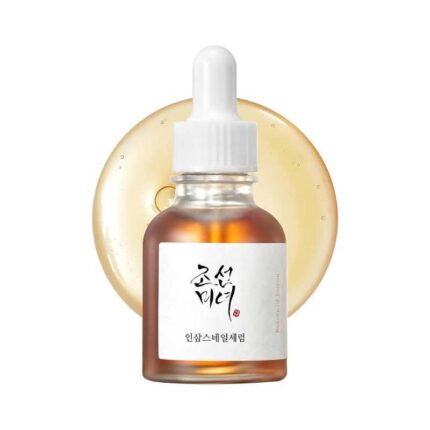 Sale
SaleOriginal price was: ৳ 2,060.00.৳ 1,442.00Current price is: ৳ 1,442.00.
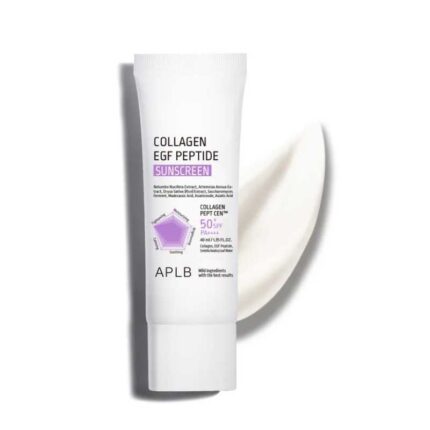 Sale
SaleOriginal price was: ৳ 1,260.00.৳ 882.00Current price is: ৳ 882.00.
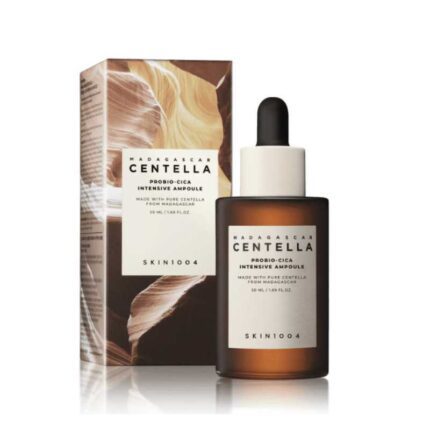 Sale
SaleOriginal price was: ৳ 2,660.00.৳ 1,862.00Current price is: ৳ 1,862.00.
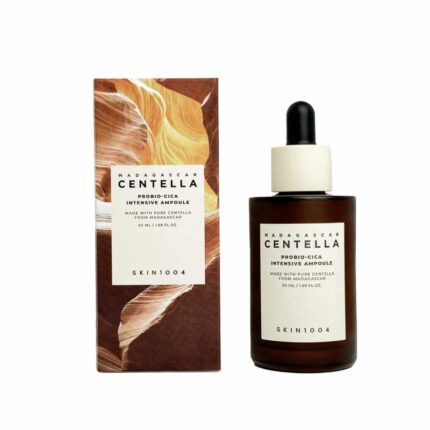 Sale
SaleOriginal price was: ৳ 1,240.00.৳ 868.00Current price is: ৳ 868.00.
How Copper Peptide Works on Skin
When applied topically, Copper Peptide interacts with skin cells and the extracellular matrix. That interaction supports processes that build collagen and repair tissue. As a result, skin can look firmer and more even.
Research indicates that these peptides upregulate growth factors in skin. Those factors guide fibroblasts, the cells that make collagen and elastin. That is why many call Copper Peptide a skin regeneration compound.
Key Benefits Backed by Research
Studies show Copper Peptide can help reduce fine lines and improve texture. For example, research indicates increased collagen production after regular use. This means skin may gain thickness and a smoother surface over time.
Still, benefits vary with concentration and formulation. Clinical studies often use controlled levels to measure effects. Consumers should look for products with evidence-based concentrations.
Visible Effects: What to Expect
Within weeks, many users report improved hydration and less redness. Over months, fine lines and skin firmness tend to improve. That pattern mirrors how most skin repair ingredients work.
Yet, results depend on consistent use. When you stop using the peptide, gains may slowly fade. Therefore, long-term routines yield the best outcomes.
GHK-Cu Peptide Ingredient: A Common Form
One well-known form is called GHK-Cu peptide ingredient, a short peptide bound to copper. This form has been studied for decades and appears in many topical treatments. Research indicates it can help with collagen synthesis and wound healing.
Because of its history, GHK-Cu often appears in clinical formulations. That makes it a go-to name when brands list active ingredients on labels.
How to Use Copper Peptide in Your Routine
Start with a low concentration to test tolerance, especially if you have sensitive skin. Apply it after cleansing and before heavier creams. That order helps the peptide reach skin cells without barriers.
For daytime, pair it with sunscreen to protect new collagen from UV damage. At night, use it with hydration products that support barrier repair. This approach maximizes repair while preventing irritation.
Choosing Products That Contain Copper Peptide
Look for clear labeling that lists Copper Peptide or GHK-Cu near the top of the ingredient list. Higher placement generally indicates a higher concentration. Also check for complementary ingredients like glycerin or ceramides.
Because formulations vary, read product descriptions and directions. That helps you match concentration and delivery type to your needs. For example, serums often deliver higher active levels than creams.
Common Formulations and Combinations
Copper Peptide appears in serums, creams, and masks. Serums usually offer higher potency and faster absorption. Creams provide extra barrier support and longer hydration.
When combined with antioxidants like vitamin C, the peptide can support repair while vitamin C protects collagen from damage. Still, some actives may not pair well, so check compatibility before mixing many actives.
Safety and Side Effects
Most people tolerate Copper Peptide well with minimal irritation. Mild redness or tingling can occur when starting a new product. Stop use and consult a dermatologist if you see strong irritation or allergic reaction.
Because copper can oxidize, some unstable formulas lose potency over time. Choose products in opaque or airless packaging to protect the ingredient. That step helps maintain long-term effectiveness.
Who Should Use Copper Peptide
Anyone wanting to support skin repair and firmness can consider Copper Peptide. Mature skin, skin with sun damage, and skin that heals slowly may see the most benefit. For acne-prone skin, the compound can help with post-acne repair when used carefully.
However, pregnant or breastfeeding individuals should consult a provider before using concentrated actives. That precaution ensures safety for both parent and child.
Comparing Copper Peptide to Other Actives
Retinoids remain the gold standard for cell turnover, while Copper Peptide focuses on repair. For example, retinol speeds cell renewal and reduces wrinkles with time. By contrast, Copper Peptide supports collagen building and wound healing.
Because they work differently, some people use both. When combined, start slowly and monitor skin. That method reduces risk of irritation while gaining complementary benefits.
Evidence and Clinical Findings
Research indicates that Copper Peptide promotes collagen and glycosaminoglycan production. Those molecules help skin structure and moisture retention. As a result, skin quality tends to improve with regular use.
Clinical trials often report modest but measurable improvements in wrinkle depth and texture. Still, studies vary in design and concentration, so not all products perform alike. Consumers should prefer brands that publish trial data.
How Copper Peptide Affects Healing
Because it modulates growth factors, Copper Peptide can speed tissue repair. That action matters after procedures like microneedling or laser treatments. Still, follow a professional’s guidance about timing and concentrations.
When used correctly, the peptide can reduce recovery time and improve final results. Yet, professionals sometimes pause active use immediately after invasive treatments. That choice aims to avoid excessive irritation.
Formulation Tips: What to Look For
Check for stable salts and proper pH to ensure the peptide remains active. Packaging that limits air exposure helps preserve potency. That is why airless pumps and sealed tubes are preferred.
Also look for supportive ingredients like peptides, hyaluronic acid, and gentle humectants. Those elements help deliver the peptide and support the barrier. Avoid harsh solvents or high alcohol that can dry skin.
DIY and Mixing Advice
Avoid DIY mixing without guidance, because copper ions require careful handling. Incorrect pH or combinations can render the peptide inactive. For safe use, choose a tested product from a reputable manufacturer.
If you want to layer products at home, apply water-based serums first, then oil-based products. That order helps active ingredients reach the skin more effectively. When in doubt, perform a patch test for new combinations.
Cost and Value: Is It Worth Buying?
Product prices range widely, from budget serums to premium formulations. Price often reflects concentration, additional actives, and packaging quality. That said, a mid-range product with good reviews can offer strong value.
Because benefits develop over weeks, view purchases as a small long-term investment. Compare ingredient lists and avoid products that hide actives behind long proprietary blends. Transparency often indicates better product quality.
How Long Before You See Results
Initial improvements like hydration and reduced redness can appear within a few weeks. Collagen-related changes typically take several months. That timeline matches how skin renews and rebuilds structural proteins.
Consistency matters. Daily use as directed increases the chance of visible long-term gains. If results stall, review product strength and application technique before changing routines.
Interactions with Other Treatments
Copper Peptide usually pairs well with humectants, antioxidants, and ceramides. For example, combining it with hyaluronic acid boosts hydration while supporting repair. However, strong acids or high-dose exfoliants may irritate skin when used together.
That is why professionals often recommend spacing potent actives across your week. When you plan to mix, start slowly and watch for signs of irritation. Adjust frequency rather than stopping outright when mild redness appears.
Storage and Shelf Life
Store products away from heat and direct light to preserve potency. Keep lids tightly closed and do not leave jars open for long. These simple steps slow oxidation of both copper and supporting ingredients.
Check the product’s expiry or recommended use-after-opening label. If the formula changes color or smell, stop using it. That change may indicate degradation and reduced efficacy.
Real User Experiences and Reviews
Many users report smoother skin and improved firmness after several months. Others praise faster healing after minor procedures. That pattern suggests the peptide helps both daily repair and post-treatment recovery.
Still, some users find no noticeable change, which may reflect individual skin differences. That is why testing product concentration and consistency matters before deciding whether a product suits you.
Choosing Between Synthetic and Natural Sources
Copper Peptide is a lab-made bioactive peptide, not a plant extract. Manufacturers synthesize it to ensure consistent quality and concentration. That approach provides predictable performance compared with natural extracts.
Because synthetic peptides can deliver stable results, many clinical brands prefer them. Consumers should focus on evidence and transparency rather than the “natural” label when choosing effective treatments.
Role in Anti-Aging Regimens
Anti-aging plans often include exfoliants, sunscreens, and repair-focused actives like Copper Peptide. Since the peptide supports structure and healing, it pairs well with protective measures. That combination helps maintain results over time.
Those with mature skin may prioritize peptides to rebuild lost collagen. Younger users might use them to prevent damage and speed repair from occasional sun exposure. In both cases, sunscreen remains essential.
Regulatory and Quality Considerations
Regulations vary by country, but many markets allow copper peptides in cosmetics at cosmetic concentrations. Quality depends on manufacturing standards and ingredient sourcing. Thus, choose brands with third-party testing or transparent practices.
When buying, read ingredient lists and check for clinical support. Brands that invest in research tend to offer better guidance on concentration and use. That makes purchasing choices easier and safer.
Environmental and Ethical Concerns
Most Copper Peptide production relies on lab synthesis rather than heavy mining. That reduces environmental strain linked to raw mineral extraction. Still, packaging choices impact sustainability, so look for recyclable options.
Ethical brands often highlight cruelty-free testing and responsible manufacturing. Consumers can support those brands by checking labels and company policies. That step helps align purchases with personal values.
Questions to Ask Before Buying
Check concentration, packaging, and published studies. Also ask whether the product pairs the peptide with supportive humectants. That information helps you choose a formula suited to your skin.
If you have sensitive skin, seek a sample or travel size before committing. Testing a small product reduces waste and helps you spot irritation early. Many brands offer sample sizes for this reason.
Practical Tips for First-Time Users
Patch test a small area for 48 hours before full-face use. Apply the product every other day at first to assess tolerance. Then increase frequency if skin shows no irritation.
Track progress with photos taken in consistent light. That simple habit helps you notice gradual changes over months. It also helps decide whether to continue or try a different formulation.
Comparing Brands and Labels
Look for clear ingredient lists and avoid vague proprietary blends. Brands that disclose concentrations and stability data offer more transparency. That clarity usually indicates confidence in their formulations.
Read verified user reviews and watch for repeat buyers. Long-term customer satisfaction often signals product consistency. However, remember that individual results vary by skin type and routine.
Cost vs. Concentration: Finding Balance
Higher concentration can deliver faster results but may raise irritation risk. Balance cost with product strength and your skin’s tolerance. For many people, moderate concentration used consistently yields better outcomes than a high-strength product used sporadically.
If discomfort occurs, lower the frequency or dilute by layering with a gentle moisturizer. That method keeps the active present while reducing direct exposure to the skin.
How Professionals Use Copper Peptide
Dermatologists and estheticians often include Copper Peptide in post-procedure care. They use it to support repair after treatments like microneedling. In those settings, trained staff guide timing and concentration to ensure safety.
For home care, follow a provider’s instructions if they prescribe a specific regimen. Professional guidance reduces risk and helps you gain the most from the active ingredient.
Common Myths and Misconceptions
Myth: Copper Peptide will instantly erase wrinkles. Reality: It helps build collagen over months and supports smoother skin gradually. That process requires consistent use and realistic expectations.
Myth: All copper peptides are the same. Reality: Forms and stabilizers vary, affecting potency and skin feel. Thus, brand choice matters for real-world results.
Special Concerns: Acne and Pigmentation
Copper Peptide can aid post-acne repair and reduce scarring appearance. Because it influences healing pathways, it may lessen pigment changes after inflammation. That effect can improve skin tone over time.
However, if you have active inflammatory acne, consult a dermatologist before adding new actives. They can advise on timing and combinations to avoid worsening inflammation.
International Availability and Trends
Copper Peptide appears in products worldwide, in both drugstore and clinical brands. Trends show interest in regenerative ingredients that repair rather than only exfoliate. That means Copper Peptide often follows sunscreens and antioxidants in modern routines.
Regional formulations may vary by regulation or consumer preference. When traveling, check labels to ensure the same active concentration you use at home. That step prevents surprises and maintains your routine.
Summary of Pros and Cons
Pros include support for collagen, improved healing, and good tolerance for many skin types. Cons include variable formulations and possible mild irritation for sensitive skin. That balance makes it a useful tool when selected carefully.
When you choose products wisely, the benefits often outweigh drawbacks. Picking a tested formula and following a consistent routine yields the best results.
Frequently Asked Questions
How quickly will Copper Peptide show results?
Initial hydration and reduced redness can appear in weeks. Collagen-driven changes typically need several months of consistent use. Track progress with photos and patience for best assessment.
Can I use Copper Peptide with retinol?
Yes, but start slowly and monitor skin. Many people alternate nights or reduce frequencies to lower irritation risk. A gradual approach helps you gain benefits from both actives.
Is Copper Peptide safe for sensitive skin?
Most users tolerate it well, though some see mild irritation. Patch testing and starting with lower frequency helps reveal sensitivity. Stop use and consult a provider if severe reaction occurs.
Do I need a prescription to buy Copper Peptide?
No, many Copper Peptide products are available over the counter. However, professional-strength formulations may require a prescription or provider guidance. Check product claims and consult a professional for medical advice.
Final Thoughts
Copper Peptide offers a practical way to support skin repair and firmness through well-studied biological pathways. Try a reputable product, test tolerance slowly, and pair it with sunscreen for lasting results. My practical recommendation is to choose a mid-range product with clear labeling and use it consistently while tracking progress.