
Charcoal Powder: The Ultimate Skincare Detox Agent

Unlock the secrets of clearer, healthier skin with the remarkable ingredient known as charcoal powder. This potent natural substance has become a cornerstone in modern skincare routines, celebrated for its unique ability to draw out impurities and refresh the complexion. For those seeking an effective solution to common skin concerns like excess oil, clogged pores, and environmental buildup, understanding charcoal powder is the first step toward a revitalized glow. This article will illuminate its science, benefits, and how to best integrate it into your regimen.
Understanding Charcoal Powder: More Than Just Ash
Charcoal powder, often sourced from natural materials such as wood or coconut shells, undergoes a specific process to become the skincare marvel we know. It is not the same charcoal used for barbecues. The raw material is heated to extremely high temperatures in an oxygen-free environment. This initial process, called carbonization, creates basic charcoal. Subsequent activation treatments are what transform it into the highly porous substance revered in beauty. Research shows that properly processed charcoal can significantly enhance its surface area.
The distinction between regular charcoal and activated charcoal is crucial for skincare efficacy. Regular charcoal lacks the microscopic pores and electrical charge that make its activated counterpart so effective. Activated charcoal ingredient possesses an incredibly intricate network of tiny pores. These pores give it a vast surface area, which is key to its detoxifying power. This unique structure allows it to bind to various substances on the skin’s surface, preparing them for removal. Its historical use spans centuries, originally for medicinal purposes.
Recommended Products
 Sale
SaleOriginal price was: ৳ 550.00.৳ 350.00Current price is: ৳ 350.00.
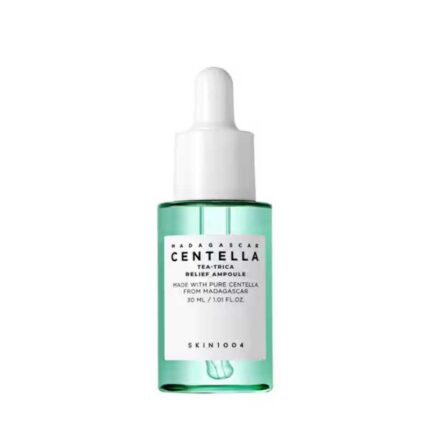 Sale
SaleOriginal price was: ৳ 1,040.00.৳ 720.00Current price is: ৳ 720.00.
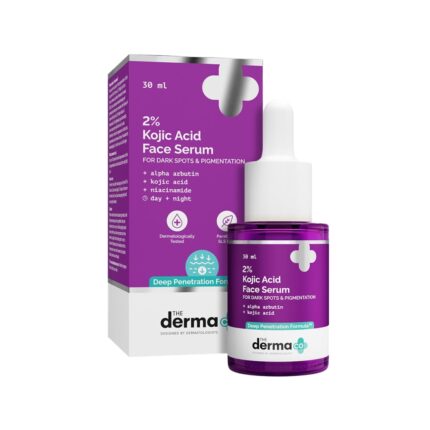 Sale
SaleOriginal price was: ৳ 1,350.00.৳ 990.00Current price is: ৳ 990.00.
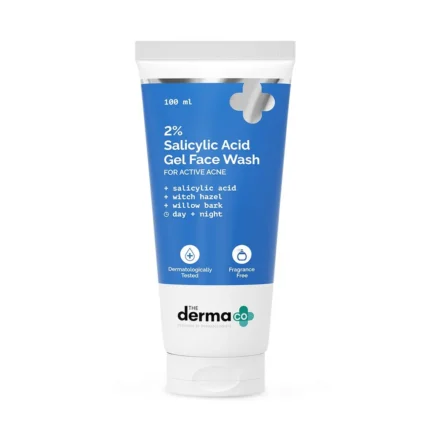 Sale
SaleOriginal price was: ৳ 1,100.00.৳ 790.00Current price is: ৳ 790.00.
The Science Behind the ‘Activated’ in Activated Charcoal Ingredient
The term “activated” refers to a process that dramatically increases the surface area of the charcoal. During activation, the charcoal is treated with hot gases, often steam or air, in a controlled environment. This treatment creates millions of tiny pores and fissures within the charcoal structure. It is this extensive porous network that gives activated charcoal its extraordinary adsorptive properties. Without activation, charcoal would have far less capacity to attract and hold onto unwanted substances, diminishing its skincare value significantly.
Adsorption is the key scientific principle at play here, rather than absorption. Absorption means one substance soaks up another, much like a sponge soaking up water. Adsorption, conversely, is a surface phenomenon where molecules adhere to the surface of a solid. Activated charcoal ingredient acts like a magnet, attracting and holding impurities, toxins, and excess oils onto its vast surface. This process effectively pulls these unwanted elements from the skin, preventing them from being reabsorbed. Industry data suggests that a single gram of activated charcoal can have a surface area equivalent to several tennis courts.
This unique surface chemistry enables charcoal powder to effectively draw out dirt, grime, and even microscopic particles that accumulate on the skin. When applied to the skin, activated charcoal readily binds to these substances. The electrical charge within the charcoal’s pores helps to attract positively charged impurities. This binding action makes it an excellent choice for deep cleansing. Rinsing the product off then carries away the charcoal along with the adsorbed impurities, leaving the skin feeling cleaner and clearer. Understanding this mechanism helps appreciate its powerful detoxifying action.
Charcoal Powder’s Role as a Detox Skincare Compound
As a premier detox skincare compound, charcoal powder excels at purifying the complexion from daily environmental stressors. Our skin is constantly exposed to pollutants, dust, and microscopic debris that can clog pores and lead to dullness. Charcoal acts as a powerful agent against these aggressors. Its unique adsorptive capacity allows it to latch onto these particles, effectively removing them from the skin’s surface and within pores. This action helps to mitigate the visible effects of environmental damage on the skin, promoting a fresher appearance.
For individuals with oily or acne-prone skin, charcoal powder offers significant advantages. Excess sebum production is a common culprit behind clogged pores and breakouts. Charcoal’s ability to adsorb oils helps to regulate surface shine and reduce the likelihood of pore blockages. By effectively managing sebum levels, it contributes to a clearer complexion. Studies have indicated that topical application of charcoal-based products can help reduce skin oiliness. This makes it an invaluable addition to a targeted skincare routine.
Beyond surface cleansing, the detoxifying action extends to microscopic impurities. Many skincare enthusiasts seek products that offer a deeper cleanse than traditional cleansers alone can provide. Charcoal powder penetrates deeper into the pores, addressing trapped dirt and cellular debris that contribute to blackheads and general congestion. Its inclusion in masks and cleansers signifies its status as a robust detox skincare compound. Regular use can lead to a noticeable improvement in skin texture and overall clarity, especially in polluted urban environments where skin faces daily challenges.
Key Skincare Benefits of Charcoal Powder
Deep Cleansing and Pore Purification
One of the most celebrated benefits of charcoal powder is its unparalleled ability to deeply cleanse the skin and purify pores. The activated charcoal ingredient works like a magnet, attracting and binding to dirt, oil, and environmental toxins that accumulate on the skin’s surface and within the pores. This intense cleansing action helps to dislodge impurities that can lead to blackheads, whiteheads, and general congestion. Regular use helps to keep pores clear, preventing future breakouts. According to dermatological observations, consistent pore purification supports overall skin health.
Oil Control and Mattifying Effects
For those struggling with excessive oiliness, charcoal powder offers an effective solution for oil control and a mattifying effect. Its remarkable adsorptive properties allow it to soak up surplus sebum on the skin. By reducing the amount of surface oil, charcoal helps to diminish shine and provide a more matte finish. This benefit is particularly valuable for individuals with oily or combination skin types. Many users report a significant reduction in greasy appearance throughout the day. This contributes to a fresher, less oily complexion, enhancing makeup longevity too.
Gentle Exfoliation
While not a primary exfoliator in the same vein as acids or physical scrubs, charcoal powder provides a mild form of exfoliation. The fine, slightly abrasive texture of charcoal particles can help to gently slough away dead skin cells from the skin’s surface. This promotes a smoother texture and encourages healthy skin cell turnover. This gentle action makes it suitable for regular use without causing harsh irritation. It supports the skin’s natural renewal process, revealing brighter and more even-toned skin underneath. This subtle exfoliation complements its cleansing properties.
Improving Skin Clarity and Radiance
By effectively removing impurities, excess oil, and dead skin cells, charcoal powder contributes significantly to improving overall skin clarity and radiance. When pores are clear and the skin’s surface is free from buildup, the complexion naturally appears brighter and more even-toned. The detoxifying action of this activated charcoal ingredient helps to reduce the appearance of dullness. Regular incorporation into a skincare routine can unveil a healthier, more vibrant glow. Users often notice a visible reduction in the appearance of blemishes and a more uniform skin tone. A clearer complexion reflects light better, enhancing natural radiance.
Different Forms and Applications of Charcoal in Skincare
Charcoal Masks: Deep Dive into Detox
Charcoal masks are perhaps the most popular way to experience the benefits of this detox skincare compound. They come in various forms, including wash-off creams, peel-off gels, and sheet masks. Wash-off masks are typically applied for 10-15 minutes, allowing the charcoal to draw out impurities before being rinsed away. Peel-off masks offer an added physical exfoliation as they are removed, taking dead skin cells and superficial blackheads with them. Sheet masks provide a convenient, less messy option, often infused with additional hydrating ingredients. Regular mask use, once or twice a week, can provide intense purification. Consumer surveys indicate high satisfaction with charcoal masks for immediate pore cleansing.
Cleansers and Face Washes: Daily Purification
Incorporating charcoal powder into daily cleansers and face washes provides a consistent, gentle purification for the skin. These products typically contain a lower concentration of activated charcoal ingredient compared to masks, making them suitable for everyday use. Charcoal cleansers work to remove daily dirt, makeup, and excess oil without stripping the skin of its essential moisture. They are excellent for maintaining a clear complexion and preventing pore congestion on a regular basis. Available in gel, foam, and cream textures, there’s a charcoal cleanser for almost every skin preference. Consistent daily cleansing with charcoal helps sustain skin health.
Soaps and Scrubs: Targeted Cleansing and Exfoliation
Charcoal-infused soaps and scrubs offer targeted cleansing and exfoliation benefits. Charcoal soaps are a traditional way to utilize the ingredient’s purifying properties, often suitable for both face and body. They are particularly beneficial for individuals with body acne or congested back skin. Charcoal scrubs, on the other hand, combine the adsorptive power of charcoal with physical exfoliating particles like sugar or finely ground seeds. These scrubs provide a more intensive exfoliation, ideal for weekly use to remove dead skin cells and deeply cleanse pores. Caution is advised with scrubs to avoid over-exfoliation. They can be highly effective when used correctly.
Spot Treatments and Specialized Products
Beyond general cleansers and masks, charcoal powder also appears in specialized spot treatments and other targeted skincare products. For example, some acne spot treatments incorporate activated charcoal to quickly draw out impurities from individual blemishes, helping to reduce their size and redness. Pore strips infused with charcoal are another application, designed to specifically target blackheads on the nose, chin, and forehead. These specialized formulations allow for direct application to problem areas, providing concentrated detoxifying benefits where they are needed most. The versatility of activated charcoal ingredient allows for diverse product development in the skincare market. These products offer focused solutions for specific skin concerns.
Who Can Benefit Most from Charcoal Powder in Their Routine?
Oily Skin Types
Individuals with oily skin types stand to gain immensely from incorporating charcoal powder into their skincare routine. Oily skin is characterized by overactive sebaceous glands, leading to excess shine, larger pores, and a predisposition to breakouts. The exceptional oil-adsorbing properties of activated charcoal ingredient make it an ideal choice for managing these concerns. It effectively mops up surplus sebum from the skin’s surface, helping to reduce greasiness and impart a desirable matte finish. Regular use can significantly diminish the feeling of oiliness throughout the day. This contributes to a more balanced and comfortable complexion for oily skin. According to anecdotal evidence from users, it provides substantial relief.
Acne-Prone Individuals
For those prone to acne, charcoal powder acts as a powerful ally in the fight against blemishes. Acne often results from a combination of excess oil, dead skin cells, and bacteria clogging pores. As a detox skincare compound, charcoal deeply cleanses pores, removing the impurities and sebum that can trigger breakouts. By preventing blockages, it helps to reduce the frequency and severity of acne flare-ups. While not a direct antibacterial agent, its ability to keep pores clear creates an environment less conducive to bacterial growth. Many dermatologists suggest charcoal-based products as a complementary treatment for acne management. It supports clearer skin by addressing underlying causes of congestion.
Those Living in Urban Environments
People residing in urban environments are constantly exposed to higher levels of air pollution, smog, and particulate matter. These environmental aggressors can settle on the skin, contributing to dullness, premature aging, and clogged pores. Charcoal powder acts as a protective and purifying barrier. Its adsorptive qualities enable it to attract and bind to these microscopic pollutants, effectively removing them from the skin before they can cause significant damage. Incorporating charcoal into a daily cleansing routine provides a vital defense against urban environmental stressors. This helps to maintain skin vitality and a healthy appearance amidst challenging conditions. Global skin health reports highlight the impact of pollution on skin.
Considerations for Dry or Sensitive Skin
While charcoal powder is highly beneficial, individuals with dry or sensitive skin should approach its use with a degree of caution and mindful application. The powerful adsorptive nature of activated charcoal ingredient, while great for oil, could potentially lead to excessive dryness if used too frequently or in overly concentrated formulas on already dry skin. For sensitive skin, the deep cleansing action might occasionally cause mild irritation, especially with peel-off masks or harsh scrubs. It is recommended for these skin types to opt for charcoal products with hydrating ingredients. Using charcoal less frequently, perhaps once a week, and always following up with a rich moisturizer can help mitigate potential dryness or irritation. Patch testing is always a prudent first step. Choosing gentle formulations ensures safety.
How to Incorporate Charcoal Powder Products Safely and Effectively
The Importance of Patch Testing
Before fully incorporating any new charcoal powder product into your routine, performing a patch test is an essential step. This simple precaution helps to identify any potential allergic reactions or sensitivities before applying the product to your entire face or body. To conduct a patch test, apply a small amount of the product to an inconspicuous area of your skin, such as behind the ear or on the inner forearm. Leave it on for the recommended duration or for 24 hours. Monitor the area for any signs of redness, itching, burning, or irritation. If no adverse reaction occurs, the product is likely safe for broader use. This critical step prevents widespread skin issues. According to skincare experts, patch testing reduces risk significantly.
Understanding Frequency of Use
The optimal frequency of using charcoal powder products depends heavily on your skin type and the specific product’s concentration. For masks or intensive treatments, once or twice a week is generally sufficient for most skin types, especially if you have oily or acne-prone skin. Daily cleansers containing activated charcoal ingredient are formulated for more frequent use and can be incorporated into your morning and evening routine. However, individuals with dry or sensitive skin might benefit from using charcoal cleansers only a few times a week to avoid excessive dryness. Always follow the product’s specific instructions. Overuse can strip the skin of its natural oils, leading to irritation. Adjusting frequency based on skin response is key.
Layering with Other Skincare Products
Effectively layering charcoal powder products with other skincare items is crucial for a balanced routine. If using a charcoal mask, it typically comes after cleansing and before toning and moisturizing. After rinsing off a charcoal mask, your pores are clean and ready to absorb subsequent treatments. Follow with a hydrating toner to restore balance, then apply serums that address your specific concerns, and finally a moisturizer to lock in hydration. When using a charcoal cleanser, it replaces your regular cleanser. Avoid using other strong exfoliating ingredients, such as retinoids or high-concentration AHAs/BHAs, immediately after a charcoal mask. This prevents potential over-exfoliation and irritation. Thoughtful layering maximizes benefits and minimizes risks.
Reading Product Labels Carefully
Always take the time to read product labels carefully when selecting charcoal powder formulations. Look for products that explicitly state “activated charcoal” to ensure you are getting the most effective form of the ingredient. Pay attention to the concentration of charcoal and other active ingredients. Some products might combine charcoal with clays like bentonite or kaolin, which can enhance detoxifying effects. Also, check for hydrating or soothing ingredients such as hyaluronic acid, glycerin, or aloe vera, especially if you have drier or sensitive skin. These can help to balance the potent adsorptive action of charcoal. Avoid products with excessive fragrances or harsh alcohols if you have reactive skin. Informed choices lead to better results. Industry standards recommend transparent ingredient lists for consumer safety.
Debunking Common Myths About Charcoal Powder
“Charcoal is too harsh for the skin.”
One prevalent myth suggests that charcoal powder is inherently too harsh for skin. This misconception often arises from the idea of charcoal as a rough, abrasive material. However, when formulated for skincare, activated charcoal ingredient is typically a very fine, gentle powder. Its efficacy comes from its porous structure and adsorptive properties, not from aggressive scrubbing. While some charcoal scrubs can be physically abrasive, many masks and cleansers are designed to be quite mild. The harshness largely depends on the product formulation and how it’s used. Opting for gentle, non-scrub formulations and proper usage helps dispel this myth. Research consistently shows properly formulated charcoal is well-tolerated.
“Charcoal strips natural oils completely.”
Another common concern is that charcoal powder strips the skin of all its natural, beneficial oils, leading to dryness and irritation. While activated charcoal does effectively adsorb excess sebum, high-quality skincare formulations are designed to be balanced. They target surplus oils and impurities without entirely depleting the skin’s protective lipid barrier. Overuse or using overly strong formulations can potentially lead to dryness, but judicious use, especially with products containing humectants, typically avoids this. The goal of charcoal in skincare is to balance oil production, not eliminate it entirely. Many modern formulations aim to leave skin feeling clean, not tight. Consumer reviews often highlight a balanced cleansing feel.
“Charcoal can permanently change pore size.”
The idea that charcoal powder can permanently change pore size is a persistent myth. Pores do not actually open and close like windows, nor can their size be permanently altered by topical products. Pore size is primarily determined by genetics, skin type, and factors like age and sun damage. What charcoal does accomplish is deep cleansing of the pores. By removing trapped dirt, oil, and dead skin cells, it makes pores appear smaller and less noticeable. When pores are clean and free of blockages, they naturally become less visible. This temporary reduction in appearance is often mistaken for a permanent change in size. The effect is purely cosmetic and temporary, lasting as long as pores remain clean. Dermatological science confirms pores cannot be permanently shrunk.
The Sustainable Side of Activated Charcoal Production
The production of activated charcoal ingredient often aligns with sustainable practices, which is an important consideration for environmentally conscious consumers. Many manufacturers source their raw materials from rapidly renewable resources such as bamboo or coconut shells. These materials are byproducts of other industries, meaning their use for charcoal production helps reduce waste. Coconut shells, for instance, are abundant and would otherwise be discarded. This approach minimizes the environmental impact compared to using virgin timber or other less sustainable sources. The cyclical nature of these resources supports a greener manufacturing process. Global trends indicate increasing demand for eco-friendly ingredients.
Moreover, the activation process itself can be managed with an eye towards reducing ecological footprints. Modern activation techniques, especially steam activation, generally avoid harsh chemicals and produce minimal hazardous waste. The byproducts of steam activation are typically water vapor and carbon dioxide, which can be managed responsibly. Companies are increasingly investing in energy-efficient activation methods to lower energy consumption. This commitment to reducing the environmental impact across the supply chain enhances charcoal powder’s appeal as a responsible skincare choice. Sustainable sourcing and production are key pillars for ethical beauty brands. Industry reports highlight a shift towards more sustainable manufacturing.
The biodegradability of charcoal powder further contributes to its sustainable profile. As a natural carbon-based material, charcoal is inherently biodegradable. When charcoal-based products are rinsed down the drain, the charcoal particles eventually break down into harmless components, posing minimal threat to aquatic ecosystems. This stands in contrast to microplastic beads found in some exfoliants, which are non-biodegradable and harmful to the environment. Choosing products with activated charcoal ingredient means supporting ingredients that return to nature without lingering pollution. This complete biodegradability makes it an excellent component for eco-friendly skincare lines. A commitment to biodegradable ingredients is a sign of environmental responsibility.
Expert Tips for Maximizing Charcoal Powder Benefits
Choosing the Right Product Concentration
Maximizing the benefits of charcoal powder begins with selecting products that have the right concentration for your skin’s needs. If you have very oily or severely congested skin, you might benefit from masks or treatments with a higher concentration of activated charcoal ingredient, used sparingly. For daily cleansing or if you have normal to combination skin, look for cleansers or gentle washes with a moderate concentration. Sensitive or dry skin types should opt for formulations that include hydrating and soothing ingredients alongside charcoal, perhaps in lower concentrations. Reading ingredient lists and understanding product descriptions will guide you. Don’t assume more charcoal means better results; balance is crucial. Skincare professionals often advise starting with lower concentrations and gradually increasing.
Proper Application Techniques for Masks
Applying charcoal masks correctly can significantly enhance their efficacy. Always start with a clean, dry face. Use a clean brush or your fingertips to apply an even layer of the mask, avoiding the delicate eye area and lips. For wash-off masks, allow them to dry completely but not to the point where they crack or feel uncomfortably tight; typically 10-15 minutes. This allows the detox skincare compound to effectively adsorb impurities. For peel-off masks, ensure a thick, even layer for easier and more effective removal. Never tug or pull aggressively, especially if you have sensitive skin. Follow manufacturer instructions precisely for best results. Gentle removal is key to avoiding irritation.
Post-Charcoal Skincare Routine (Hydration)
The steps you take immediately after using a charcoal powder product are just as important as the application itself. After rinsing off a mask or cleanser, your skin’s pores are clean and open, making it an ideal time for hydration and nourishment. Immediately follow with a hydrating toner to rebalance the skin’s pH. Then, apply a nourishing serum, rich in antioxidants or hyaluronic acid, to provide beneficial ingredients to the freshly cleansed skin. Finish with a suitable moisturizer to lock in hydration and support the skin barrier. This post-charcoal routine prevents potential dryness and maximizes the overall benefits of the detoxifying action. Adequate hydration is crucial to maintaining a healthy skin barrier post-cleanse. Data suggests proper hydration enhances overall skin health.
Comparing Charcoal Powder with Other Detox Ingredients
Charcoal Powder vs. Clays (Kaolin, Bentonite)
Charcoal powder is often compared to various cosmetic clays like kaolin and bentonite, as all are recognized for their detoxifying properties. While both charcoal and clays draw out impurities, their mechanisms and strengths differ. Clays, especially bentonite, absorb excess oil and toxins by swelling and expanding when mixed with water. They often contain beneficial minerals that can nourish the skin. Charcoal powder, particularly activated charcoal ingredient, excels in its adsorptive capacity, meaning impurities stick to its vast surface area rather than being absorbed into its structure. This makes charcoal particularly effective at binding to a wider range of pollutants and chemicals. Both are excellent for oily and acne-prone skin, but charcoal is often considered more potent for deep detoxification. Many products blend both for comprehensive benefits. Industry analysis highlights their distinct yet complementary actions.
Charcoal Powder vs. Salicylic Acid
Salicylic acid is a beta-hydroxy acid (BHA) widely praised for its ability to exfoliate inside the pores and dissolve oil. Its primary function is chemical exfoliation, breaking down the bonds between dead skin cells and clearing clogged pores. Charcoal powder, conversely, acts through physical adsorption, drawing out and binding to impurities and oils. While salicylic acid targets existing blockages and prevents new ones through exfoliation, charcoal actively pulls out substances from the skin’s surface. They are not mutually exclusive and can actually work synergistically. For example, a charcoal mask can deep clean, while a salicylic acid toner can follow to maintain clear pores and exfoliate. Salicylic acid is a treatment, while charcoal is a cleanser/detoxifier. Combining them can offer a robust approach to acne and congestion management. Experts often recommend a multi-pronged approach for effective skincare.
Charcoal Powder vs. Tea Tree Oil
Tea tree oil is a natural essential oil renowned for its antimicrobial and anti-inflammatory properties, making it a popular ingredient for treating acne. It works by targeting acne-causing bacteria and reducing redness and swelling associated with breakouts. Charcoal powder, by contrast, does not possess significant antimicrobial properties. Its role is primarily detoxification and oil adsorption. While tea tree oil directly combats bacteria and inflammation, charcoal focuses on removing the environmental and superficial factors that contribute to breakouts. They address different aspects of skin health. Using a charcoal cleanser or mask to purify pores, followed by a tea tree oil spot treatment, can be an effective combination. Each ingredient brings unique benefits to a comprehensive skincare routine. Australian tea tree industry data shows its strong antibacterial efficacy.
Unique Advantages of Charcoal Powder
The unique advantages of charcoal powder lie predominantly in its unparalleled adsorptive power and broad-spectrum detoxification capabilities. Unlike most other ingredients, activated charcoal ingredient can bind to a vast array of toxins, chemicals, and pollutants, effectively removing them from the skin. This makes it an exceptional choice for protection against urban pollution and deep pore purification. Its physical mechanism of action, adsorption, provides a distinct approach compared to chemical exfoliants or antimicrobial agents. It acts as a universal sponge for impurities without necessarily targeting specific biological processes. This makes it a versatile detox skincare compound. It can be a foundational element for maintaining overall skin clarity and health, especially for those in congested environments. No other single ingredient offers such comprehensive binding properties.
Potential Side Effects and Precautions When Using Charcoal Powder
Dryness and Irritation
While generally safe, overuse of charcoal powder products can potentially lead to dryness and irritation, particularly for individuals with already dry or sensitive skin. The powerful adsorptive nature of activated charcoal ingredient can, if used too frequently, strip the skin of its natural, beneficial oils beyond what is necessary. This can compromise the skin’s protective barrier, leading to a feeling of tightness, flakiness, or redness. It’s crucial to observe your skin’s reaction and adjust usage frequency accordingly. Always follow up with hydrating and moisturizing products to replenish moisture. If irritation persists, reduce usage or discontinue the product. Dermatological guidelines emphasize listening to your skin’s feedback. Using charcoal every day might be too much for some skin types.
Allergic Reactions
Although rare, allergic reactions to charcoal powder or other ingredients within a charcoal-based product can occur. Symptoms of an allergic reaction might include severe redness, itching, swelling, rash, or hives. This is why patch testing is a non-negotiable step before using a new product widely. If you experience any severe or persistent adverse reactions, immediately rinse off the product and seek advice from a dermatologist. Even natural ingredients can sometimes trigger sensitivities in certain individuals. Always check the full ingredient list for known allergens. While charcoal itself is inert, product formulations can include other potential irritants. Vigilance and immediate action are important when an allergic reaction is suspected.
Interactions with Topical Medications
Care should be taken when using charcoal powder products if you are also applying topical medications, especially those for acne or other skin conditions. The powerful adsorptive properties of the detox skincare compound could potentially bind to and reduce the efficacy of topical drugs if applied too closely together. For instance, if you use a prescription acne cream, applying a charcoal mask immediately before or after might interfere with the medication’s absorption into the skin. It is generally advisable to use charcoal products at a different time of day than your topical medications, or to leave a significant time gap between applications. Consult your dermatologist if you are unsure about combining charcoal with your prescription skincare. This ensures both products work effectively without counteracting each other. Physician advice is paramount for integrated skincare routines.
The Evolution of Charcoal Powder in Beauty and Wellness
Ancient Uses vs. Modern Formulations
The journey of charcoal powder from ancient remedy to modern skincare staple highlights its remarkable versatility. Historically, charcoal was recognized for its purifying properties. Ancient Egyptians used it for medicinal purposes, while indigenous cultures worldwide employed it for water purification and as an antidote for poisons. These early applications underscored its adsorptive capabilities, albeit without the scientific understanding we have today. Modern formulations leverage advanced processing techniques to create highly refined activated charcoal ingredient, specifically designed for topical application. Contemporary skincare integrates it into precise delivery systems, combining it with other beneficial ingredients to enhance efficacy and user experience. This evolution showcases a blend of traditional wisdom and cutting-edge science. The scientific understanding has transformed its application significantly.
Trends in the Skincare Industry
Charcoal powder has been a prominent trend in the skincare industry for over a decade, maintaining its popularity due to consistent results and consumer demand for natural detoxifiers. Initially appearing in masks, its success led to its incorporation across a wider range of products, including cleansers, scrubs, and even makeup. The “detox” and “purifying” narratives resonated strongly with consumers concerned about environmental pollution and maintaining clear skin. Its widespread adoption solidified its place as a trusted detox skincare compound. The trend also spurred innovations in combining charcoal with other active ingredients, such as hyaluronic acid for hydration or salicylic acid for exfoliation, to create multi-functional products. This sustained interest demonstrates its enduring value in the beauty landscape. Market research consistently shows strong consumer preference for detoxifying ingredients.
Future Innovations in Charcoal Skincare
The future of charcoal powder in skincare promises further innovation, building on its established efficacy. Researchers are exploring novel ways to enhance its adsorptive capacity and improve its delivery systems. This might include micro-encapsulated charcoal for targeted release, or ultra-fine charcoal particles designed for deeper penetration without irritation. There is also growing interest in combining activated charcoal ingredient with advanced biotechnological components, such as prebiotics and probiotics, to support a healthy skin microbiome while detoxifying. Sustainable sourcing and production methods will continue to be a focus, ensuring that charcoal remains an eco-conscious choice. Expect to see charcoal integrated into smart skincare devices or personalized formulations. The continuous quest for better skin health drives ongoing development. Technological advancements will unlock new potential for this ingredient.
Frequently Asked Questions
What is the main benefit of using charcoal powder in skincare?
The main benefit of charcoal powder in skincare is its powerful ability to detoxify and deeply cleanse the skin. It effectively adsorbs impurities, excess oil, and environmental pollutants from the skin’s surface and within pores. This action helps to reduce congestion, minimize breakouts, and leave the skin feeling clearer and refreshed, contributing to an overall healthier appearance.
Can charcoal powder help with acne?
Yes, charcoal powder can be highly beneficial for acne-prone skin. As an activated charcoal ingredient, it helps by drawing out the excess sebum, dirt, and debris that commonly clog pores and lead to breakouts. While it doesn’t directly kill bacteria, by keeping pores clean and clear, it creates an environment less conducive to acne formation, thus helping to reduce blemishes.
How often should I use charcoal skincare products?
The frequency of using charcoal skincare products depends on your skin type and the product’s intensity. For intensive treatments like masks, once or twice a week is typically sufficient for most. Daily cleansers with charcoal can be used once or twice a day. Individuals with dry or sensitive skin might prefer less frequent use, such as a few times a week, to avoid over-drying.
Is charcoal powder safe for all skin types?
Charcoal powder is generally safe for most skin types, especially oily and acne-prone skin. However, individuals with very dry or highly sensitive skin should use charcoal products with caution, opting for gentler formulations and less frequent use. Always perform a patch test before full application, and listen to your skin’s reactions to avoid potential dryness or irritation, ensuring it remains a beneficial detox skincare compound.
Final Thoughts
The journey to achieving clearer, healthier skin often involves discovering powerful ingredients that align with our skin’s needs. Charcoal powder stands out as a formidable ally in this quest, offering unparalleled detoxifying and purifying benefits. Its unique ability as an activated charcoal ingredient to adsorb impurities, excess oil, and environmental pollutants makes it an essential component for a truly deep cleanse. By integrating this potent detox skincare compound into your routine, you can effectively combat congestion, manage oiliness, and reveal a complexion that is visibly clearer and more radiant. Embrace the power of charcoal powder to transform your skin and maintain its natural vitality.