
Caprylic/Capric Triglyceride: Your Guide to a Skincare Essential

Understanding the ingredients in your skincare products is vital for achieving healthy, radiant skin. Among the myriad of components, Caprylic/Capric Triglyceride stands out as a highly beneficial and widely used compound. This ingredient, often overlooked, plays a crucial role in enhancing the performance and texture of countless skincare formulations. By reading this comprehensive guide, you will gain a deep understanding of what Caprylic/Capric Triglyceride is, how it works, and why it deserves a spot in your daily routine.
What Exactly is Caprylic/Capric Triglyceride?
Caprylic/Capric Triglyceride is a mixed triester derived from coconut oil and glycerin. It’s not a whole oil, but rather a specific fraction of coconut oil. The “caprylic” and “capric” refer to the fatty acids (caprylic acid and capric acid) that are extracted from coconut or palm kernel oil. These fatty acids are then combined with glycerin to create a stable and skin-friendly emollient. This process effectively isolates the most beneficial parts of the oils, leaving behind compounds that might irritate sensitive skin. The result is a clear, odorless liquid with excellent stability and a pleasant feel on the skin. It serves as an exceptional base for many skincare formulations.
Recommended Products
 Sale
SaleOriginal price was: ৳ 2,920.00.৳ 2,040.00Current price is: ৳ 2,040.00.
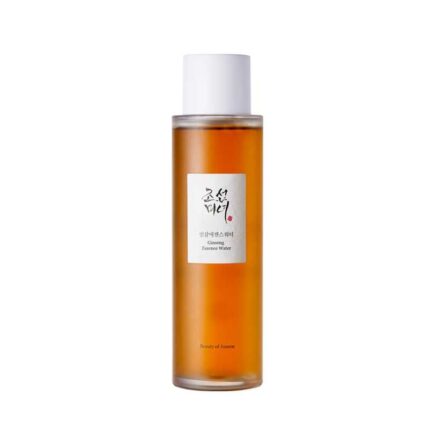 Sale
SaleOriginal price was: ৳ 2,840.00.৳ 1,988.00Current price is: ৳ 1,988.00.
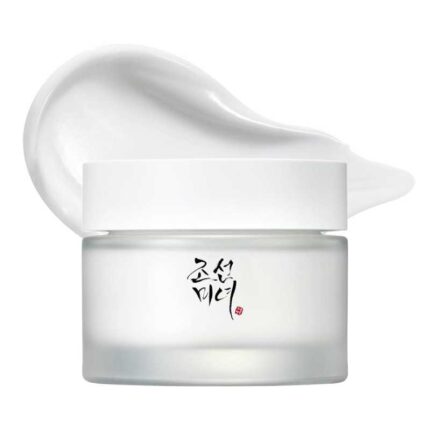 Sale
SaleOriginal price was: ৳ 3,300.00.৳ 2,310.00Current price is: ৳ 2,310.00.
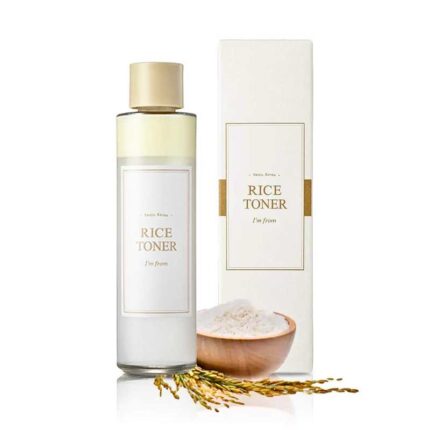
How Caprylic/Capric Triglyceride is Made
The creation of Caprylic/Capric Triglyceride involves a sophisticated process called esterification. This begins with the hydrolysis of coconut oil, which separates the fatty acids from glycerin. Specifically, caprylic acid and capric acid are isolated. These medium-chain fatty acids are then re-esterified with glycerin. This controlled manufacturing process ensures purity and consistency. According to industry standards, this synthetic process allows for a highly purified product, free from the sensitizing components sometimes found in raw coconut oil. The resulting triglyceride is stable against oxidation, meaning it resists breaking down and becoming rancid, unlike many natural oils. This enhanced stability contributes significantly to a product’s shelf life.
The Key Benefits for Your Skin
The advantages of incorporating Caprylic/Capric Triglyceride into your skincare are extensive. Primarily, it acts as a superior emollient, creating a protective barrier on the skin’s surface. This barrier helps to reduce moisture loss, leading to improved hydration and a softer skin texture. Beyond its moisturizing capabilities, it also functions as a dispersing agent for pigments and active ingredients, ensuring they are evenly distributed in a formulation. Furthermore, it helps to thicken products and provides a silky, non-greasy feel, enhancing user experience. Research indicates that emollients like this one are crucial for maintaining skin barrier integrity, particularly in individuals with dry or compromised skin.
Understanding Its Role as a Lightweight Moisturizer
One of the most praised attributes of Caprylic/Capric Triglyceride is its effectiveness as a lightweight moisturizer. Unlike heavier oils that can feel greasy or occlusive, this triglyceride absorbs quickly into the skin without leaving a tacky residue. Its unique molecular structure allows it to hydrate effectively while maintaining a barely-there feel. This makes it an ideal ingredient for a wide range of skin types, including oily and combination skin, which often struggle with rich moisturizers. It provides essential hydration without clogging pores, a common concern for those prone to breakouts. Its ability to impart moisture without heaviness makes it a favorite in serums and lotions.
Why It’s a Superior Coconut Derived Emollient
While derived from coconut oil, Caprylic/Capric Triglyceride is distinct from virgin coconut oil. The isolation of specific fatty acids removes the longer-chain fatty acids that can sometimes be problematic for sensitive or acne-prone skin. This refining process makes it a more reliable and universally tolerated coconut derived emollient. It delivers the conditioning benefits of coconut without the potential downsides. Its emollient properties help to smooth the skin and reduce trans-epidermal water loss (TEWL), a key indicator of skin barrier function. Industry data suggests that purified fractions offer superior sensory properties and stability compared to their unrefined counterparts. This makes it a preferred choice for formulators aiming for elegant and effective products.
Safety Profile and Skin Sensitivity
Caprylic/Capric Triglyceride boasts an excellent safety profile, making it suitable for even the most sensitive skin types. It is generally recognized as safe (GRAS) by regulatory bodies and is non-irritating and non-sensitizing. Its gentle nature means it rarely causes adverse reactions, distinguishing it from some natural oils that can trigger allergic responses or acne. Dermatologists frequently recommend products containing this ingredient for individuals with conditions like eczema or rosacea, due to its mildness and barrier-supporting properties. Extensive toxicological studies confirm its benign nature, showing no evidence of toxicity or mutagenicity. This makes it a cornerstone ingredient in hypoallergenic and clean beauty formulations.
Common Skincare Products Featuring This Ingredient
You can find Caprylic/Capric Triglyceride in an incredibly diverse array of skincare and cosmetic products. Its versatility makes it a staple in formulations ranging from facial moisturizers and serums to sunscreens, cleansers, and makeup. Its ability to act as an emollient, solvent, and dispersing agent makes it invaluable. For instance, in sunscreens, it helps to evenly spread UV filters, enhancing protection. In makeup, it provides a smooth application and improves spreadability. Consumers seeking high-quality, stable, and effective products will frequently encounter this ingredient listed prominently. Its widespread use underscores its proven efficacy and safety across various product categories.
Comparing Caprylic/Capric Triglyceride with Other Emollients
When stacked against other common emollients, Caprylic/Capric Triglyceride often comes out ahead in terms of feel and versatility. Unlike petrolatum or mineral oil, which can feel heavy and occlusive, it provides a much lighter, silkier texture. It also outperforms many natural plant oils in terms of oxidative stability, meaning it is less likely to become rancid over time. While squalane offers similar lightweight emollient benefits, Caprylic/Capric Triglyceride often has a more accessible price point and similar efficacy. According to cosmetic chemists, its unique fatty acid composition offers a balanced approach to hydration without greasiness. This allows formulators to create elegant products that appeal to a broad consumer base.
Is It Non-Comedogenic? Addressing Breakouts
A frequent concern for those with acne-prone skin is whether ingredients will clog pores and lead to breakouts. Caprylic/Capric Triglyceride is widely considered non-comedogenic. Its composition of medium-chain triglycerides means it is less likely to block pores than heavier, longer-chain fatty acids found in some other oils. This makes it an excellent choice for individuals prone to acne, as it provides hydration and skin barrier support without exacerbating blemishes. Many oil-free or non-comedogenic product labels proudly feature this ingredient. Studies suggest that its smaller molecular size and specific fatty acid profile contribute to its low comedogenic rating, making it a safe bet for most skin types.
The Science Behind Its Skin Barrier Support
The skin barrier, also known as the stratum corneum, is our body’s first line of defense against environmental aggressors and moisture loss. Caprylic/Capric Triglyceride significantly contributes to supporting this crucial barrier. By forming a protective, yet breathable, film on the skin’s surface, it helps to seal in moisture and prevent external irritants from penetrating. This action strengthens the skin’s natural defenses, promoting overall skin health and resilience. Research published in dermatological journals highlights the importance of effective emollients in repairing and maintaining a healthy skin barrier. Regular use of products containing this ingredient can lead to a visibly smoother and more robust complexion, less prone to dryness and sensitivity.
Antioxidant Properties and Skin Protection
Beyond its emollient and moisturizing capabilities, Caprylic/Capric Triglyceride also exhibits some antioxidant properties. While not its primary function, the presence of specific fatty acids can help to neutralize free radicals, which are unstable molecules that can damage skin cells and accelerate aging. This secondary benefit adds another layer of protection for the skin against environmental stressors like pollution and UV radiation. By helping to mitigate oxidative stress, it contributes to maintaining youthful and healthy-looking skin. This ingredient often works synergistically with other antioxidants in formulations, boosting the overall protective power of a product. Its role in comprehensive skincare is therefore multifaceted.
Formulation Advantages for Skincare Brands
For skincare formulators, Caprylic/Capric Triglyceride is an incredibly valuable asset. Its stability, excellent sensory profile, and compatibility with a wide range of other ingredients make it highly desirable. It acts as an effective solvent for fat-soluble vitamins and active compounds, ensuring they are evenly dispersed and fully effective within the product. Its ability to improve spreadability and reduce the greasiness of formulations allows for the creation of elegant, consumer-friendly textures. Cosmetic scientists often choose this triglyceride for its reliability and consistent performance, ensuring that products maintain their integrity and efficacy over their shelf life. Its non-comedogenic and non-irritating nature further simplifies formulation for sensitive skin lines.
Sustainable Sourcing and Environmental Impact
The sustainability of skincare ingredients is an increasingly important consideration for both consumers and brands. Caprylic/Capric Triglyceride, being derived from coconut and/or palm kernel oil, raises questions about its environmental footprint. However, responsible sourcing practices are becoming more prevalent. Many manufacturers now commit to using sustainably harvested raw materials, often certified by organizations like the Roundtable on Sustainable Palm Oil (RSPO) if palm kernel oil is used. This ensures that the production of this ingredient minimizes negative ecological and social impacts. Consumers can look for brand transparency regarding their sourcing policies, supporting companies that prioritize ethical and environmentally friendly practices. Continuous efforts are being made to enhance the sustainability of this widely used ingredient.
Dispelling Myths and Misconceptions
Despite its benefits, some myths surrounding Caprylic/Capric Triglyceride persist. One common misconception is confusing it with whole coconut oil, leading to concerns about comedogenicity or irritation. As established, it is a highly refined fraction, not the whole oil, and is generally non-comedogenic and well-tolerated. Another myth is that it’s “too chemical” because of its processing; however, the esterification process creates a stable and safe compound, optimizing the beneficial elements. It is also sometimes mistakenly believed to be an active ingredient itself, rather than a delivery system or enhancer for other actives. Understanding its precise role helps in appreciating its true value in skincare science.
Integrating Caprylic/Capric Triglyceride into Your Routine
Incorporating products containing Caprylic/Capric Triglyceride into your skincare routine is straightforward and beneficial for most skin types. Look for it in your daily moisturizer, serum, or even your cleanser. If you have dry skin, it will help fortify your skin barrier and lock in hydration. For oily or acne-prone skin, it offers lightweight moisture without promoting breakouts. It pairs well with virtually all other skincare ingredients, from retinoids to vitamin C, making it a versatile addition. Always apply products with this ingredient to clean skin, and follow with sunscreen during the day. Consistent use can lead to noticeably softer, smoother, and more resilient skin over time.
Frequently Asked Questions
Is Caprylic/Capric Triglyceride safe for sensitive skin?
Yes, Caprylic/Capric Triglyceride is widely regarded as safe for sensitive skin. It is non-irritating, non-sensitizing, and often included in hypoallergenic formulations due to its mild nature and excellent safety profile.
Does Caprylic/Capric Triglyceride clog pores or cause acne?
No, Caprylic/Capric Triglyceride is considered non-comedogenic. Its composition of medium-chain fatty acids is less likely to clog pores than heavier oils, making it suitable for acne-prone skin types.
Is this ingredient natural or synthetic?
Caprylic/Capric Triglyceride is derived from natural sources (coconut or palm kernel oil and glycerin) but undergoes a chemical process called esterification. This makes it a natural-derived, processed ingredient, often considered a natural-identical component.
What is the main function of Caprylic/Capric Triglyceride in skincare?
Its main functions are acting as an excellent emollient, providing lightweight moisture, and enhancing the texture and spreadability of skincare products. It helps reduce moisture loss and supports a healthy skin barrier.
Final Thoughts
Caprylic/Capric Triglyceride is a truly remarkable and underestimated ingredient in the vast world of skincare. Its ability to serve as an effective, non-greasy emollient, a lightweight moisturizer, and a stabilizing agent makes it indispensable in countless formulations. For anyone seeking to improve skin hydration, enhance product texture, and support a healthy skin barrier without worrying about irritation or clogged pores, products containing Caprylic/Capric Triglyceride are an excellent choice. Embrace this versatile ingredient to foster a more resilient, smoother, and happier complexion.