
Camellia Sinensis Leaf Extract: Skin Benefits

Skin care labels can feel confusing when one familiar plant has several different names. Camellia Sinensis Leaf Extract appears often because it comes from the tea plant, the same source as green tea. This ingredient draws interest from shoppers who want calmer, fresher-looking skin.
What Is Camellia Sinensis Leaf Extract?
Camellia Sinensis Leaf Extract comes from the leaves of the Camellia sinensis plant. This plant gives us green tea, black tea, white tea, and oolong tea. However, skin care makers often use green tea leaves because they keep more natural polyphenols.
Polyphenols are plant compounds that help defend against visible stress. Research shows green tea leaves contain catechins, which are a well-known group of polyphenols. Because of this, Camellia Sinensis Leaf Extract often appears in formulas made for dullness, redness, and daily comfort.
How the tea plant becomes an extract
Ingredient makers soak or process tea leaves to pull out useful compounds. They may use water, glycerin, alcohol, or other safe solvents during this step. As a result, the final extract can fit toners, creams, serums, cleansers, and masks.
Camellia Sinensis Leaf Extract can vary from one product to another. The plant source, harvest time, and extraction method can change the final profile. That is why two products with the same ingredient name may feel different on skin.
Why green tea gets the most attention
Green tea leaves receive less oxidation than black tea leaves. Oxidation means plant compounds react with air, which changes the tea leaf. Since green tea keeps more catechins, brands often choose it for antioxidant skin care claims.
Camellia Sinensis Leaf Extract works well in daily products because it feels light and blends with many bases. Dermatologists often discuss green tea as a helpful cosmetic ingredient, not a drug. This means it can support skin appearance, but it does not treat medical skin disease.
What shoppers should expect
Most shoppers should expect gentle support, not an overnight change. Camellia Sinensis Leaf Extract may help skin look calmer with steady use. However, results depend on the full formula, your skin type, and how often you apply it.
When a product feels soothing, the extract may play one helpful role. Other ingredients, such as glycerin, panthenol, or niacinamide, can also support comfort. So a good product should combine Camellia Sinensis Leaf Extract with a balanced base.
Recommended Products
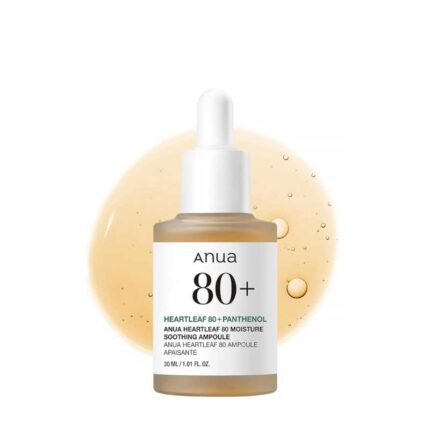 Sale
SaleOriginal price was: ৳ 3,050.00.৳ 2,506.00Current price is: ৳ 2,506.00.
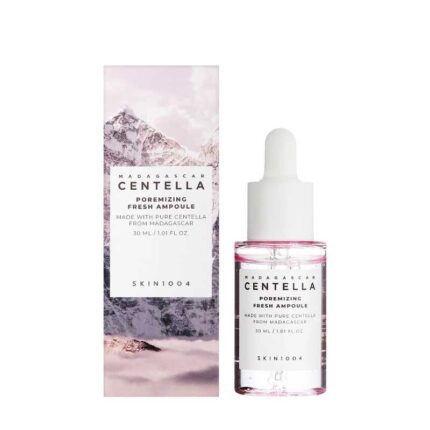 Sale
SaleOriginal price was: ৳ 2,620.00.৳ 1,834.00Current price is: ৳ 1,834.00.
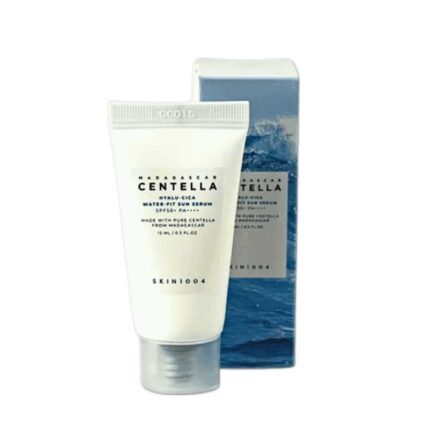 Sale
SaleOriginal price was: ৳ 980.00.৳ 686.00Current price is: ৳ 686.00.
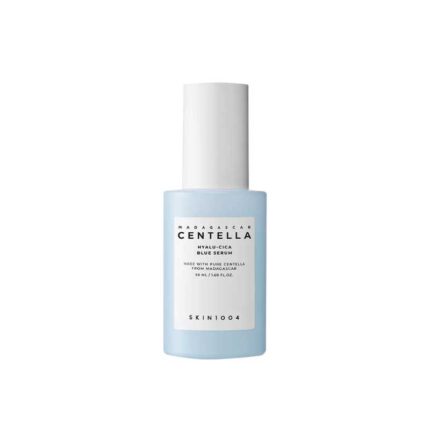 Sale
SaleOriginal price was: ৳ 2,580.00.৳ 1,806.00Current price is: ৳ 1,806.00.
Why Shoppers Notice This Green Tea Extract Ingredient
Many buyers search for a green tea extract ingredient because green tea already feels familiar. People drink it for its plant compounds, mild taste, and cultural history. In skin care, Camellia Sinensis Leaf Extract offers a similar sense of natural, gentle support.
Studies show green tea compounds can help reduce oxidative stress in lab settings. Oxidative stress happens when unstable molecules affect skin cells and surface lipids. Because of this, brands often place Camellia Sinensis Leaf Extract in formulas for daily environmental exposure.
It fits many product types
Camellia Sinensis Leaf Extract appears in moisturizers, sunscreens, face mists, eye gels, and after-sun products. Since it dissolves well in many formulas, brands can add it without a heavy feel. This makes it useful for shoppers who dislike greasy products.
For example, a gel moisturizer may use the extract for a fresh finish. A cream may pair it with oils and butters for more cushion. Meanwhile, a toner may use Camellia Sinensis Leaf Extract for a light, cooling feel.
It supports the skin barrier
The skin barrier is the outer layer that helps keep moisture in. It also helps keep irritants out. When the barrier feels stressed, skin may look red, tight, rough, or shiny.
Camellia Sinensis Leaf Extract does not replace barrier ingredients like ceramides or fatty acids. However, it can support a formula that aims to calm the look of stress. That is why it often appears with humectants, which pull water into the skin.
It appeals to sensitive shoppers
Sensitive skin shoppers often want fewer harsh sensations. Camellia Sinensis Leaf Extract has a calm reputation because green tea links to soothing care. Still, every skin type can react to any plant extract.
Patch testing helps reduce the risk of surprise irritation. Apply a small amount near the jaw or inner arm first. When the area stays comfortable, you can try the product on your face.
Skin Benefits of Camellia Sinensis Leaf Extract
Camellia Sinensis Leaf Extract has become popular because it offers several cosmetic benefits at once. It can support a brighter look, a calmer feel, and a more balanced finish. However, the strongest results come from a complete routine.
Research indicates that green tea catechins can act as antioxidants. Antioxidants help neutralize free radicals, which are unstable molecules linked to visible aging signs. Because of this, Camellia Sinensis Leaf Extract often appears in products for city living and daily sun exposure.
Antioxidant support for daily stress
Skin faces stress from pollution, smoke, heat, and UV exposure. Sunscreen remains the main daily defense against UV damage. Still, antioxidant skin care can add helpful support during the day.
Camellia Sinensis Leaf Extract can help a formula target the look of tired skin. It may also support skin that looks dull after long days outside. As a result, shoppers often pair it with vitamin C, niacinamide, or sunscreen.
Antioxidants do not make skin invincible. They work best when your routine also includes cleansing, moisture, and sun protection. That is why Camellia Sinensis Leaf Extract should support your basics, not replace them.
Soothing support for visible redness
Many shoppers notice redness after cleansing, shaving, sun, or wind. Camellia Sinensis Leaf Extract may help reduce the look of that visible stress. Because it has a soothing profile, brands often add it to calming products.
Some marketers call green tea an antioxidant soothing compound in product education. That phrase makes sense because the extract can support both antioxidant care and comfort. However, a mild formula matters as much as the extract itself.
Dermatologists often recommend fragrance-free products for easily irritated skin. Fragrance can bother some people, even when it smells pleasant. So sensitive shoppers should check the full label before choosing Camellia Sinensis Leaf Extract products.
Oil balance and a fresher finish
Oily skin can feel hard to manage. Heavy creams may feel slick, while harsh cleansers can leave skin tight. Camellia Sinensis Leaf Extract fits well into lighter products for a fresher finish.
Studies suggest green tea compounds may help improve the look of excess shine. This does not mean the extract shuts down oil. Instead, it may support a more balanced look when paired with gentle cleansing.
When skin feels stripped, it can look uneven and feel uncomfortable. A lightweight lotion with Camellia Sinensis Leaf Extract may help restore comfort. For oily skin, choose gel creams or water-based serums first.
Support for aging concerns
Fine lines often look worse when skin feels dry or stressed. Camellia Sinensis Leaf Extract can support formulas that target early aging signs. Its antioxidant profile makes it a common partner for peptides and hydrating agents.
Collagen is a protein that helps skin look firm. UV exposure and time can affect collagen over many years. Since antioxidants support skin against visible stress, green tea extract can make sense in age-care routines.
However, retinoids, sunscreen, and steady moisture remain more proven for wrinkles. Camellia Sinensis Leaf Extract works best as a supporting ingredient. Use it for comfort, balance, and defense against daily visible stress.
How It Compares With Similar Ingredients
Camellia Sinensis Leaf Extract shares space with many popular botanical ingredients. Shoppers often compare it with aloe, chamomile, centella, licorice, and resveratrol. Each one can help skin, yet each has a different strength.
Research shows plant extracts can contain many active compounds at once. This makes them useful, but also less predictable than single ingredients. Because of this, product quality matters when choosing Camellia Sinensis Leaf Extract.
Green tea extract versus aloe
Aloe vera often feels cool and hydrating on skin. It contains water-rich gel compounds that help a formula feel fresh. Camellia Sinensis Leaf Extract focuses more on antioxidant and calming support.
When skin feels hot or dry, aloe can feel pleasant right away. However, green tea may offer broader support against visible daily stress. Many products combine both because they work well together.
Choose aloe-heavy products when you want a watery, cooling feel. Choose Camellia Sinensis Leaf Extract when you want antioxidant care with a light soothing effect. For best comfort, look for both in a fragrance-free product.
Green tea extract versus chamomile
Chamomile has a long history in soothing skin care. It contains compounds such as bisabolol, which can support comfort. Camellia Sinensis Leaf Extract brings a stronger green tea antioxidant story.
Although both ingredients can calm the look of skin, they do not feel identical. Chamomile often appears in creams for dryness and irritation. Green tea fits well in oily, combination, and redness-prone routines.
People with ragweed allergies sometimes avoid chamomile. Green tea may suit those shoppers better, but patch testing still matters. Any botanical ingredient can cause a reaction in a small group of users.
Green tea extract versus centella
Centella asiatica has become popular in barrier care products. It often appears in creams for stressed, dry, or over-treated skin. Camellia Sinensis Leaf Extract may feel lighter and more focused on antioxidant defense.
Centella contains madecassoside and asiaticoside, which are plant compounds linked to soothing care. Green tea contains catechins, which researchers study for antioxidant effects. As a result, the best choice depends on your main skin concern.
If your skin feels raw from too many actives, centella may feel more comforting. If your skin looks shiny or dull, Camellia Sinensis Leaf Extract may suit you well. Some calming formulas include both for wider support.
How to Read Product Labels
A product label can tell you more than a front claim. Camellia Sinensis Leaf Extract may appear near the middle or end of an ingredient list. Ingredient order shows concentration from highest to lowest until the one percent level.
However, a low place on the list does not always mean poor value. Plant extracts can work at modest amounts in well-made formulas. Research in cosmetic science often tests extracts at low to moderate levels.
Look for the full formula
Do not judge a product by one ingredient alone. Camellia Sinensis Leaf Extract can help, but the base decides texture and comfort. A gentle cleanser, for example, still needs mild surfactants that do not strip skin.
For dry skin, look for glycerin, squalane, ceramides, or shea butter. For oily skin, look for gel textures, humectants, and light emollients. When the formula matches your skin type, the extract can support better results.
Some products use green tea mainly for marketing. Others build the whole formula around calming and antioxidant care. That is why the ingredient list, texture, and brand testing all matter.
Check for irritants and fragrance
Fragrance can make a product feel more appealing in the store. Yet it can bother people with sensitive or reactive skin. Since calming is a common goal, fragrance-free Camellia Sinensis Leaf Extract products often make more sense.
Essential oils can also cause issues for some shoppers. Natural scent does not always mean gentle. So read labels for lavender oil, citrus oils, peppermint oil, and strong fragrance blends.
Alcohol can feel drying in some leave-on products. However, not all alcohols work the same way. Fatty alcohols, such as cetyl alcohol, help creams feel smooth and rich.
Understand product claims
Cosmetic claims describe appearance, feel, and support. They should not promise to cure acne, eczema, rosacea, or sun damage. Camellia Sinensis Leaf Extract can support calmer-looking skin, but it is not a medical treatment.
When a label says antioxidant, it usually means the product targets visible stress. When it says soothing, it means the formula may reduce the look or feel of discomfort. These claims depend on the full product, not just the extract.
Look for brands that explain testing and directions clearly. Clear use instructions help you avoid overuse and irritation. A good product should tell you when and how to apply it.
Who Should Use It and Who Should Pause
Camellia Sinensis Leaf Extract suits many skin types, which helps explain its wide use. It can fit dry, oily, combination, mature, and sensitive routines. Still, no single ingredient works perfectly for everyone.
Dermatologists recommend matching products to skin type and concern. This reduces the chance of irritation and wasted money. Because of this, shoppers should choose formulas with Camellia Sinensis Leaf Extract based on texture and supporting ingredients.
Best fit for oily and combination skin
Oily and combination skin often needs balance without harsh dryness. Camellia Sinensis Leaf Extract works well in gels, lotions, and watery serums. These textures give support without a heavy film.
When shine is your main concern, avoid thick occlusive creams during the day. Occlusive ingredients form a seal over skin, which can feel heavy. Instead, try a light moisturizer with humectants and green tea extract.
Salicylic acid can also help clogged pores and oil. However, it may feel drying if used too often. Pairing it with Camellia Sinensis Leaf Extract may help the routine feel less harsh.
Best fit for redness-prone skin
Redness-prone skin often reacts to heat, scrubs, fragrance, or strong actives. Camellia Sinensis Leaf Extract can support a calmer-looking routine. A simple formula with few irritants usually works best.
Although the extract may soothe, it cannot replace medical care for lasting redness. See a qualified professional if redness burns, stings, or spreads. Early guidance can prevent more discomfort.
Use lukewarm water and avoid rough cloths when cleansing. Then apply a mild moisturizer with Camellia Sinensis Leaf Extract. This simple approach can help reduce avoidable irritation.
When to patch test or avoid
Patch testing helps everyone, especially people with allergies. Apply a small amount to one area for several days. If itching, swelling, or burning appears, stop using the product.
People with known tea plant allergies should avoid Camellia Sinensis Leaf Extract. This type of allergy is uncommon, but it can happen. Also pause if a product causes repeated stinging or rash.
Pregnant or nursing shoppers can usually use basic cosmetic green tea products. However, ask a health professional about medicated products or strong active blends. This is wise when a routine includes retinoids, acids, or prescription care.
How to Add It to Your Routine
Camellia Sinensis Leaf Extract works best when you place it in a simple, steady routine. You do not need every green tea product on the shelf. One well-chosen product can give enough support.
Studies on skin routines show consistency matters more than constant product changes. Skin often needs several weeks to show visible improvement. Because of this, give Camellia Sinensis Leaf Extract time before judging results.
Morning routine tips
Morning care should protect skin from daily stress. Cleanse gently, then apply a green tea serum or moisturizer. After that, use broad-spectrum sunscreen as your final daytime step.
Sunscreen matters because UV exposure drives many visible aging signs. Camellia Sinensis Leaf Extract can support your routine, but it cannot replace SPF. Use both if your goal is brighter, calmer-looking skin.
If you wear makeup, choose light layers that do not pill. Pilling happens when products roll into small flakes. A thin green tea serum can sit well under sunscreen when the texture matches.
Evening routine tips
Evening care should remove the day and restore comfort. Start with a gentle cleanser that suits your skin type. Then apply a treatment or moisturizer with Camellia Sinensis Leaf Extract.
When using retinol or acids, keep the rest of your routine simple. Strong actives can cause dryness, flaking, or stinging. A calming product with green tea may help the skin feel more comfortable.
However, do not layer too many products at once. More steps do not always mean better results. Instead, build a routine you can repeat without irritation.
How often to use it
Most people can use Camellia Sinensis Leaf Extract once or twice daily. The right frequency depends on the product type and your skin response. A cleanser rinses off, while a serum stays on longer.
If your skin reacts easily, start every other day. Then increase use if your skin feels calm. This slower pace helps you spot problems before they affect your whole face.
For body care, green tea lotions can support areas exposed to sun and friction. Neck, chest, arms, and hands often show visible stress. Applying a light lotion daily can help those areas feel smoother.
What to pair it with
Camellia Sinensis Leaf Extract pairs well with glycerin, hyaluronic acid, niacinamide, and panthenol. Hyaluronic acid is a humectant that helps hold water. Panthenol is a form of vitamin B5 that supports comfort.
Vitamin C can pair well with green tea in morning antioxidant routines. However, sensitive skin may prefer one active at a time. Introduce new products slowly to avoid confusion.
Retinol users may enjoy green tea support at night. Retinol can improve the look of lines and texture, but it can also dry skin. A soothing moisturizer can make steady use easier.
How to Choose a Good Product
Buying skin care should feel easier when you know what to check. Camellia Sinensis Leaf Extract can appear in budget, mid-range, and premium products. Price alone does not prove quality or performance.
Cosmetic chemists often remind shoppers that formula design drives results. A luxury jar can still include fragrance or a poor texture for your skin. Meanwhile, a simple affordable serum can perform well.
Choose the right product type
A cleanser with Camellia Sinensis Leaf Extract may feel pleasant, but it rinses away. A leave-on serum, toner, or moisturizer gives the extract more contact time. This means leave-on products often make more sense for skin benefits.
For dry skin, choose a cream or lotion with barrier support. For oily skin, choose gel cream, essence, or serum textures. When skin feels reactive, choose fewer ingredients and no added scent.
Eye creams with green tea can feel refreshing in the morning. However, puffiness can also come from sleep, salt, allergies, or genetics. So keep expectations realistic when shopping.
Review packaging
Packaging can affect how well a formula stays fresh. Antioxidant ingredients often do best in tubes, pumps, or air-limited containers. Jars expose the product to more air and fingers.
Camellia Sinensis Leaf Extract does not spoil instantly in a jar. Still, cleaner packaging can help protect the formula over time. It also helps reduce mess and waste.
Store products away from heat and direct light. Heat can change texture, scent, and color. A bathroom cabinet may work if it stays cool and dry.
Watch texture and feel
A product only helps when you enjoy using it. Camellia Sinensis Leaf Extract can fit many textures, from watery toners to rich creams. Your best choice should match your climate and skin type.
Humid weather often makes heavy creams feel too thick. Dry weather may make gels feel too light. So you may need different green tea products for different seasons.
Try sample sizes when possible. This helps you judge scent, finish, and comfort before buying more. It also lowers the chance of wasting money on a poor match.
Set realistic expectations
Camellia Sinensis Leaf Extract can support healthier-looking skin, but it works gradually. You may notice comfort before you notice tone or texture changes. Visible results often depend on sleep, sun habits, and the rest of your routine.
Marketing photos can make results look faster than real life. Lighting, makeup, and editing may change how skin appears. Because of this, judge your own progress in the same light each week.
Take a simple photo before starting a new product. Then check again after several weeks of steady use. This gives you a fairer view of whether the product helps.
Common Mistakes to Avoid
Camellia Sinensis Leaf Extract is easy to use, but shoppers still make common mistakes. Most problems come from over-layering or choosing the wrong formula. A simple plan can help you avoid irritation and waste.
Skin experts often warn against changing too many products at once. When irritation appears, you cannot tell which product caused it. That is why slow changes make better sense.
Expecting a medical result
Green tea skin care can improve the look and feel of skin. It does not cure acne, rosacea, eczema, or allergic rashes. Camellia Sinensis Leaf Extract belongs in cosmetic care, not disease treatment.
If a skin problem hurts or keeps returning, seek medical advice. A professional can identify triggers and offer proper care. Then you can use cosmetic products for comfort and support.
This does not make green tea products useless. It simply keeps expectations clear and fair. With the right goal, the extract can become a helpful daily support.
Ignoring the rest of the formula
A product can contain Camellia Sinensis Leaf Extract and still irritate your skin. Strong fragrance, drying alcohol, or harsh exfoliants may overpower the calming benefit. Always read the label beyond the featured ingredient.
For example, a toner may promote green tea but include strong scent. A mask may include the extract but also contain rough scrubbing particles. These details matter for sensitive shoppers.
Choose products that match your main concern. If you want soothing care, pick a gentle formula. If you want oil control, pick a light formula with balanced actives.
Using too many actives
Actives are ingredients that target visible concerns like tone, pores, or lines. Retinol, acids, vitamin C, and benzoyl peroxide can all count as actives. Camellia Sinensis Leaf Extract can support these routines, but it cannot erase overuse.
When skin stings after every product, reduce your routine. Use a gentle cleanser, moisturizer, and sunscreen for several days. Then add treatments back one at a time.
Green tea formulas may help restore comfort during this reset. However, choose a simple moisturizer rather than a strong treatment serum. Your skin barrier needs calm, not more stress.
Frequently Asked Questions
Is Camellia Sinensis Leaf Extract the same as green tea?
Camellia Sinensis Leaf Extract comes from the tea plant, and many cosmetic versions use green tea leaves. However, the exact extract can vary by source and processing method. Check the product description if you want a clear green tea focus.
Can Camellia Sinensis Leaf Extract clog pores?
The extract itself usually feels light and water-friendly. However, the full formula can still clog pores if it contains heavy oils or waxes. Choose gel or lotion textures if you break out easily.
Can I use it with vitamin C or retinol?
Yes, Camellia Sinensis Leaf Extract can fit with vitamin C or retinol in many routines. Start slowly if your skin feels sensitive. Use sunscreen each morning, especially when your routine includes active treatments.
How long does it take to see results?
Comfort may improve within a short time if the formula suits your skin. Tone, texture, and shine often need several weeks of steady use. Take weekly photos in the same light to track changes fairly.
Final Thoughts
Camellia Sinensis Leaf Extract offers gentle antioxidant and soothing support for many daily routines. It works best when the full formula matches your skin type and avoids harsh extras. Choose one well-made leave-on product, patch test first, and pair it with daily sunscreen.