
Cactus Extract Guide: Skin, Hair & Hydration Benefits

Dry skin and brittle hair can feel impossible to fix with harsh products or heavy creams. Cactus Extract offers a plant-based option that aims to add moisture and calm irritation. Many shoppers choose it for gentle hydration and lightweight feel.
What is Cactus Extract?
Cactus Extract comes from succulent plants that store water in arid climates. The extract concentrates water-retaining compounds, antioxidants, and soothing nutrients. Studies show that many plant extracts support moisture retention and skin barrier function.
For example, extracts from prickly pear and similar species carry polysaccharides that attract water. That is why cosmetic makers often add cactus-derived ingredients to hydrating serums and lotions. Research indicates topical extracts may help skin feel softer and look smoother.
Recommended Products
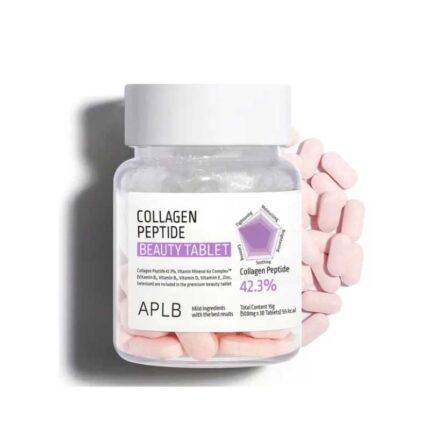 Sale
SaleOriginal price was: ৳ 1,240.00.৳ 868.00Current price is: ৳ 868.00.
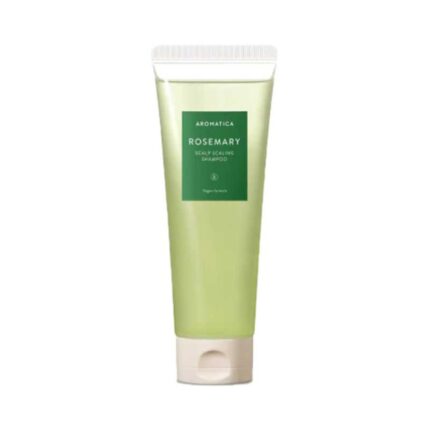 Sale
SaleOriginal price was: ৳ 2,220.00.৳ 1,554.00Current price is: ৳ 1,554.00.
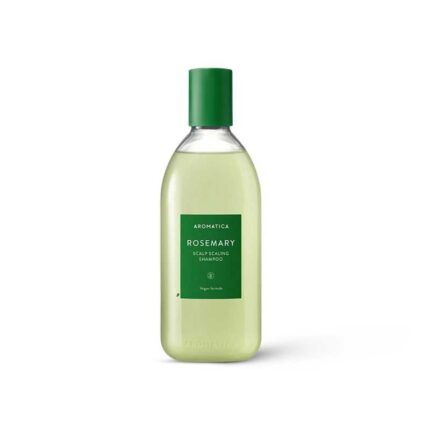 Sale
SaleOriginal price was: ৳ 3,300.00.৳ 2,970.00Current price is: ৳ 2,970.00.
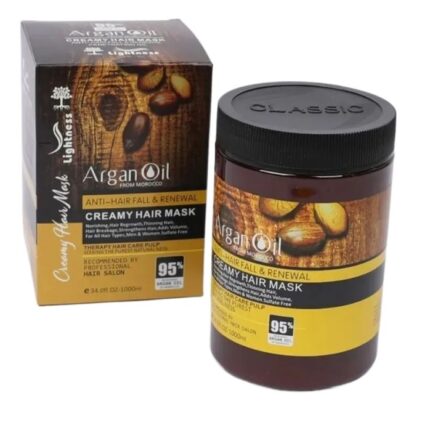 Sale
SaleOriginal price was: ৳ 1,200.00.৳ 950.00Current price is: ৳ 950.00.
Types and Sources: opuntia ficus indica extract Explained
The most common commercial source is opuntia ficus indica extract, taken from the prickly pear cactus. This species yields pads and fruits rich in mucilage and phenolic compounds. Dermatologists recommend products that list the full botanical name for clarity and consistency.
Because suppliers vary, quality can differ across brands. For example, cold-pressed pads may preserve active compounds better than heat-processed versions. That means checking labels and ingredient lists can help you pick higher-quality formulas.
How Cactus Extract Is Made
Manufacturers harvest pads or fruits and wash them to remove debris. Next, producers extract soluble compounds using water, glycerin or mild solvents to preserve delicate actives. Studies show gentle extraction methods retain more of the hydration-supporting polysaccharides.
After extraction, the liquid concentrates and stabilizes for use in creams, serums, and hair products. This process preserves antioxidants and vitamins, which contribute to soothing and anti-oxidative effects. As a result, finished products can deliver lighter hydration than thick oils.
Skin Benefits of Cactus Extract
Cactus Extract helps skin by attracting and holding moisture at the surface. Many users notice reduced dryness and less tightness after applying cactus-containing products. Research indicates plant polysaccharides can form a thin film that limits moisture loss.
Because it contains antioxidants, cactus-derived ingredients may help protect skin from environmental stress. For example, vitamin E-like compounds reduce oxidative damage according to some reviews. This means routine use can support overall skin resilience.
Hydration and Barrier Support
Cactus Extract supplies humectant compounds that draw water into the skin. This supports the outer barrier and reduces transepidermal water loss. Dermatologists often pair humectants with occlusives for lasting hydration.
Soothing and Anti-Inflammatory Effects
Many formulas use cactus because it calms irritation from dryness or sun exposure. Studies show plant extracts can reduce redness and soothe sensitive skin. For that reason, many sensitive skin products include cactus-derived ingredients.
Antioxidant Properties
Cactus Extract contains flavonoids and betalains that act as antioxidants. These molecules help neutralize free radicals from pollution and UV light. As a result, skin exposed to daily stressors may appear healthier over time.
Hair and Scalp Benefits
Hair care lines use Cactus Extract to help hydrate strands without weighing them down. The extract improves combability and adds shine for many hair types. Research indicates that humectant-rich extracts can help reduce breakage by improving elasticity.
Because the scalp can become dry and irritated, topical cactus formulas aim to calm flaking and itch. That means you might see fewer flakes and less tightness when you use a cactus-infused shampoo or mask. Still, results vary by product and individual scalp condition.
Why It Works as a Desert Hydration Ingredient
Cactus plants evolved to survive long dry seasons by storing water and protective compounds. As a desert hydration ingredient, cactus-derived extracts mimic those properties for human skin. Studies show succulent plants produce mucilage and sugars that hold water effectively.
Therefore, formulations using cactus ingredients provide lightweight moisture suited to dry climates. Consumers in arid regions often prefer cactus-based creams because they hydrate without heavy occlusion. That balance helps skin feel nourished without a greasy finish.
How to Read Labels and Choose Products
Look for full botanical names, such as opuntia ficus indica extract, on the ingredient list. That indicates the product uses a recognized cactus species and not an ambiguous derivative. Consumers should also check where the extract appears in the list to gauge concentration.
That is why scanning the top ingredient positions helps identify formulas with meaningful levels. For example, a cactus extract listed near the top likely plays a primary role in the product. Also look for simple preservative systems and few harsh additives if you have sensitive skin.
Formulations: Which Product Types Use Cactus Extract?
Manufacturers add Cactus Extract to many formats, including serums, moisturizers, hair masks, and sunscreens. Serums deliver concentrated plant actives, while creams provide longer-lasting hydration. That means your choice should match how you like to apply skincare.
When shopping, consider whether you need lightweight daily hydration or intense overnight repair. For instance, a cactus serum may suit oily skin, while a richer cream fits dry skin. Hair products with cactus often include other humectants such as glycerin for added benefit.
Comparing Cactus Extract With Other Humectants
Cactus Extract works alongside common humectants like hyaluronic acid and glycerin. Hyaluronic acid draws moisture at multiple skin depths, while cactus supplies film-forming polysaccharides. Studies show combining humectants often yields better hydration than single-ingredient use.
So, pairing cactus with proven humectants can increase overall moisture retention. For this reason, many effective formulations mix plant extracts with lab-made humectants. Consumers should watch for balanced formulas that avoid overloading skin with sticky ingredients.
DIY Use and Home Remedies
Some shoppers prefer to try natural cactus gel at home from trimmed pads or fruit. If you try this, clean the pad thoroughly to remove spines and sap. Then extract the gel and test a small skin patch for irritation before broader use.
Although homemade gels can offer short-term moisture, commercial extracts undergo processing to ensure stability and safety. That means store-bought products often last longer and contain preservatives to prevent spoilage. Still, home use provides a direct way to experience the plant’s texture and scent.
Safety, Allergies, and Side Effects
Most people tolerate Cactus Extract well, but allergic reactions can occur rarely. If you have plant allergies, test any new product on a small area of skin for 24 to 48 hours. Dermatologists advise patch testing before applying new botanicals broadly.
Also keep in mind that raw cactus juices may irritate broken skin or sensitive areas. For this reason, avoid open wounds and eye contact when trying fresh gel. If redness or persistent irritation appears, stop using the product and consult a healthcare professional.
How to Incorporate Cactus Extract Into a Routine
Mornings benefit from a lightweight cactus serum under sunscreen to add hydration without heaviness. At night, thicker creams containing cactus extract support repair and moisture replenishment. That routine helps maintain a stable moisture balance across the day.
When using in hair care, apply cactus-containing conditioners to mid-lengths and ends. Leave-in sprays with cactus extract can freshen curls and reduce frizz between washes. For best results, combine cactus products with regular cleansing and gentle exfoliation.
Claims vs. Evidence: What Research Says
Studies show that plant-derived mucilages and polysaccharides attract water and help skin retain moisture. Clinical trials on specific cactus extracts are limited but promising for hydration and soothing effects. Research indicates combining botanical extracts with tested humectants yields measurable benefits.
However, not all products offer the same concentration or quality of active compounds. That means looking for independent testing or lab reports can help validate manufacturers’ claims. Consumers should remain cautious of unsupported promises and high claims without evidence.
Sustainability and Sourcing Concerns
Cactus farming can be low-impact because succulents require less water than many crops. Local cultivation of opuntia species often supports biodiversity and reduces irrigation needs. That makes cactus extracts an appealing option for eco-conscious shoppers.
Still, irresponsible wild harvesting can harm native populations and habitats. For that reason, seek brands that state ethical sourcing or work with community growers. That choice helps support sustainable supply chains and fair labor practices.
Common Product Questions and Shopping Tips
When shopping for cactus products, consider your skin type and climate. People with oily skin may prefer serums, while dry skin may need creams or oils paired with cactus extract. Also check for fragrances if you have sensitive or reactive skin.
Try travel sizes first to test compatibility and avoid waste if a product does not suit you. That is why many brands offer sample sizes or trial packs. Buying samples can save money and provide a clear sense of how your skin responds over time.
Price and Value Considerations
Prices vary widely based on concentration, brand reputation, and additional actives. Higher price does not always equal better performance, but pure, well-formulated extracts often cost more. Reviews and ingredient transparency can indicate whether a product offers real value.
For everyday use, aim to balance cost with ingredient quality and your personal tolerance. Consumers often find mid-priced options that combine cactus extract with effective humectants. That balance usually delivers consistent hydration without overspending.
How Long Until You See Results?
Many users notice immediate moisture and improved texture after the first application. Long-term improvements in skin softness and barrier function may appear after several weeks of consistent use. Studies suggest that sustained application matters more than single-use effects.
So expect both instant and gradual benefits from cactus-infused routines. Keep a simple log to track changes if you want objective feedback. That practice helps determine whether the product fits your needs and provides real value.
Combining Cactus Extract With Other Ingredients
Cactus Extract pairs well with hyaluronic acid, niacinamide, and ceramides for balanced hydration. Niacinamide supports barrier repair, while ceramides lock in moisture. Therefore, choose formulas that combine cactus with these proven actives for best results.
Avoid mixing strong acids and retinoids with new plant extracts until you know how your skin reacts. That step reduces the chance of irritation from ingredient interactions. When in doubt, introduce one new product at a time and monitor skin response.
Real User Experiences and Common Feedback
Consumers commonly report softer skin, less tightness, and improved hair manageability with regular use. Some users praise the lightweight feel and quick absorption of cactus serums. Others note that richer creams provide longer-lasting overnight comfort.
Negative feedback often relates to low concentrations or mismatched product textures for certain skin types. For example, a heavy cream can feel too occlusive in hot climates. That is why personal testing and selecting formulas for your skin type matters greatly.
Regulatory and Labeling Considerations
Cosmetic regulations vary by region and determine permissible claims on labels. Brands cannot claim to treat medical conditions without drug approval. For that reason, products usually focus on hydration and cosmetic improvements.
Check labels for “dermatologist tested” or “clinically tested” and ask for study details if available. This step helps verify manufacturer claims and ensures products meet your expectations. Transparency indicates a brand takes product safety seriously.
Top Questions About Effectiveness
Because formulations differ, effectiveness depends on concentration and complementary ingredients. Many studies show that humectants and antioxidants work best in combination. That means selecting balanced products increases the chance of good outcomes.
Also consider your routine and environmental factors, such as humidity and sun exposure. These elements influence how well any hydrating product performs. Adjusting your regimen seasonally can help maintain consistent results.
Who Should Use Cactus Extract?
People with dry, sensitive, or combination skin types often benefit from cactus-based products. Those who live in arid climates may see the most noticeable improvements. Still, people with oily skin can use lighter formulations without heaviness.
Consult a dermatologist if you have chronic skin conditions or severe allergies. A professional can recommend specific products and guide you through safe options. That approach reduces the risk of adverse reactions and improves results.
Storage and Shelf Life
Store products in a cool, dry place away from direct sunlight to preserve active compounds. Many cactus formulations need no special refrigeration. However, check the product label for storage instructions and expiration dates.
Once opened, most cosmetic products last between six months and two years depending on preservatives. Look for a period-after-opening symbol to know how long you can use a product safely. That practice helps you avoid expired formulas that may irritate skin.
Do Natural Extracts Mean Better Results?
Natural does not always mean more effective, and concentration matters. A tiny amount of cactus extract in a formula may not deliver noticeable effects. For this reason, look for products that list cactus extract near the front of the ingredient list.
That placement suggests a meaningful concentration that can provide benefits. Also consider independent testing and user reviews to gauge real-world performance. Objective feedback helps separate marketing from true efficacy.
Common Misconceptions
One misconception is that cactus extract alone can replace all moisturizers. In reality, it often works best combined with other humectants and moisturizers. Another myth is that natural equals non-irritating; any botanical can cause reactions in sensitive people.
So use caution and test new products before full application. That cautious approach reduces the risk of unexpected irritation. It also helps you identify the best product fit for your skin and hair.
Formulating for Different Climates
Formulators adjust concentration and supporting ingredients based on climate needs. In humid areas, lighter gels with cactus extract perform well. Conversely, dry climates often require creams that pair cactus with oils to seal moisture.
That means consumers should choose textures adapted to their environment for optimal comfort. Changing products seasonally can maintain hydration without clogging pores. This strategy keeps skin balanced year-round.
Travel and On-the-Go Uses
Travel-sized cactus serums and mists work well for quick hydration during flights or long commutes. A facial mist with cactus extract can refresh skin without heavy residue. Try these options for short-term relief when you cannot follow a full routine.
Also pack a small cream with cactus for overnight moisture in dry hotel rooms. That step prevents waking with tight, flaky skin. Portable products offer flexible care while traveling.
Marketing Terms to Watch For
Labels may use terms like “cactus water” or “cactus juice,” which can vary in concentration and quality. For clarity, look for scientific names such as opuntia ficus indica extract. That habit helps ensure you get a verified botanical ingredient.
Also be wary of vague marketing claims that promise dramatic results without evidence. Brands that explain extraction methods and ingredient percentages offer more transparency. That transparency builds trust and helps you make informed choices.
Cost-Effective Ways to Try Cactus Extract
Look for multi-use products like serums that treat both skin and neck areas to save money. Sample sets provide a low-risk way to try different textures and concentrations. That approach helps you find effective formulas without spending heavily upfront.
Subscription plans or bundle discounts can also reduce per-product costs if you plan to use cactus products long term. However, only subscribe after testing products and confirming compatibility. That caution prevents waste and buyer’s remorse.
How Brands Test Cactus Extracts
Companies may run stability tests, microbiological checks, and small clinical trials to confirm safety and efficacy. Studies show formulations with humectants and antioxidants can improve skin hydration in short trials. Brands that publish test details show a commitment to product quality.
Ask for test summaries or third-party certifications if you want more assurance. That request can reveal whether a brand invested in science-backed development. Transparency like this often aligns with higher consumer satisfaction.
Trends and Innovations
Recent trends pair cactus extract with marine and fungal actives to broaden hydration and protective effects. Some brands explore sustainable sourcing and fair-trade prickly pear farms. These innovations increase product variety and environmental accountability.
While trends change, the core appeal of cactus remains its lightweight hydration and soothing nature. That reliability makes it a solid choice for everyday care. Expect continued formulation improvements as research progresses.
Frequently Asked Questions
Is Cactus Extract safe for sensitive skin?
Most people tolerate Cactus Extract well, but some individuals experience irritation. Always patch test a small area for 24 hours before broader use, and stop use if redness appears.
Can I use opuntia ficus indica extract on my hair?
Yes, opuntia ficus indica extract can hydrate hair strands and help with elasticity and shine. Apply products to mid-lengths and ends, and choose lightweight formulations to avoid buildup.
How often should I apply cactus-based products?
Apply cactus serums once or twice daily depending on your routine and skin needs. For intense hydration, include a cactus cream at night and a serum in the morning under sunscreen.
Does cactus work better alone or with other ingredients?
Cactus works best combined with humectants like hyaluronic acid and barrier-supporting ceramides. Mixed formulas generally deliver more noticeable and lasting hydration than single-ingredient products.
Final Thoughts
Cactus Extract offers a gentle, plant-based path to hydration for both skin and hair that suits many routines. For best results, choose products with clear labeling like opuntia ficus indica extract and pair them with proven humectants. Try a small sample first and select a formulation that matches your climate and skin type for lasting benefits from this desert hydration ingredient.