
4-Butylresorcinol: Complete Skin Brightening Guide

Struggling with stubborn dark spots or uneven skin tone can feel frustrating. 4-Butylresorcinol offers a targeted option for brighter, more even skin. This guide explains how it works and how to use it safely.
What is 4-Butylresorcinol?
4-Butylresorcinol is a synthetic skin-brightening molecule used in topical skincare. Studies show it inhibits key steps in melanin production, which can reduce hyperpigmentation over time. Dermatologists recommend it as an alternative to harsher agents for many skin types.
For example, research indicates that 4-Butylresorcinol can act at multiple points in the melanin pathway. Because it targets enzyme activity, it often works with fewer inflammatory effects than some older treatments. This means users may see fading without strong irritation.
Recommended Products
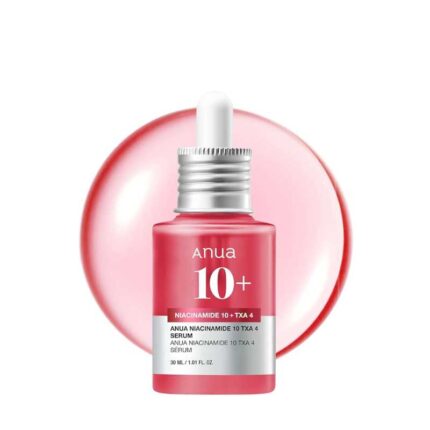 Sale
SaleOriginal price was: ৳ 3,160.00.৳ 2,212.00Current price is: ৳ 2,212.00.
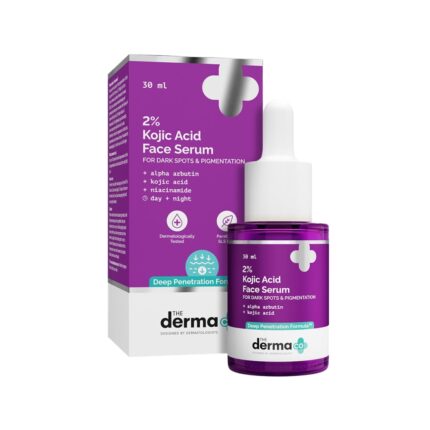 Sale
SaleOriginal price was: ৳ 1,350.00.৳ 990.00Current price is: ৳ 990.00.
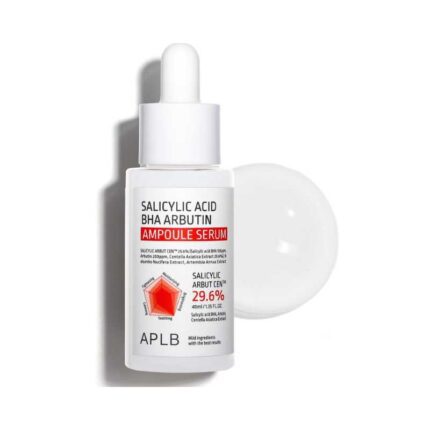 Sale
SaleOriginal price was: ৳ 1,300.00.৳ 910.00Current price is: ৳ 910.00.
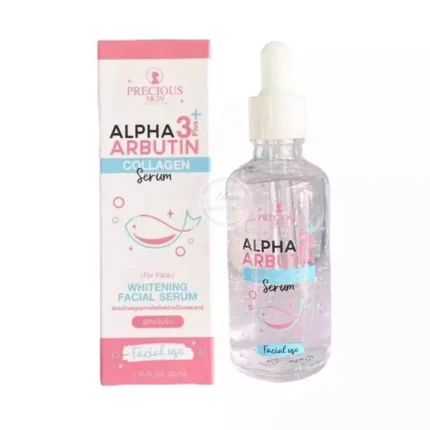 Sale
SaleOriginal price was: ৳ 795.00.৳ 599.00Current price is: ৳ 599.00.
How 4-Butylresorcinol Works on Skin
At its core, 4-Butylresorcinol blocks enzymes the skin uses to make pigment. When those enzymes slow down, melanin synthesis decreases and dark spots can fade. Research indicates that this melanin inhibiting compound works by interfering with tyrosinase and other steps in pigment production.
As a result, treated skin can show less visible pigmentation after consistent use. Studies show that the compound reduces pigment markers in lab models and in clinical tests. While results vary, many reports show measurable improvement within weeks to months.
Benefits of 4-Butylresorcinol
Many people choose 4-Butylresorcinol because it reduces dark spots with low irritation. Research indicates it performs well compared with several common brighteners. Dermatologists recommend it for people seeking a gentler alternative to stronger chemicals.
Because it acts directly on pigment enzymes, the compound tends to target existing discoloration and slow new spot formation. This advanced brightening ingredient often pairs well with sunscreens and routine skincare. For many, it delivers steady improvement in skin tone and clarity.
Evidence and Clinical Findings
Clinical studies and lab data support the use of 4-Butylresorcinol for hyperpigmentation. Research indicates consistent reductions in melanin markers and visible spot size when applied properly. Dermatologists often cite a favorable balance between effectiveness and tolerability.
For example, clinical trials comparing different brighteners showed that this compound performs well while producing fewer redness or peeling effects. That evidence has led to its inclusion in many commercial serums and creams. Still, individual responses vary and patience is required.
How to Use Products with 4-Butylresorcinol
Start by checking product concentration and instructions from the maker. When you begin, apply a small amount to a test area and watch for reactions for several days. Because skin can react differently, this step reduces the chance of unexpected irritation.
Next, apply to clean, dry skin once daily or as the product directs. For many, evening application followed by sunscreen in the morning is an effective routine. Research indicates consistent use yields better results than occasional application.
Best Concentrations to Look For
Products vary in strength and formulation. Look for concentrations recommended by the brand and supported by clinical tests. For many consumers, moderate concentrations provide a suitable balance of safety and effect.
Because higher concentration can increase irritation, start at lower strength if you have sensitive skin. That is why patch testing matters for safe adoption. Over time, you can move to stronger formulas if your skin tolerates them.
Application Timing and Layering
Apply 4-Butylresorcinol after cleansing and before heavier creams. When using other actives, layer according to texture and tolerance. For example, apply thin serums first and creams last to keep absorption effective.
Because some actives may amplify sensitivity, avoid combining with strong exfoliants at first. Instead, introduce other ingredients slowly while you monitor skin. This means you can keep benefits while limiting irritation.
Combining with Other Actives
Combining 4-Butylresorcinol with sunscreen is essential for results. When you protect skin from UV, fading can progress without new damage. Research indicates sun protection is a top factor in long-term pigmentation control.
You can pair the ingredient with gentle antioxidants like vitamin E or niacinamide for supportive effects. However, strong acids or retinoids may increase sensitivity when started at the same time. Instead, add actives one by one to see how your skin responds.
Safety and Side Effects
4-Butylresorcinol is generally well tolerated when used as directed. Clinical reports show lower rates of irritation compared with some aggressive brighteners. Still, any topical active can cause localized redness or itching in sensitive people.
Because allergic reactions are possible, perform a patch test before full-face use. Dermatologists recommend stopping use if you see persistent swelling or severe discomfort. That advice helps you avoid worsening a reaction.
Common Side Effects
Mild dryness and temporary redness are the most common complaints. These effects often subside as skin builds tolerance. If symptoms persist beyond a few weeks, consult a dermatologist for tailored advice.
Because overuse can damage the skin barrier, follow product directions and avoid mixing many active products at once. This reduces risks and supports steady improvement. When in doubt, slow down your routine and add hydration.
Patch Testing
Patch testing reduces the risk of an adverse reaction. Apply a small amount of product behind your ear or on the inner forearm and observe for 48 to 72 hours. If you see no irritation, you can proceed to normal use while still watching for changes.
That simple step can prevent surprise reactions on the face. Dermatologists recommend patch tests for new active ingredients, especially for people with sensitive skin. So take that precaution before wider use.
Use During Pregnancy and for Children
Pregnant or breastfeeding people should consult a clinician before starting new actives. While some brighteners have clear safety data, many lack specific studies in pregnancy. A clinician can advise on safer alternatives if needed.
For children, avoid potent actives unless advised by a pediatric dermatologist. Children’s skin differs from adult skin and may react more strongly. Therefore, use gentle products and seek professional guidance when concerned.
Comparing 4-Butylresorcinol with Other Brighteners
Many brighteners are available, each with pros and cons. For example, hydroquinone can be very effective but sometimes causes irritation and long-term use concerns. By contrast, 4-Butylresorcinol often balances good results with milder side effects.
Vitamin C acts as an antioxidant and brightener but varies by formulation stability. Niacinamide reduces pigment transfer and supports barrier health. This melanin inhibiting compound can complement these other actives when used carefully.
4-Butylresorcinol vs Hydroquinone
Hydroquinone blocks melanin more broadly but can irritate and requires medical oversight at higher strengths. In contrast, 4-Butylresorcinol often shows similar effects without some of hydroquinone’s downsides. Many dermatologists recommend it when patients want effective yet gentler options.
Because regulatory rules vary by region, some treatments are available only with a prescription. Research indicates that long-term management benefits from safe maintenance products rather than constant high-strength therapy. That approach helps protect skin health over time.
4-Butylresorcinol vs Vitamin C
Vitamin C brightens mainly by antioxidant action and by interfering with pigment formation indirectly. 4-Butylresorcinol directly inhibits melanin enzymes, which makes its mechanism more targeted. For many users, combining both can support clearer skin if tolerance allows.
Yet stability and formulation of vitamin C matter greatly for results. When combined, watch for pH compatibility and layering order. If irritation occurs, separate their use by applying one in the morning and the other at night.
4-Butylresorcinol vs Niacinamide
Niacinamide reduces the transfer of pigment to skin cells and improves barrier function. When used alongside 4-Butylresorcinol, the pair can target pigment from two angles. This complementary action often gives balanced results with low irritation.
Because both are generally mild, they are a good option for sensitive skin. That is why many formulations include niacinamide as a supporting ingredient. Still, watch for total active load if your routine already has strong acids or retinoids.
Who Should Try 4-Butylresorcinol?
People with sun spots, melasma, or post-inflammatory hyperpigmentation may benefit from 4-Butylresorcinol. Research indicates improvements in many of these conditions when products are used consistently. However, individual outcomes vary based on skin type and adherence.
If you have sensitive or reactive skin, start with lower concentrations and patch testing. Consulting a dermatologist can help you choose a product and plan to reach your goals safely. For many, a guided approach improves results and minimizes setbacks.
How to Choose a Product with 4-Butylresorcinol
Check the ingredient list for an active concentration and supportive components. Look for formulas that include moisturizing agents to protect the skin barrier. Because the active works best on hydrated skin, a balanced formula can improve both comfort and outcomes.
Consider product texture and compatibility with your routine. For example, serums often deliver concentrated actives while creams can offer more hydration. Read manufacturer guidance and pay attention to clinical claims backed by studies when available.
Packaging and Stability
Packaging matters because some actives degrade when exposed to light or air. Choose products in opaque or pump containers to support stability. That simple choice can extend the product’s effective life and protect your investment.
Because formulation affects how much active reaches the skin, rely on brands with reputable testing. Research indicates that clinical trials and third-party testing improve product reliability. Thus, look for evidence of testing when possible.
Price and Value
Higher price does not always mean better performance. Look for transparent ingredient lists and published test results instead of just brand claims. That approach helps you evaluate whether a product delivers real value for your needs.
For budget-conscious shoppers, consider starting with a lower-cost product to test tolerance. Then upgrade to a clinically supported product if you want stronger evidence of benefit. This staged approach reduces waste and expense.
Shopping Tips and What to Expect
When you buy a 4-Butylresorcinol product, expect gradual results with consistent use. Studies show that topical brightening often takes weeks to produce visible change. For many users, meaningful improvements appear after two to three months of steady application.
Keep using sunscreen and gentle cleansers to protect progress. Sun exposure can undo fading by triggering new pigment formation. So combining sun protection with active treatment is crucial for long-term success.
Store products according to label instructions to preserve potency. That means keeping them in a cool, dry place away from direct sunlight. Doing so helps maintain performance over time.
Common Myths and Misconceptions
One myth claims brighteners work overnight. In reality, fading takes time and consistency. Research indicates biological changes in pigment production need weeks to months to become visible.
Another myth says natural products always outperform synthetic ones. While some natural agents help, synthetic actives like 4-Butylresorcinol are often engineered for targeted action. That targeted action can yield reliable results for many users.
Finally, some believe more product equals faster results. Overuse can harm the skin barrier and cause inflammation that worsens pigmentation. Instead, follow recommended dosing for safe progress.
Realistic Timelines and Expectations
Expect gradual changes and maintain realistic timelines. For many, initial lightening appears within four to eight weeks. Full results may require three months or longer with consistent use.
Because skin turnover and pigment biology differ among people, results vary. Factors such as sun exposure, hormonal changes, and skin type influence the pace of improvement. That is why patience and adherence matter for long-term success.
Practical Routine Example
Here is a simple routine to follow while using a 4-Butylresorcinol product. In the morning, cleanse, apply antioxidant serum, use sunscreen, and apply makeup as desired. This supports protection and prevents new pigment formation.
At night, cleanse, apply the 4-Butylresorcinol serum or cream, then follow with moisturizer as needed. Because night is when repair occurs, many people see benefit from nighttime application. If you use retinoids, space them out to minimize irritation.
Expert Tips from Dermatologists
Dermatologists recommend consistent sun protection when treating hyperpigmentation. Studies show sunscreen use is the single most important step to maintain fading results. That is a recurring clinical message across pigment studies.
Also, clinicians often advise starting slow with multiple actives. When you add 4-Butylresorcinol, introduce other potent ingredients gradually. This reduces the chance of barrier disruption and supports steady improvement.
Where 4-Butylresorcinol Fits in a Long-Term Plan
For many, the ingredient becomes part of a maintenance regimen after initial treatments. Research indicates continued, moderate use can help sustain results. Combining treatment phases with maintenance is a common dermatology approach.
If you have persistent or severe pigmentation, a clinician may recommend procedural options alongside topical care. Procedures and topicals can work together to speed clearing. Yet even after procedures, topical maintenance with safe actives is crucial.
Environmental and Lifestyle Factors That Affect Results
Sun exposure, hormones, and inflammation all influence pigmentation. Avoiding tanning and managing underlying inflammation can improve outcomes. For example, treating acne that causes post-inflammatory dark spots helps the active ingredient work better.
That is why lifestyle choices matter for visible improvement. Adequate sleep, a balanced diet, and proper sun protection support skin repair. When these factors align, active ingredients like 4-Butylresorcinol have a better chance to show results.
Frequently Asked Questions
Is 4-Butylresorcinol safe for all skin types?
Many skin types tolerate 4-Butylresorcinol well when used as directed. However, people with very sensitive or reactive skin should patch test first. A dermatologist can advise if you have a specific skin condition or concern.
How long does it take to see results?
Most users notice some improvement within four to eight weeks. For full fading, expect three months or longer with consistent use. Results vary by skin type, sun exposure, and adherence.
Can I use it with sunscreen and vitamin C?
Yes, combining 4-Butylresorcinol with sunscreen is essential and safe. You can often use vitamin C as well, but introduce actives slowly to avoid irritation. If irritation occurs, separate their use by time of day.
Will it work on melasma?
4-Butylresorcinol can help with melasma as part of a broader plan. Research indicates it reduces pigment production, which may benefit melasma. Still, melasma often needs multi-faceted management and professional guidance.
Final Thoughts
4-Butylresorcinol is a practical and evidence-backed option for people seeking safer brightening results. Studies show it can reduce melanin production and fade dark spots while often causing less irritation than some alternatives. Try a well-formulated product, patch test first, and pair it with regular sunscreen for the best outcome.