
Beta Arbutin: Guide to Brighter, Even Skin

Do dark spots or uneven tone make you avoid mirrors sometimes? Beta Arbutin can help fade marks while staying gentle on skin. Read clear advice on using Beta Arbutin the right way.
What is Beta Arbutin?
Beta Arbutin is a skin-brightening molecule derived from plant sources or made synthetically. Studies show it slows melanin production, which leads to fewer dark spots over time. Dermatologists recommend it as a milder alternative to harsh bleaching agents for many skin types.
Because it releases hydroquinone slowly, Beta Arbutin targets pigment formation without aggressive irritation. This melanin reducing compound works at a biochemical level to reduce the enzyme tyrosinase activity that drives pigment. That is why many products list Beta Arbutin as a key ingredient for evening skin tone.
Recommended Products
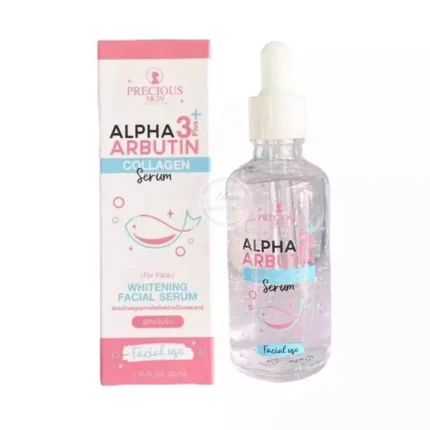 Sale
SaleOriginal price was: ৳ 795.00.৳ 599.00Current price is: ৳ 599.00.
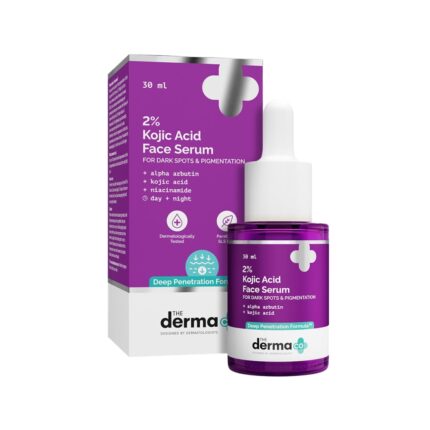 Sale
SaleOriginal price was: ৳ 1,350.00.৳ 990.00Current price is: ৳ 990.00.
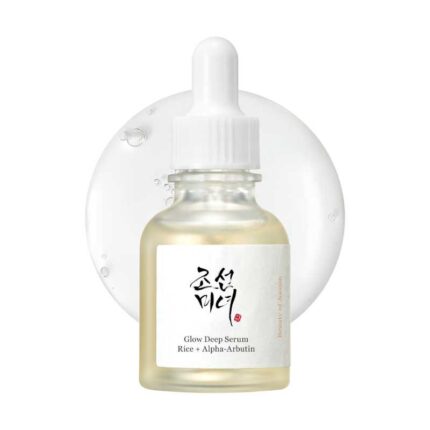 Sale
SaleOriginal price was: ৳ 2,060.00.৳ 1,442.00Current price is: ৳ 1,442.00.
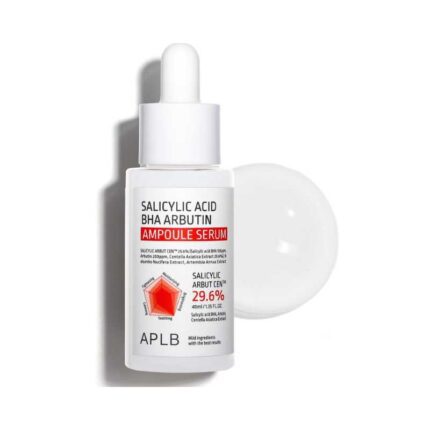 Sale
SaleOriginal price was: ৳ 1,300.00.৳ 910.00Current price is: ৳ 910.00.
How Beta Arbutin works on skin
When applied, Beta Arbutin reaches the top layers of skin and interferes with melanin synthesis. Research indicates the active form blocks tyrosinase, which means cells make less brown pigment. As a result, hyperpigmented spots fade and overall tone evens out.
For example, repeated use over weeks suppresses excess pigment in areas of inflammation or sun damage. Still, change is gradual and requires consistent application and sun protection. That combination helps results hold longer and prevents new spots from forming.
Benefits and what it treats
Beta Arbutin can reduce dark spots, even post-acne marks, and soften sun-induced pigmentation. Clinical reviews show it helps lighten patches of uneven color without strong irritation for many people. Consumers often choose it for sensitive skin that reacts to stronger actives.
While it is not a quick fix, Beta Arbutin helps with long-term improvement of tone and clarity. For melasma or deep pigmentation, professionals may recommend combining it with other treatments. Still, it remains a go-to brightening agent for daily skincare routines.
Comparing Beta Arbutin to other brighteners
Beta Arbutin differs from alpha arbutin and hydroquinone in release and strength. Dermatologists note that beta form converts to an active molecule more slowly, which can reduce irritation risk. That means it often suits people who find other brighteners too harsh.
Because vitamin C and niacinamide also brighten, many people pair them with Beta Arbutin. This approach increases overall benefit without relying on high doses of one product. For example, pairing with sunscreen and mild exfoliation boosts results safely.
How to use Beta Arbutin in your routine
Start with a low concentration product to test tolerance, then increase if your skin responds well. Studies show gradual introduction lowers the chance of redness or sensitivity. That makes it easier to add Beta Arbutin into both morning and evening routines.
When using it in the morning, always follow with broad-spectrum sunscreen. Sun exposure can undo brightening progress and cause new spots to form. At night, layer it under a moisturizer or gentle oil for better absorption and comfort.
Typical concentrations and formats
Beta Arbutin is available in serums, creams, and masks at various concentrations. Most over-the-counter products contain low to mid-range amounts that balance efficacy and safety. Since higher concentrations can irritate some people, patch testing remains a smart step.
For example, a serum with a moderate concentration works well for daily use. That is why many brands recommend applying a pea-sized amount to affected areas. Still, follow label instructions and watch for signs of irritation or increased sensitivity.
Application tips and best practices
Apply Beta Arbutin to clean, dry skin to let it absorb fully before layering. A simple order is cleanser, toner, Beta Arbutin serum, moisturizer, and sunscreen in the morning. At night skip sunscreen, but keep the same ordering without sun protection.
Because consistency matters, use it daily for several weeks to see meaningful change. Research indicates pigment cell activity reduces slowly, so patience delivers visible benefits. If irritation starts, reduce frequency or pause until skin calms.
Safety and side effects
Beta Arbutin is generally well tolerated, but some users report mild redness or stinging. Clinical literature suggests irritation rates are lower than for stronger bleaching agents. That makes Beta Arbutin a practical choice for sensitive skin types seeking brightening.
However, avoid mixing it with highly acidic or harsh exfoliants without guidance. For example, combining strong retinoids or high-concentration AHAs can raise irritation risk. If you use potent actives, alternate nights or ask a dermatologist for a plan.
Who should avoid or use caution
Pregnant or breastfeeding people should consult a clinician before trying many actives, including Beta Arbutin. Dermatologists often recommend caution for those with broken or highly inflamed skin. If a rash or persistent irritation appears, stop use and seek medical advice.
Since skin types and conditions vary widely, a patch test offers quick safety feedback. That means applying a small amount behind the ear or on the inner arm for a week. If no reaction occurs, you can use the product more broadly.
Choosing effective Beta Arbutin products
Look for clear labeling, known brands, and formulas that list concentration or active form. Consumers report better satisfaction when products pair Beta Arbutin with supportive ingredients like hyaluronic acid. That combination hydrates while improving tone and reduces the chance of dryness.
Because packaging affects stability, prefer opaque or airless containers to limit oxidation. Many brightening serums degrade with light and air, which lowers effectiveness. That is why storing products properly helps them work as intended.
Ingredients to combine or avoid
Combine Beta Arbutin with gentle hydrators, sunscreen, and non-irritating antioxidants. Niacinamide pairs well and supports barrier function while brightening skin. Instead, avoid frequent mixing with strong peeling acids until you know your tolerance.
For example, layering a mild vitamin C under Beta Arbutin can boost results without strong irritation. Since vitamin C has different mechanisms, the two can complement each other. Still, monitor skin for redness when trying any new pairings.
Beta Arbutin for different skin concerns
For post-inflammatory hyperpigmentation, Beta Arbutin reduces dark marks left after acne or injury. Studies show it calms pigment-producing cells gradually, which fades post-acne spots over time. Patients often prefer it to harsher options because it keeps skin barrier integrity.
While it helps sun spots, prevention with sunscreen remains essential. That combination yields both corrective and protective benefits. For melasma, professionals may add procedures or stronger actives alongside Beta Arbutin for faster change.
Realistic timelines and expectations
Expect gradual improvement across four to twelve weeks with regular use. Research indicates pigment reduction accumulates with consistent application and sun protection. That means visible lightening often appears after several product cycles.
Because everyone responds differently, avoid expecting dramatic overnight changes. Patience paired with daily sunscreen will prolong gains. If progress stalls after several months, consider professional advice for alternative options.
Professional treatments vs. Beta Arbutin
Clinics offer lasers, chemical peels, and stronger topical agents for stubborn cases. Those procedures can speed pigment removal but may increase downtime and cost. Beta Arbutin provides a gentler home option that many users tolerate well over long periods.
Dermatologists may use Beta Arbutin as part of a combined plan, especially for maintenance. For example, they might recommend it after a peel to maintain even tone and prevent relapse. That means patients get both immediate and lasting benefits.
Cost and value for shoppers
Products with Beta Arbutin vary widely in price depending on brand and formulation. Many affordable serums deliver measurable benefit if they contain a thoughtful formula. Look beyond price and read ingredient lists to assess likely effectiveness.
Because product performance depends on formulation and concentration, low cost does not always mean poor results. That is why readable labels and reputable manufacturing matter. Consumers who test a few options often find one that balances cost and outcome.
How to read ingredient lists
Scan for Beta Arbutin in the first half of the list to ensure a meaningful amount. Ingredients are listed by concentration, so earlier placement suggests higher content. If it appears near the end, the product may carry only a tiny amount.
Because some products hide actual concentration, seek brands that publish percentages. That transparency helps you choose a formula suited to your needs. When in doubt, sample small sizes before committing to full bottles.
Questions to ask a dermatologist
Ask how Beta Arbutin fits your specific skin type and condition, and whether to combine it with other actives. Dermatologists can tailor a plan that balances safety and speed. Their guidance helps avoid trial-and-error that can harm sensitive skin.
Since skin history matters, bring photos of your concerns and a list of current products. That helps clinicians spot interactions and recommend timing. For example, they might stagger a retinoid and Beta Arbutin to limit irritation.
Frequently Asked Questions
Is Beta Arbutin safe for sensitive skin?
Yes, many people with sensitive skin tolerate Beta Arbutin better than stronger brighteners. Studies and clinical reports show lower irritation rates for this compound. Start low and patch test to confirm personal tolerance.
How long until I see results from Beta Arbutin?
Most users see gradual improvement within four to twelve weeks of consistent use. Research indicates pigment suppression accumulates over time with daily application. Combine with sunscreen for faster and more lasting results.
Can I use Beta Arbutin with vitamin C or retinol?
You can pair Beta Arbutin with vitamin C and niacinamide safely for many skin types. With retinol, alternate nights or consult a dermatologist to avoid irritation. That strategy reduces risk while keeping active benefits.
Does Beta Arbutin remove deep melasma?
Beta Arbutin can help lighten melasma but may not fully clear deep cases on its own. Dermatologists often combine it with stronger therapies for stubborn melasma. Professional assessment helps set realistic expectations and a treatment plan.
Final Thoughts
The single most useful takeaway is that Beta Arbutin offers gentle, effective brightening with lower irritation risk than many strong agents. For lasting improvement, pair Beta Arbutin with daily sunscreen and consistent application. Start with a patch test, choose a well-made product, and use it steadily for safer, clearer results.