
Oligopeptide-1: Skin Benefits and Safe Use Guide

Do you want clearer, firmer skin without harsh treatments? Oligopeptide-1 appears in many formulas promising repair and smoother texture. This guide explains what Oligopeptide-1 does and how to use it safely.
What is Oligopeptide-1?
Oligopeptide-1 is a short chain of amino acids that acts like a signaling molecule for skin cells. Studies show peptides can send signals that help skin renew and recover faster.
Because Oligopeptide-1 mimics a natural protein called epidermal growth factor, it often appears in anti-aging products. This means brands add it as a key active ingredient to target fine lines and dullness.
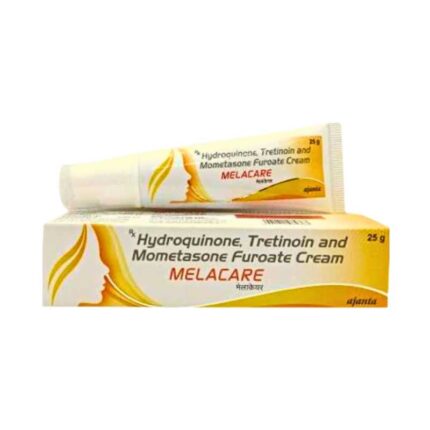
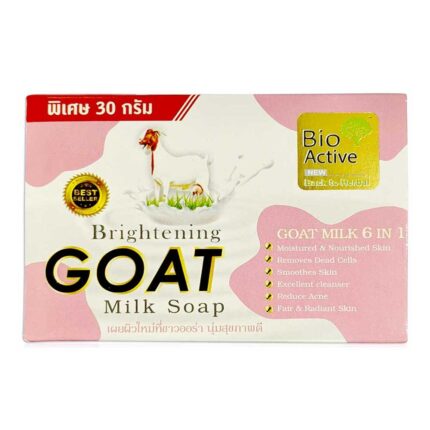
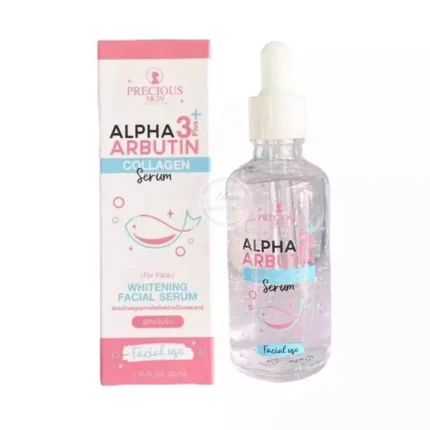
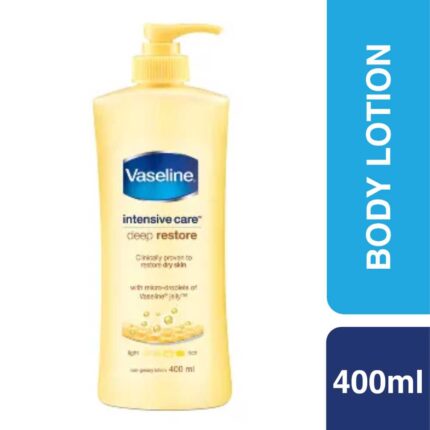
Recommended Products
 Sale
SaleOriginal price was: ৳ 795.00.৳ 599.00Current price is: ৳ 599.00.
 Sale
SaleOriginal price was: ৳ 550.00.৳ 510.00Current price is: ৳ 510.00.
How Oligopeptide-1 Works on Skin
When applied topically, Oligopeptide-1 binds to receptors on skin cells and triggers processes that support repair. Research indicates that growth factor signals can encourage cell turn‑over and aid surface renewal.
For example, the peptide promotes cellular communication that helps rebuild a healthier skin barrier. As a result, many people notice improved texture with continued use.
Stimulates Cell Renewal
Oligopeptide-1 signals skin to make new cells more efficiently. Studies show growth factor signals can accelerate wound closure and skin cell replacement.
That is why formulations with Oligopeptide-1 aim to boost overall skin vitality without heavy exfoliation.
Supports Collagen and Elasticity
Collagen gives skin structure and firmness, and Oligopeptide-1 encourages collagen-producing cells to act. Research indicates peptide signals support the matrix that helps skin look plumper and resilient.
While results vary by person, many users report a firmer feel after weeks of steady use.
Improves Hydration and Barrier Function
Because a healthy barrier holds moisture, Oligopeptide-1 can help skin retain hydration indirectly by promoting repair. Clinical observations indicate peptide-infused products often pair well with humectants to boost moisture.
So, combining a peptide product with a good moisturizer usually enhances outcomes.
Benefits Backed by Research
Studies show growth factor peptides like Oligopeptide-1 support tissue repair and cell communication. Research indicates similar peptides can speed healing and aid skin recovery after irritation.
Dermatologists recommend peptides as a gentler option for people who want anti-aging effects without strong acids or high-strength retinoids. That is why many professionals suggest starting with peptides for sensitive or reactive skin.
Because clinical work on growth factor ingredients shows positive signals, formulators often include Oligopeptide-1 in combination with vitamins and antioxidants. This approach aims to amplify visible improvements over time.
Safety and Potential Side Effects
Oligopeptide-1 is generally well tolerated, but sensitivity can occur with any active. For that reason, patch testing a new product before full-face use remains a wise step.
Although reactions are uncommon, some users report mild redness or stinging when starting a peptide product. If irritation persists, stop use and consult a dermatologist or skin clinician.
Because product formulas vary, look for brands that disclose concentration and stability details when you shop for Oligopeptide-1 products.
How to Choose Products with Oligopeptide-1
When selecting a product, check whether the label lists Oligopeptide-1 among active ingredients. Research indicates visible effects depend on formulation, pH level, and how well the peptide remains stable.
For example, serums often deliver peptides in higher concentrations and lighter vehicles that absorb quickly. That means a serum with Oligopeptide-1 may reach target layers more effectively than a heavy cream.
Look for Complementary Ingredients
Because peptides work best with supportive actives, choose formulas containing humectants like glycerin or hydrating molecules. Antioxidants and mild vitamins often pair well with Oligopeptide-1 to protect and nourish skin.
Still, avoid mixing with too many strong actives at once if your skin is sensitive. That helps reduce the chance of irritation while you assess the peptide’s effect.
Compare Texture and Packaging
Packaging matters because peptides can degrade when exposed to air and light. Look for opaque bottles or airless pumps to keep Oligopeptide-1 stable longer.
That means products in dark glass or sealed dispensers tend to preserve activity better than jars that expose contents to the environment.
Serum vs Cream vs Mask
Serums usually carry higher peptide concentrations and penetrate quickly, so they suit morning or evening routines. Creams provide a nourishing barrier and can lock in peptide benefits for dry skin types.
Masks with peptides deliver a short, concentrated treatment that can complement a daily regimen. For consistent results, use a product form that matches your skin type and routine habits.
How to Use Oligopeptide-1 in Your Routine
Start by patch testing any new product containing Oligopeptide-1 to check tolerance. Apply a small amount on the inner forearm or behind the ear for 24 hours before full-face use.
For daily use, apply peptide serums after cleansing and toning, but before thicker creams and sunscreens. Studies show that consistent application yields better visible results than sporadic use.
As a result, many users follow a simple order: cleanse, apply peptide serum, add moisturizer, and finish with sunscreen in the morning. At night, the peptide can support overnight repair when paired with a restorative moisturizer.
Morning vs Evening Use
Because peptides support repair, using Oligopeptide-1 at night can align with natural skin renewal cycles. That said, peptides are safe in morning routines when layered correctly under sunscreen.
So choose the timing that fits your schedule and maintain consistency for several weeks to evaluate results.
Combining with Other Actives
When pairing Oligopeptide-1 with retinoids, start slowly to prevent irritation. Dermatologists recommend introducing one active at a time to observe how skin responds.
That means you might alternate nights with a retinoid and nights with a peptide to minimize sensitivity while still gaining benefits.
Who Should Consider Oligopeptide-1?
People with aging, sun‑damaged, or dry skin often look to peptides for gentle support. Research indicates peptides can be useful for those who want a lower‑irritation alternative to stronger actives.
For sensitive skin types, Oligopeptide-1 can offer a milder route to improved texture. However, consult a clinician if you have active skin conditions or open wounds before starting new actives.
Shopping Tips and What to Avoid
Because labels can be confusing, watch for vague claims without ingredient listings. Choose brands that list Oligopeptide-1 clearly and provide guidance on use and storage.
Instead of chasing high prices alone, check for transparent formulation details and customer feedback. That often reveals how stable and effective a peptide product can be for real users.
Also, be wary of products that combine many strong actives with peptides without usage instructions, since this can raise the risk of sensitivity.
Comparing Oligopeptide-1 to Other Peptides
Oligopeptide-1 differs from synthetic peptides in size and signaling properties, which affects how skin responds. Research indicates different peptides target distinct pathways for collagen, hydration, or inflammation control.
For example, some peptides focus on barrier repair while others target firmness. Choose a peptide type based on your priority, whether hydration, wrinkle reduction, or calming benefits.
Oligopeptide-1 and Professional Treatments
Clinics sometimes pair topical peptides with in-office treatments to enhance recovery. Studies show growth factor signals can aid healing after procedures, making peptides a supportive post-care choice.
Dermatologists recommend discussing any in-office plan and topical regimen so professionals can align treatments and avoid interactions. That helps maximize outcomes while minimizing risks.
Sustainability and Sourcing
Because demand for peptides has grown, brands vary in how they source or produce Oligopeptide-1. Many reputable formulators now use lab-synthesized peptides that match natural sequences.
Research indicates synthetic production can reduce pressure on biological sources while maintaining consistent quality. Look for brands that disclose manufacturing practices and quality controls.
Cost vs Value: What to Expect
Products with Oligopeptide-1 range from affordable to premium depending on concentration and formulation. While higher price does not always mean higher effectiveness, stable and well-formulated peptides often cost more.
That is why evaluating ingredient lists, packaging, and third-party testing can help you decide if a product offers true value for your budget.
Common Myths About Oligopeptide-1
Myth: Peptides give instant dramatic results. Reality: Peptides work gradually and usually show benefits over weeks to months. Studies and clinical observations support steady improvement rather than overnight change.
Myth: All peptides are the same. Reality: Different peptides play different roles in skin biology, so choose ones that match your goals. For example, a peptide that helps hydration may not be the best choice for firmness.
Case Studies and Real-World Use
Many users report smoother skin and fewer fine lines after months of consistent use with Oligopeptide-1 products. Research indicates combining peptides with hydrating and antioxidant ingredients often improves results.
Because individual responses vary, track changes by taking photos and noting texture, tone, and hydration over several weeks. That gives a clear picture of whether the product meets your expectations.
Regulatory and Labeling Notes
Regulatory standards for cosmetic peptides vary by region, and manufacturers must follow local rules on claims and safety. Research indicates that transparent labeling fosters consumer trust.
Therefore, prefer brands that disclose active amounts and provide usage instructions. This approach reduces guesswork and helps you compare products effectively.
Alternatives to Oligopeptide-1
If you prefer different actives, consider peptides such as palmitoyl peptides or copper peptides that target other pathways. Research indicates each peptide group offers unique benefits and tolerability profiles.
For stronger remodeling effects, some people choose retinoids under clinician guidance. Still, peptides remain a popular gentler option for routine use and maintenance.
How Long Until You See Results?
Expect to see subtle improvements in hydration and texture within a few weeks for many users. Clinical observations show more visible firmness and line reduction may take eight to twelve weeks with consistent use.
So patience and steady application are key when evaluating Oligopeptide-1 products for long-term benefits.
Frequently Asked Questions
Is Oligopeptide-1 safe for sensitive skin?
Many people with sensitive skin tolerate Oligopeptide-1 well, since it is gentler than strong acids. Still, patch testing and starting slowly can confirm whether your skin reacts.
Can I use Oligopeptide-1 with retinol?
Yes, you can use Oligopeptide-1 with retinol, but introduce them gradually to reduce irritation risk. Consider alternating nights or using the peptide in the morning and retinol at night.
How often should I apply products with Oligopeptide-1?
Apply most peptide serums once or twice daily according to product instructions. Consistent daily use usually yields the best visible results over time.
Will Oligopeptide-1 remove deep wrinkles?
Oligopeptide-1 can improve texture and fine lines, but deep wrinkles may need stronger interventions. For deeper concerns, consult a dermatologist about combined treatments.
Final Thoughts
Oligopeptide-1 offers a gentle, research-backed path to improved skin renewal and hydration when used consistently. For best results, choose stable formulations, test sensitivity, and pair the peptide with supportive hydrators and sun protection. Start with a well-formulated serum and monitor progress over several weeks to decide if Oligopeptide-1 fits your routine.