
Uvinul A Plus: Your Guide to Superior Sun Protection

Protecting your skin from sun damage is essential for long-term health. Many people seek effective sunscreen ingredients. This is where Uvinul A Plus plays a crucial role. It offers outstanding defense against harmful UVA rays. This guide explains its benefits and how it works.
Understanding UVA Radiation and Skin Damage
Sunlight contains different types of ultraviolet radiation. UVA and UVB rays are the primary culprits. They cause various forms of skin damage. UVA radiation penetrates deeply into the skin. It contributes to premature aging. Fine lines and wrinkles can appear. It also causes dark spots. Furthermore, UVA rays weaken collagen. They can also contribute to skin cancer risk.
UVB rays mainly cause sunburn. They also play a significant role in skin cancer development. Therefore, a good sunscreen must protect against both. Broad-spectrum protection is vital. It shields your skin from the full range of damaging UV light. This comprehensive defense prevents long-term harm. Protecting your skin actively keeps it looking young.
The Dangers of Unprotected Sun Exposure
Spending time in the sun without protection has serious consequences. Immediate effects include sunburn and irritation. Long-term exposure leads to photoaging. This means your skin ages faster. It loses its elasticity and firmness. The skin might become leathery. Uneven pigmentation can also develop. These changes are often irreversible.
More critically, sun exposure increases skin cancer risk. Melanoma is a very serious type of skin cancer. Non-melanoma skin cancers are also common. These include basal cell carcinoma and squamous cell carcinoma. Regular, unprotected exposure greatly elevates this risk. Therefore, consistent sun protection is not just cosmetic. It is a vital health measure.
Why Broad-Spectrum Protection Matters
Many sunscreens focus heavily on UVB protection. However, UVA protection is equally important. Broad-spectrum sunscreens block both. This dual protection is superior. It guards against sunburn and aging. It also reduces overall skin cancer risk. Looking for “broad spectrum” on labels is crucial. It ensures complete defense.
Some filters excel at UVB blocking. Others specialize in UVA. A well-formulated sunscreen combines several filters. This creates a strong protective barrier. It also ensures photostability. This means the filters remain effective. They do not break down quickly in sunlight. Always choose a product offering this balanced shield.
Recommended Products
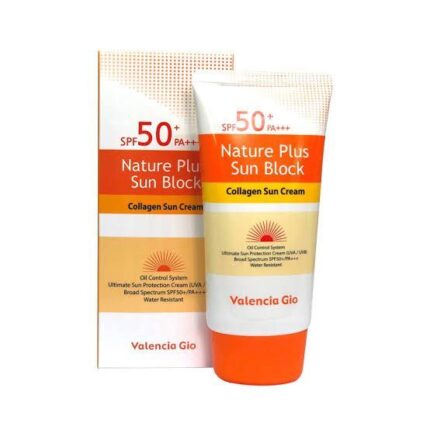
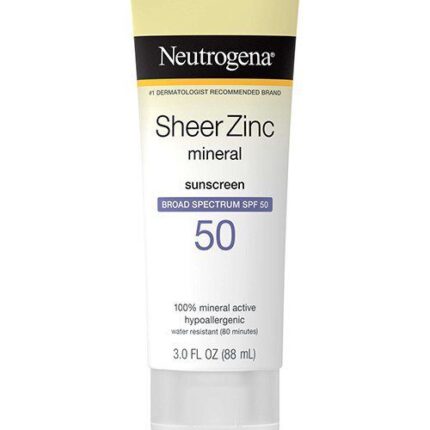 Sale
SaleOriginal price was: ৳ 3,250.00.৳ 2,150.00Current price is: ৳ 2,150.00.
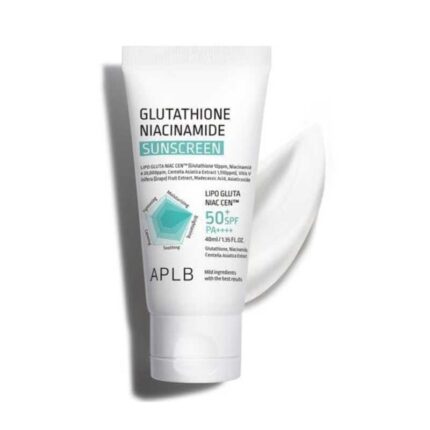 Sale
SaleOriginal price was: ৳ 1,260.00.৳ 882.00Current price is: ৳ 882.00.
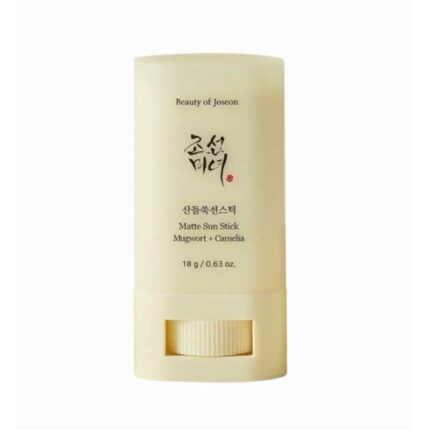 Sale
SaleOriginal price was: ৳ 2,180.00.৳ 1,526.00Current price is: ৳ 1,526.00.
What is Uvinul A Plus? A Key UVA Filter Ingredient
Uvinul A Plus is a highly effective organic UVA filter. Its chemical name is diethylamino hydroxybenzoyl hexyl benzoate. This long name describes its unique molecular structure. It absorbs UVA radiation very efficiently. It converts this energy into heat. This heat is then safely dissipated. As a result, UVA rays cannot damage skin cells.
This ingredient is particularly valued for its photostability. It does not degrade significantly when exposed to sunlight. This means it offers lasting protection. Many older UVA filters are less stable. They lose effectiveness over time. Uvinul A Plus maintains its strength. This makes it a reliable choice for daily sunscreens. It provides continuous defense.
Chemical Structure and Function
The molecular structure of diethylamino hydroxybenzoyl hexyl benzoate is quite stable. It has a large molecular size. This reduces its ability to penetrate the skin deeply. It primarily stays on the skin’s surface. This minimizes potential systemic absorption. Such a characteristic is generally preferred for sunscreen ingredients. It enhances safety.
As a chemical filter, it works by absorbing UV light. It acts like a sponge for UVA rays. When a UVA photon hits the molecule, its electrons get excited. They jump to a higher energy level. Then, they quickly return to their original state. During this process, energy releases as heat. This process protects skin cells from harm.
Photostability: Why It’s Superior
Photostability is a critical factor for sunscreen efficacy. A filter that degrades quickly becomes useless. Uvinul A Plus stands out here. Studies show its excellent photostability. It provides consistent protection for hours. This means fewer reapplication worries compared to less stable filters. However, reapplication after swimming or sweating remains necessary.
Because it is so stable, it helps stabilize other filters too. Some UVB filters can become unstable. They can break down under sunlight exposure. When combined with Uvinul A Plus, their stability improves. This synergistic effect boosts overall sunscreen performance. It ensures broader and more reliable protection. This makes the formulation more robust.
The Benefits of Uvinul A Plus in Sunscreen Formulations
Incorporating Uvinul A Plus into sunscreens brings multiple advantages. First, it offers superior UVA protection. It helps achieve high PPD (Persistent Pigment Darkening) values. High PPD indicates excellent UVA blocking. This is vital for preventing photoaging and skin cancer. It gives users peace of mind.
Second, its excellent photostability ensures long-lasting efficacy. Users can rely on its protection throughout the day. Third, it is well-tolerated by most skin types. It is not generally associated with skin irritation. This makes it suitable for sensitive skin. Many people find it comfortable to wear. It blends well into various formulations.
High UVA Protection Index
The effectiveness of UVA filters is measured. The PPD value is a common metric. It quantifies persistent pigment darkening. A higher PPD rating means better UVA protection. Uvinul A Plus helps formulators achieve high PPD values. This ingredient is a cornerstone for advanced UVA defense. It consistently delivers strong results.
European regulations often require a specific UVA protection factor. This factor relates directly to the SPF value. Uvinul A Plus helps sunscreens meet these strict standards. It ensures consumers receive adequate protection. This robust UVA blocking capacity sets it apart. It is a premium choice for high-performance sun care.
Excellent Compatibility and Cosmetic Elegance
Uvinul A Plus is a versatile ingredient. It integrates well into different sunscreen bases. It works in creams, lotions, and sprays. Its texture is non-greasy. It does not leave a heavy feeling on the skin. This contributes to better user compliance. People are more likely to use a product they enjoy.
Moreover, it is compatible with many other sunscreen filters. It can be combined with both organic and inorganic filters. This allows for diverse and effective formulations. The resulting products are cosmetically elegant. They spread easily and absorb well. This makes daily application a pleasant experience. It avoids white casts.
How Uvinul A Plus Protects Against Photoaging
Photoaging refers to skin damage caused by sun exposure. UVA rays are a primary driver of this process. They penetrate the dermis, the skin’s deeper layer. Here, they generate free radicals. These unstable molecules attack collagen and elastin fibers. Collagen provides firmness. Elastin gives skin its bounce. Damage to these fibers leads to visible aging signs.
Uvinul A Plus shields against these destructive UVA rays. It prevents free radical formation. This protects collagen and elastin from degradation. The skin maintains its structural integrity. As a result, wrinkles and fine lines are less likely to form. Skin texture remains smoother. Pigmentation issues like sunspots also diminish. This effective protection preserves a youthful appearance.
Preventing Collagen and Elastin Breakdown
Collagen and elastin are crucial proteins. They keep skin supple and firm. UVA radiation triggers enzymes. These enzymes break down these vital proteins. This process accelerates skin aging. It causes sagging and loss of elasticity. Your skin becomes more fragile. It recovers less effectively from stress.
By absorbing UVA rays, Uvinul A Plus intercepts this destructive chain. It prevents the activation of those harmful enzymes. This helps to preserve collagen and elastin stores. The skin retains its natural bounce and firmness. It stays strong and resilient. Protecting these structural components is key. It maintains skin integrity over time.
Reducing Oxidative Stress and Free Radical Damage
UVA exposure leads to oxidative stress. This is an imbalance in the skin. Free radicals overwhelm the body’s antioxidant defenses. These unstable molecules seek to steal electrons from healthy cells. This causes cell damage. It can affect DNA, proteins, and lipids. Such damage contributes to aging. It also increases disease risk.
Uvinul A Plus acts as a shield. It absorbs the energy from UVA rays. This prevents the initial formation of many free radicals. By reducing this energy input, it lowers oxidative stress. Less free radical damage means healthier cells. It protects cellular components. This helps maintain skin health at a molecular level. It supports overall skin vitality.
Diethylamino Hydroxybenzoyl Hexyl Benzoate: Safety and Regulation
The safety of sunscreen ingredients is paramount. Regulatory bodies worldwide assess each component. Diethylamino hydroxybenzoyl hexyl benzoate has undergone extensive testing. It is approved for use in sunscreens in many regions. These include the European Union, Australia, and parts of Asia. It has a strong safety profile.
Its larger molecular size is a key safety factor. It minimizes skin penetration. This means less absorption into the bloodstream. Systemic exposure is therefore very low. This reduces concerns about internal effects. Dermatologists generally consider it safe for topical use. It rarely causes skin sensitization or irritation. This makes it a preferred choice.
Regulatory Status Around the World
In the European Union, Uvinul A Plus is a well-established filter. It is listed in Annex VI of the EU Cosmetics Regulation. This regulation specifies approved UV filters. It sets maximum concentration limits. These limits ensure consumer safety. Most sunscreens containing Uvinul A Plus follow these guidelines.
It is also approved in many other countries. These include Japan, Canada, and Australia. Each country has its own specific regulations. These regulations ensure ingredient safety. They also verify product efficacy. The wide acceptance of Uvinul A Plus globally highlights its robust safety data. This reassures consumers about its use.
Potential for Skin Sensitivity and Allergies
Compared to some other chemical filters, Uvinul A Plus has a low allergenic potential. Skin irritation and sensitization are rare. However, no ingredient is 100% free of risk. Some individuals might experience reactions. Patch testing a new product is always a good idea. Apply a small amount to a discreet area. Observe for 24-48 hours.
Formulators often choose Uvinul A Plus for sensitive skin formulas. Its gentle nature makes it a suitable option. It contributes to broad-spectrum protection. It does so without compromising comfort. People with reactive skin can often use it without issues. This makes it a versatile and reliable choice for many. It supports broader accessibility.
Choosing Sunscreens with Uvinul A Plus: What to Look For
When selecting a sunscreen, check the ingredient list. Look for Uvinul A Plus. It will often appear as “diethylamino hydroxybenzoyl hexyl benzoate.” Also, ensure the product states “broad-spectrum.” This confirms protection against both UVA and UVB rays. An SPF of 30 or higher is generally recommended. This provides adequate UVB defense.
Consider your lifestyle needs too. Are you swimming or sweating heavily? Then choose a water-resistant formula. If you have oily skin, look for non-comedogenic options. These will not clog pores. Always read product descriptions carefully. They provide valuable information. Picking the right product ensures maximum protection.
Decoding Sunscreen Labels: SPF and PPD
SPF measures UVB protection. An SPF 30 blocks about 97% of UVB rays. SPF 50 blocks around 98%. No sunscreen blocks 100%. The PPD rating indicates UVA protection. It is often displayed as a PA rating. PA+ means some UVA protection. PA++++ indicates extremely high UVA protection. European products often use a star rating or simply state “UVA” in a circle.
A good broad-spectrum sunscreen provides both. It has a high SPF. It also offers excellent UVA defense. Uvinul A Plus significantly boosts the UVA protection. This helps sunscreens achieve higher PA ratings. It ensures robust protection against aging rays. Understanding these labels empowers your choices. It helps you select effective products.
Ideal Formulations for Different Skin Types
Different skin types have varying needs. Oily skin benefits from lightweight, gel-based sunscreens. These often contain Uvinul A Plus. They do not feel heavy or greasy. Dry skin might prefer richer creams or lotions. These provide additional moisturization. Look for hydrating ingredients alongside Uvinul A Plus.
Sensitive skin types need fragrance-free, hypoallergenic options. Uvinul A Plus is generally well-tolerated. It is often found in these gentler formulas. Acne-prone skin requires non-comedogenic sunscreens. These prevent breakouts. Regardless of your skin type, finding a cosmetically elegant sunscreen increases compliance. You are more likely to use it daily.
Incorporating Uvinul A Plus into Your Daily Skincare Routine
Sunscreen should be the last step in your morning routine. Apply it generously. This means about a quarter teaspoon for your face and neck. Do this at least 15 minutes before sun exposure. This allows the product to set. It forms a protective layer. Reapply every two hours, or more often if swimming or sweating. This consistent application is crucial.
Even on cloudy days, UV rays penetrate clouds. Therefore, daily sunscreen use is non-negotiable. Using a product with Uvinul A Plus ensures strong UVA protection. This is vital for preventing long-term damage. Make it a habit. Your skin will thank you in the long run. It promotes healthy, resilient skin.
Application Tips for Maximum Efficacy
Applying enough sunscreen is critical. Most people do not apply enough. Use a visible layer. Rub it in thoroughly for even coverage. Pay attention to often-missed areas. These include your ears, neck, and hands. These areas are prone to sun damage. They also show signs of aging.
Do not forget your lips either. Use a lip balm with SPF. Remember to reapply after any activity that might remove it. Water, sweat, and towel drying diminish protection. Even friction from clothing can reduce its effectiveness. Consistent, thorough reapplication is the key. It maintains your skin’s defense shield.
Layering Sunscreen with Other Skincare Products
Sunscreen should be the final step. Apply it after all other serums and moisturizers. This ensures it forms the outermost protective layer. Allowing each product to absorb fully before the next step helps. This prevents pilling. It also ensures proper function of each product. Serums deliver active ingredients. Moisturizers hydrate. Sunscreen then protects.
If you wear makeup, apply sunscreen first. Let it dry completely. Then proceed with your foundation and other cosmetics. Some makeup products contain SPF. However, this is usually not enough on its own. It is always better to apply a dedicated sunscreen first. This ensures optimal protection. Layering correctly maximizes benefits.
Future of Sun Protection: Innovations and Uvinul A Plus
The field of sun protection is constantly evolving. Researchers develop new filters and technologies. They aim for better efficacy, safety, and cosmetic elegance. Uvinul A Plus remains a gold standard. Its proven performance and stability are hard to beat. It continues to be a cornerstone ingredient. It will likely feature in future innovations.
New formulations are also emerging. These combine filters with antioxidants. Antioxidants further protect against free radical damage. This dual approach offers enhanced defense. Smart delivery systems are also under development. These could prolong filter effectiveness. The goal is always to provide stronger, safer, and more user-friendly sun protection. Uvinul A Plus supports these goals.
Emerging Technologies in UV Filters
Scientists are exploring novel ways to block UV rays. Encapsulation technology is one example. It involves encasing UV filters in tiny capsules. This can improve stability. It also prevents skin penetration. Such methods could make filters even safer. They might also enhance their duration of action. These advancements promise better sunscreens.
New filters with broad-spectrum capabilities are also sought. Filters that block both UVA and UVB strongly are highly desirable. They simplify formulations. They also offer robust defense. The industry strives for filters that are environmentally friendly. They should also be non-toxic to marine life. These considerations drive current research efforts.
Combination with Antioxidants for Enhanced Protection
UVA radiation generates free radicals. Antioxidants neutralize these harmful molecules. Combining Uvinul A Plus with antioxidants offers superior protection. This synergistic approach fights sun damage from two angles. The filter blocks the rays. The antioxidants clean up any remaining free radicals. This reduces oxidative stress significantly.
Common antioxidants include Vitamin C, Vitamin E, and ferulic acid. Green tea extract is also powerful. Look for sunscreens that include these ingredients. They provide an extra layer of defense. They protect skin at a cellular level. This comprehensive strategy enhances skin health. It guards against environmental aggressors. This offers maximal benefits.
Frequently Asked Questions
What is the primary function of Uvinul A Plus in sunscreens?
Uvinul A Plus primarily functions as a highly effective UVA filter ingredient. It absorbs harmful UVA radiation. This prevents it from damaging skin cells. It offers excellent photostability. This ensures long-lasting protection.
Is diethylamino hydroxybenzoyl hexyl benzoate safe for sensitive skin?
Yes, diethylamino hydroxybenzoyl hexyl benzoate is generally considered safe for sensitive skin. Its large molecular size minimizes skin penetration. This reduces the risk of irritation or allergic reactions. It is often used in gentle formulations.
How often should I reapply sunscreen containing Uvinul A Plus?
You should reapply sunscreen containing Uvinul A Plus every two hours. Reapply more frequently after swimming, sweating heavily, or towel drying. This maintains consistent protection against UV radiation.
Does Uvinul A Plus protect against both UVA and UVB rays?
Uvinul A Plus specifically provides strong protection against UVA rays. While it is an excellent UVA filter, sunscreens containing it should also include UVB filters. This ensures comprehensive broad-spectrum protection.
Final Thoughts
The choice of sunscreen can significantly impact your skin’s health. Uvinul A Plus stands out as a powerful UVA filter. It offers superior protection against photoaging and skin damage. Its excellent photostability provides lasting defense. This makes it an invaluable component in modern sunscreens. Make sure your daily sun protection includes this advanced ingredient. Protect your skin actively. Choose effective products to maintain its health and appearance for years to come.