
3-O-Ethyl Ascorbic Acid: Brightening Vitamin C

Dry, dull, or uneven skin can make even healthy people feel self-conscious, and many seek a reliable brightener. 3-O-Ethyl Ascorbic Acid appears in many serums as a gentle, stable vitamin C alternative that aims to improve tone and glow. This guide explains how this ingredient works and how to use it safely.
What is 3-O-Ethyl Ascorbic Acid?
3-O-Ethyl Ascorbic Acid is a modified form of vitamin C designed to be more stable in formulas. Because pure vitamin C can oxidize quickly, chemists created this ethylated vitamin C ingredient to stay active longer. Studies show topical vitamin C derivatives can help brighten skin when delivered in stable forms.
Recommended Products
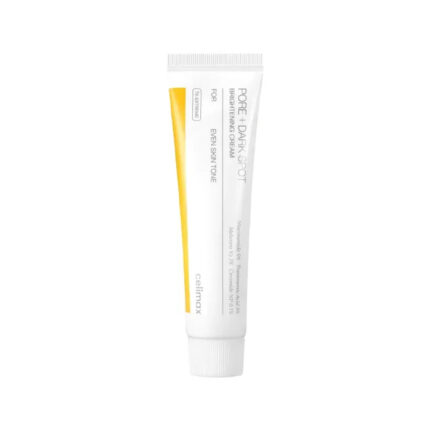 Sale
SaleOriginal price was: ৳ 1,790.00.৳ 1,590.00Current price is: ৳ 1,590.00.
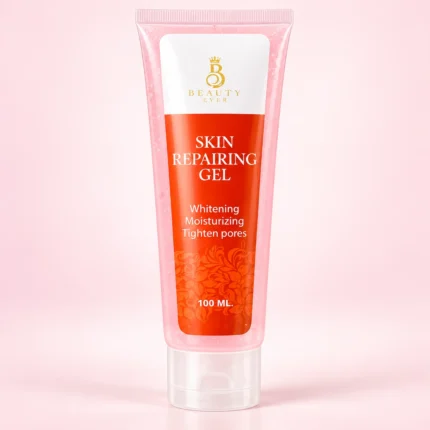
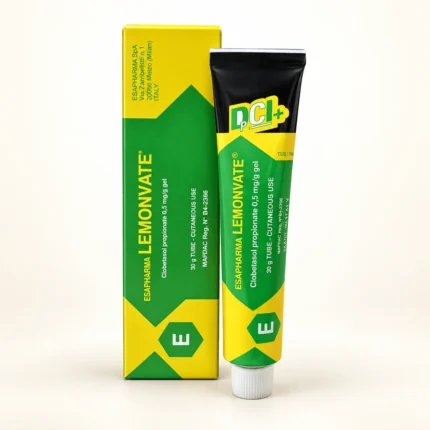
৳ 420.00
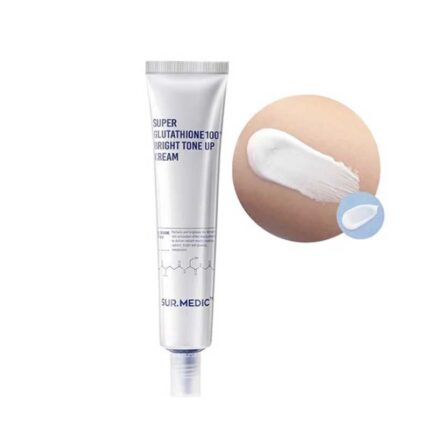 Sale
SaleOriginal price was: ৳ 1,900.00.৳ 1,480.00Current price is: ৳ 1,480.00.
How 3-O-Ethyl Ascorbic Acid Works
When applied to skin, 3-O-Ethyl Ascorbic Acid converts into active vitamin C inside cells, where it supports natural repair. As a brightening antioxidant compound, it reduces the appearance of dark spots by interrupting pigment production. For example, the ingredient can inhibit enzymes that drive melanin formation.
Benefits of 3-O-Ethyl Ascorbic Acid for Skin
Many users report clearer, brighter skin with consistent use of 3-O-Ethyl Ascorbic Acid products. That is why it appears in treatments aimed at evening skin tone and boosting radiance. Dermatologists recommend stabilizing vitamin C forms for patients who need gentle brightening options.
Brightening and Evening Tone
Because 3-O-Ethyl Ascorbic Acid acts on pigment pathways, it helps fade hyperpigmentation over time. Clinical reports indicate derivatives of vitamin C can reduce visible dark spots when used regularly. Still, results usually require weeks of daily use.
Antioxidant Protection
As a brightening antioxidant compound, 3-O-Ethyl Ascorbic Acid neutralizes free radicals that damage skin. This helps protect against environmental stressors like pollution and UV exposure. As a result, skin looks healthier and signs of early aging slow down.
Collagen Support and Firmness
In cells, the ingredient supports processes that maintain collagen production and matrix health. Because collagen levels decline with age, this support matters for texture and firmness. Users often notice smoother skin after a period of consistent use.
Stability and Low Irritation
Many formulas use 3-O-Ethyl Ascorbic Acid because it resists oxidation better than pure ascorbic acid. This stability means products remain effective longer and require less careful storage. Moreover, the ethylated vitamin c ingredient often causes less redness in sensitive skin.
Comparing 3-O-Ethyl Ascorbic Acid to Other Vitamin C Forms
Not all vitamin C forms act the same on skin, and each has pros and cons to consider. For example, pure L-ascorbic acid is potent but unstable and sometimes irritating. Conversely, 3-O-Ethyl Ascorbic Acid offers a balance of stability and gentleness that many shoppers prefer.
3-O-Ethyl Ascorbic Acid vs L-Ascorbic Acid
L-ascorbic acid delivers fast, strong antioxidant action but oxidizes quickly in air exposure. Because some users find it harsh, brands often use buffer systems or lower concentrations. In contrast, 3-O-Ethyl Ascorbic Acid stays intact longer and suits layered routines.
3-O-Ethyl Ascorbic Acid vs Ascorbyl Glucoside
Ascorbyl glucoside offers stability and converts slowly to active vitamin C within skin. That makes it gentle but sometimes slower to act. Meanwhile, 3-O-Ethyl Ascorbic Acid balances conversion speed and stability, delivering steady activity without much irritation.
How to Use 3-O-Ethyl Ascorbic Acid in Your Routine
Applying this ingredient correctly boosts outcomes and reduces waste of product. Start with a low concentration if you have sensitive skin, and then increase as tolerated. Most users apply a serum containing 3-O-Ethyl Ascorbic Acid once daily, usually in the morning under sunscreen.
Morning or Night?
Because antioxidants protect against daytime pollutants and UV damage, many prefer morning use. That said, the ingredient also supports nightly repair processes when used in evening routines. As a result, choose the schedule that you will follow consistently.
Layering with Other Actives
When pairing with retinoids, apply vitamin C in the morning and retinoids at night to reduce irritation risk. If combining with niacinamide, allow a short wait between applications to avoid subtle interactions. That means you can still build a powerful routine while keeping skin calm.
Recommended Concentrations
Manufacturers commonly formulate 3-O-Ethyl Ascorbic Acid serums in concentrations ranging from low to moderate. Because responses vary, start with a lower strength to test tolerance. Over time, users may move to higher concentrations for stronger brightening effects.
Formulations and Product Types
Brands include 3-O-Ethyl Ascorbic Acid in serums, creams, and some masks for targeted application. Serums offer concentrated delivery, while creams can hydrate and seal ingredients. When choosing a product, check packaging: airless pumps can preserve stability.
Serums
Serums typically deliver the highest concentration of active 3-O-Ethyl Ascorbic Acid per application. Because serum textures absorb quickly, they suit layered routines under moisturizers. That means serums remain the most popular choice for brightening treatments.
Creams and Lotions
Creams containing the ingredient provide both hydration and antioxidant benefits. People with dry skin may prefer these formulas for the combined effect. Still, check ingredient lists to avoid heavy fragrances that can irritate skin.
Masks and Targeted Treatments
Some masks include 3-O-Ethyl Ascorbic Acid for intensive, short-term brightening sessions. Use these treatments as occasional boosts when skin looks dull or after sun exposure. For example, a weekly mask can complement daily serum use.
Choosing the Right Product
When shopping, look for transparent labels that list concentration and delivery system for 3-O-Ethyl Ascorbic Acid. That clarity helps you estimate strength and expected results. Dermatologists recommend selecting formulas that match your skin type and needs.
Packaging Matters
Because the ingredient benefits from protection from air and light, pick products in opaque tubes or airless pumps. That prevents degradation and prolongs efficacy. Also, smaller sizes reduce waste if you use the product daily.
Check Complementary Ingredients
Ingredients like vitamin E and ferulic acid can boost antioxidant action when paired with 3-O-Ethyl Ascorbic Acid. Hyaluronic acid can add hydration without blocking absorption. That means balanced formulas can deliver better results than single-ingredient products.
Avoiding Irritants
Steer clear of unnecessary fragrances and strong alcohols in brightening products to lower irritation risk. Sensitive skin responds better to minimal, targeted ingredient lists. As a result, simple formulas can outperform complex ones for many users.
Safety, Side Effects, and What to Expect
Most users tolerate 3-O-Ethyl Ascorbic Acid well, with low rates of irritation compared to stronger forms of vitamin C. That is why brands market it for sensitive and reactive skin. Still, patch testing is wise when trying a new product.
Possible Reactions
Although rare, some people may notice mild tingling or temporary redness when starting a new vitamin C product. When such irritation occurs, reduce frequency or concentration until skin adapts. If severe reactions appear, stop use and consult a dermatologist.
Mixing with Sunscreen
Using sunscreen with antioxidant serums provides a layered approach to sun protection and prevention. Because 3-O-Ethyl Ascorbic Acid does not replace SPF, daily sunscreen remains mandatory. For best results, apply sunscreen after the serum has absorbed.
Pregnancy and Nursing
Many dermatologists consider topical vitamin C derivatives safe during pregnancy and nursing, but individual advice matters. If you have specific health concerns, ask your care provider for guidance before starting new actives. That approach ensures safety for both you and your child.
Research and Expert Opinion
Studies show stable vitamin C derivatives can deliver measurable brightening over consistent use. Dermatologists note that conversion of such derivatives into active vitamin C plays a key role in effectiveness. As a result, choosing a stabilized formula improves the chance of visible improvement.
What Studies Indicate
Clinical observations support the idea that vitamin C derivatives reduce pigmentation and improve glow with regular use. Because formulations vary, results differ between products. Nevertheless, many trials report positive outcomes when users apply products daily.
Dermatologist Recommendations
Dermatologists commonly recommend starting with gentle, proven derivatives like 3-O-Ethyl Ascorbic Acid for people new to vitamin C. They often pair these with sunscreen to protect results. For more aggressive pigmentation, professionals may add other treatments.
Common Myths and Misconceptions
Myth: All vitamin C products give identical results. That is false, because forms and formulations matter a great deal. Different derivatives convert to active vitamin C at different rates and with varying stability.
Myth: More Concentration Means Faster Results
Higher concentrations can deliver stronger effects but also increase irritation risk. Instead, gradual increases are safer and often more sustainable. That means patience and consistent use usually beat sudden high-dose approaches.
Myth: Only L-Ascorbic Acid Works
L-ascorbic acid is effective but not the sole option for brightening and antioxidant needs. Today, many ethylated and glycosylated derivatives show good results with lower irritation. Therefore, choose the form that fits your skin tone and tolerance.
Real-World Tips for Best Results
Consistency matters most when using 3-O-Ethyl Ascorbic Acid; apply daily and be patient for changes. That steady approach gives skin time to adapt and show improvement. Also, store products as recommended to preserve potency.
Patch Test First
Before full-face application, test a small area for 48 hours to watch for reactions. Because product bases differ, you may react to other ingredients and not the active. If irritation occurs, discontinue and consult a professional.
Combine with Good Habits
Healthy skin habits help any active work better, including sun protection and gentle cleansing. Drinking water and avoiding smoking also supports skin health. These combined actions amplify the benefits of 3-O-Ethyl Ascorbic Acid.
Track Progress
Take photos under consistent lighting to monitor changes in tone and texture over weeks. That method reveals subtle improvements that might otherwise go unnoticed. As a result, you can adjust routine and product choices with evidence.
Choosing Between Products: Practical Comparison
When comparing products, evaluate concentration, delivery system, complementary ingredients, and price per fluid ounce. That practical checklist helps you match products to your budget and goals. For many shoppers, clear labeling signals brand transparency and trustworthiness.
Budget vs Premium
Lower-cost serums can work well if they include stable packaging and a solid concentration of ingredient. Higher-priced options may add researched combinations or refined textures for comfort. Still, the key factor remains formulation quality rather than price alone.
Single Active vs Multi-Active Formulas
Single-active serums highlight 3-O-Ethyl Ascorbic Acid and tend to produce predictable effects with fewer irritants. Multi-active formulas may offer synergistic benefits but carry higher irritation potential. Instead, start with a focused serum and add other actives later if needed.
Who Should Consider 3-O-Ethyl Ascorbic Acid?
This ingredient suits people who want brightening without strong irritation from L-ascorbic acid. Because it balances stability and gentleness, those with sensitive or reactive skin often prefer it. That makes it a go-to option for many daily routines.
Suitable for Sensitive Skin
Users with a history of redness often find ethylated vitamin c ingredient formulas more tolerable. They can gain antioxidant and brightening benefits with lower risk of flares. For best results, start slow and monitor skin response.
Good for Aging Concerns
People seeking to address early signs of aging find value in a product that supports collagen and protects against free radicals. As a result, many include 3-O-Ethyl Ascorbic Acid in anti-aging routines. Consistent application often improves appearance over weeks.
Not a Cure-All
While helpful, 3-O-Ethyl Ascorbic Acid does not fix all skin issues and cannot erase deep scars or severe melasma alone. For complex concerns, consult a dermatologist to build a multi-step plan. That ensures realistic expectations and safer outcomes.
Frequently Asked Questions
Is 3-O-Ethyl Ascorbic Acid safe for all skin types?
Most skin types tolerate 3-O-Ethyl Ascorbic Acid well, including sensitive and combination skin. However, some individuals may react to other ingredients in a product. Patch testing first helps identify any sensitivity before full use.
How long until I see results from 3-O-Ethyl Ascorbic Acid?
Visible improvements often appear over several weeks of consistent daily use, typically within four to twelve weeks. Results depend on concentration, product formulation, and individual skin condition. Patience and routine are key to meaningful change.
Can I use 3-O-Ethyl Ascorbic Acid with retinol?
Yes, but separate use by time of day to minimize irritation: vitamin C in the morning and retinol at night. That schedule reduces the chance of combined sensitivity while keeping both actives in your routine. Adjust frequency if skin becomes irritated.
Does this ingredient replace sunscreen?
No. 3-O-Ethyl Ascorbic Acid provides antioxidant support but does not block UV rays. Always use a broad-spectrum sunscreen daily to protect skin and maintain brightening results. Sunscreen remains essential for long-term skin health.
Final Thoughts
3-O-Ethyl Ascorbic Acid offers a stable, gentle approach to brightening and antioxidant care for many skin types. For best results, choose a well-formulated product, apply consistently, and pair with daily sunscreen. Try a patch test and a simple serum first to see how your skin responds.