
Tremella Fuciformis Polysaccharide Benefits

Many shoppers want a simple way to boost skin hydration without heavy oils or sticky gels. Tremella Fuciformis Polysaccharide appears in many formulas as a lightweight hydrator that helps skin hold moisture. This article explains what it does and how to choose products that work.
What is Tremella Fuciformis Polysaccharide?
Tremella Fuciformis Polysaccharide refers to a water-soluble carbohydrate extracted from the Tremella mushroom. For skincare, brands use this polysaccharide for its ability to interact with water and skin proteins. Studies show that it can draw and hold moisture on the skin surface, acting like a natural sponge.
Because the term sounds technical, here’s a quick breakdown. Polysaccharide means many sugar units linked together, and Tremella Fuciformis names the white jelly mushroom used for the extract. Research indicates this extract forms a light film that helps reduce water loss from skin.
That is why this ingredient is increasingly popular in moisturizers, serums, and masks. Dermatologists recommend humectants that improve skin hydration without causing oiliness, and Tremella Fuciformis Polysaccharide fits that role. Consumers often find it gentle and suitable for sensitive skin types.
Recommended Products
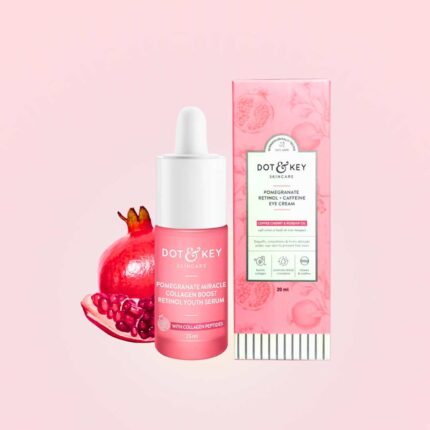 Sale
SaleOriginal price was: ৳ 1,690.00.৳ 1,290.00Current price is: ৳ 1,290.00.
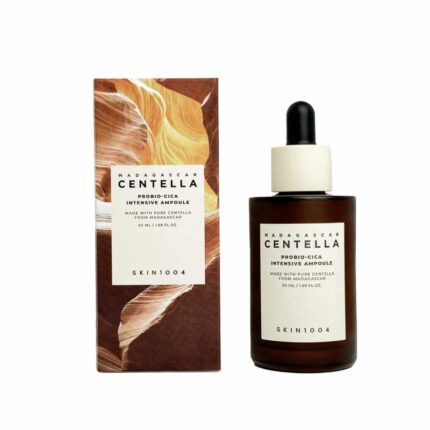 Sale
SaleOriginal price was: ৳ 1,240.00.৳ 868.00Current price is: ৳ 868.00.
 Sale
SaleOriginal price was: ৳ 2,540.00.৳ 1,778.00Current price is: ৳ 1,778.00.
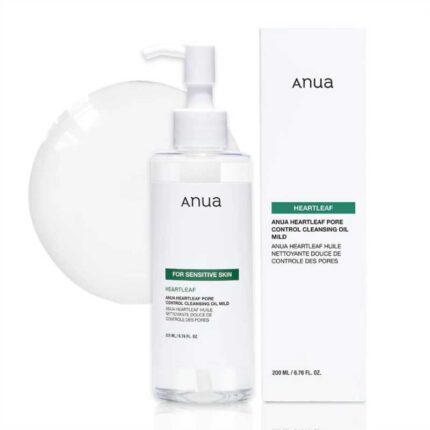 Sale
SaleOriginal price was: ৳ 3,020.00.৳ 2,114.00Current price is: ৳ 2,114.00.
How Tremella Works as a mushroom hydration ingredient
When applied, Tremella Fuciformis Polysaccharide attracts water and binds to the skin surface. As a result, it creates a visible plumping effect and a softer feel within minutes. For example, users report smoother skin texture after consistent use for several weeks.
Because it forms a thin layer, it reduces transepidermal water loss and helps active ingredients stay put. This means products with this polysaccharide often make other hydration actives like glycerin and hyaluronic acid work better. Still, it differs from hyaluronic acid in structure and feel, offering a silkier, less sticky finish.
Studies show the polysaccharide can hold several times its weight in water, which supports its role as a moisture retaining compound. That property makes it useful in both leave-on and rinse-off formulations. When paired with occlusives, it helps the skin retain moisture longer through the day.
Science and research behind the ingredient
Research indicates Tremella Fuciformis Polysaccharide has antioxidant and humectant properties that benefit the skin. For instance, lab studies show the extract can modulate moisture levels and reduce oxidative stress markers. Dermatologists often cite these findings when discussing gentle humectants for aging skin.
Because peer-reviewed studies vary in design, the literature tends to emphasize potential rather than definitive claims. Some trials used isolated polysaccharide fractions, while others tested whole mushroom extracts. Still, the consensus supports improved hydration and a mild protective film effect on the skin surface.
That is why product developers value it for formulas aimed at sensitive or dry skin. Research also explores its role in scar healing and collagen support, though further clinical trials are needed. For shoppers, this means the ingredient shows promise but should be judged alongside real-world results.
Benefits for different skin types
Dry skin benefits most from Tremella Fuciformis Polysaccharide because it increases surface moisture and reduces flakiness. Users often notice less tightness after applying a serum or cream that contains the extract. Because it is water-based, it avoids adding extra oil to a routine.
For oily or combination skin, the ingredient adds hydration without heavy residue or pore-clogging. That means you can get plump, hydrated skin without a greasy finish. Dermatologists recommend light humectants for these skin types to balance moisture without increasing shine.
For aging or mature skin, Tremella Fuciformis Polysaccharide helps smooth fine lines by improving elasticity and moisture retention. As a result, skin looks fuller and surface lines soften with consistent use. Research indicates sustained hydration supports the skin barrier and an improved appearance over time.
Dry and dehydrated skin
Since dry skin lacks surface water, products with Tremella Fuciformis Polysaccharide add immediate comfort. For example, serums with this polymer can reduce rough patches within weeks. Using it under a moisturizer amplifies hydration further.
That is why many night creams include it for repair while you sleep. It helps skin rebuild moisture after daily environmental stress. Consumers with winter or climate-related dryness find it particularly useful.
Oily and combination skin
While oily skin produces excess sebum, it can still be dehydrated and benefit from light humectants. Tremella Fuciformis Polysaccharide provides surface hydration without stimulating oil production. Users report improved balance and less need for heavy creams.
When used in gel formulations, it delivers hydrating benefits with a matte finish. This makes it a favorite for daytime layers under sunscreen. Skin often appears smoother without added shine.
Sensitive and reactive skin
Because the polysaccharide is gentle and often hypoallergenic, sensitive skin tolerates it well. Patch test results commonly show low irritation risk compared to stronger actives. Still, always test a new product on a small area to confirm compatibility.
That said, formulas vary, and fragrances or preservatives can cause reactions. Choose simple formulations when sensitivity is a concern. Research indicates the extract itself rarely causes irritation when used appropriately.
How to use Tremella Fuciformis Polysaccharide in your routine
Start with a serum or lightweight lotion that lists Tremella Fuciformis Polysaccharide near the front of the ingredient list. When you apply it to damp skin, the ingredient traps surface moisture more effectively. That means you get better results by layering on slightly wet skin.
After applying the serum, follow with a moisturizer to lock in hydration for longer. For daytime, choose a sunscreen to protect the barrier you just boosted. For nighttime, opt for a richer cream to aid repair and to complement the polysaccharide’s film-forming effect.
That is why many skincare experts suggest using it both morning and night for maximum benefit. If you use active treatments, apply those first and finish with Tremella-containing products. Doing so reduces the risk of irritation and supports overall skin hydration.
Comparing Tremella to hyaluronic acid and other humectants
Tremella Fuciformis Polysaccharide and hyaluronic acid both attract water, yet they feel different on skin. Hyaluronic acid often provides immediate plumping, while Tremella gives a silkier, spreadable texture. Both actives can coexist in a routine for layered hydration benefits.
Because each humectant binds water at different molecular sizes, combining them creates multi-depth hydration. For example, small molecules penetrate and hydrate the upper layers, while larger ones form a surface film. Clinical reports show enhanced hydration when multiple humectants are used together.
That means you do not have to replace hyaluronic acid with Tremella; instead, use them together to improve moisture retention. Many formulators blend glycerin, sodium hyaluronate, and Tremella Fuciformis Polysaccharide for balanced results. Users should expect smoother skin and a hydrated glow from the blend.
Formulation types and product roles
Manufacturers add Tremella to cleansers, serums, creams, and masks to suit different needs. In cleansers, it minimizes stripping and keeps skin comfortable. In leave-on products, it offers lasting hydration and a soft feel.
Because it dissolves in water, the extract fits well in gel and aqueous formulas. Emulsions and creams benefit too, as the polysaccharide improves spreadability and skin sensory feel. Research indicates it helps stabilize formulas and enhances active delivery in some cases.
When shopping, read labels to find the concentration and product context. Lower concentrations still offer benefits, while higher percentages give stronger hydrating effects. However, product performance also depends on supporting ingredients and overall formulation.
Choosing products: what to look for on labels
Look for products that list Tremella Fuciformis Polysaccharide or Tremella extract among the top ingredients. That placement suggests a meaningful concentration. For lighter hydration, choose serums; for deeper moisture, select creams that pair it with occlusives.
Since product stability matters, check for common humectants like glycerin or sodium hyaluronate alongside Tremella. This combination often delivers layered hydration. Also, pick formulations without heavy fragrances if you have sensitive skin.
That said, concentration alone does not guarantee performance. Texture, pH, and delivery systems influence results as well. Read ingredient lists and consider product reviews from users with similar skin concerns.
How to layer with other actives
Use Tremella Fuciformis Polysaccharide after water-based actives like vitamin C or niacinamide, then seal with moisturizer. Doing this helps active serums penetrate while maintaining hydration. For retinoids, apply Tremella before a moisturizer to reduce dryness and flaking.
When combining with exfoliants, allow acids to absorb before applying the polysaccharide serum. That prevents dilution and preserves each product’s efficacy. For daytime routines, finish with broad-spectrum sunscreen to protect the barrier you restored.
Because the polysaccharide improves skin feel, it often smooths surface texture and enhances the application of makeup products. Makeup sits better on hydrated skin, which makes the ingredient popular in primer-like serums. For best results, keep a simple, consistent layering order.
Safety profile and potential side effects
Most users tolerate Tremella Fuciformis Polysaccharide well and report little to no irritation. Patch testing is wise with any new product, especially for rosacea or eczema-prone skin. If a reaction occurs, stop use and consult a dermatologist.
Because the ingredient is plant-derived and water-soluble, it rarely causes acne flare-ups or pore blockage. That means oily and acne-prone skin types can often use it safely. Research indicates low allergenic potential when used in standard cosmetic concentrations.
That said, product additives like fragrances or preservatives can cause adverse effects. Pick formulations with minimal irritants if your skin reacts easily. Consulting a skincare professional can help you choose the right product for your concerns.
Buying tips and price considerations
Prices vary widely between brands and product types, but effective Tremella products need not be expensive. Look for reputable brands that provide ingredient transparency and stable formulations. For budget options, focus on ingredient lists rather than marketing claims.
Because concentration matters, a mid-priced serum listing Tremella Fuciformis Polysaccharide high on the label often outperforms pricier but low-concentration items. Read user reviews and consider sample sizes before committing to full-size purchases. Trialing a product helps you confirm compatibility and results.
That is why many savvy shoppers test a serum first, then upgrade to a richer cream if needed. Store policies and return options make experimentation lower risk. Remember that consistent use over weeks usually yields visible hydration benefits.
Sustainability and sourcing considerations
Brands source Tremella from cultivated mushrooms or lab-grown extracts to ensure consistency. Ethical sourcing practices and clean extraction methods matter for ecological impact. Research indicates that sustainable cultivation reduces pressure on wild mushroom populations.
When choosing a product, seek brands that state sourcing and extraction methods clearly. That transparency helps you support responsible practices. Some companies also test for contaminants and provide third-party verification for quality assurance.
Because demand for natural humectants grows, better supply chain practices are becoming more common. That trend benefits both consumers and the environment. Reading brand statements can reveal their commitments to sustainability and safety.
Common myths and misconceptions
One myth says Tremella Fuciformis Polysaccharide replaces hyaluronic acid entirely, which is inaccurate. Both ingredients offer hydration but in complementary ways. Using both often delivers superior results compared to relying on one alone.
Another misconception claims mushroom extracts always stain or irritate skin, but consumers rarely experience that with pure polysaccharide fractions. Problems usually stem from additives, not the polysaccharide itself. For that reason, isolate the ingredient from other variables when evaluating a product.
That means careful product selection and user testing are essential when trying new actives. Reviews from similar skin types can guide expectations. Realistic goals include improved hydration and texture rather than dramatic overnight changes.
DIY and at-home options: safe or risky?
Making homemade extracts from whole mushrooms is possible but has drawbacks. DIY extracts can vary in potency and purity, which increases the risk of irritation or contamination. For consistent, safe results, use commercially formulated products from reputable brands.
Because cosmetic-grade Tremella Fuciformis Polysaccharide undergoes controlled extraction and testing, it is a safer choice than home-brewed versions. That is particularly true for sensitive skin and for products intended for long-term use. Consumers should avoid unstandardized homemade serums for facial use.
Still, natural remedies like steamed masks or simple hydration steps can complement a routine. Use them cautiously and stop immediately if irritation occurs. When in doubt, consult a skincare professional before trying DIY treatments.
Real user experiences and practical outcomes
Many shoppers report softer skin and reduced roughness after adding Tremella Fuciformis Polysaccharide to their routines. For example, people with seasonal dryness often notice immediate comfort. Consistent users describe smoother texture and less tightness overall.
Because routine consistency matters, most visible improvements appear after several weeks. That timeframe allows the skin barrier to rebuild and retain moisture more effectively. For best results, combine the polysaccharide with a healthy skincare routine and sun protection.
That is why anecdotal reports generally align with research findings on hydration. Individual responses vary, so track your skin’s response and adjust products accordingly. Real-world feedback can help you choose the right formulation for your needs.
Product examples and categories to consider
Look for serums labeled as hydrating or moisture-boosting that list Tremella Fuciformis Polysaccharide early in the ingredients. Lightweight gels and water-based essences work well for daytime wear. Creams and sleeping masks with the polysaccharide suit night routines and dry skin needs.
Since product claims vary, read ingredient panels rather than relying on buzzwords. That approach helps you identify true formulations instead of marketing-driven claims. Many brands now combine Tremella with antioxidants and ceramides for barrier support.
Because price and texture preferences differ, sample different types to find your best match. Trial sizes, travel kits, and decants make testing affordable. Keep an eye out for simple ingredient lists when sensitivity is a concern.
How long until you see results?
Users often notice immediate improvements in skin feel within hours, while visible texture changes take weeks. That pattern occurs because surface hydration acts quickly, while barrier repair is gradual. Studies indicate measurable hydration increases within days in controlled settings.
Because skin cell turnover and barrier recovery take time, expect steady gains over four to eight weeks with regular use. For deeper concerns like long-standing dryness, combine the polysaccharide with other barrier-repairing ingredients. Consistent use paired with sun protection yields the best long-term outcomes.
That means patience and routine matter more than occasional use. Tracking progress with photos and notes helps you see subtle improvements. Adjust your routine if you do not see expected benefits after a reasonable trial period.
Expert tips from skincare professionals
Dermatologists recommend applying Tremella Fuciformis Polysaccharide to damp skin to maximize water binding. They also suggest pairing it with occlusives at night to lock in hydration. For those using strong actives, the polysaccharide can reduce irritation when layered correctly.
Because product formulation matters, professionals advise choosing simple, fragrance-free serums when sensitivity is present. They also caution against over-exfoliation, which undermines the barrier the polysaccharide helps restore. Regular sunscreen use remains essential to protect results.
That is why many clinicians recommend it as part of a balanced routine rather than a standalone fix. Combining hydration, barrier support, and sun protection yields the most reliable improvements. Ask a professional for personalized guidance if you have chronic skin conditions.
Frequently Asked Questions
Is Tremella Fuciformis Polysaccharide the same as hyaluronic acid?
No. Both attract water but differ in structure and feel. Tremella gives a silkier, lighter texture while hyaluronic acid often feels thicker and plumper.
Can I use this ingredient with retinol or vitamin C?
Yes. Apply water-based actives first, then a Tremella serum, and finish with moisturizer. This order supports absorption and reduces dryness from stronger actives.
Will Tremella cause breakouts or clog pores?
Rarely. The polysaccharide is water-soluble and generally non-comedogenic. However, fragrances or heavy oils in a product can trigger breakouts for some users.
How soon will I notice hydration improvements?
Many people feel immediate comfort, with visible texture improvements in a few weeks. Sustained changes usually appear after consistent use for four to eight weeks.
Final Thoughts
The single most important takeaway is that Tremella Fuciformis Polysaccharide offers effective, gentle hydration for a wide range of skin types. For best results, apply it to damp skin, layer with a moisturizer, and use sunscreen during the day. Try a well-formulated serum or cream and track your skin response over several weeks to confirm benefits.