
Polyhydroxy Acid: Gentle Exfoliant for Sensitive Skin

Many people want smoother skin but fear irritation from acids. Polyhydroxy Acid appears as a kinder option for daily use. This guide explains how Polyhydroxy Acid works and how to use it safely.
What is Polyhydroxy Acid?
Polyhydroxy Acid, often shortened to PHA, is a class of mild chemical exfoliants. It includes ingredients such as gluconolactone and lactobionic acid which attract moisture. Studies show PHAs offer gentle surface exfoliation while supporting the skin barrier.
Because PHAs have larger molecules than AHAs, they penetrate the skin more slowly. This means less irritation for many users and a lower risk of redness. Dermatologists recommend PHAs for people with reactive or barrier-compromised skin.
Recommended Products
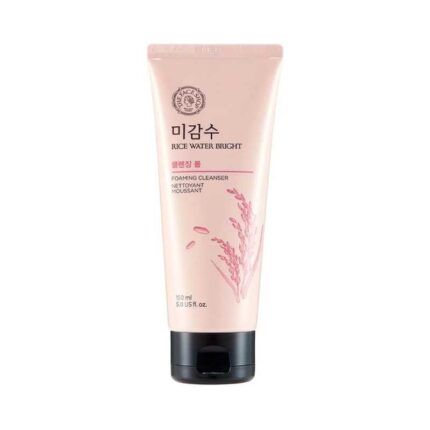 Sale
SaleOriginal price was: ৳ 1,380.00.৳ 960.00Current price is: ৳ 960.00.
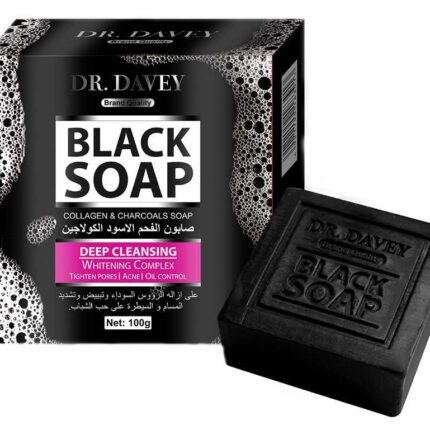 Sale
SaleOriginal price was: ৳ 500.00.৳ 350.00Current price is: ৳ 350.00.
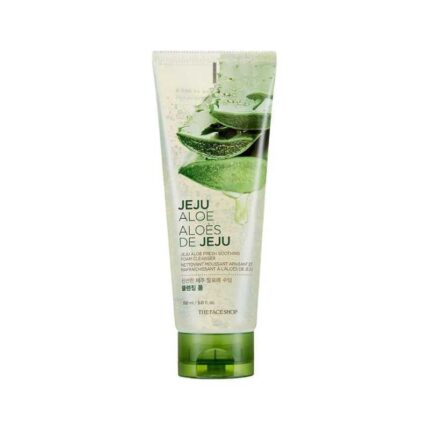 Sale
SaleOriginal price was: ৳ 1,380.00.৳ 960.00Current price is: ৳ 960.00.
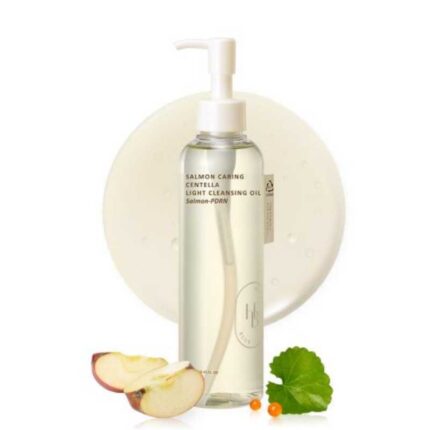 Sale
SaleOriginal price was: ৳ 3,200.00.৳ 2,240.00Current price is: ৳ 2,240.00.
How Polyhydroxy Acid works on the skin
Polyhydroxy Acid loosens the bonds between dead skin cells so they shed more easily. That process helps reveal fresher skin and smooth fine lines. Research indicates PHAs also act as humectants, drawing moisture into the outer skin layers.
As a result, many users notice less flaking and more brightness after repeated use. PHAs also offer mild antioxidant effects, which can help protect skin from environmental stress. Still, PHAs do not replace sunscreen or other protective habits.
Benefits of Polyhydroxy Acid for different skin types
Polyhydroxy Acid suits a wide range of skin types, including dry, oily, and acne-prone skin. For example, people with dry skin gain exfoliation plus extra hydration. Clinical reports and dermatologist guidance show PHAs reduce irritation compared with stronger acids.
For oily and acne-prone skin, PHAs help clear dead cells that clog pores. That reduces the chance of new blemishes forming over time. Many users also find texture improves and pores appear smaller with regular use.
Why Polyhydroxy Acid is a go-to PHA skincare ingredient
For several reasons, Polyhydroxy Acid ranks high as a PHA skincare ingredient. First, it combines exfoliation and hydration in one formula. Second, it works gently, which makes it ideal for everyday care.
Because PHAs support the skin barrier, they can help reduce transepidermal water loss. That effect benefits people who struggle to keep skin hydrated. Also, PHAs often pair well with other gentle actives like niacinamide.
PHA versus AHA and BHA: key differences
Polyhydroxy Acid differs from alpha hydroxy acids such as glycolic acid. AHAs typically have smaller molecules that penetrate deeper and act faster. That deeper action can deliver stronger results but also more irritation for sensitive skin.
By contrast, BHAs like salicylic acid are oil-soluble and can enter pores to calm acne. However, BHAs may still irritate some skin types. Polyhydroxy Acid offers a middle ground with surface exfoliation and hydration combined.
How to choose the right PHA product
Start by checking the ingredient list for gluconolactone or lactobionic acid. Both are common Polyhydroxy Acid forms and have solid safety profiles. Look for concentrations noted by the brand and clinical claims about tolerance.
When shopping, prefer products designed for your skin type and concerns. For example, creams and toners with PHAs suit dry skin, while lightweight gels fit oilier skin. Also, read labels for pH information if the brand provides it.
How to introduce Polyhydroxy Acid into your routine
Begin slowly when adding Polyhydroxy Acid to your skin care routine. Apply a low concentration product once or twice a week at first. Observe how your skin responds for two to four weeks before increasing use.
When tolerance builds, you can use many PHA products more often, even daily. Still, pair exfoliation with gentle cleansers and nourishing moisturizers. That routine helps maintain the skin barrier while delivering results.
Frequency, concentration, and product types
Concentration and frequency determine how strong an effect you will see. Low concentrations of Polyhydroxy Acid often suit daily use. Higher concentrations may offer faster improvement but can raise irritation risk for some people.
Products vary from toners and essences to serums and creams. For a sensitive skin exfoliant, cream formulas can feel more hydrating. For targeted treatments, serums with higher PHA levels may be chosen carefully.
Combining Polyhydroxy Acid with other ingredients
Some active ingredients pair well with Polyhydroxy Acid, while others require caution. For instance, using PHAs with moisturizing ingredients like ceramides and glycerin can boost hydration. That combination supports barrier recovery after gentle exfoliation.
On the other hand, combining PHAs with strong retinoids or high-concentration AHAs may increase irritation. If you choose to layer actives, do so gradually and on alternate nights when needed. Dermatologists recommend patch testing new combinations first.
Safety, side effects, and who should avoid PHAs
Most people tolerate Polyhydroxy Acid well, but some may still experience mild stinging or redness. If a severe reaction occurs, stop use and consult a dermatologist. People with open wounds or active infections should avoid exfoliants until healed.
Since PHAs can increase sun sensitivity for some users, applying sunscreen daily remains essential. In studies, PHAs caused less irritation than stronger acids, yet sun protection still helps prevent damage. Pregnant people should check with a healthcare provider before using any new active.
Designing a gentle routine with Polyhydroxy Acid
A simple routine can include a gentle cleanser, PHA serum or toner, moisturizer, and sunscreen. For nighttime, using PHA in place of a harsher acid can reduce irritation risk. Add calming actives like niacinamide or panthenol for extra support.
When planning a routine, think about skin barrier repair after exfoliation. A moisturizer with ceramides or fatty acids can help rebuild lipids. This means you get exfoliation benefits without compromising moisture balance.
How long until you see results?
Visible improvements often appear within four to eight weeks of consistent use. That timeline depends on product strength and how often you apply it. Many users report softer skin and fewer flakes in the first month.
Because Polyhydroxy Acid works gently, changes accumulate over time. For sustained results, maintain a regular routine and pair exfoliation with proper hydration. Clinical sources note that gentle acids often encourage steady, low-risk improvement.
Choosing between products: creams, toners, and serums
Creams with Polyhydroxy Acid deliver both exfoliation and emollience. They suit drier or more reactive skin because they feel nourishing. Toners and essences offer lighter layers, ideal for normal to oily skin types.
Serums tend to carry higher concentrations in smaller doses, so use them carefully. For sensitive skin, start with a cream or toner labeled for sensitivity. That approach reduces the chance of over-exfoliation while providing benefits.
Packaging and storage tips
Keep PHA products stored in a cool, dry place away from direct sunlight. Many formulas remain stable at room temperature, but heat can degrade active ingredients faster. If a product changes color or smell, stop using it and check the expiration.
Airless pumps can help extend shelf life by limiting oxygen exposure. Dropper bottles work too, but they may let in air each time you use them. Choosing stable packaging helps preserve Polyhydroxy Acid potency over time.
Testing and patch testing for safety
Always perform a patch test before applying a new PHA product across your face. Apply a small amount to an inner forearm or behind an ear and wait 24 to 48 hours. If itching, burning, or strong redness appears, do not use the product.
Patch testing helps identify allergic reactions and intolerance before broader use. When in doubt, seek advice from a dermatologist for tailored guidance. That step reduces the risk of widespread irritation and helps you pick the right formula.
Polyhydroxy Acid for acne-prone skin
People with mild to moderate acne can benefit from Polyhydroxy Acid. The exfoliation helps clear dead cells that can block pores. As a result, many find fewer new breakouts over time when they use PHAs consistently.
Because PHAs are less likely to irritate, they can work alongside acne treatments under professional guidance. For active or cystic acne, consult a dermatologist before combining treatments. Professional oversight ensures safer and more effective plans.
Polyhydroxy Acid as a sensitive skin exfoliant
As a sensitive skin exfoliant, Polyhydroxy Acid provides surface renewal with minimal irritation. For many, switching to a PHA reduces stinging and long-term redness compared with stronger acids. That is why many products aimed at sensitive users rely on this ingredient.
When you choose a PHA product, also look for soothing components like aloe or oat extract. This combination calms skin and enhances tolerability. A gentle routine can yield visible texture improvement without frequent flare-ups.
Common misconceptions about Polyhydroxy Acid
Some people think all acids cause the same irritation level; this is not true. Different acids have different molecular sizes and modes of action. Polyhydroxy Acid tends to be less aggressive than many AHAs because it acts more superficially.
Others assume PHAs cannot improve skin tone or texture, but studies and clinical experience disagree. Regular, gentle exfoliation can reduce dullness and smooth surface irregularities. Results take time, but benefits are real for many users.
What to expect the first time you try a PHA product
Initial use often produces mild tingling that fades quickly for most people. Slight warmth or a flush can also appear, particularly with higher concentrations. If irritation persists or increases, stop using the product and reassess your choices.
Some redness may appear in the first week for reactive skin, but that usually subsides with consistent, gentle use. Using moisturizers and avoiding other actives during the adjustment period reduces the chance of prolonged irritation. Patience pays off with gradual, stable improvements.
Price range and value
Polyhydroxy Acid products appear across a wide price range from budget to premium. Expensive packaging does not always mean better efficacy. Instead, focus on concentration, complementary ingredients, and proven tolerance data when judging value.
Many affordable options contain effective forms like gluconolactone and lactobionic acid. Paying more may get better packaging or added soothing extracts, but cost alone should not dictate your choice. Read labels carefully and choose formulas that match your needs.
Frequently Asked Questions
Is Polyhydroxy Acid safe for everyday use?
Yes, many people use Polyhydroxy Acid daily when they choose low to moderate concentrations. Start slowly and monitor skin response for several weeks. If irritation occurs, reduce frequency or switch to a milder product.
Can I use Polyhydroxy Acid with retinol?
You can but proceed cautiously and space the actives if you have sensitive skin. Try alternating nights or using lower concentrations of each. If irritation occurs, consult a dermatologist for a plan tailored to your skin.
Does Polyhydroxy Acid make skin sun-sensitive?
PHAs are generally less likely to increase sun sensitivity than stronger acids, but some sensitivity may occur. For safety, apply broad-spectrum sunscreen daily while using PHA products. That step helps protect new skin and prevent pigmentation.
Which PHA is best: gluconolactone or lactobionic acid?
Both gluconolactone and lactobionic acid offer gentle exfoliation and hydration benefits. Lactobionic acid may provide slightly more antioxidant activity. The best choice depends on product formulation and personal tolerance.
Final Thoughts
Polyhydroxy Acid offers a gentle way to exfoliate while supporting hydration and barrier function. For sensitive or reactive skin, choosing a PHA skincare ingredient can reduce irritation and still improve texture. Try a low-concentration product first, monitor results, and wear sunscreen for the best outcome.