
Polyglyceryl-4 Oleate: Gentle Emulsifier for Skin

Many shoppers wonder which ingredients give cleansing oils a light, non-greasy finish. Polyglyceryl-4 Oleate often appears on labels of oil cleansers and moisturizers. This ingredient helps products rinse clean while leaving skin soft.
What is Polyglyceryl-4 Oleate?
Polyglyceryl-4 Oleate is a plant-derived emulsifier used in skincare and cosmetics. Chemically, it links short chains of glycerin to an oily molecule to help oil and water mix. This emollient emulsifier ingredient works where oil-based and water-based parts must blend.
Studies show gentle emulsifiers like this reduce the need for harsh surfactants in cleansers. Dermatologists recommend mild emulsifiers for sensitive skin to lower irritation risk. As a result, many formulas swap strong detergents for this ingredient.
Recommended Products
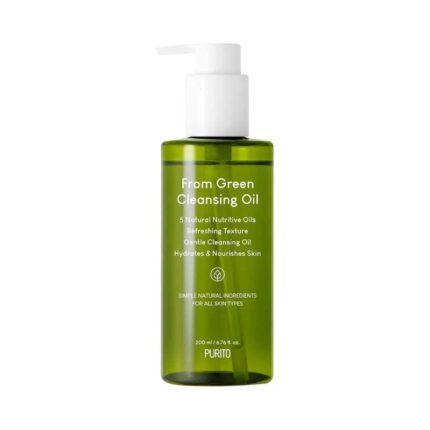 Sale
SaleOriginal price was: ৳ 3,140.00.৳ 2,198.00Current price is: ৳ 2,198.00.
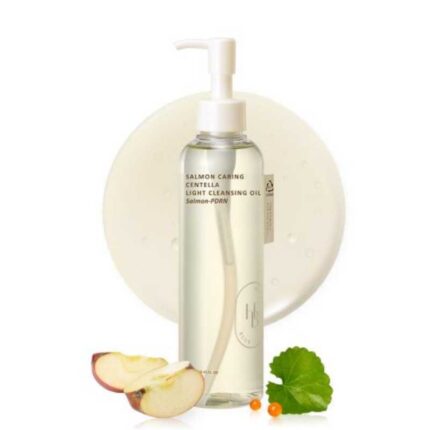 Sale
SaleOriginal price was: ৳ 3,200.00.৳ 2,240.00Current price is: ৳ 2,240.00.
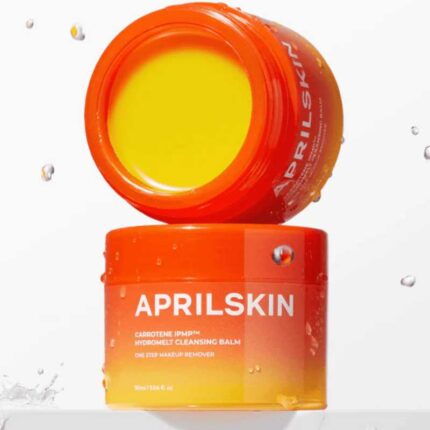 Sale
SaleOriginal price was: ৳ 3,160.00.৳ 2,210.00Current price is: ৳ 2,210.00.
 Sale
SaleOriginal price was: ৳ 600.00.৳ 420.00Current price is: ৳ 420.00.
How Polyglyceryl-4 Oleate Works in Formulas
This ingredient sits at the boundary between oil and water in a product. It binds oil droplets and lets water carry them away during rinsing. That is why cleansing oil compound formulas feel smooth and leave less residue.
When manufacturers add Polyglyceryl-4 Oleate, the product forms small, stable droplets. These droplets trap makeup and excess sebum without stripping natural oils. For example, a well-made cleansing oil will remove sunscreen and foundation fast.
Emulsifying Action
Emulsifiers lower the surface tension between oil and water. Polyglyceryl-4 Oleate has both water-friendly and oil-friendly parts. Because of that, it helps create a creamy texture that rinses clean.
Skin Feel and Emollient Effect
Oils combined with this emulsifier feel silky on contact. The skin often feels soft, not tight, after rinsing. That gentle finish makes it popular in products made for dry or combination skin.
Compatibility with Other Ingredients
This emulsifier blends well with botanical oils, silicones, and humectants like glycerin. Formulators use it with mild surfactants to boost cleansing power without extra irritation. Because it plays nicely with many actives, it appears in multifunctional cleansers.
Common Uses: Cleansers, Makeup Removers, and Moisturizers
Polyglyceryl-4 Oleate commonly appears in cleansing oils and balm-to-oil cleansers. These products start oily and turn milky when water is added, thanks to emulsifiers. The oil phase dissolves oil-based makeup while the emulsifier helps water remove it.
Manufacturers also add this ingredient to lotions and creams where a lightweight emollient is needed. In creams, it helps disperse oil through the water phase. This means a smoother texture and easier spreading on skin.
Benefits for Different Skin Types
People with dry skin benefit when cleansers leave a soft layer of emollient behind. Polyglyceryl-4 Oleate supports that kind of finish. It cleans without over-drying, which helps maintain the skin barrier.
For oily and acne-prone skin, this emulsifier helps remove excess oil without harsh stripping. Some studies show gentle oil cleansing can reduce irritation compared with strong foaming detergents. That means fewer flare-ups for some users.
For Dry and Sensitive Skin
Dry skin often reacts to strong surfactants. Using a product with Polyglyceryl-4 Oleate may reduce tightness after cleansing. Dermatologists recommend patch testing new products before full-face use, especially for reactive skin.
For Oily and Combination Skin
While oily skin seems to need powerful detergents, those can overcorrect and cause rebound oiliness. Instead, emulsifying oils remove excess sebum gently. This cleansing approach can improve comfort and balance over time.
Safety and Irritation Concerns
Polyglyceryl-4 Oleate is generally regarded as low risk for irritation. Research indicates that glyceryl-based emulsifiers tend to be mild on skin. That makes them suitable for formulas aimed at sensitive or reactive skin types.
Still, any ingredient can cause sensitivity in rare cases. Patch testing a new product on the forearm for several days is a simple precaution. If redness, burning, or persistent stinging occurs, stop use and consult a dermatologist.
How Brands List and Label It
You will see Polyglyceryl-4 Oleate on ingredient lists where INCI names are used. Cosmetic brands must list ingredients by their INCI or common name. As a result, shoppers can find it on labels of cleansers, makeup removers, and creams.
Some brands highlight the term “polyglyceryl” in marketing to signal gentleness. Others simply list the INCI with no extra claim. Reading the ingredient list helps you compare products that aim for mild cleansing.
Formulation Tips for Shoppers
When choosing a product, check whether brands pair this ingredient with harsh surfactants. If a product includes strong sulfates near the top of the ingredient list, it may still dry skin out. Look for gentle co-surfactants and soothing botanicals instead.
Also pay attention to the product texture and rinse feel. A cleansing oil that emulsifies into a milky texture usually contains a quality emulsifier. That means it will rinse without leaving a heavy film on skin.
How to Use Products That Contain Polyglyceryl-4 Oleate
Start with dry hands and a dry face when using oil cleansers. Massage the product in circular motions for about 30 seconds to dissolve makeup and oils. Then add water to emulsify and rinse thoroughly with warm water.
For double cleansing, follow oil cleansing with a mild foaming or gel cleanser if you wear heavy makeup. This routine often removes residues better than a single wash. Many users report a softer skin feel after switching to this method.
Comparing with Other Emulsifiers and Cleansers
Polyglyceryl-4 Oleate is softer than many synthetic surfactants. For example, harsher detergents can foam rapidly and strip oils. Instead, formulas with polyglyceryl-based emulsifiers focus on gentler cleansing and skin comfort.
That said, the overall formula determines the product’s gentleness. A mild emulsifier cannot fully compensate for irritating actives or fragrances. Checking the entire ingredient list gives a clearer picture of likely tolerance.
Environmental and Sourcing Considerations
Many polyglyceryl emulsifiers are made from plant-based glycerin and fatty acids. Brands may source these from sustainable vegetable oils. When sustainability matters to you, look for brands that state sourcing or show certifications.
Because formulations vary, biodegradability and environmental impact depend on the full formula. Research indicates plant-derived emollients generally break down more readily than some synthetic alternatives. That is one reason some manufacturers prefer them.
Common Misconceptions
One myth claims natural-sounding ingredients are always safer. That idea ignores concentration and overall formula balance. Even mild-sounding ingredients can irritate if used at high levels or mixed poorly with others.
Another misconception says emulsifiers always clog pores. In truth, non-comedogenic oils and proper emulsifiers typically rinse clean and do not block pores. Skin response depends on the oil type, skin condition, and product usage.
Tips for Buying Cleansing Oil Compound Products
When shopping, test texture in-store when possible to see how the product spreads. A smooth, thin oil that turns milky with water signals effective emulsification. That usually means easier rinsing and less residue.
Consider products that list Polyglyceryl-4 Oleate close to other mild ingredients. If a formula mixes heavy silicones or dense waxes, it may feel heavier on skin. Reviews and trial sizes can help you decide before committing to a full-size product.
Storage and Shelf Life
Most products with this emulsifier store well at room temperature and have standard cosmetic shelf lives. Keep them away from extreme heat or direct sunlight to preserve oils and actives. Also check the product’s PAO symbol or expiration date for guidance.
If a product changes smell, color, or texture, stop using it. Those changes may indicate oxidation or contamination. A fresh product should keep its original scent and feel for the listed period.
Real-World User Experiences
Many shoppers report that cleansers with Polyglyceryl-4 Oleate remove foundation and sunscreen efficiently. They often note less post-wash tightness compared with foam cleansers. That real-world feedback has helped the ingredient gain popularity.
Some users still prefer foaming cleansers for the sensation of deep cleaning. That preference does not mean oil cleansers clean worse. It reflects how people judge cleanliness by feel and foam rather than by residue left behind.
Regulatory and Safety Notes
Regulatory bodies generally accept polyglyceryl compounds in cosmetic use. Safety assessments consider purity and contaminant levels during approval. Research indicates that properly manufactured emulsifiers have low allergenic potential.
Manufacturers must comply with regional regulations that govern cosmetic safety. That compliance includes microbial limits and stability testing. As a result, reputable brands test formulas for consumer safety.
How to Read Labels for Hidden Ingredients
Ingredient lists show materials in descending order by weight. If Polyglyceryl-4 Oleate appears near the top, it likely plays a major role. When it is lower down, it may act as a supporting emulsifier or stabilizer.
Also look for common irritants like denatured alcohol or synthetic fragrances. Even products with mild emulsifiers can irritate sensitive skin if they contain strong fragrances. A cleaner ingredient deck typically means gentler daily use.
DIY and Homemade Formulas — What to Know
Making your own skincare at home is tempting but risky. Proper emulsification requires exact temperatures and measurements. Without lab conditions, emulsions may separate or harbor microbes that harm skin.
Therefore, using commercially prepared products with quality control is usually safer. These products undergo stability and safety testing you cannot reproduce at home. If you still try DIY, follow established recipes and store materials safely.
Product Examples and How Brands Use It
Brands place Polyglyceryl-4 Oleate in cleansing oils, micellar oils, and light lotions. Companies that focus on sensitive skin often highlight polyglyceryl-based emulsifiers. They do this to promise gentle removal without discomfort.
Because marketing varies, look beyond labels to the actual ingredient list. A product labeled “gentle” may still contain allergens or drying agents. Always cross-check the INCI list if you have known sensitivities.
Cost and Value Considerations
Formulas using plant-derived emulsifiers may cost more than basic surfactant blends. That cost reflects sourcing and formulation care. However, many users find the mildness and skin comfort worth the price difference.
Trial sizes and travel kits can reduce the risk of buying a full-size product you may not like. Sampling a cleanser before committing helps you assess feel, scent, and rinse performance. This step saves money in the long run.
Ingredient Combinations That Work Well
This emulsifier pairs well with soothing agents like panthenol and allantoin. It also complements lightweight oils such as squalane and jojoba. Brands often combine it with mild surfactants for balanced cleansing power.
When formulas include actives like vitamin C or retinol, compatibility testing matters. Formulators test stability to ensure the emulsifier does not alter active performance. Stable products deliver consistent benefits to consumers.
When to Avoid Products with It
Most people can use products containing Polyglyceryl-4 Oleate safely. However, if you have a known allergy to glycerin derivatives, avoid them. Additionally, those who prefer very foamy cleansers might find oil-based options unsatisfying.
If you have acne that flares from heavy oils, check the full oil list. Non-comedogenic oils pair better with this emulsifier for acne-prone skin. Talk with a dermatologist if you need personalized guidance.
Environmental Impact and Disposal
Products with plant-derived emulsifiers often biodegrade more readily than some petrochemical alternatives. Brands aiming to reduce environmental impact choose renewable feedstocks for glycerin and fatty acids. Still, packaging choices affect overall sustainability.
To reduce waste, pick refillable systems or recyclable packaging when possible. Small changes in purchasing habits can lower cumulative environmental impact. Responsible brands often publish sustainability reports for transparency.
Questions to Ask Before Buying
Ask whether the product is fragrance-free if you have sensitive skin. Also check for comedogenic oils if you are acne-prone. Finally, review the return policy so you can test the product risk-free.
Reading reviews and checking sample policies helps you make better choices. Many retailers offer travel sizes that make testing affordable and easy. That small step prevents waste and improves satisfaction.
Frequently Asked Questions
Is Polyglyceryl-4 Oleate safe for sensitive skin?
Yes, it is generally mild and well tolerated by sensitive skin. Studies indicate glyceryl-based emulsifiers cause less irritation than harsh detergents. Still, patch testing helps spot rare reactions.
Does this ingredient clog pores?
Not usually; its role is to emulsify oils for rinsing. Non-comedogenic oils and proper emulsification tend not to block pores. Skin response depends on the oil blend and your individual skin type.
Can I use products with Polyglyceryl-4 Oleate every day?
Daily use is common and safe for most people. Many cleansing oils were developed for regular use to remove makeup and SPF. If you notice irritation, reduce frequency and consult a dermatologist.
How does it compare with micellar water?
Both rely on emulsification to remove oil-based impurities. Micellar waters use tiny surfactant clusters in water, while oil cleansers use an oil phase plus emulsifier. The choice depends on personal feel and cleansing needs.
Final Thoughts
Polyglyceryl-4 Oleate offers a gentle way to blend oil and water for effective cleansing. It supports soft skin feel and easier rinsing while reducing reliance on harsh detergents. Try a small size of a cleansing oil with this ingredient to see if it suits your routine.