
Casein: The Slow-Release Protein Explained

Casein can change how you think about daily protein and skin care. Many people find its slow digestion helpful for muscle recovery and steady energy. This article explains what Casein is and how to pick it for your needs.
What is Casein?
Casein is the main protein found in cow’s milk and other mammal milk. It accounts for about 80 percent of milk protein and forms curds when milk sours. As a whole-food protein, Casein supplies amino acids over several hours.
Because Casein digests slowly, the body receives a steady release of amino acids. Studies show that slow-release proteins can support overnight muscle repair and longer satiety compared with faster proteins.
Recommended Products
 Sale
SaleOriginal price was: ৳ 550.00.৳ 350.00Current price is: ৳ 350.00.
 Sale
SaleOriginal price was: ৳ 3,200.00.৳ 2,240.00Current price is: ৳ 2,240.00.
 Sale
SaleOriginal price was: ৳ 3,040.00.৳ 2,100.00Current price is: ৳ 2,100.00.
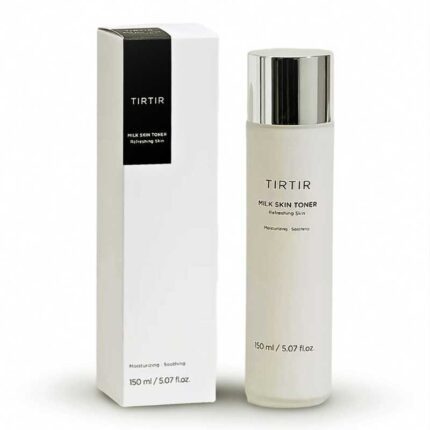 Sale
SaleOriginal price was: ৳ 4,600.00.৳ 3,220.00Current price is: ৳ 3,220.00.
How Casein is made from milk
Casein forms naturally when milk separates into curds and whey. Cheesemakers harvest curds for cheese and further process them into powdered Casein or micellar Casein. As a milk derived protein ingredient, Casein retains many nutrients from milk.
When manufacturers isolate Casein, they filter and dry the curds to create a stable powder. This processing preserves the slow-digesting structure that helps the protein form a gel in the stomach.
Types of Casein you can buy
Micellar Casein is the least processed form and keeps the protein’s natural structure. It dissolves more slowly and provides the longest release of amino acids. Many athletes and shoppers prefer micellar Casein for nighttime use.
Another option is caseinate, which comes as sodium, calcium, or potassium caseinate. These forms dissolve faster than micellar Casein and work well in shakes and baking. For example, calcium caseinate adds calcium along with protein.
Nutrition and amino acid profile
Casein provides a complete set of essential amino acids. Leucine, isoleucine, and valine, known as branched-chain amino acids, appear in meaningful amounts. Studies show that Casein supports muscle maintenance when total daily protein is adequate.
Because Casein releases amino acids slowly, it reduces protein breakdown over long periods. This slow absorption can be advantageous during sleep or long gaps between meals.
Benefits of Casein for muscle and appetite
Casein supports muscle recovery through a steady supply of amino acids. Many athletes use it before bed to aid overnight repair. Research indicates that this strategy can reduce muscle breakdown while you sleep.
Muscle maintenance and growth
When you eat Casein regularly with resistance training, the protein helps preserve lean mass. That is why some strength trainers include Casein in their nightly routine. The slow release keeps amino acids available for several hours.
Satiety and weight control
Casein slows stomach emptying and can increase feelings of fullness. As a result, people often report reduced late-night snacking after Casein intake. This effect can help when aiming to control daily calories.
Performance timing
Casein pairs well with faster proteins like whey for different goals. For example, whey works for quick post-workout recovery, while Casein supports later repair. Using both proteins can cover immediate and lasting needs.
Casein in food and supplements
Many protein powders list Casein as a single-ingredient product or in blends. You will also find it in certain cheeses and dairy-based bars. Because it thickens liquids, Casein works well in recipes that need a creamy texture.
For home cooking, Casein can be added to pancakes, protein puddings, and sauces. When heated gently, it keeps a pleasant texture. Still, high heat can change its gel structure, so moderate temperatures are best.
Casein and skin care: a moisturizing compound?
Casein appears in some topical skincare formulas, often mixed with oils or emulsifiers. As a protein, it can act as a film-former and a moisturizing compound on the skin. Dermatologists recommend proteins that help retain moisture for dry skin types.
Research indicates that protein-based films can reduce water loss across skin. For people with dry skin, products that include Casein-derived peptides may increase surface hydration and softness.
Allergies, intolerance, and safety
Casein can trigger reactions in people with milk allergy, because the immune system recognizes milk proteins. For lactose intolerance, Casein itself has little lactose, yet some Casein products can contain traces of lactose. Always read labels or ask manufacturers about lactose content.
When pregnant or breastfeeding, check with a healthcare provider before starting concentrated Casein supplements. This step ensures safety based on individual nutrition needs and medical history.
How to choose a Casein product
Start by checking the ingredient list for purity and additives. Look for micellar Casein if you want the slowest absorption and minimal processing. If you want a versatile powder for baking, caseinate forms mix more readily.
Because price and flavor vary, sample small sizes before committing to large tubs. Also consider third-party testing seals for purity and absence of contaminants. That measure helps ensure product quality and label accuracy.
How to use Casein: timing and recipes
Many people take Casein before bed to support overnight recovery. When eaten with a small snack, it may improve satiety and reduce midnight hunger. For best results, aim for a balanced meal pattern across the day.
Common serving sizes
A typical serving ranges from 20 to 40 grams of protein per shake. Athletes often match serving sizes to their body weight and daily protein goals. If you are new to Casein, start with a smaller serving to test tolerance.
Mixing tips and recipes
Blend Casein with milk or plant milks for a creamier texture and added calories. For a quick dessert, mix Casein with yogurt and berries for a protein pudding. When baking, replace part of the flour with Casein to boost protein content without losing texture.
Combining with other proteins
Use whey for immediate post-workout recovery and Casein later for sustained supply. That approach gives both fast and slow amino acid release across the day. This means your muscles get both immediate repair and ongoing protection.
Casein versus other proteins
Whey protein digests fast and spikes amino acids quickly. Casein provides a slower, steadier release. Choosing between them depends on timing and goals, not overall quality alone.
Plant proteins offer alternatives for those avoiding dairy, but they differ in amino acid profiles. If you need a complete profile from plants, combine pea, rice, and other plant proteins carefully. Still, Casein remains a high-quality dairy source for many shoppers.
Environmental and ethical considerations
Casein production ties to the dairy supply chain and its environmental footprint. For shoppers who care about sustainability, look for dairy from farms with transparent practices. Some brands offer grass-fed milk Casein, which can reflect farming choices and animal welfare.
When sustainability matters, consider smaller brands that document sourcing. That practice may reduce uncertainty about farm standards and processing methods.
Common myths about Casein
Myth: Casein causes significant weight gain on its own. Reality: Weight gain depends on total calories, not one protein. Casein can help control hunger, which often supports weight management goals.
Myth: Casein is only for bodybuilders. Reality: Anyone wanting steady protein over hours can benefit. Older adults, busy professionals, and people with long gaps between meals may find Casein useful.
Buying and storing Casein
Keep powdered Casein in a cool, dry place away from direct sunlight. Proper storage preserves flavor and prevents clumping. Once opened, seal the container tightly or transfer contents to an airtight jar.
Check best-by dates and buy from retailers with good turnover. That habit helps ensure freshness and avoids stale flavor or degraded texture.
Who benefits most from Casein?
Casein fits people who need steady protein for long periods without food. Nighttime athletes and those with long work shifts gain particular value. Older adults can also benefit because slow protein helps reduce muscle loss with age.
Because Casein slows digestion, it may not be ideal before fast-paced events that need quick fuel. For those moments, choose faster protein or a light carbohydrate snack instead.
Frequently Asked Questions
Is Casein better than whey for muscle growth?
Both proteins support muscle growth when total daily protein is adequate. Whey is faster and helps immediate recovery, while Casein protects muscles over longer periods. Combining them often gives balanced benefits.
Can people with lactose intolerance take Casein?
Many Casein products contain minimal lactose, yet traces can remain. Those with lactose intolerance should choose low-lactose or lactose-free Casein, or test a small amount first. Always check the label for lactose content.
Does Casein cause acne or skin problems?
Some people report dairy-related skin flare-ups, but evidence varies by individual. If you notice skin reactions after dairy or Casein, try eliminating it and observe changes. Consulting a dermatologist can help identify triggers.
How should I use Casein in recipes?
Replace part of the flour with Casein in baked goods to add protein without changing flavor much. For puddings or shakes, blend Casein with milk and let it thicken a few minutes. Avoid prolonged high heat to preserve texture.
Final Thoughts
Casein offers steady amino acid delivery that supports recovery, satiety, and potential skincare benefits. For most shoppers, the single most important takeaway is to match Casein use to timing and goals, such as before bed or between long meals. Try a small product sample, check labels, and pick Casein that fits your dietary needs and routine.