
Capryloyl Salicylic Acid: Skin Exfoliant Guide

Struggling with texture, clogged pores, or stubborn bumps can feel discouraging. Capryloyl Salicylic Acid offers a gentler alternative to classic acids for those concerns. This guide explains how the ingredient works and how to use it safely.
What is Capryloyl Salicylic Acid?
Capryloyl Salicylic Acid is a modified form of salicylic acid designed to be more oil-loving and less irritating. Because of that chemical tweak, the molecule can reach oil-rich areas while leaving skin less dry. Dermatologists recommend it for people who need exfoliation but tolerate traditional acids poorly.
For example, the ingredient often appears near the top of product lists for mild exfoliants. Studies show that lipophilic derivatives can penetrate sebum better than water-soluble forms. This means the molecule can act on pore buildup while limiting surface irritation.
Recommended Products
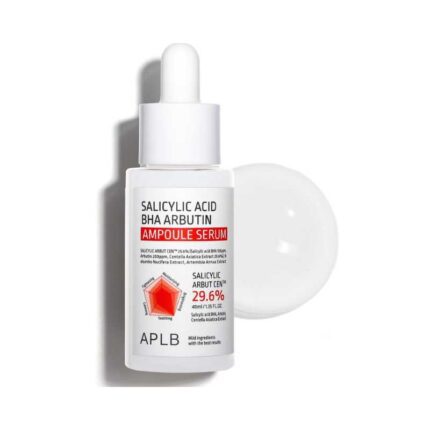 Sale
SaleOriginal price was: ৳ 1,300.00.৳ 910.00Current price is: ৳ 910.00.
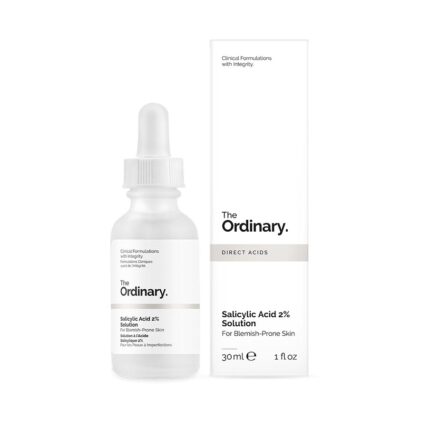 Sale
SaleOriginal price was: ৳ 2,000.00.৳ 1,490.00Current price is: ৳ 1,490.00.
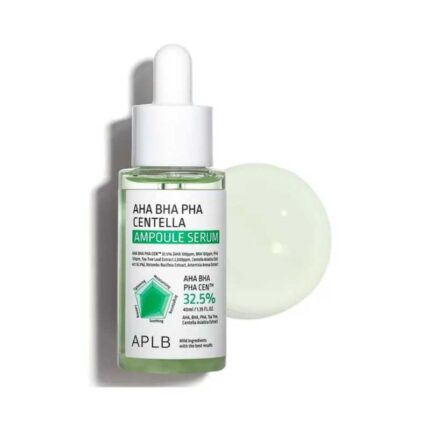 Sale
SaleOriginal price was: ৳ 1,300.00.৳ 910.00Current price is: ৳ 910.00.
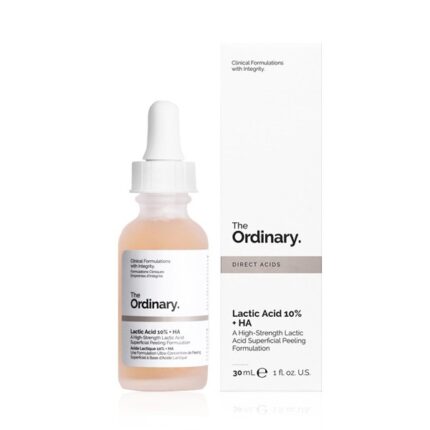 Sale
SaleOriginal price was: ৳ 2,000.00.৳ 1,490.00Current price is: ৳ 1,490.00.
How Capryloyl Salicylic Acid Works
When applied, Capryloyl Salicylic Acid moves toward oil inside pores and softens excess sebum. As a lipophilic salicylic acid derivative, it dissolves debris that traps bacteria and causes bumps. That pore clearing brings clearer skin and smoother texture over time.
Mechanism of action
Salicylic-based acids exfoliate by loosening the bonds between dead skin cells. Capryloyl Salicylic Acid adds a short fatty chain to the salicylic structure so it prefers oil over water. As a result, it targets comedones more directly than many water-loving acids.
Lipophilic behavior and benefits
Because the molecule is lipophilic, it mixes with sebum and travels into clogged follicles. This targeted approach reduces the need for harsh surface exfoliation. Therefore, people with sensitive or dry skin often report fewer flares compared to classic salicylic acid.
Comparison with salicylic acid
Traditional salicylic acid is water soluble and exfoliates the skin surface and pore lining. Capryloyl Salicylic Acid tends to stay in oil layers and works inside the pore. While both clear debris, the derivative may feel milder on the skin surface.
Key Benefits for Different Skin Concerns
Capryloyl Salicylic Acid helps with clogged pores, rough texture, and mild acne symptoms in many users. Studies show chemical exfoliants can reduce comedones and smooth skin with consistent use. As a result, you may see fewer breakouts and a more even surface in weeks.
Still, effects depend on concentration, product formulation, and skin type. For oily or combination skin, the ingredient often reduces shine and congestion. For dry or reactive skin, it can help without overly stripping if used in low concentrations.
Which Skin Types Benefit Most
People with oily and combination skin typically gain the biggest visible change from Capryloyl Salicylic Acid. Because the acid targets sebum, those with congestion see clearer pores faster. Sensitive skin can also benefit, but patch testing is wise first.
Although acne-prone skin responds well, those with rosacea or very thin skin should proceed cautiously. When applied correctly, the ingredient can complement other ingredients like niacinamide or ceramides. That pairing can soothe while improving texture and tone.
How to Use Capryloyl Salicylic Acid Safely
Start slowly and monitor your skin for signs of irritation or dryness. For example, begin with products used once every other day or a few times per week. That approach reduces the risk of over-exfoliation while you assess tolerance.
When using the ingredient, always follow with sunscreen in the morning. Chemical exfoliation can make skin more responsive to sun damage. So, applying broad spectrum sunscreen supports safe, long-term use.
Patch test and introduction
Before full-face use, apply a small amount to an area behind the ear or on the wrist. Wait 24 to 48 hours for signs of redness or itching. If no reaction occurs, introduce the product to the face gradually over two weeks.
Frequency and layering
Because the ingredient can be potent, do not layer multiple strong acids at once. Use hydrating or barrier-support products after exfoliation. That routine helps preserve skin moisture and comfort.
Sun protection and timing
Apply sunscreen each morning when you use Capryloyl Salicylic Acid at night or in the morning. Although the ingredient does not always increase UV sensitivity dramatically, protection reduces long-term risk. Consistent protection keeps results safe and lasting.
Concentrations and Formulations to Look For
Manufacturers use a range of concentrations, and lower levels suit beginners. For example, many leave-on serums contain a few percent of the ingredient in a balanced base. Higher concentrations appear in professional or targeted treatments for stubborn congestion.
Product format matters as well, since creams, serums, and cleansers deliver the ingredient differently. Cleansers rinse off quickly and offer milder exposure. Serums and leave-on lotions provide longer contact and greater effect.
Blends and Complementary Ingredients
Capryloyl Salicylic Acid works well with hydrating and barrier-support ingredients like hyaluronic acid and ceramides. Because these ingredients reduce dryness, they pair nicely with exfoliants. Niacinamide can also help calm redness while reducing oil production.
Yet, avoid mixing the ingredient with too many strong actives at once, such as high-strength retinoids and multiple acids. Instead, alternate days or layer mild actives together. That strategy balances efficacy and tolerability.
Product Examples and What to Expect
Expect gentle pore clearing, smoother texture, and fewer small bumps with consistent use. Dermatologists recommend giving any acid product several weeks to show visible change. That time frame allows skin to complete several renewal cycles and reveal improvement.
When choosing a product, check ingredient lists for supportive compounds and minimal irritants. Fragrance and high alcohol content may irritate sensitive skin. Instead, look for formulas that include hydrators and soothing agents.
How Capryloyl Salicylic Acid Compares to Other Exfoliants
Compared with AHAs like glycolic acid, Capryloyl Salicylic Acid focuses more on oil-rich areas. AHAs are water-loving and work on surface texture and pigmentation. This means the derivative can complement AHAs in a layered routine when used carefully.
Physical scrubs remove dead cells through abrasion, which can cause microtears in fragile skin. Chemical exfoliants like this ingredient act chemically and avoid mechanical damage. For that reason, many professionals prefer chemical methods for long-term texture control.
Safety, Side Effects, and Who Should Avoid It
Side effects are usually limited to mild dryness, temporary redness, and occasional flaking. If you experience significant burning or swelling, stop using the product and consult a professional. That reaction suggests a sensitivity that requires different care.
Pregnant or breastfeeding people should consult healthcare providers before starting new active skin treatments. Although general salicylic acid use has precautions, professionals can offer personalized guidance. Those with severe eczema or open wounds should avoid exfoliants until the skin heals.
Regulatory and Labeling Notes
Manufacturers may list the ingredient under full chemical names or trademarks. Because of that, reading the ingredient list closely helps you know what you are buying. Some labels highlight the ingredient as a “lipophilic salicylic acid derivative” to emphasize its oil affinity.
Research indicates that labeling can affect how consumers perceive strength and safety. Dermatologists advise checking concentration and formulation rather than marketing claims. That practice gives a clearer sense of how a product will act on your skin.
Shopping Tips: How to Choose the Right Product
First, decide whether you want a rinse-off or leave-on product based on your sensitivity. Rinse-off forms offer gentler exposure, while leave-on serums provide stronger results. That choice influences how often you should use the product and how your skin will respond.
Second, inspect the full ingredient set for hydrators and soothing agents. For example, look for glycerin, hyaluronic acid, or ceramides to support the barrier. Lastly, avoid unnecessary fragrance or high drying alcohols that can worsen irritation.
Realistic Timeline for Results
You may notice smoother texture in two to four weeks with regular use. For clear reduction in comedones and fewer breakouts, expect six to twelve weeks. Sustained use often yields the best balance between clarity and comfort.
Since individual response varies, track changes with photos every two weeks. That approach helps measure subtle improvements that daily observation misses. Also, record irritation or dryness to adjust frequency or supporting products.
Common Myths and Misconceptions
One common myth claims that stronger always means better for exfoliants. However, higher concentration often increases irritation without proportional benefit. Using an appropriate concentration for your skin yields better long-term results.
Another misconception says all salicylic derivatives are identical in effect. Because Capryloyl Salicylic Acid is lipophilic, it behaves differently than standard salicylic acid. That difference can make it preferable for specific pore-related issues.
How Professionals Use This Ingredient
Estheticians and dermatologists select products based on skin type and concern. In clinical settings, the ingredient may appear in controlled-strength topical treatments. When used under guidance, it can improve texture with minimal downtime.
For example, professionals may combine it with resurfacing routines or use it to prepare skin for other modalities. That careful scheduling helps avoid over-exfoliation while achieving clear results. Patients often report steady improvement when clinicians monitor progress.
Travel and Routine Tips
When traveling, pack sample sizes or travel-size bottles to maintain routine. Skipping exfoliation suddenly can cause temporary rebound oiliness or congestion for some people. To avoid that, plan short dosing schedules if you must adjust frequency while away.
Also, carry a simple sunscreen and a hydrating lotion to support the skin barrier. Because environment and climate change can affect tolerance, short-term adjustments may be needed. Keep a small patch testing kit if you try a new product while traveling.
Environmental and Stability Considerations
Capryloyl Salicylic Acid remains more stable than some pure acids in complex formulas. Formulators can place it in emulsions or oil phases, which preserves activity. That stability allows a broader range of product types for different preferences.
Still, store products away from extreme heat and sunlight to prolong shelf life. Heat can degrade many actives and reduce efficacy. Proper storage ensures you receive the benefits the label promises.
Signs a Product Is Working
You may see fewer blackheads and less texture within a few weeks of regular use. Pore size does not change dramatically, but pores often appear clearer and less clogged. As a result, makeup and skin tone can look smoother and more even.
Minimal flaking or mild peeling can occur initially as the skin renews. However, persistent redness or worsening acne suggests the formula or frequency needs adjustment. In such cases, reduce use and seek professional advice if needed.
How to Layer with Other Actives
Layer Capryloyl Salicylic Acid with hydrating serums and barrier creams for balance. For example, apply a light hydrating serum after an exfoliating serum and then a moisturizer. This sequencing helps maintain moisture while the acid clears pores.
If you use retinoids, consider alternating nights instead of combining them immediately. That approach lowers irritation risk while preserving each ingredient’s benefits. Many people find alternating yields steady improvement without flares.
Ingredient Interactions to Avoid
Avoid using multiple strong acids and potent retinoids on the same night. Doing so increases the chance of redness, peeling, and inflammation. Instead, schedule strong treatments on different days to maintain tolerance.
Certain anti-acne prescriptions may interact with acids, so check with your prescriber. Coordination ensures you do not unintentionally weaken the skin barrier. When in doubt, get professional input before mixing active regimens.
Label Terms and What They Mean
Look for terms like “lipophilic” or “oil-loving” to identify how the ingredient behaves on skin. That term indicates the molecule prefers oil layers and sebum. Understanding label language helps you match the product to your concerns.
Also, brands may abbreviate the ingredient or include it in complex names. Read ingredient lists fully and look for supportive compounds that reduce irritation. This practice helps you select products that fit your skin type and goals.
Costs and Value Considerations
Products with Capryloyl Salicylic Acid appear at various price points, from affordable to premium. Value depends on concentration, formulation quality, and supporting ingredients. Often, mid-range products deliver strong benefits without premium price tags.
Consider trial sizes or dermatology samples to test compatibility before committing. That testing can save money and reduce risk of buying an unsuitable full-size product. Look for brands that offer transparent ingredient information and user guidance.
DIY and Home Use: What to Avoid
Do not attempt to create homemade mixes with raw acids unless you have formulation training. Acid handling requires pH control and accurate dosing to avoid harm. Over-the-counter products provide safer, tested concentrations designed for consumer use.
Instead of DIY acid mixing, focus on supportive home care like moisturizers and sunscreen. Those measures complement professional-grade exfoliation and protect results. Safe home habits maintain improvements and prevent setbacks.
Consumer Questions About Tolerance and Results
People often ask whether they will purge or break out when starting the ingredient. Purging can occur if deep follicles clear rapidly and bring trapped material to the surface. However, purging usually fades within a few weeks and differs from long-term irritation.
Another common question concerns whether the ingredient can brighten skin. While it primarily targets texture and congestion, improved turnover can lead to subtle brightness. Pairing with gentle AHAs or vitamin C amplifies visible tone improvement safely.
Evidence and Professional Guidance
Studies show salicylic derivatives help reduce comedonal acne and improve texture with less irritation. Dermatologists often recommend them where pore-targeted exfoliation is needed. Clinical use supports their role as a middle ground between gentle and aggressive exfoliation.
When you have persistent or severe acne, seek a dermatologist for tailored therapy. Professionals can combine topical actives with procedural treatments when appropriate. That approach optimizes results and reduces risk of irritation or scarring.
Consumer Safety Alerts and Best Practices
Always follow product instructions and start with lower frequency if you are uncertain. If you experience persistent burning or swelling, discontinue use immediately. That action prevents worsening and allows the skin to recover.
Keep products out of reach of children and avoid contact with eyes and mucous membranes. If accidental exposure occurs, rinse with water and seek medical advice if symptoms persist. These common-sense steps reduce risk from mishandling.
How to Read Reviews and Trust Claims
Look for reviews that mention skin type and usage details to assess relevance to you. Reviews that report clear timelines and describe side effects provide practical insight. That information helps you set realistic expectations before purchase.
Also, beware of extreme claims that promise instant miracles or universal fit. Products work differently on different skin types and conditions. Instead, trust balanced reviews and expert guidance for a realistic view of results.
Summary of Practical Routine Examples
For beginners, a simple routine might include a gentle cleanser, one to two applications per week, and sunscreen. That conservative routine reduces the chance of irritation while giving measurable results. Increase frequency gradually as your skin tolerates the ingredient.
For steady improvement, combine a nightly leave-on serum with morning sunscreen and nightly hydration. That routine targets congestion while keeping the barrier supported. Adjust as needed based on dryness and environmental factors.
Frequently Asked Questions
Is Capryloyl Salicylic Acid safe for sensitive skin?
Many people with sensitive skin tolerate it better than standard salicylic acid. Start with a low concentration and perform a patch test for 24 to 48 hours. Stop use if you notice strong irritation or prolonged redness.
How often should I use products containing this ingredient?
Begin with once every other night or two to three times per week and increase slowly. Monitor skin response and reduce frequency if you see flaking or irritation. Consistent low-frequency use often outperforms occasional heavy use.
Can I use it with retinoids or vitamin C?
You can, but avoid using strong retinoids and this ingredient on the same night initially. Many people alternate nights or use vitamin C in the morning and the acid at night. Adjust based on tolerance and consult a professional when combining potent actives.
Will it make my skin more sensitive to the sun?
Exfoliation can increase skin responsiveness to UV, so use daily sunscreen after starting the product. Even if the increase is modest, protection reduces long-term damage and maintains results. Apply broad spectrum SPF each morning without fail.
Final Thoughts
Capryloyl Salicylic Acid offers targeted, oil-friendly exfoliation that clears pores while often causing less surface irritation than classic salicylic acid. For most people seeking smoother texture and fewer comedones, the ingredient provides a balanced option when used carefully. Try a low-concentration product, introduce it slowly, and pair it with hydration and sunscreen for the best, safest outcome.