
Bamboo Water: Natural Hydration and Uses

When thirst or dry skin strike, many shoppers want a simple, natural option that works. Bamboo Water appears in products and bottles as a gentle hydration source that supports skin and body. Consumers read labels now and many ask what bamboo water really does.
What is Bamboo Water?
Bamboo Water describes a liquid derived from bamboo plants that often contains plant minerals and soluble silica. Studies show bamboo and related extracts frequently contain silica and trace minerals that support connective tissue health. For shoppers, the term can refer to raw bamboo sap or to water infused with bamboo extract for cosmetics and drinks.
Recommended Products
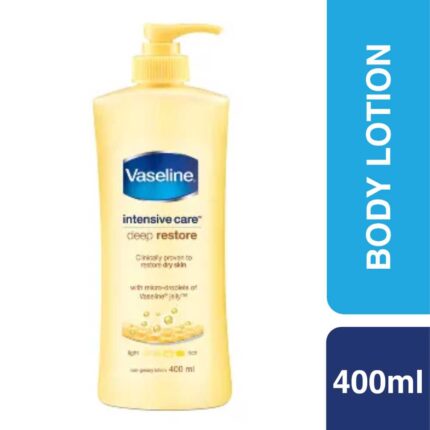 Sale
SaleOriginal price was: ৳ 550.00.৳ 510.00Current price is: ৳ 510.00.
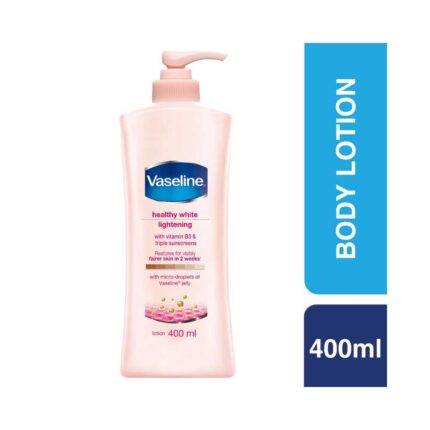 Sale
SaleOriginal price was: ৳ 570.00.৳ 520.00Current price is: ৳ 520.00.
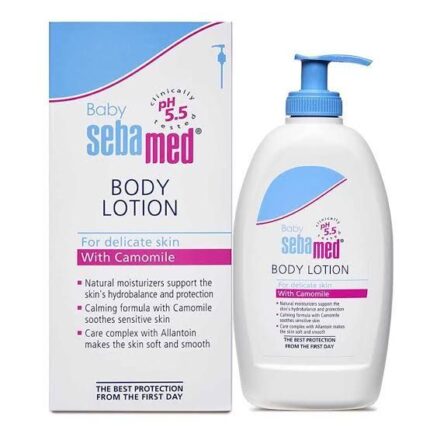 Sale
SaleOriginal price was: ৳ 3,500.00.৳ 2,499.00Current price is: ৳ 2,499.00.
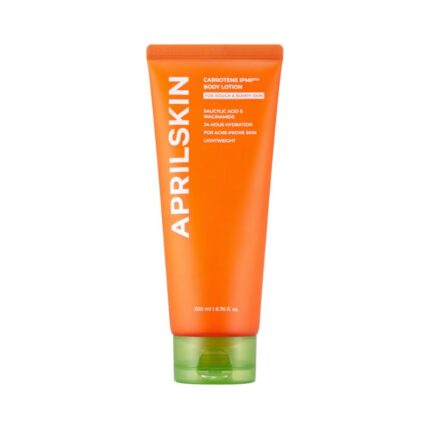 Sale
SaleOriginal price was: ৳ 2,900.00.৳ 2,030.00Current price is: ৳ 2,030.00.
Bamboo Water as a natural ingredient
Because it comes from plants, Bamboo Water often appears on ingredient lists as a botanical or sap extract. Research indicates botanical extracts can carry mineral and organic compounds that benefit skin and hydration. For example, a bamboo sap ingredient may add silica, which some dermatologists recommend for hair and skin support.
What is bamboo sap ingredient?
A bamboo sap ingredient refers to the fluid drawn from living bamboo stalks or to concentrated extracts made from that fluid. This sap can contain natural sugars, minerals, and silica, which firms connective tissues. For cosmetics, formulators use it to add moisture and to help skin feel smoother.
How Bamboo Water hydrates the body and skin
Many people choose Bamboo Water for gentle hydration that complements regular fluids. Research indicates silica and trace minerals can aid the structure of skin and hair, though water remains the main hydrator. When applied topically, Bamboo Water can help skin retain moisture and feel softer.
Hydration from a mineral hydration compound
Some manufacturers market Bamboo Water as a mineral hydration compound because it brings trace minerals into a drinkable or topical format. These minerals can include silica, potassium, and magnesium in small amounts. While such compounds do not replace electrolytes, they can support daily mineral intake when paired with a balanced diet.
Benefits reported by users and experts
Users often report that products containing Bamboo Water feel lightweight and soothing on skin. Dermatologists recommend gentle botanical hydrators for sensitive skin when irritation is a concern. Research indicates that the silica in bamboo extracts supports collagen integrity, which means skin may look firmer over time.
Skin and cosmetic benefits
For topical care, Bamboo Water can act as a humectant-like component that helps skin hold moisture. Many cosmetic formulas use it in serums, mists, and creams to boost hydration without adding heaviness. That is why people with oily or combination skin often prefer products with bamboo-derived water.
Hair and scalp benefits
Applied to hair, Bamboo Water can help smooth strands and reduce frizz by improving moisture balance. Several stylists recommend bamboo-containing sprays for lightweight hydration and shine. Studies show that silica supports hair strength, which may reduce breakage when used consistently.
Oral hydration and beverages
When formulated as a beverage, Bamboo Water offers a plant-derived drink that may provide trace minerals. However, plain water remains essential for core hydration needs. For active people, Bamboo Water drinks can be a pleasant alternative, but electrolyte replacement should be checked when sweating heavily.
How Bamboo Water is produced
Producers use different methods to make Bamboo Water, from harvesting sap to extracting bamboo shoots and leaves into water. Many brands choose sustainable harvesting to protect bamboo stands and local ecosystems. Research on sustainable plant sourcing shows careful harvesting preserves plant health and regeneration.
Sap extraction
Sap extraction involves tapping bamboo stalks to collect their internal fluid, similar to other plant saps. When done responsibly, this method yields a mildly sweet and mineral-rich liquid. That is why some artisanal products advertise sap as a premium bamboo water source.
Steam or solvent extraction
Some manufacturers make Bamboo Water by steeping bamboo parts in water or using gentle heat to pull out soluble components. This approach can yield consistent flavor and mineral profiles across batches. Brands often list extraction methods so shoppers can compare processing styles.
How Bamboo Water compares to other botanical waters
Unlike floral waters, Bamboo Water tends to offer a subtler flavor and a different mineral profile. For example, rose water gives scent and calming benefits, while bamboo-derived water focuses on silica and light hydration. When choosing between botanical waters, consider skin type, scent preferences, and active ingredients.
Versus plain water
Plain water hydrates the body without added plant compounds, which makes it essential for overall health. Bamboo Water brings additional plant minerals and possible skin benefits when used topically. Therefore, it can complement plain water but should not replace regular hydration habits.
Versus electrolyte drinks
Electrolyte drinks focus on sodium, potassium, and other ions to restore fluid balance after heavy activity. Bamboo Water typically offers trace minerals instead, so it does not serve the same sports recovery role. For exercise or extreme heat, choose targeted electrolyte solutions.
How to use Bamboo Water in skincare
Many people add Bamboo Water to their skincare routine as a mist, serum base, or toner alternative. Dermatologists recommend patch testing new products, especially for sensitive skin types. For best results, apply Bamboo Water products to clean skin and layer moisturizer afterward to lock in hydration.
Daily mist routine
For a quick hydration boost, spray Bamboo Water mist over the face during the day. This step refreshes skin and can set makeup when used sparingly. For dry climates, follow with a cream to prevent moisture loss from evaporation.
Mixing with serums and creams
Some users add a small amount of Bamboo Water to serums for extra slip and hydration. That practice works when concentration is low and the product remains stable. When mixing at home, always test stability for a short period before regular use.
How to drink Bamboo Water safely
When Bamboo Water is sold as a beverage, check labels for food-grade processing and certification. Studies show that plant-derived drinks vary in mineral content and may not replace electrolytes. For safe daily drinking, confirm that the product meets local food safety standards and avoid unpasteurized options if you have immune concerns.
Serving suggestions
Serve Bamboo Water chilled for a light, refreshing beverage. Some people mix it with citrus or herbal infusions for extra flavor. While pleasant, remember that such drinks complement rather than replace plain water for hydration needs.
Choosing quality Bamboo Water products
Look for brands that disclose sourcing, extraction methods, and ingredient lists. Transparent companies often publish third-party testing or certificates to back claims. Research indicates that supply chain transparency correlates with higher product safety and consumer trust.
Labels and certifications
Check for food-grade certification for drinks and cosmetic-grade standards for skin products. Organic and sustainable claims can indicate careful farming practices, but not all benefits are certified. When possible, read independent reviews and lab test summaries to confirm product quality.
What to avoid
Avoid products that list vague “botanical blend” without specifics when you want bamboo-derived benefits. Many products include fillers or synthetic additives that overshadow plant components. That is why reading full ingredient lists helps you choose options that prioritize Bamboo Water content.
Price and value considerations
Price varies widely among Bamboo Water products based on sourcing and processing. Artisanal sap-extracted options typically cost more than mass-produced extracts. For value, compare ingredient concentration and third-party testing rather than price alone.
When higher price makes sense
Higher costs can reflect sustainable harvesting, organic certification, or rigorous testing. If you have sensitive skin or allergies, paying more for tested purity can make sense. On the other hand, lower-cost options can work well for basic hydration when you confirm quality standards.
Sustainability and environmental impact
Bamboo grows quickly and can be a renewable resource when managed correctly. Studies indicate well-managed bamboo cultivation helps soil retention and provides habitat benefits. Yet irresponsible harvesting or monoculture practices can harm biodiversity, so choose sustainably sourced products.
Fair trade and community impacts
Some Bamboo Water brands work with local communities to ensure fair pay and responsible land use. Support for local growers can improve livelihoods and encourage sustainable practices. Research suggests supply chains with community involvement often yield better long-term outcomes.
Common myths and facts about Bamboo Water
Myth: Bamboo Water cures all skin problems. Fact: Bamboo Water can support hydration and skin structure, but it does not replace medical treatment. Research indicates botanical minerals support tissue health, yet clinical outcomes depend on many factors.
Myth: Bamboo Water is the same in all products
Fact: Extraction, concentration, and formulation create widely varying products. Some items contain only trace bamboo extract while others list sap or high concentrations. Therefore, ingredient transparency matters for expected results.
Combining Bamboo Water with other ingredients
Bamboo Water mixes well with glycerin, hyaluronic acid, and gentle plant oils in formulas. When combined with hyaluronic acid, it can help skin hold moisture more effectively. Dermatologists often recommend combining humectants with occlusives to maximize hydration.
Safe pairings
For sensitive skin, pair Bamboo Water with fragrance-free bases and low concentrations of active acids. That lowers irritation risk while supporting moisture balance. For stronger actives, add Bamboo Water in a separate step to assess tolerance.
Ingredients to use cautiously
Do not mix Bamboo Water-based homemade products with strong preservatives unless you know the chemistry. Improper preservation can promote microbial growth in water-based DIY cosmetics. If you want a DIY mist, keep batches small and store them cold.
Scientific perspective and research notes
Research on bamboo extracts indicates a presence of silica and trace minerals with potential benefits for connective tissues. Studies show silica contributes to collagen formation and structural support in skin and hair. While specific clinical data for Bamboo Water beverages remain limited, botanical research supports its role in topical care.
What studies say about silica
Silica appears in many plant sources and supports structural proteins like collagen. Research indicates sufficient silica intake can associate with healthier hair and nails in some studies. That said, topical silica effects vary based on formulation and concentration.
Who should consider Bamboo Water products?
People seeking gentle, plant-based hydration for skin and hair may benefit from Bamboo Water products. Those with very dry skin or heavy sweating should evaluate electrolyte needs separately. Always consult a healthcare provider for severe skin conditions or dietary concerns.
For sensitive skin
Many dermatologists recommend plant-based, low-irritant hydrating ingredients for sensitive skin. Bamboo Water often fits that profile because of its mild nature. Patch testing remains the safest first step for new products.
For active lifestyles
Active people may enjoy Bamboo Water beverages for light mineral support and taste variety. However, post-exercise recovery often needs targeted electrolytes. Use Bamboo Water drinks as a refreshment rather than as an intense rehydration solution.
Storing Bamboo Water products
Follow manufacturer guidance for storage, especially for water-based formulations without strong preservatives. Refrigeration extends shelf life for opened mists or beverages when safe for the product. For cosmetics, discard items that change smell or color.
Shelf life tips
When a cosmetic product lacks preservatives, keep it cool and use it within a short time frame. For drinks, check “best before” dates and avoid unpasteurized products if immune health is a concern. Brands often list storage tips on packaging for best results.
DIY uses and recipes with Bamboo Water
Home use of Bamboo Water can include simple face mists and hair spritzes when you source food- or cosmetic-grade products. For a quick mist, mix Bamboo Water with a small amount of glycerin and store in a clean spray bottle. That blend refreshes skin without heavy oils.
Simple face mist recipe
Combine 90% bamboo-derived water with 10% aloe juice for a soothing mist. Shake before use and store in the fridge for up to two weeks. For sensitive skin, patch test on the inner wrist before applying to the face.
Light hair spritz
Mix Bamboo Water with a drop of lightweight oil and a small amount of leave-in conditioner for quick frizz control. Spray lightly onto mid-lengths and ends after towel drying. Avoid spraying directly at the scalp to prevent buildup.
Price range and common packaging
Bamboo Water products range from affordable mists to premium bottled beverages, depending on sourcing. Bottles often come in glass or recyclable plastic to protect product integrity. Pay attention to packaging that prevents light exposure for better shelf life.
What you pay for
Higher-priced items often promise higher concentration, sustainable sourcing, or third-party testing. Mid-range options may balance cost and quality for regular use. Always weigh ingredient lists and certifications when judging value.
Common label terms explained
Labels can include terms like “bamboo extract,” “bamboo sap ingredient,” and “bamboo water.” Each term signals slightly different sourcing or processing. Reading labels closely helps you understand what part of the plant forms the product’s active base.
Difference between extract and water
Extracts often concentrate active compounds and may require solvents or heat during processing. Bamboo Water usually indicates a direct water-based extraction or sap harvest. Concentration levels determine how potent the product’s effects may be.
Safety considerations and allergies
Allergic reactions to bamboo are rare but possible, especially with added fragrances or preservatives. Patch tests and checking full ingredient lists reduce risk for sensitive users. If irritation occurs, stop use and seek advice from a healthcare professional.
When to avoid Bamboo Water
Avoid unpasteurized beverages if you have a weakened immune system. Also avoid products that include irritant additives for sensitive skin types. When in doubt, consult a dermatologist for personalized guidance.
Shopping checklist for Bamboo Water products
When shopping, look for clear sourcing, extraction details, and ingredient transparency. Check for testing seals or certificates if purity matters to you. That way, you can select products aligned with your needs and values.
Quick checklist
Verify ingredient lists, check for third-party tests, note extraction methods, and assess price against transparency. Also confirm storage needs and shelf life for water-based items. These simple checks save time and reduce buyer regret.
Frequently Asked Questions
What is Bamboo Water good for?
Bamboo Water is good for light hydration and skin or hair smoothing when used topically. It provides plant-derived minerals and often silica, which supports structural proteins. People use it in mists, serums, drinks, and hair products.
Is Bamboo Water safe to drink?
Bamboo Water sold as a beverage should be processed to food-grade standards to be safe for drinking. Check labels for pasteurization or testing when buying bottled drinks. If unsure, consult product documentation or avoid unverified sources.
How often should I use Bamboo Water on my skin?
Use Bamboo Water mists or products once or twice daily based on your skin’s needs and tolerance. Patch test first and observe how your skin reacts over a week. Increase frequency only when your skin shows improved comfort and no irritation.
Can Bamboo Water replace electrolytes after exercise?
Bamboo Water provides trace minerals but does not replace targeted electrolyte solutions for intense exercise. Use sports drinks or electrolyte supplements for heavy sweating or endurance activities. For light activity, Bamboo Water offers a pleasant hydration option.
Final Thoughts
Bamboo Water offers a gentle, plant-based approach to hydration and topical support that many shoppers find appealing. For skin and hair, it provides silica and trace minerals that research suggests help structural integrity. Try a quality product, check sourcing and testing, and use Bamboo Water as a complement to plain water and to your regular care routine.